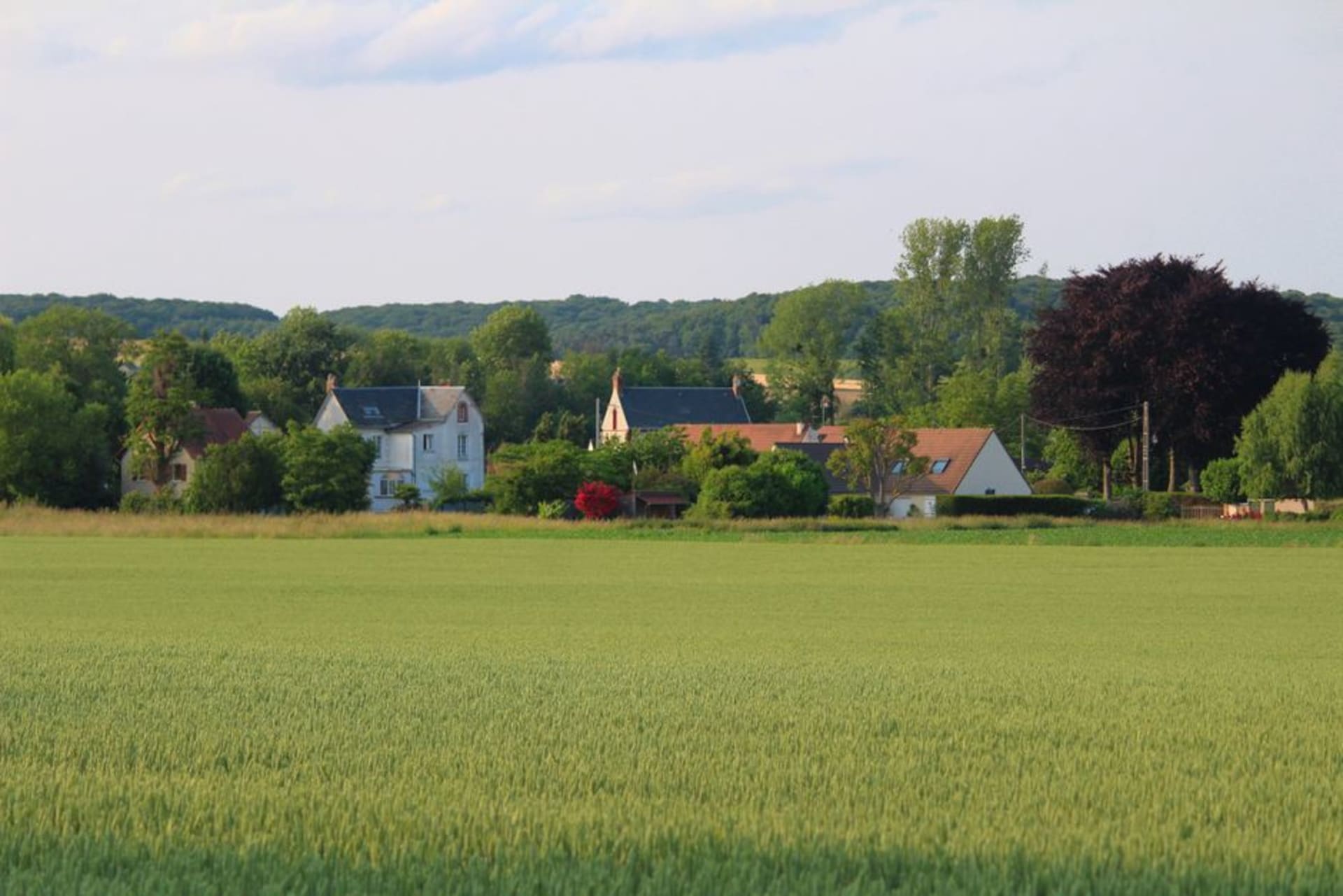
Home to the largest Romanesque basilica in Auvergne, sitting improbably over a market town most people drive straight past on the way to somewhere else, with the Allier gorge just below it.

I’ll admit Brioude wasn’t on my list until a friend in Clermont-Ferrand insisted we make the detour, saying something like “you haven’t seen Romanesque Auvergne until you’ve seen the basilica.” I assumed some exaggeration was involved. It wasn’t. The Basilica of Saint-Julien, the largest Romanesque church in the entire Auvergne region, sits at the center of a town of barely seven thousand people, utterly disproportionate to its surroundings in the best possible way, and I spent a long time just standing in the square in front of it trying to reconcile the scale of the building with the modest streets around it.
A basilica too big for its town
Saint-Julien was built mostly in the twelfth century over the tomb of a Roman soldier martyred for his faith, and what makes it visually distinct from the other great Auvergnat Romanesque churches — Orcival, Issoire, Saint-Nectaire — is the polychrome stonework: bands of dark volcanic basalt alternating with pale arkose sandstone across the facade and the apse, giving the whole exterior a striped, almost decorative quality you don’t get elsewhere in the region. Inside, the nave is vast and cool and dim, with medieval frescoes surviving in patches on the walls and a painted Christ on the cross that locals will tell you, not entirely provably, dates to the plague years. We lit candles and sat in a side chapel for a while, the kind of quiet that only old stone buildings seem to produce.

The Allier gorge below town
Brioude sits right above the Allier river, and the gorge it has cut through the volcanic plateau over millions of years is one of the least visited stretches of dramatic landscape I found anywhere in Auvergne. We followed a footpath down from the old town walls to the riverbank, where the water ran clear and fast over pale stones, hemmed in by steep wooded slopes on both sides. A few fishermen were working the pools for trout, and one of them told us the Allier here is still one of the last major French rivers with a wild Atlantic salmon run, though the numbers have dropped hard in his lifetime. It felt like a small, slightly melancholy postscript to an otherwise very pretty walk.

When to go: Spring and early summer, when the Allier is running full and the meadows around the gorge are green; the basilica itself is a year-round draw regardless of season.
Keep exploring
More of Auvergne
Keep exploring
More from Auvergne
 france
 Issoire
A Romanesque abbey church with a facade too strange to forget, sitting at the point where the flat Limagne plain gives way to the volcanoes of southern Auvergne.
Explore france
 Billom
A medieval university town twenty minutes from Clermont-Ferrand where half-timbered houses lean over garlic stalls, and the whole place still smells faintly of it in late summer.
Explore france
 Ambert
A small Livradois town where I learned that the blue cheese I'd been eating my whole life without noticing, Fourme d'Ambert, comes from exactly here, and where a working paper mill still makes sheets by hand the way it did in the 1500s.
Explore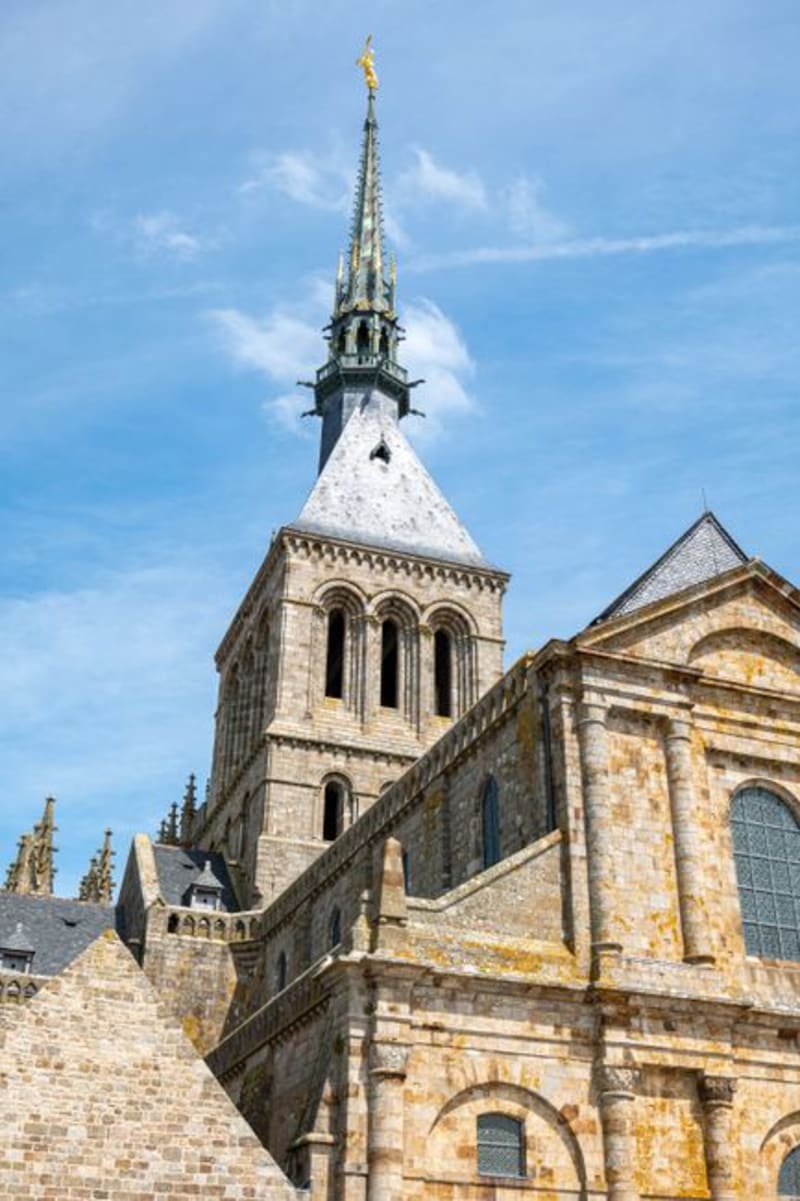 france
 Saint-Nectaire
A village that gave its name to one of France's great cheeses, with a Romanesque church on the hill above and cellars below where wheels of Saint-Nectaire still age on straw the old way.
Explore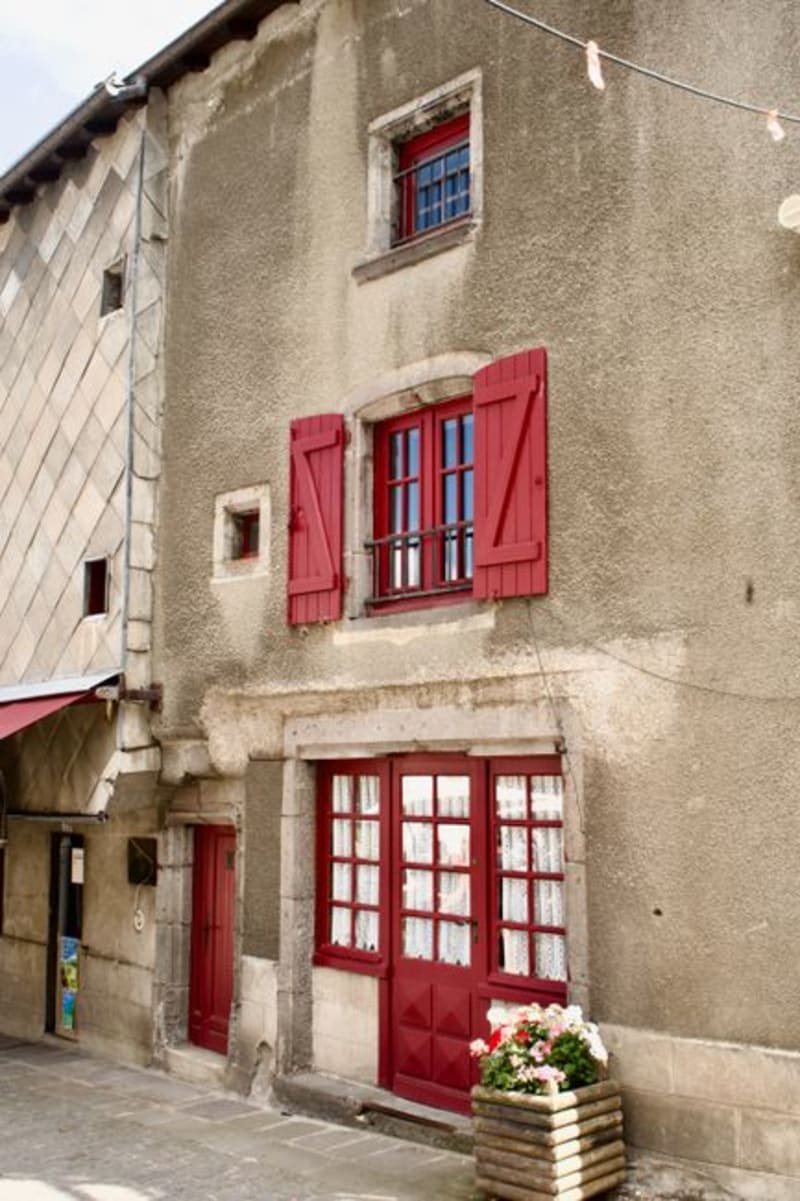 france
 Besse-et-Saint-Anastaise
A dark-stone medieval village in the Auvergne's volcanic highlands, its narrow streets still following their fifteenth-century layout, with a still, forest-ringed volcanic lake a short drive above town.
Explore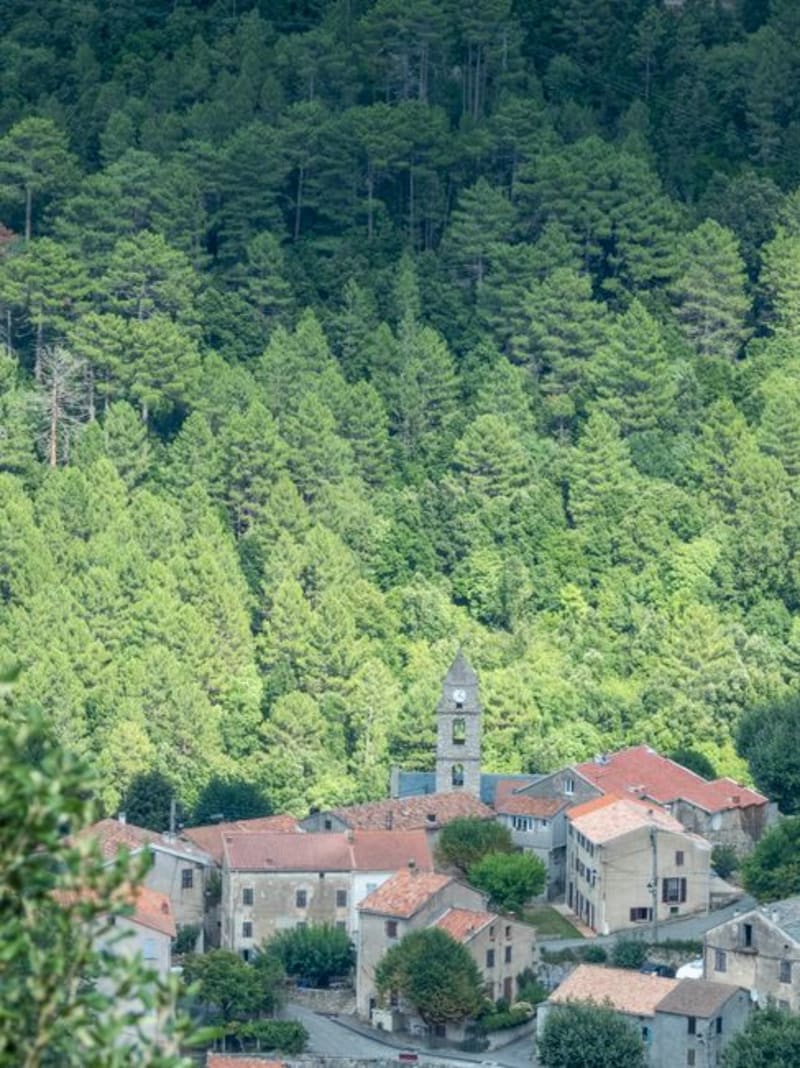 france
 Murol
A ruined castle of black volcanic stone standing on its own basalt outcrop above Lac Chambon, where grown adults in chainmail reenact medieval sieges every summer and somehow make it work.
Explore