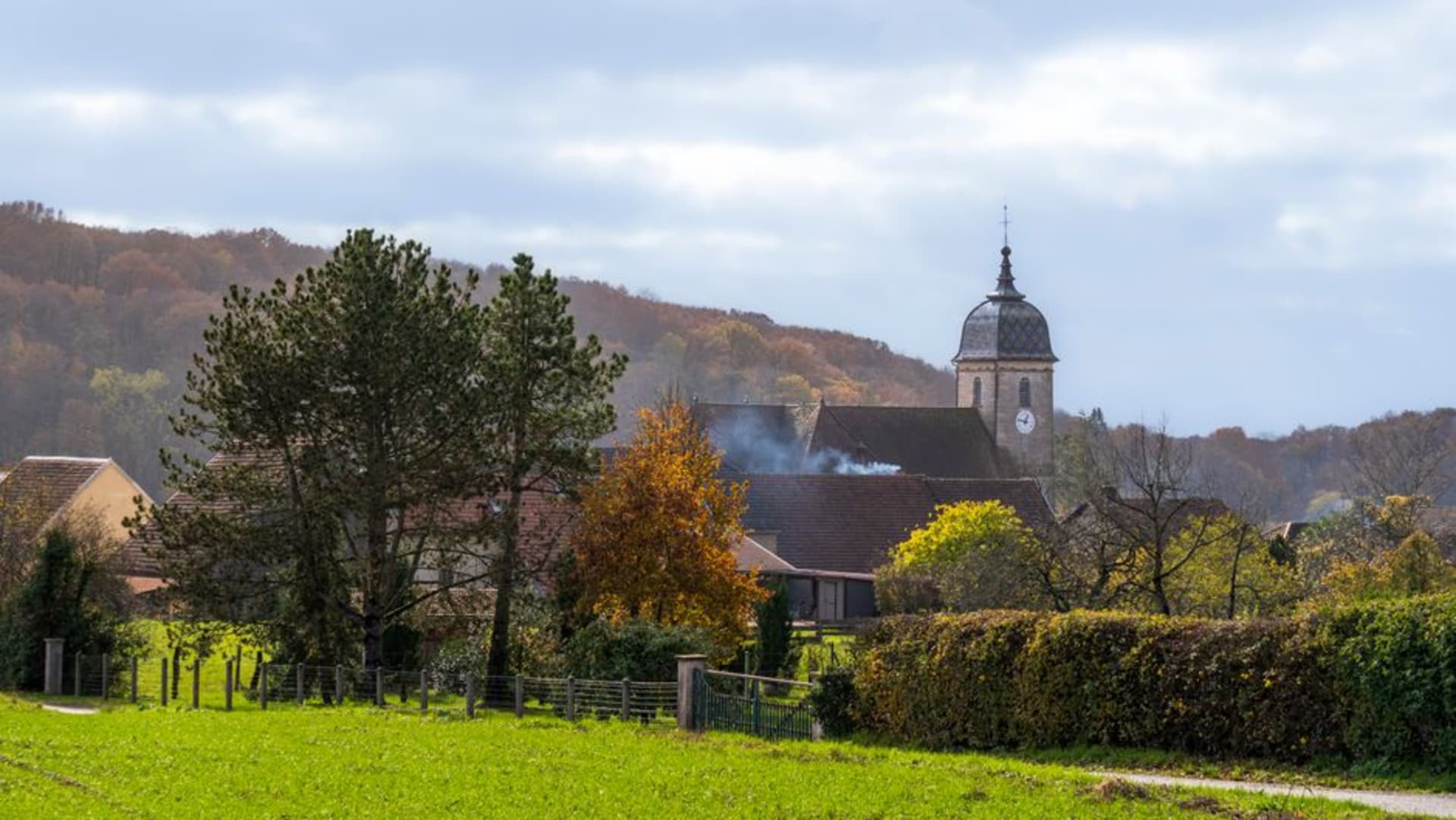
Wissembourg
"We asked a shopkeeper if we were still in France. She said yes, but only just, and laughed like it was a fair question."
The last French town before Germany, where the canal houses lean over the water exactly like Strasbourg's without any of the crowds, and the border feels more like a suggestion than a line.

Wissembourg sits so far north in Alsace that the German border runs almost along its edge, close enough that we’d crossed it twice by lunchtime without quite noticing, once for a walk and once because Lia wanted a particular brand of German mustard. It’s the kind of town that makes the whole concept of a national border feel a little arbitrary — the architecture, the food, the dialect all blur together here in a way that Strasbourg, an hour south and considerably more visited, doesn’t quite manage anymore.
The Lauter, the tanners’ quarter, and a house on stilts
The old tanners’ district, the Quartier des Tanneurs, runs along the Lauter river with half-timbered houses built directly over the water on wooden stilts, their upper floors hung with the same kind of drying-lofts that Strasbourg’s more famous Petite France uses for photographs by the hundred — except here we had the towpath almost to ourselves on a Tuesday morning, just a woman feeding ducks and a cat asleep on a windowsill. The Maison du Sel, a squat half-timbered building with a steeply pitched roof that once stored the town’s salt reserves, anchors one bend of the canal and looks, from certain angles, like it’s about to slide gently into the water it’s stood beside for four centuries.

Saint-Pierre-et-Paul and the cloister that outlasted an empire
The Abbatiale Saints-Pierre-et-Paul is the largest church in Alsace after Strasbourg Cathedral, a mostly thirteenth-century Gothic building grafted onto an eleventh-century Romanesque tower that survived because nobody ever got around to tearing it down to match the rest. We wandered into the adjoining cloister almost by accident, looking for shade, and found a quiet rectangle of arched galleries where a Carolingian abbey had stood since the eighth century, long before Alsace had belonged to France, or Germany, or anyone currently claiming it. Standing there, listening to the bells and a stray burst of German being spoken by tourists on the other side of the wall, it struck me that Wissembourg has simply outlasted every border ever drawn through it, and gone on quietly making mustard and drying laundry over the canal regardless.

When to go: Late spring through early autumn for the canal walks and the cloister garden in bloom; the town’s Whitsun market (the Fête du Maïtrank) in May is worth timing a visit around if you want to try the local woodruff-spiced wine that barely travels beyond this corner of Alsace.
Keep exploring
More of Alsace
Keep exploring
More from Alsace
 france
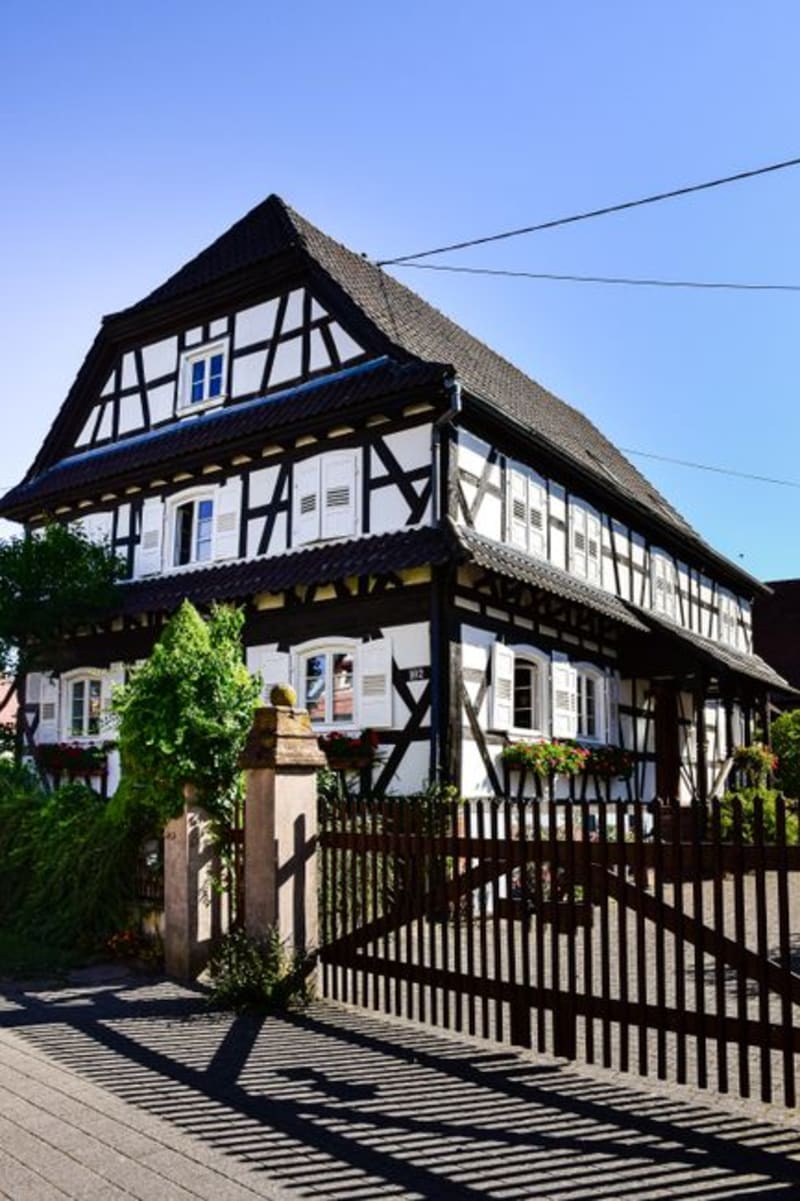
 Hunspach
A village so uniformly whitewashed and half-timbered it's been officially voted one of the most beautiful in France, tucked into a corner of Alsace most of my French friends have never heard of.
Explore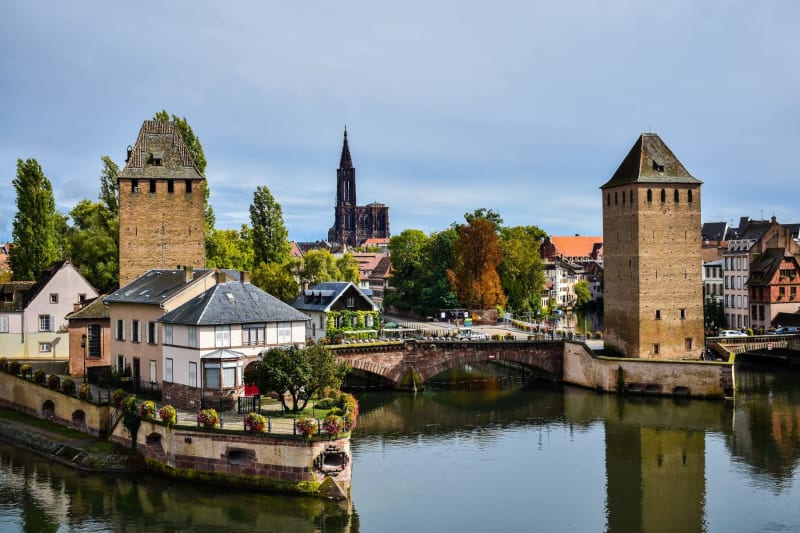 france
 Strasbourg
The capital of Alsace straddles France and Germany culturally, its pink sandstone cathedral towering over canals and the world's oldest Christmas market.
Explore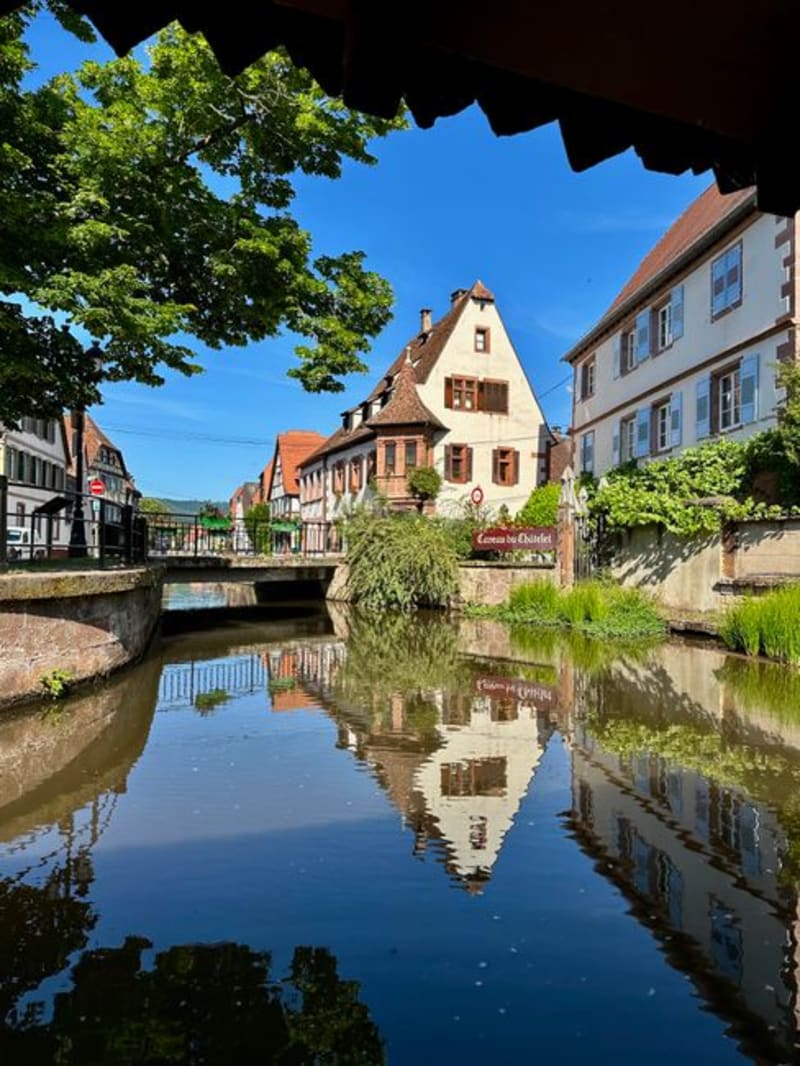 france
 Saverne
The town where the Vosges finally give way to a proper gap, guarded by a pink sandstone château the Rohan cardinals built to remind everyone exactly how rich they were.
Explore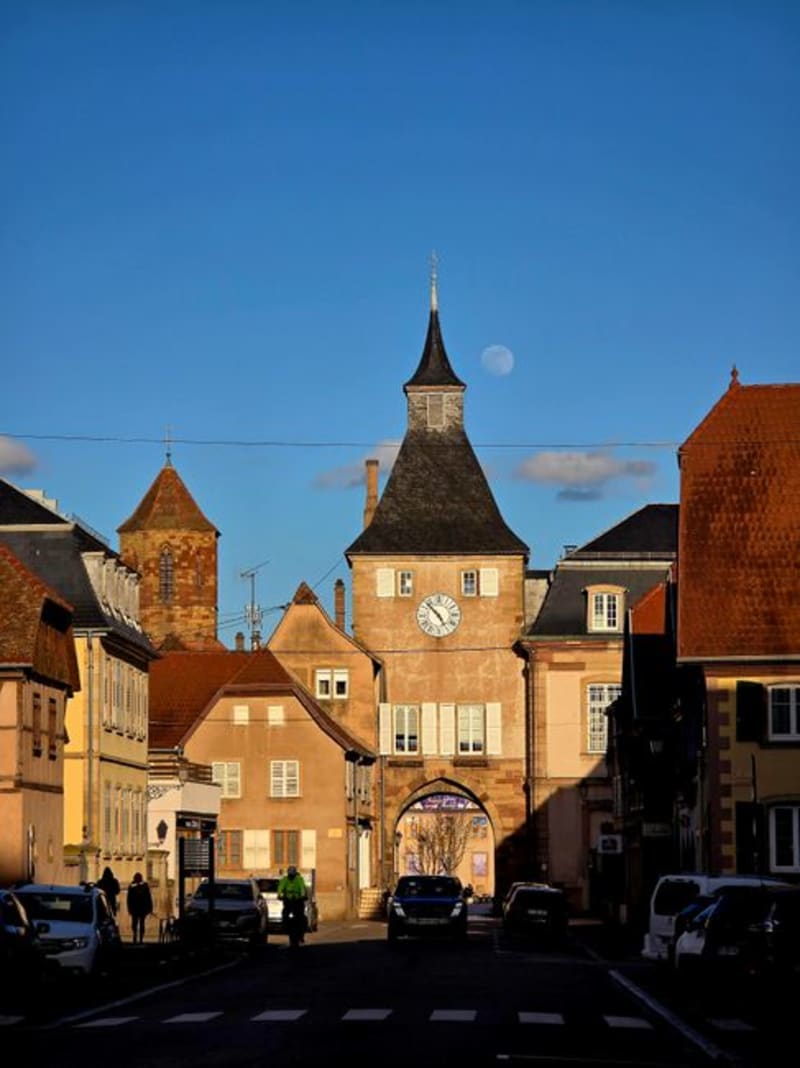 france
 Obernai
A market town at the foot of Mont Sainte-Odile that Lia picked almost at random off a map, and which turned out to be one of the least touristy stops on the whole Alsace wine road.
Explore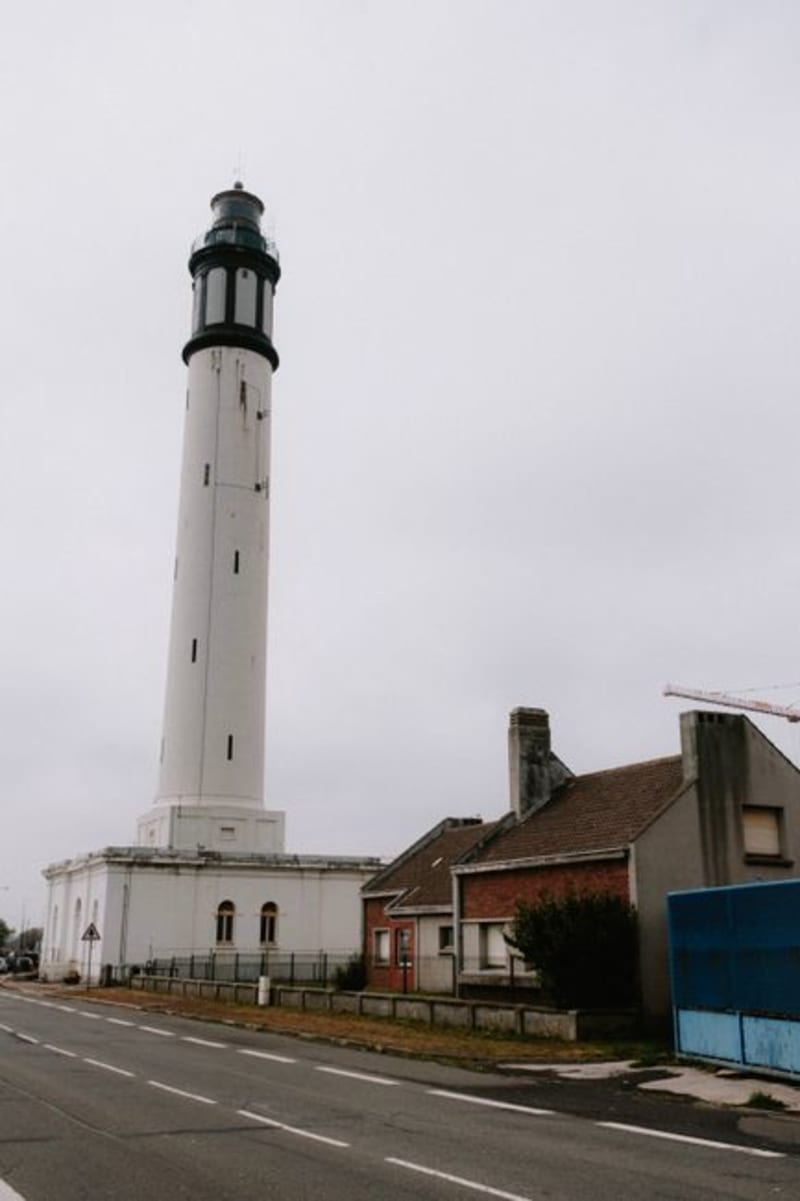 france
 Andlau
A wine-route village built around an abbey with a carved stone bear on its facade, and two ruined castles in the hills above it that Lia made me hike up to in the rain.
Explore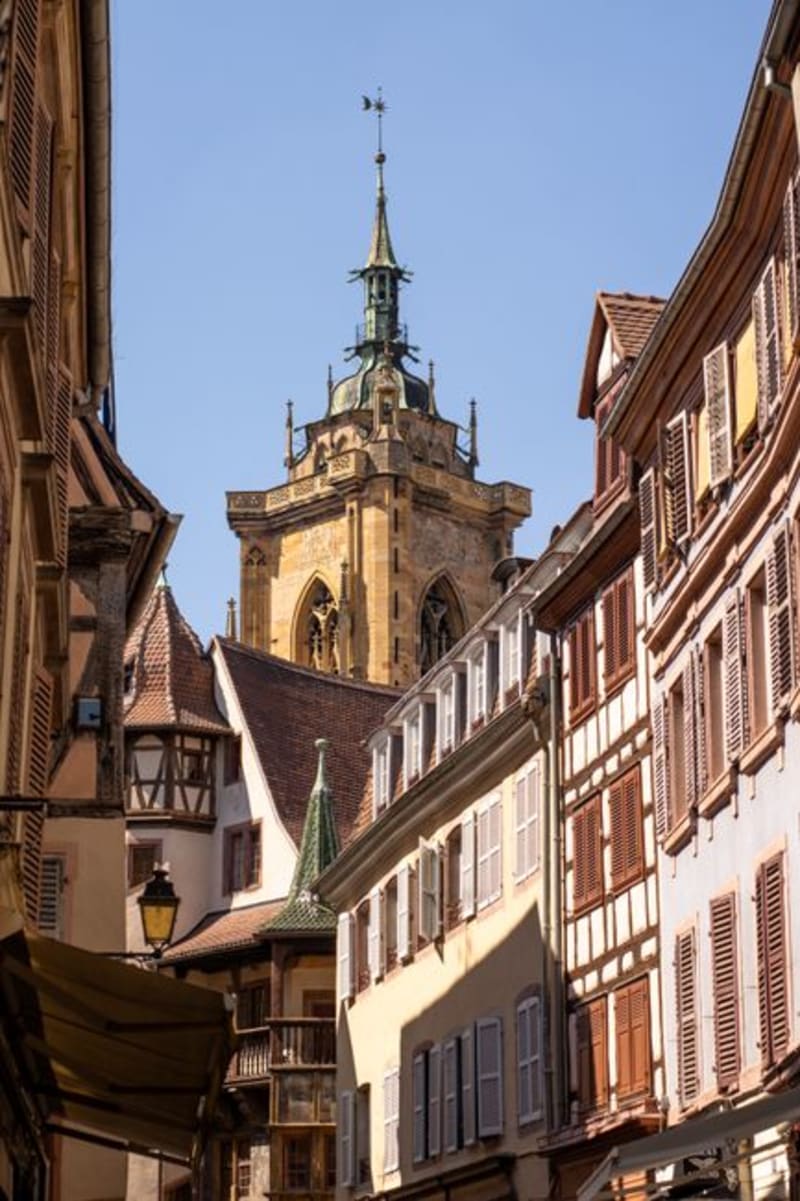 france
 Sélestat
A modest Alsace town between Colmar and Strasbourg holding one of the world's great Renaissance libraries and, less grandly, the first recorded Christmas tree.
Explore