Turckheim
"We followed a man with a lantern and a halberd through the streets and I've thought about it ever since."
A tiny walled wine town outside Colmar that still sends a night watchman through its streets every summer evening carrying a lantern and a halberd, exactly as it has for centuries.

We almost didn’t stop in Turckheim — it’s small enough to see from the Colmar ring road, easy to dismiss as a minor extension of somewhere bigger — but a waiter in Colmar told us, almost as an aside, to come back at ten on a summer evening and follow the man with the lantern. That turned out to be one of the better pieces of advice we got in Alsace.
The night watchman who never stopped walking
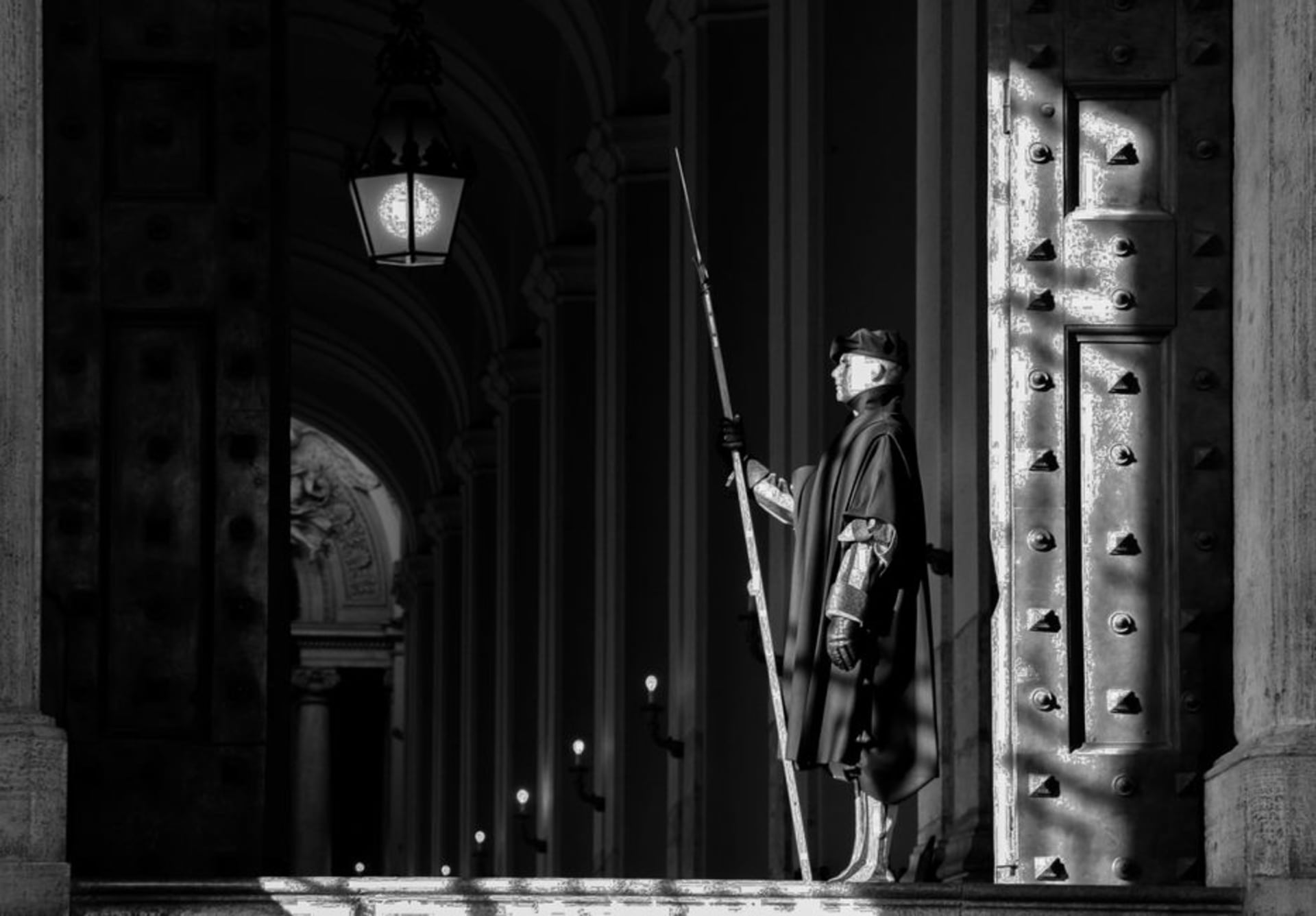
From May to October, at ten each evening, a man dressed as a seventeenth-century night watchman — dark cloak, wide-brimmed hat, lantern in one hand and a halberd in the other — walks the streets of Turckheim’s old town singing the traditional watchman’s song, a duty that has continued here in some form since the town employed real watchmen to guard against fire and thieves centuries ago. We joined the small crowd that gathers each night to follow him, maybe thirty people, mostly locals with their kids, through the narrow lanes as he stopped at intersections to sing a verse and remind everyone, in old High German dialect, that all was well. It’s unmistakably a tourist draw now, but it didn’t feel staged — more like a town that simply never got around to stopping a tradition that still made sense to keep.
Three gates and a town that never sprawled
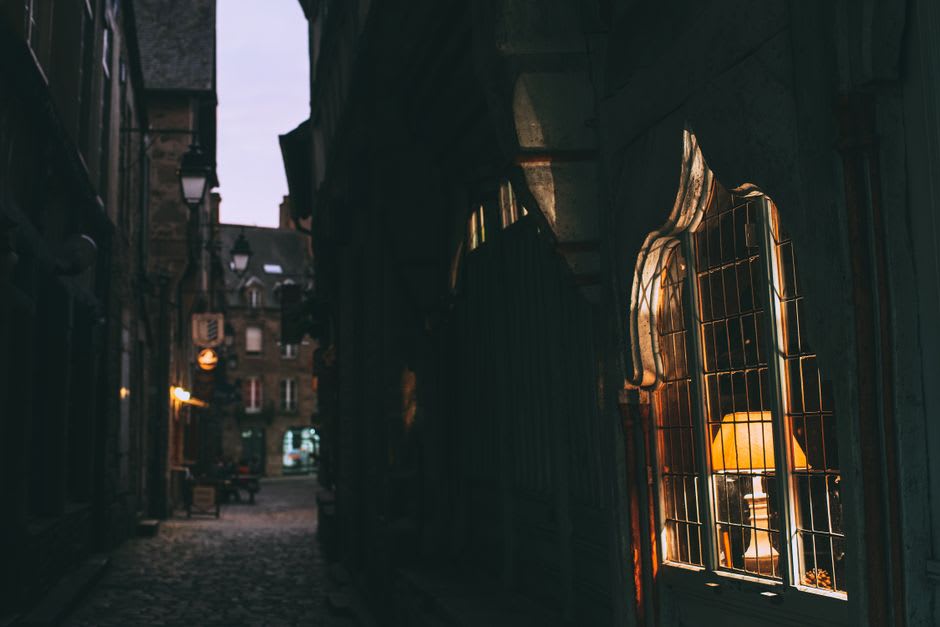
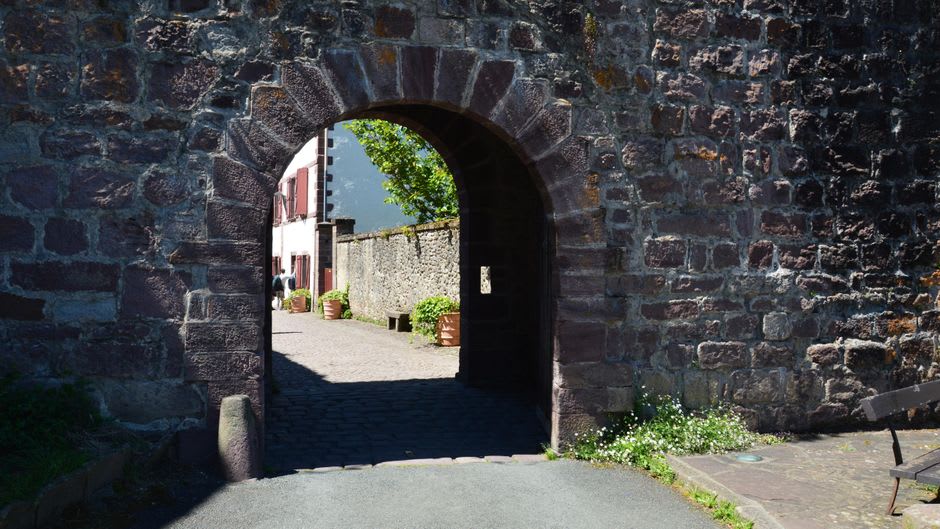
Turckheim’s old town is still enclosed almost entirely by its original fourteenth-century walls, entered through three surviving gates — the Porte de France, Porte de Munster, and Porte du Brand — and because it never expanded much beyond them, the whole place is walkable in about fifteen minutes end to end. We spent an afternoon doing exactly that slowly, stopping at the Corps de Garde, the old guardhouse on the main square with a Renaissance oriel window, and at a small cave a few doors down where the owner poured us a Turckheim Brand Grand Cru, from the steep granite vineyard directly above town, that was sharper and more mineral than anything we’d tasted further north on the wine road.
When to go: Any evening between May and October, timed for the ten o’clock night watchman round — it’s free, unannounced beyond a small sign, and one of the more genuinely charming things we did in Alsace.
Keep exploring
More of Alsace
Keep exploring
More from Alsace
 france
 Eguisheim
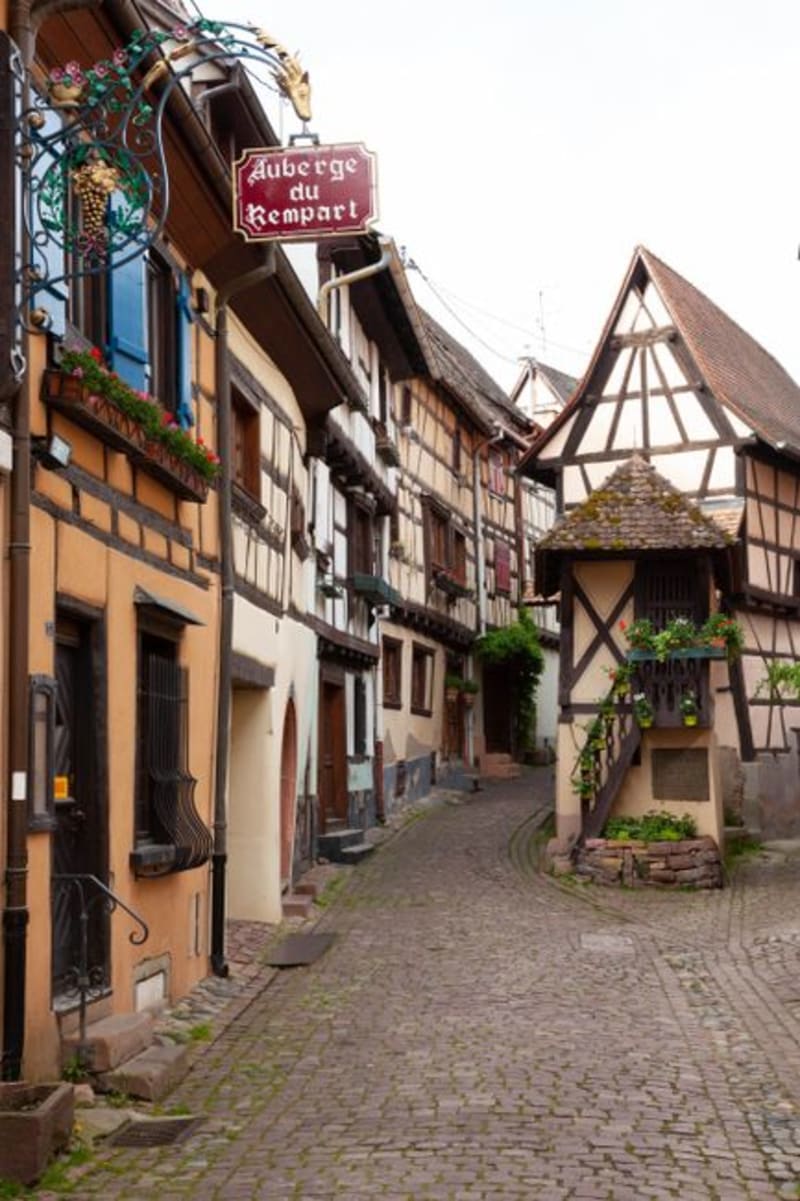
A concentric circle of a village outside Colmar, all timber and geraniums, that I go back to every autumn even though everyone says it's a tourist trap.
Explore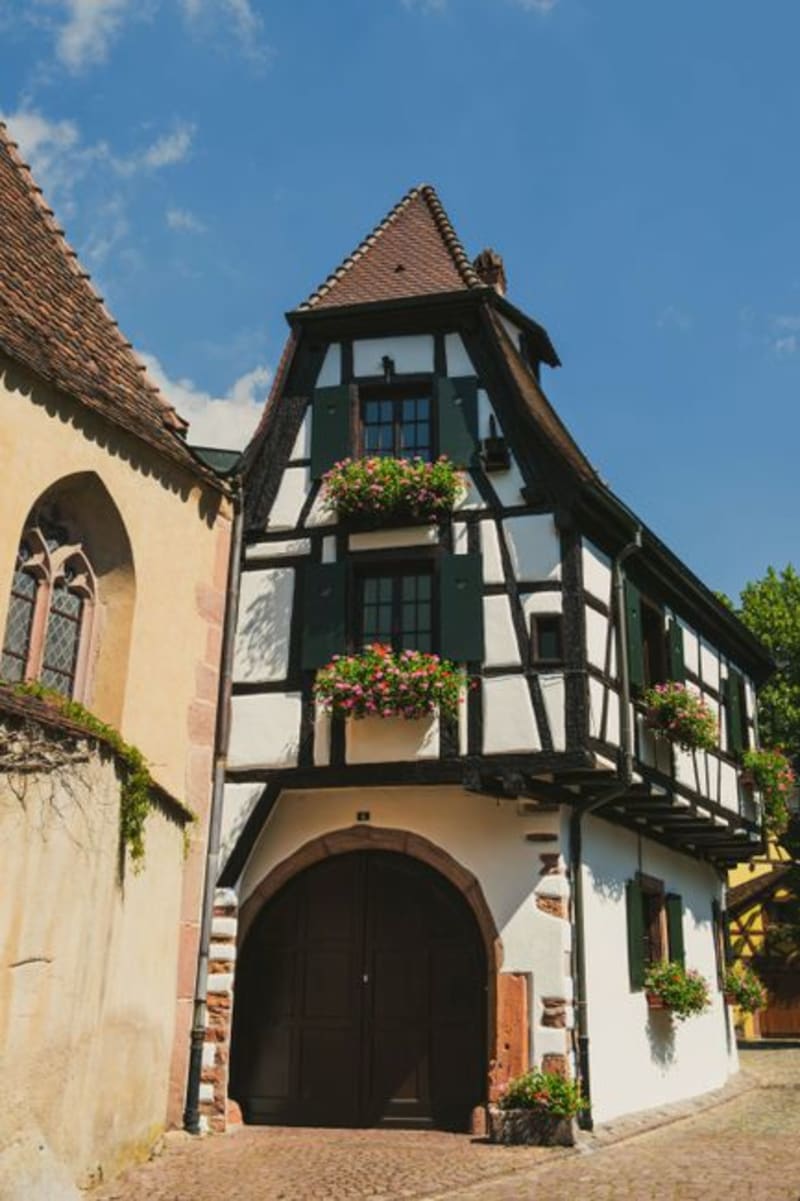 france
 Kaysersberg
A fortified valley town below a ruined imperial castle, birthplace of Albert Schweitzer, where a fortified bridge and a river running through the middle of the old town made me linger longer than planned.
Explore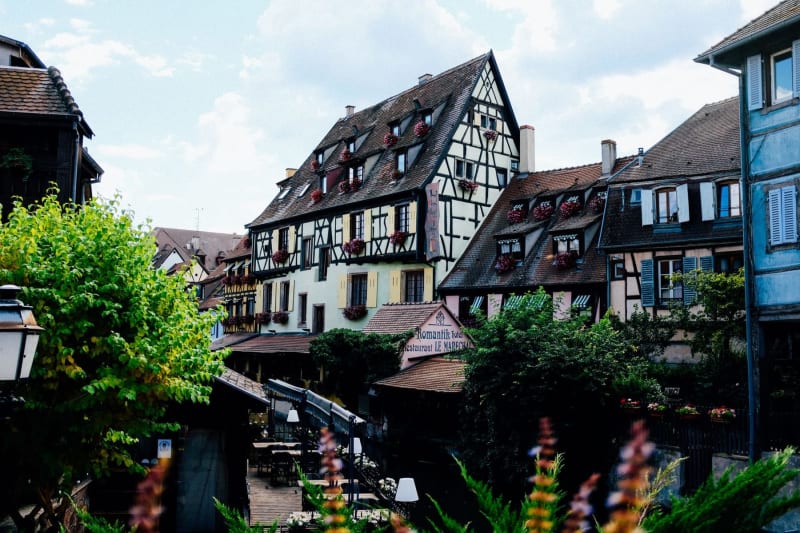 france
 Colmar
The most intact medieval wine town in Alsace — pastel half-timbered houses lean over flower-filled canals in a Little Venice that outcharms Venice.
Explore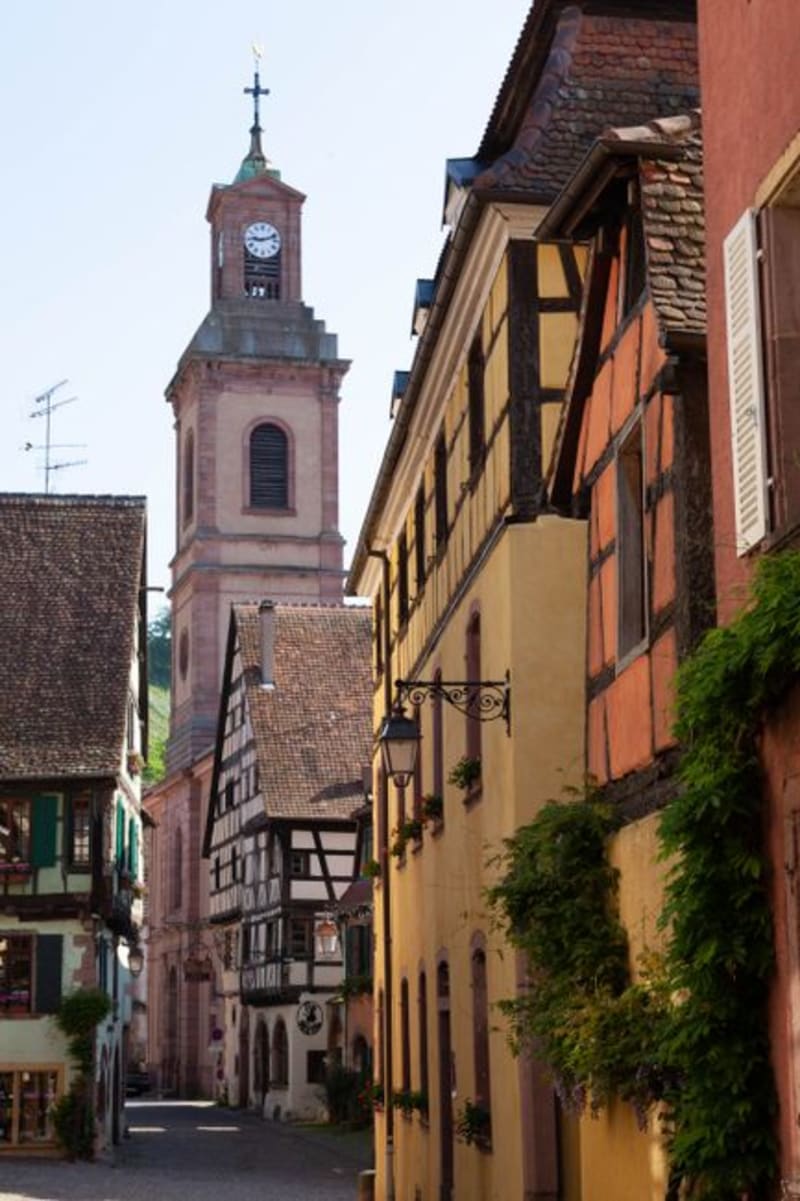 france
 Riquewihr
A walled wine town on the Alsace route des vins so intact it feels frozen in the sixteenth century, ringed by vineyards that climb straight up into the Vosges.
Explore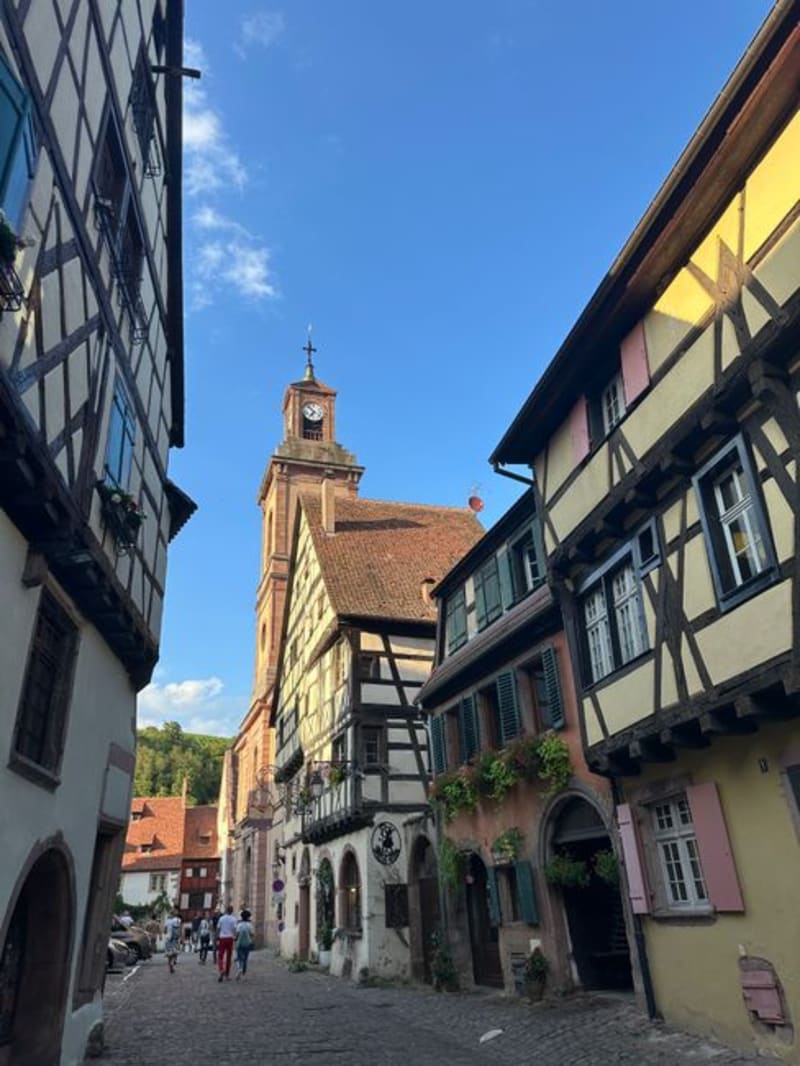 france
 Ribeauvillé
A wine town below three ruined castles on a single ridge, home to a stork colony and a pretzel festival I stumbled into completely by accident.
Explore france
 Rouffach
The town on the Alsace wine road where I finally understood the geography of the region, because you can stand in one spot and see the Vosges, the vineyards, and the Rhine plain all fall into place.
Explore