Munster
"I've brought Munster cheese back to Mexico twice. Both times it got quarantined to its own shelf in the fridge."
The valley town that lent its name to the cheese my Mexican friends politely refuse to smell, and the quiet start of one of the best drives in the Vosges.

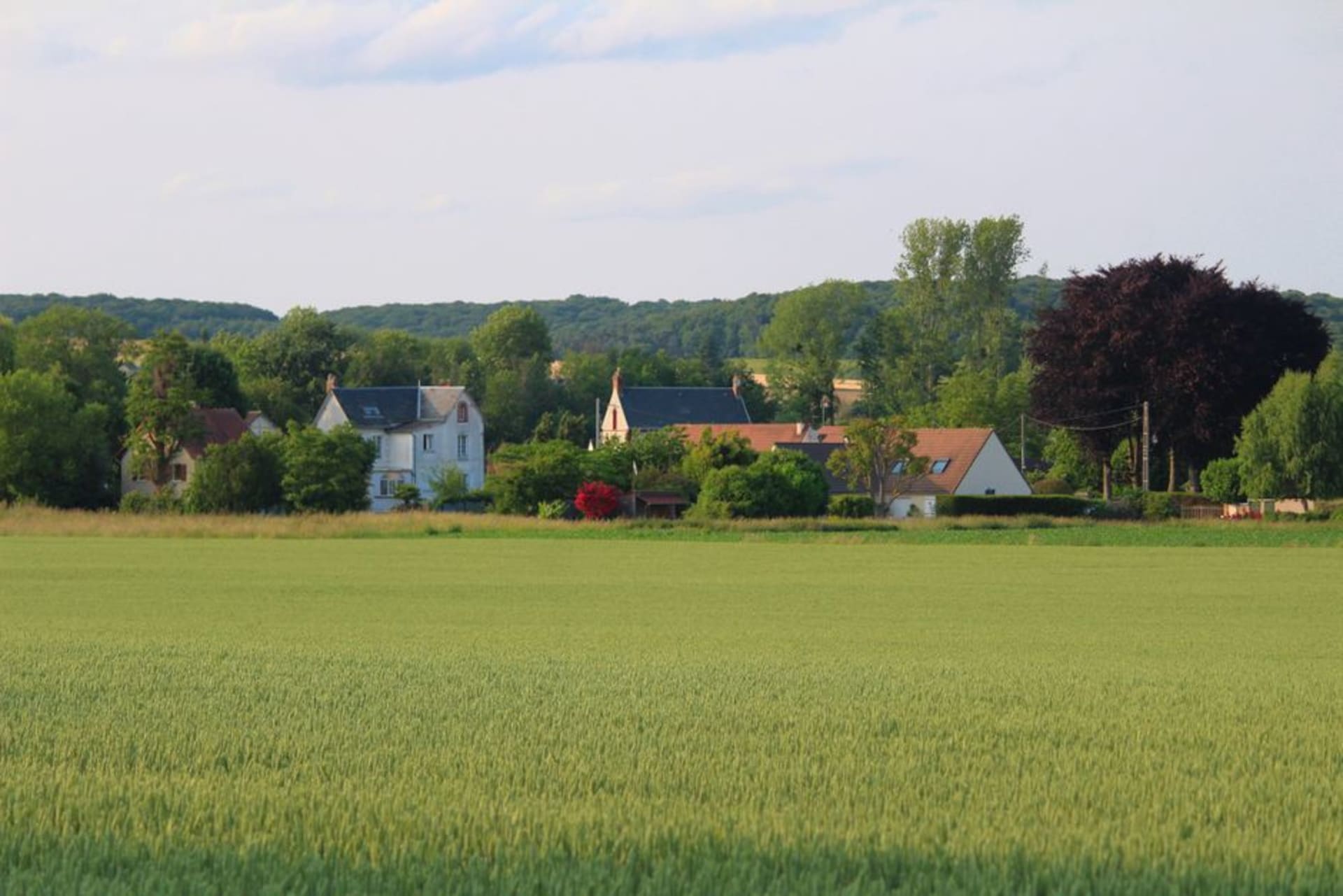
I’ve spent enough dinner parties in Mexico defending Munster cheese’s honour that visiting the actual valley felt almost like a pilgrimage. The town sits at the head of a broad green valley in the Vosges, ringed by dairy pastures that climb into fir forest, and it was founded by Benedictine monks in the seventh century — the name itself just means “monastery” — who are usually credited with developing the cheese as a way of preserving surplus milk through the harsh winters up here.
The farms, the smell, and finally understanding it
We stopped at a ferme-auberge partway up the valley, one of the working farm-restaurants that still make and age Munster on site, and the farmer let us into the cellar where wheels of it sat turning on wooden shelves, each one washed regularly in brine to develop that famously assertive orange rind and smell that has scared off more than one house guest of mine back home. Eating it fresh there, still slightly warm from the cellar, with boiled potatoes and cumin the way it’s traditionally served, was nothing like the sharp, over-ripe version that occasionally turns up abroad — it was creamy and grassy and made complete sense of the pastures we’d just driven through. Lia, who had sworn off Munster after one bad supermarket experience years ago, quietly went back for a second slice.

Climbing onto the Route des Crêtes
Munster’s other role is as the natural starting point for the Route des Crêtes, the ridge road built during the First World War to move troops and supplies along the Vosges front line without exposing them to German artillery from the Alsace plain below. We picked it up just above town and climbed switchback after switchback until the dairy pastures gave way to open ridge, wind turbines turning slowly in the distance and, on the clearer stretches, a view all the way to the Rhine valley and the hazy line of the Black Forest beyond it. We stopped at the Col de la Schlucht to walk a short stretch on foot, past old military installations half-reclaimed by grass, before dropping back down into the valley as evening light flattened the pastures into long gold stripes.

When to go: June through September, once the high road is reliably clear of snow and the farm-auberges are running full service; early autumn brings the best light for the ridge views and the valley’s transhumance festival, when herds are walked down from the summer pastures.
Keep exploring
More of Alsace
Keep exploring
More from Alsace
 france
 Sarrebourg
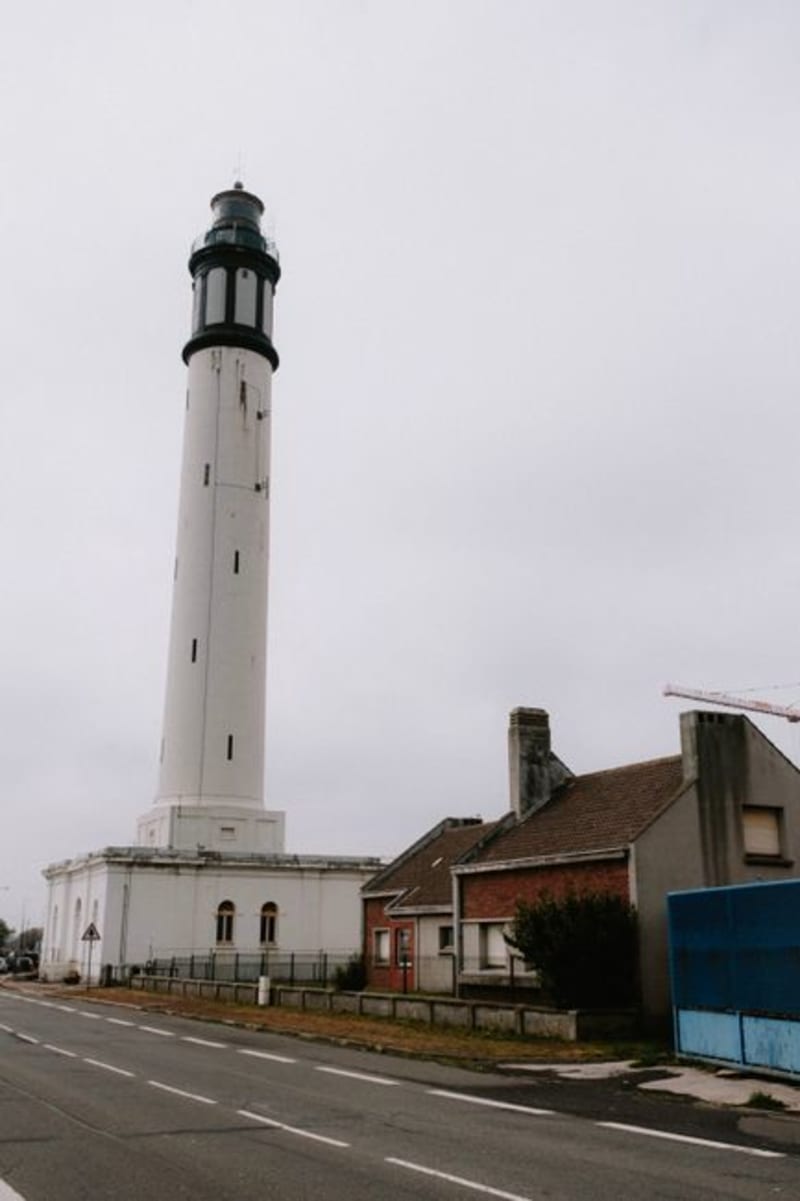
A modest Lorraine crossroads town that happens to hold one of Chagall's largest stained-glass windows in a converted medieval chapel, which is reason enough to stop between Nancy and Strasbourg.
Explore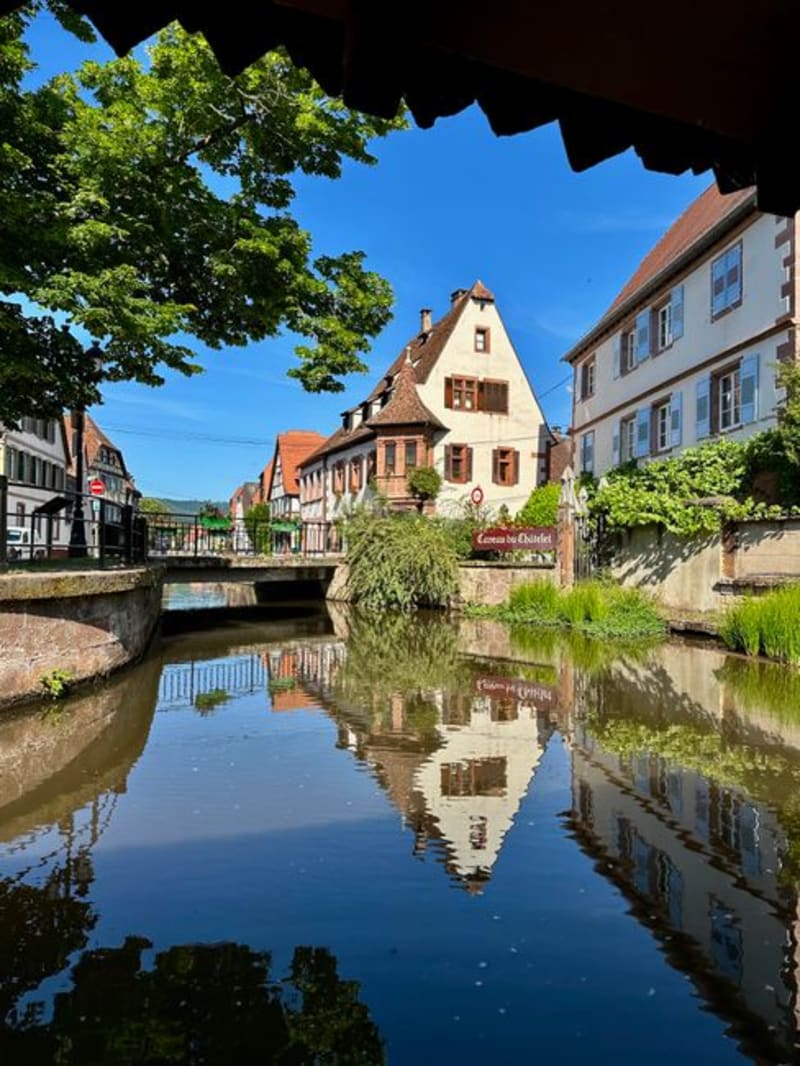 france
 Saverne
The town where the Vosges finally give way to a proper gap, guarded by a pink sandstone château the Rohan cardinals built to remind everyone exactly how rich they were.
Explore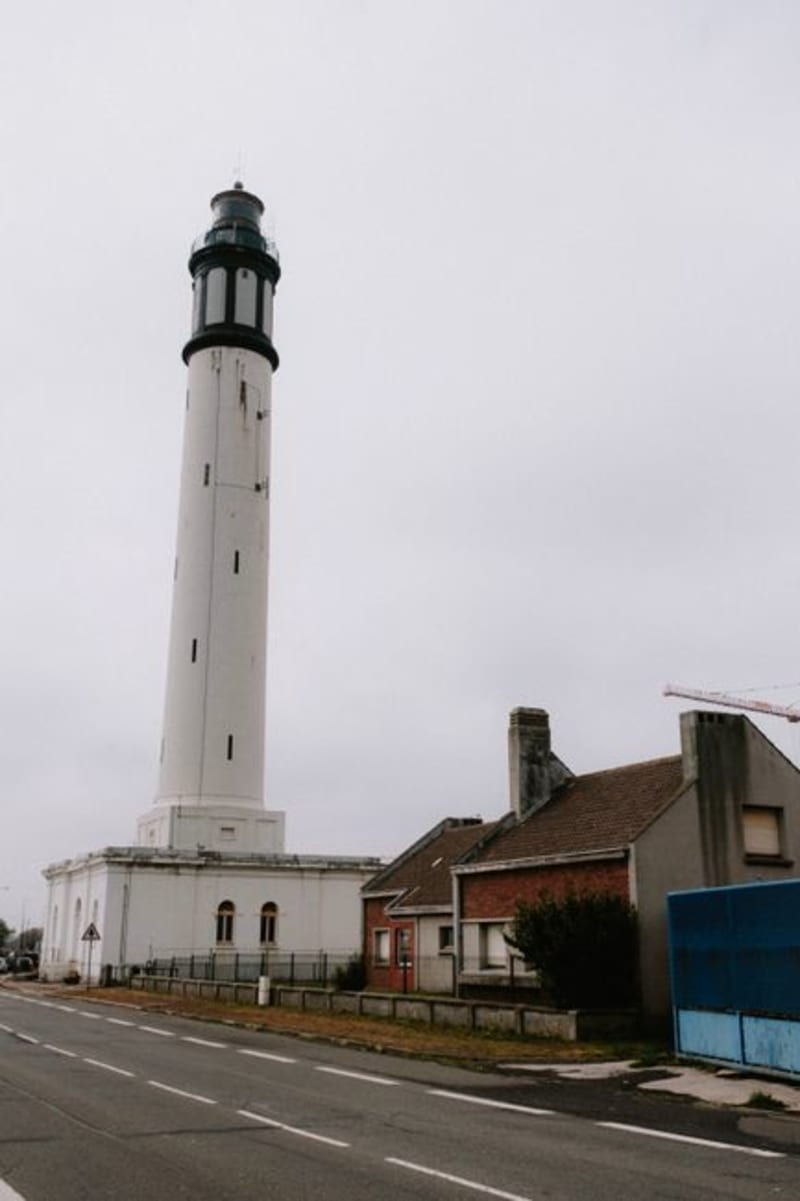 france
 Lunéville
Lorraine's own Versailles, rebuilt almost stone by stone after a 2003 fire, in a town that's been quietly making some of France's finest porcelain for three hundred years.
Explore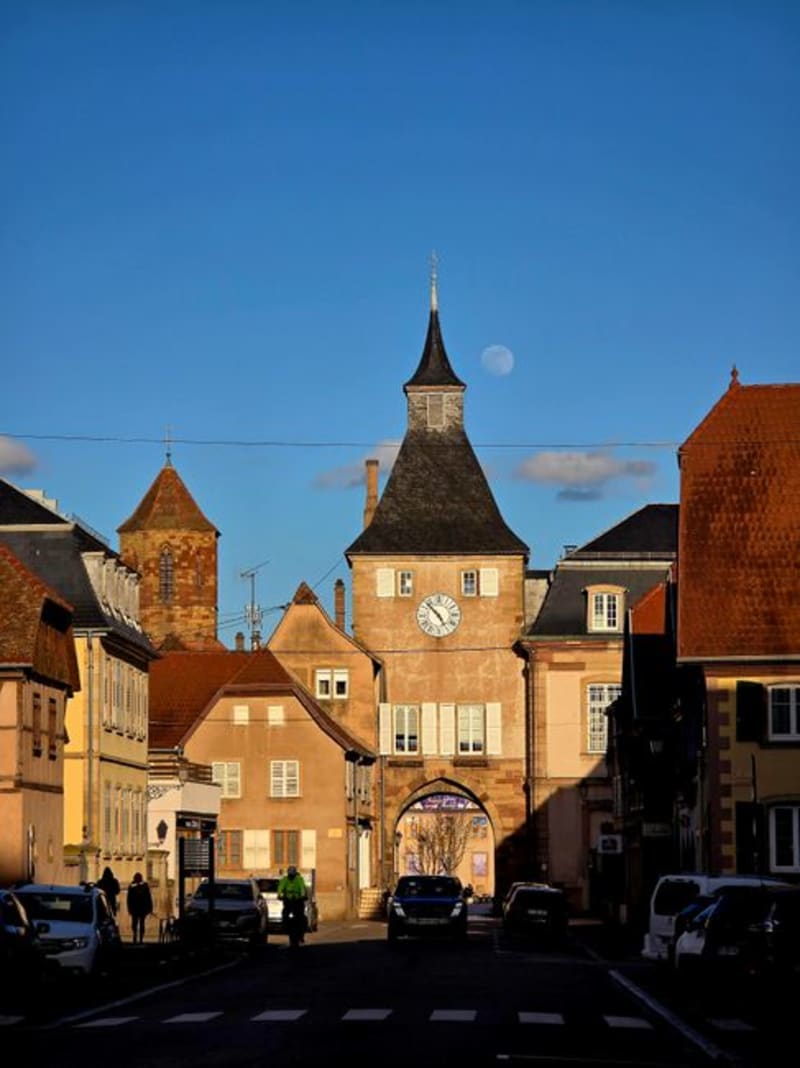 france
 Obernai
A market town at the foot of Mont Sainte-Odile that Lia picked almost at random off a map, and which turned out to be one of the least touristy stops on the whole Alsace wine road.
Explore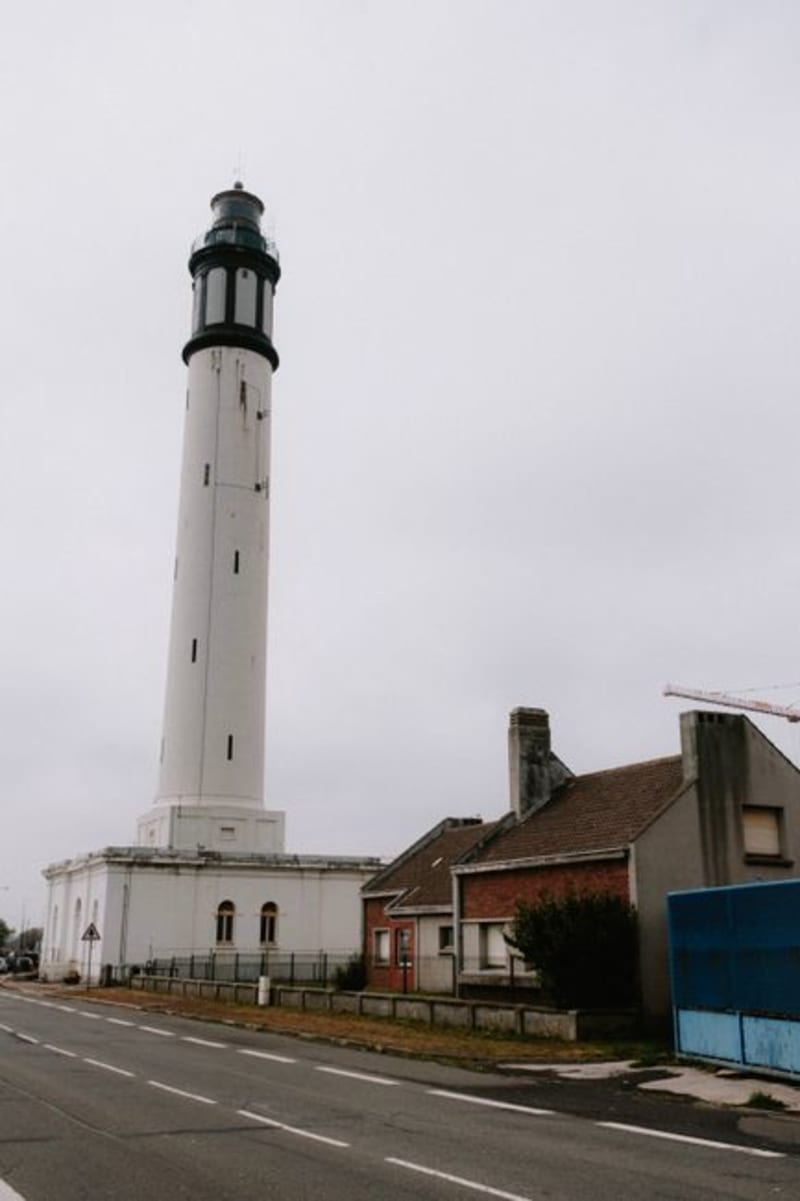 france
 Andlau
A wine-route village built around an abbey with a carved stone bear on its facade, and two ruined castles in the hills above it that Lia made me hike up to in the rain.
Explore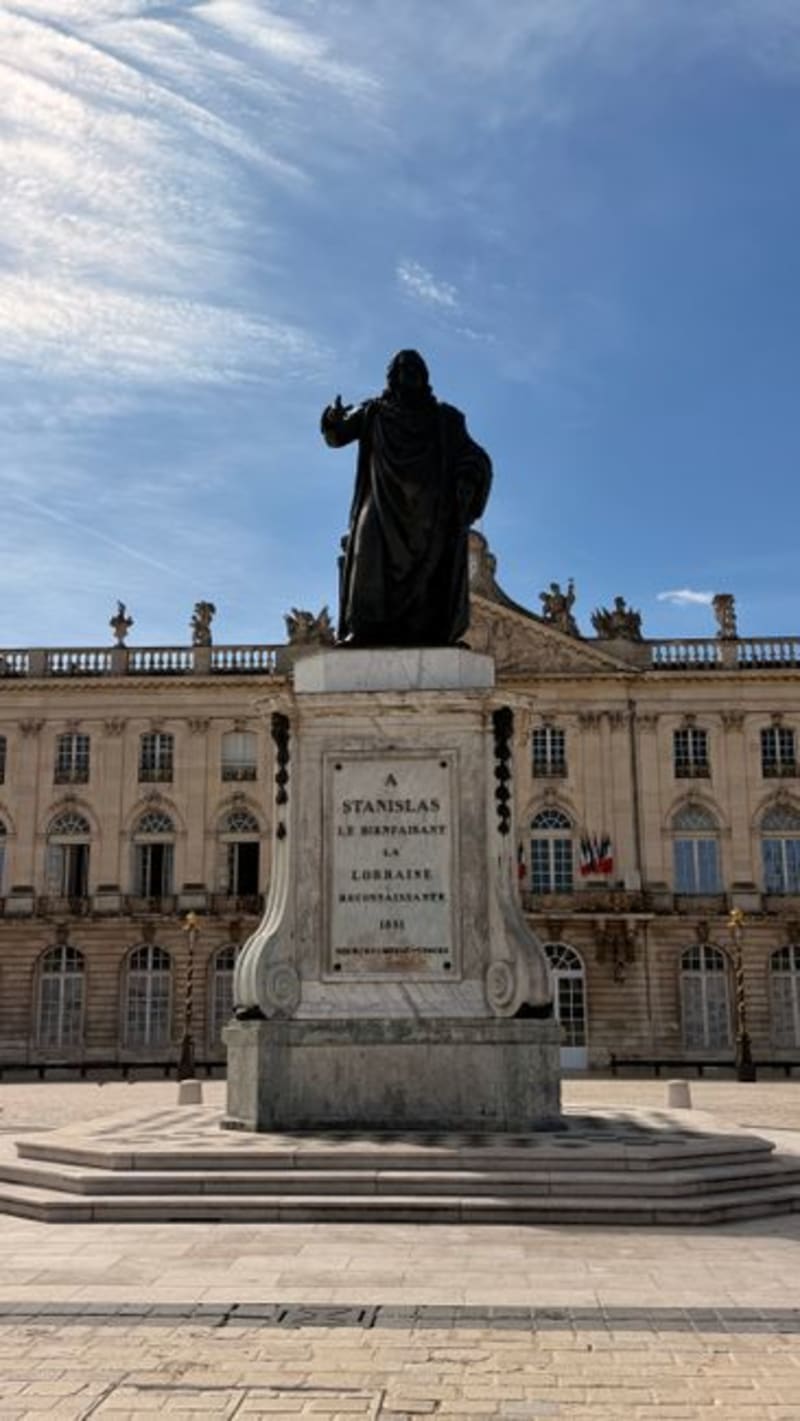 france
 Nancy
A former ducal capital in Lorraine centred on one of the most beautiful squares in Europe, and the unlikely birthplace of the Art Nouveau movement that shaped how I now look at glass.
Explore