Épinal
"Every French kid knows the phrase 'image d'Épinal' without knowing there's an actual Épinal. I finally went to check."
The Vosges town that gave the French language the phrase 'image d'Épinal', and where I finally understood where half the visual clichés of my own childhood actually came from.

There’s a French expression, “une image d’Épinal,” that gets used to describe an idealised, oversimplified picture of something — a postcard version of reality. I’d used the phrase my whole life without ever connecting it to a real town on the Moselle in the Vosges foothills, which felt like exactly the kind of gap in my own culture I wanted to close before I got too settled abroad to bother. Lia found this endlessly funny, a Frenchman driving three hours to investigate an idiom.
The Imagerie and the printing presses that shaped a nation’s imagination
The Imagerie d’Épinal has been producing its distinctive popular prints since 1796, when Jean-Charles Pellerin started turning out cheap, brightly coloured woodblock images for a public that had almost no other access to visual entertainment — religious scenes, military heroics, fairy tales, satirical almanacs, all rendered in the same bold outlines and flat primary colours that eventually gave the phrase its meaning. We took the guided workshop tour and watched a printer run an actual antique press, inking a carved wooden block by hand and pulling a sheet through by lever, the same physical motion that produced millions of these images for French households for over a century before photography and cinema took over that role. Standing in the print room, surrounded by drying sheets of soldiers and saints in the same four colours, it was easy to see how deeply this small factory had shaped an entire nation’s visual shorthand for sentiment and nostalgia, mine included.

The Moselle, the islands, and a basilica holding its ground
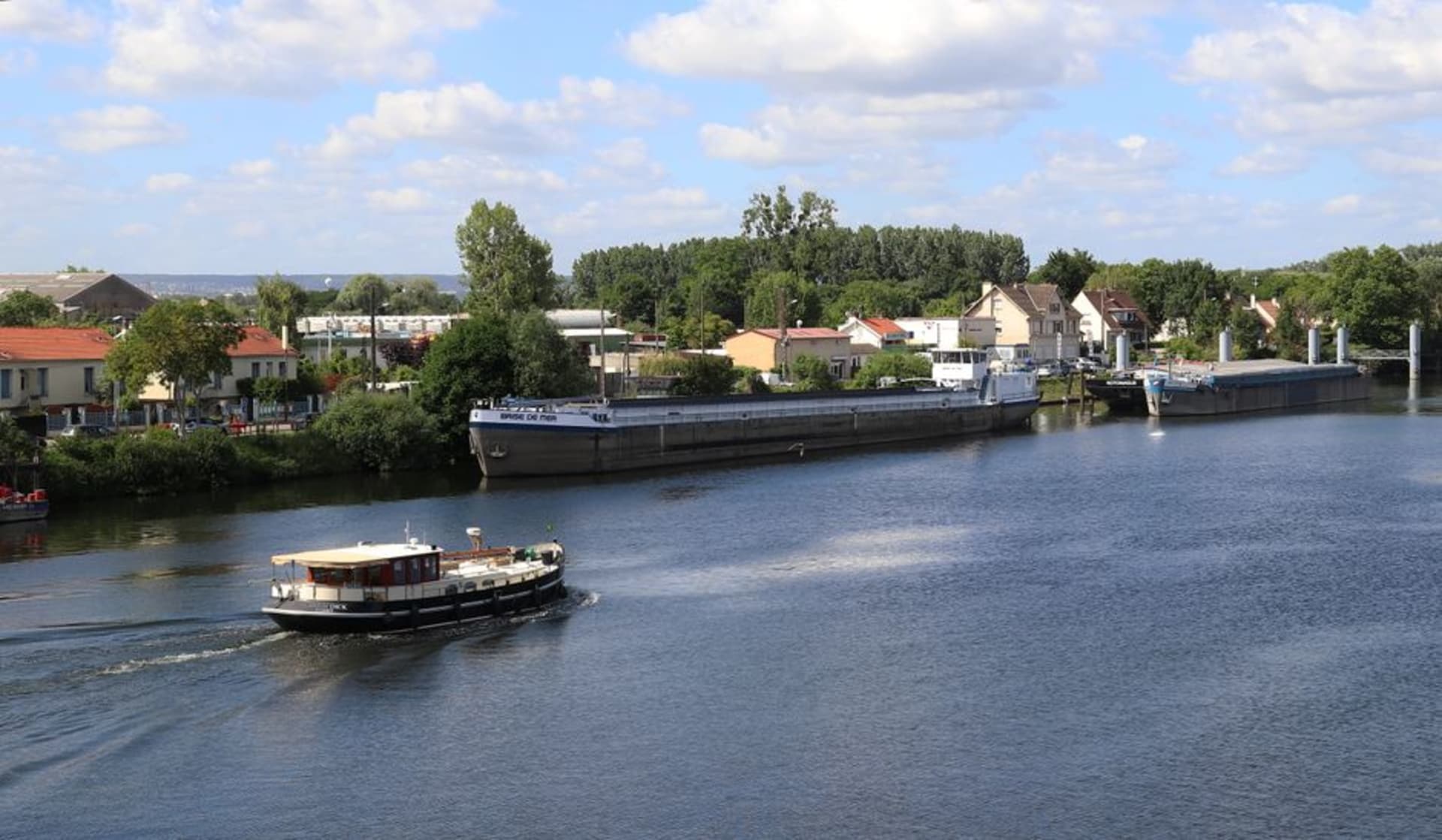
Épinal sits split across several islands in the Moselle, connected by a scatter of bridges that make an evening walk feel almost aimless in a pleasant way, river on both sides and swans working the current beneath you. The Basilique Saint-Maurice anchors the old town with a facade that mixes Romanesque, Gothic, and later additions from centuries of patching and rebuilding, its squat tower a landmark from almost anywhere in the centre. We climbed up to the ruined château overlooking the town at dusk, where almost nothing remains but the outline of the fortifications and a view over the rooftops and the river bending around them, and I thought about how a phrase I’d grown up saying without thinking had a physical home this whole time, quietly making prints on the Moselle while I used its name for something else entirely.

When to go: Spring and early autumn are best for walking the riverside islands and the château grounds without summer crowds; check the Imagerie’s workshop schedule ahead, since the live printing demonstrations don’t run every day.
Keep exploring
More of Alsace
Keep exploring
More from Alsace
 france
 Lunéville
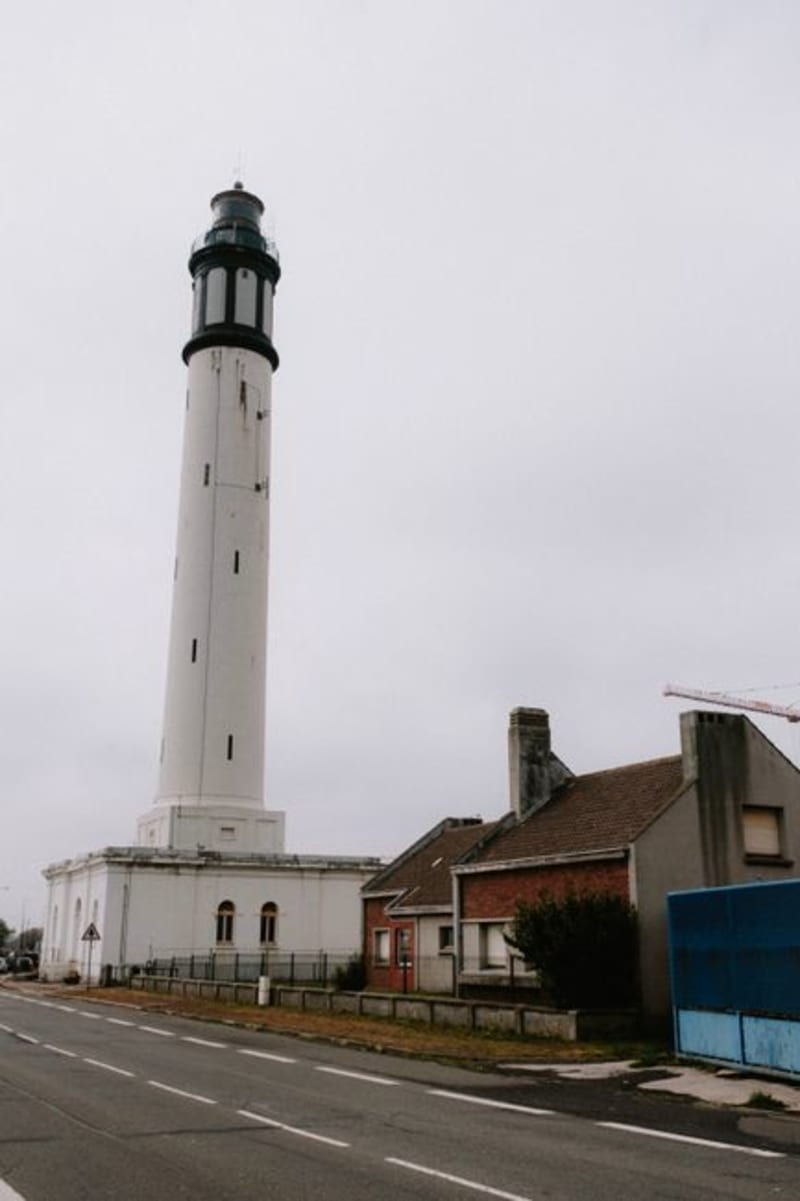
Lorraine's own Versailles, rebuilt almost stone by stone after a 2003 fire, in a town that's been quietly making some of France's finest porcelain for three hundred years.
Explore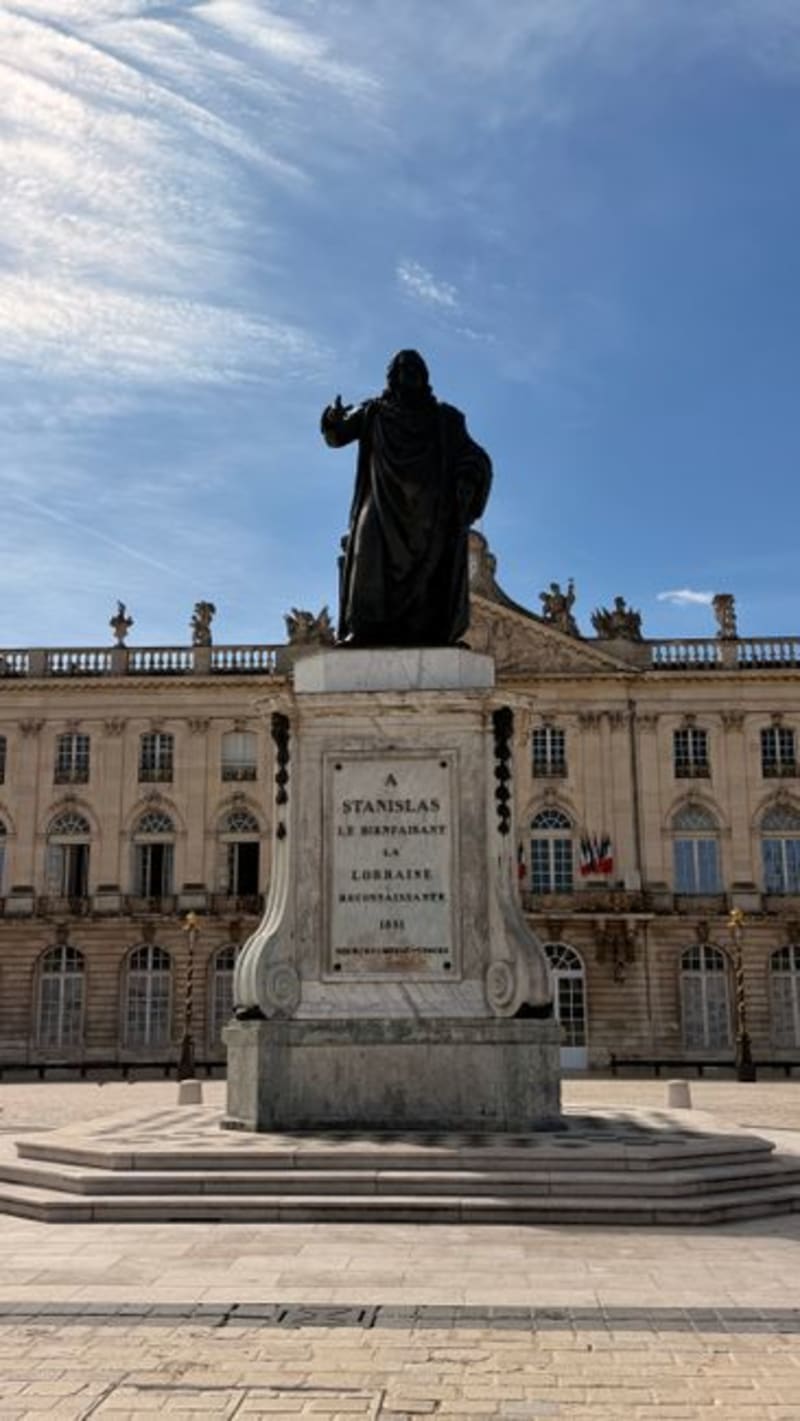 france
 Nancy
A former ducal capital in Lorraine centred on one of the most beautiful squares in Europe, and the unlikely birthplace of the Art Nouveau movement that shaped how I now look at glass.
Explore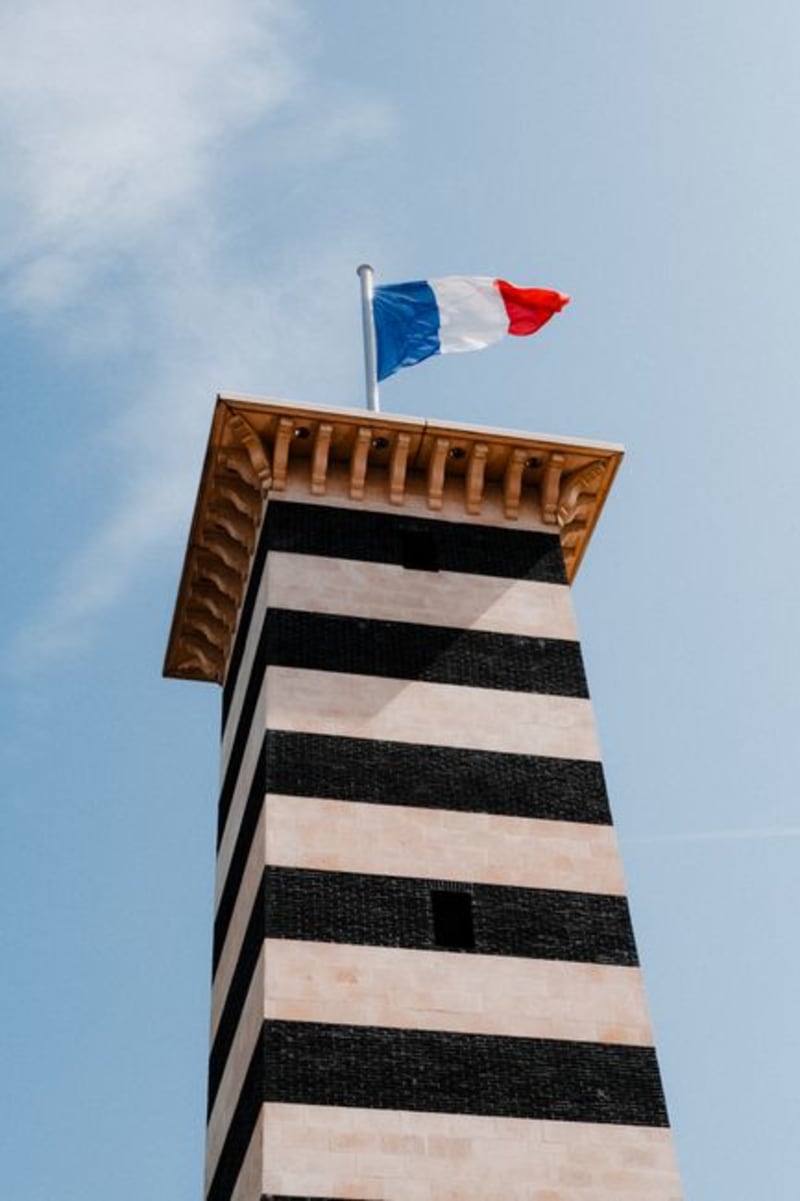 france
 Thann
The southern gateway to the Alsace wine road, where a single flamboyant Gothic spire and one of the steepest, strangest vineyards in France quietly outdo half the more famous villages to the north.
Explore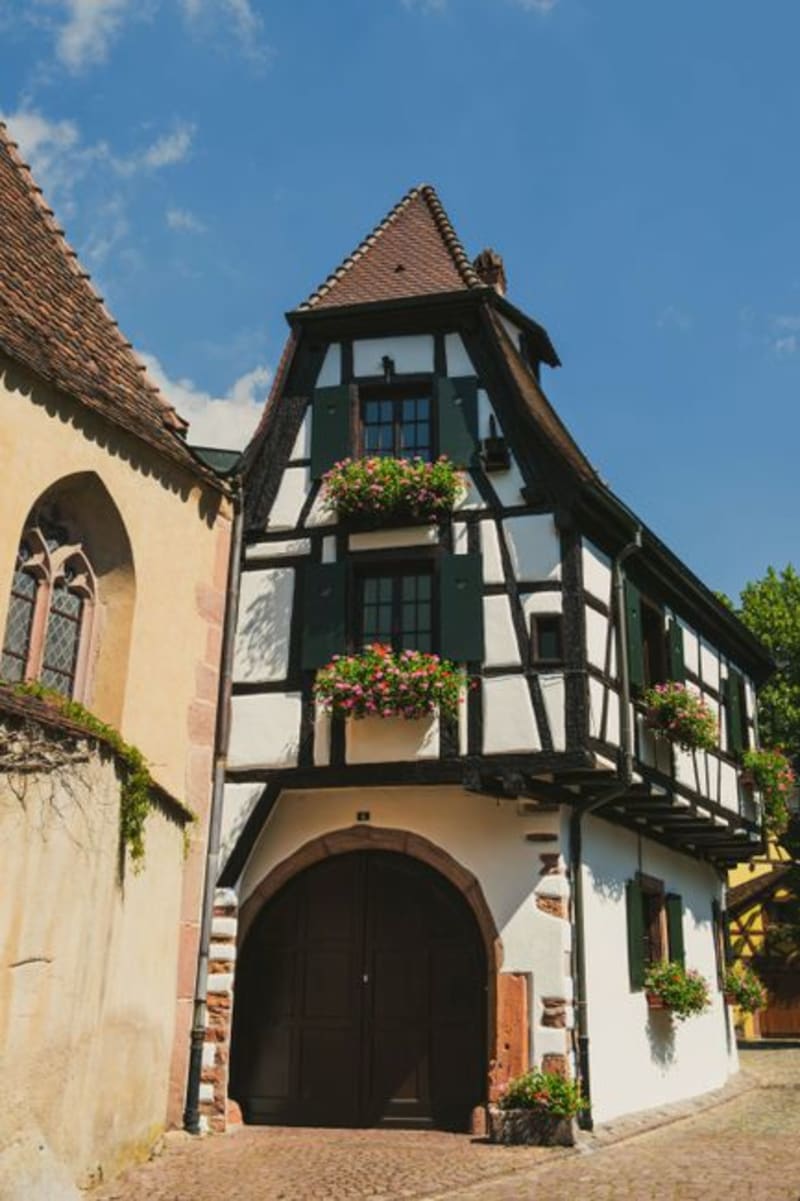 france
 Kaysersberg
A fortified valley town below a ruined imperial castle, birthplace of Albert Schweitzer, where a fortified bridge and a river running through the middle of the old town made me linger longer than planned.
Explore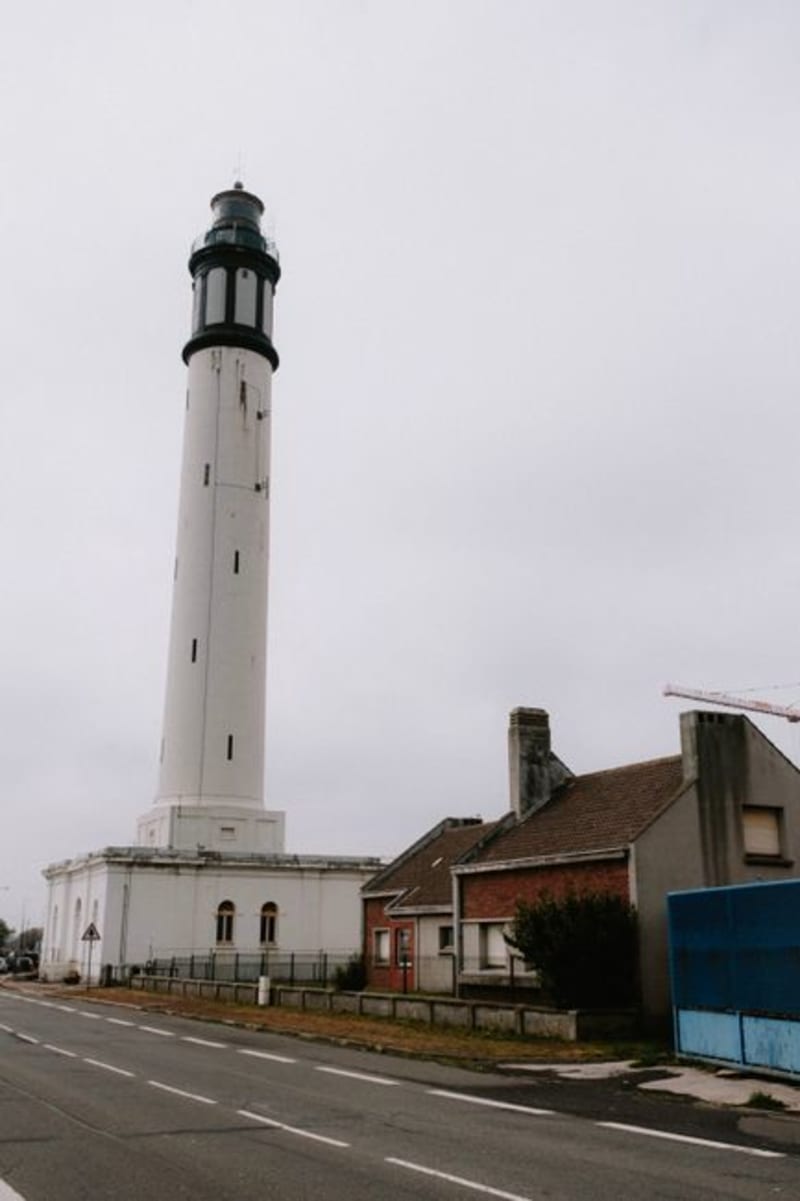 france
 Sarrebourg
A modest Lorraine crossroads town that happens to hold one of Chagall's largest stained-glass windows in a converted medieval chapel, which is reason enough to stop between Nancy and Strasbourg.
Explore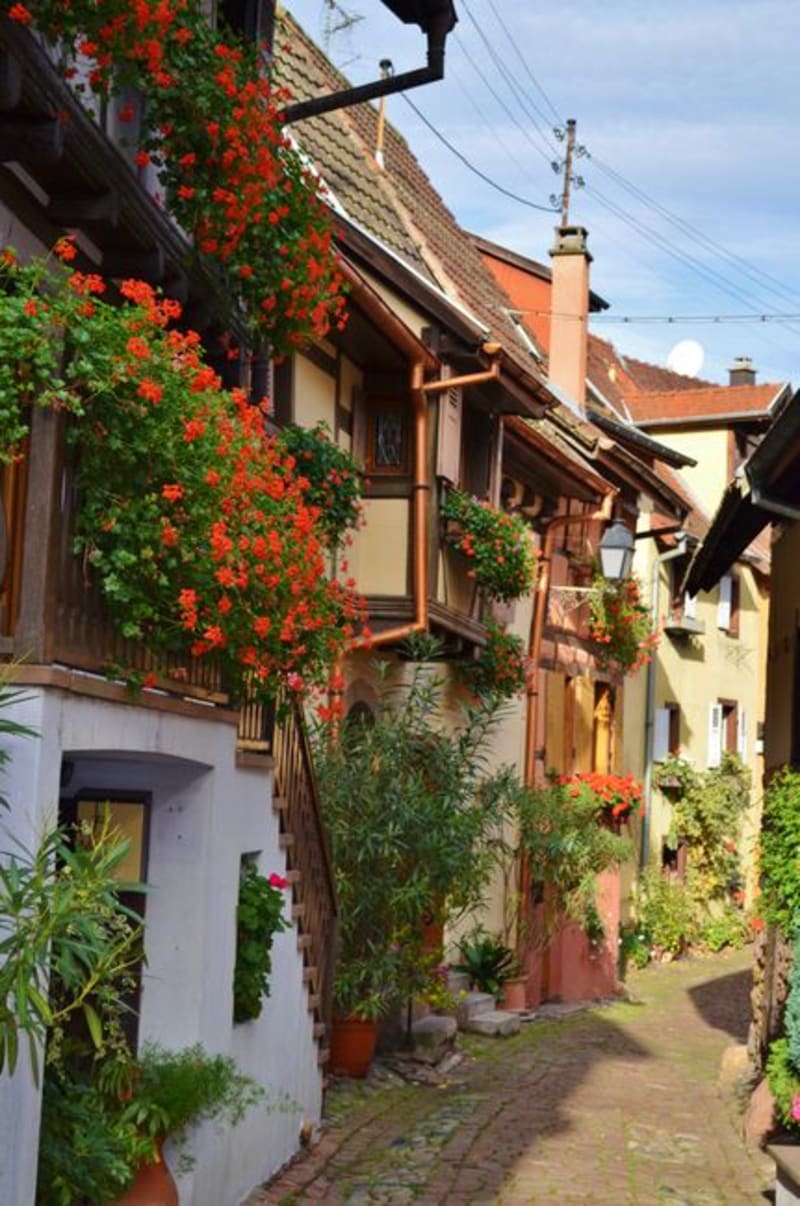 france
 Turckheim
A tiny walled wine town outside Colmar that still sends a night watchman through its streets every summer evening carrying a lantern and a halberd, exactly as it has for centuries.
Explore