
Blue Spring State Park
"I've never stood so still for so long just to watch something breathe."
A spring-fed sanctuary on the St. Johns River where hundreds of manatees crowd the warm water every winter.

Lia and I got to Blue Spring State Park before the gates even opened, because a park ranger in Orlando had warned us the parking lot fills up fast on cold January mornings. She was right — by nine there were already people lined up along the boardwalk, all of us staring down into water so clear it barely looked real, waiting for a shape to move. The spring run stays a constant 72 degrees year-round, and when the St. Johns River drops below about 68, manatees pour in from the main channel to escape the cold. That morning there had to be close to a hundred of them, packed nose to tail in the shallows, barely stirring except to surface for air every few minutes.
What struck me most wasn’t the size of them, it was the quiet. Blue Spring is the largest spring on the St. Johns and pushes out something like 100 million gallons of water a day, yet the run itself felt hushed, like everyone — manatees included — had agreed to keep their voices down. I found myself holding my breath along with them, counting the seconds between when a broad gray back would rise and when it would sink again.

After a couple of hours by the water we walked the short trail up to the Thursby House, a homestead built in 1872 by an early citrus farmer, sitting on top of an old Native American shell midden. It’s a strange, quiet kind of layering — a 19th-century porch resting on centuries of discarded oyster shells, both of them drawn to the same reliable water source that still pulls manatees in today. Lia sat on the steps for a while just looking back down toward the spring run, saying it felt like the whole park was built around one very good idea: protect the water, and everything else follows.
We ate lunch at a picnic table near the swimming area, which was roped off for the season — no swimming allowed while the manatees are wintering there, which felt entirely fair given what we’d just watched. I kept thinking about how easy it would be to drive past this place on I-4 without ever knowing what was happening just off the highway, a few hundred manatees quietly waiting out the cold in 72-degree water.

When to go: Aim for December through February — that’s when the river cools enough to send manatees streaming into the spring run, and your odds of seeing dozens of them up close are highest.
Keep exploring
More from Florida
 florida
Cedar Key
A sleepy Gulf-coast island where clam boats replaced pencil mills, and the pace of life slows to the tide.
Explore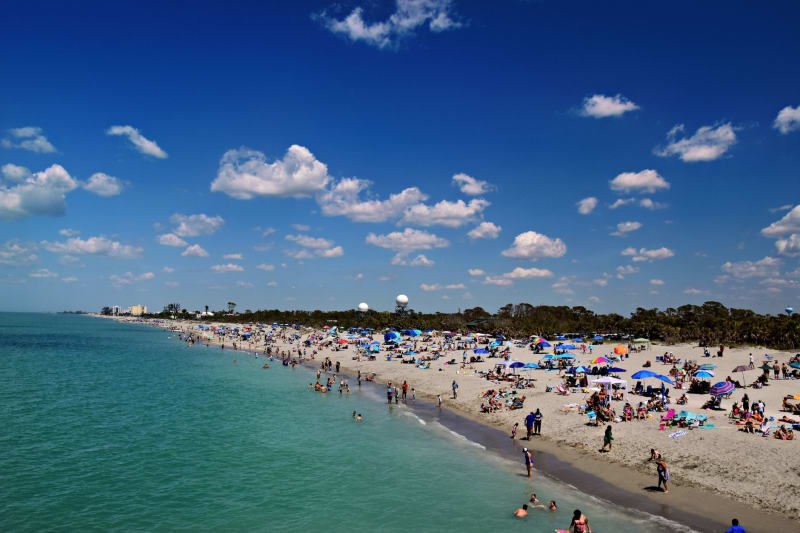 florida
Dry Tortugas
An unreachable brick fortress in open Gulf waters, surrounded by the clearest water and most abundant coral in Florida.
Explore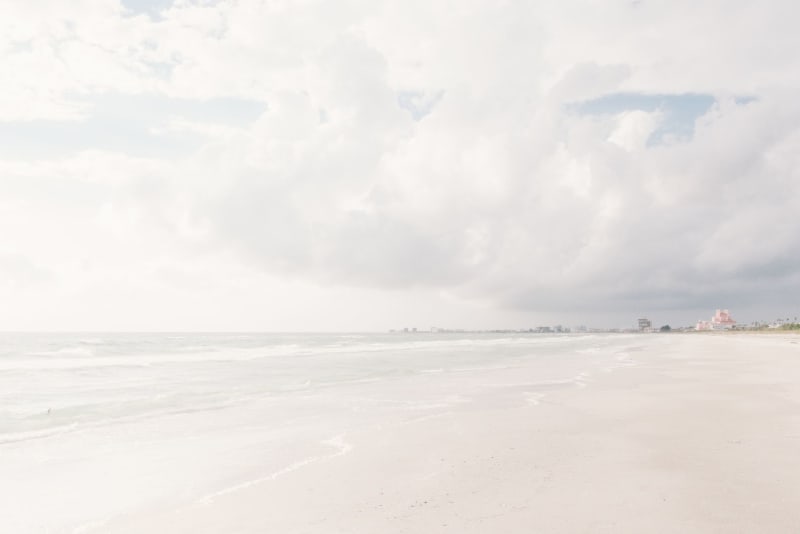 florida
Everglades City
The quiet western gateway to Ten Thousand Islands, where the mangrove wilderness starts immediately and the silence is absolute.
Explore florida
Ichetucknee Springs
A chain of crystal springs feeding a river so clear and cold it seems impossible in subtropical Florida.
Explore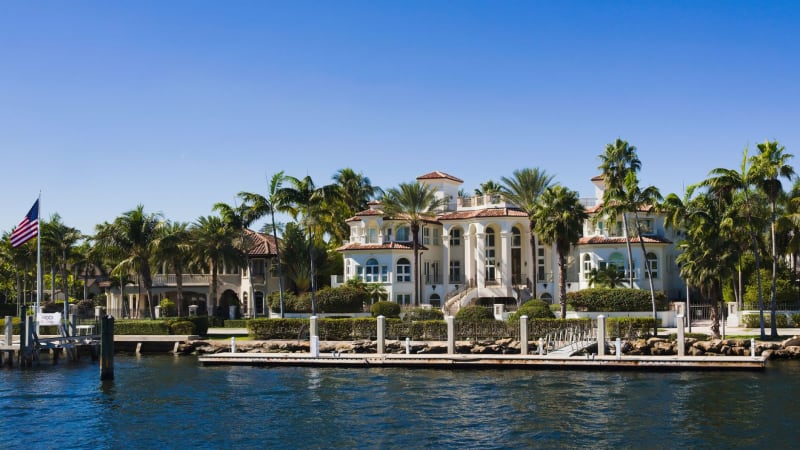 florida
Key West
The end of the road — a genuinely eccentric island town where the sunsets actually justify the crowd they draw every evening.
Explore florida
Little Havana
A Miami neighborhood where Cuban exile culture has become something entirely its own — not Cuban, not American, but distinctly Miami.
Explore