
Margilan
"The loom makes a sound like a slow heartbeat, and the silk appears line by line like a secret being told."
The silk city of Central Asia, where ikat patterns have been woven on wooden looms since before the Silk Road had a name.

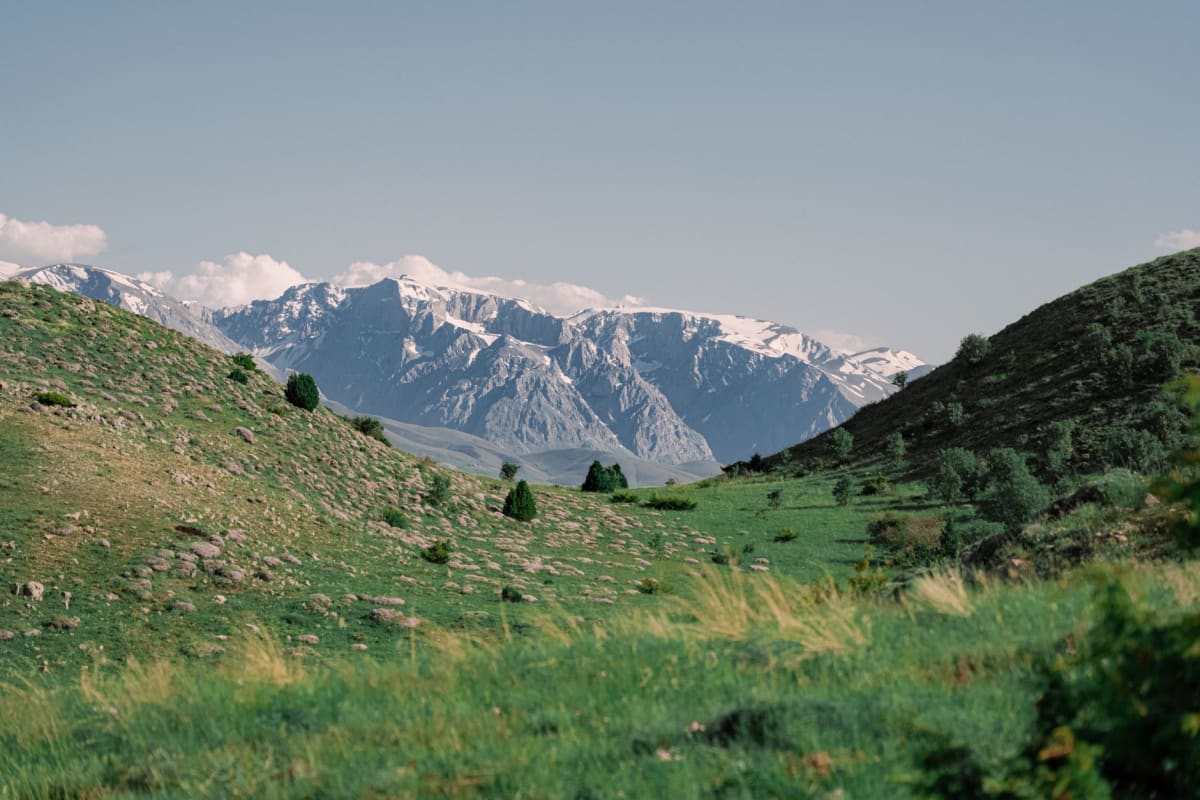
I heard the Yodgorlik factory before I saw it — a percussive rhythm from behind a courtyard wall, wood on wood, deep and unhurried, like someone knocking patiently on a very large door. When I passed through the gate into the main weaving hall, the sound expanded into something physical. Twenty looms in parallel, each one a structure of wooden beams and threads the thickness of a hair, each one operated by a single woman seated in a shallow pit below the frame, throwing the shuttle across with a motion so practiced it looked involuntary. The silk caught the overhead light in long horizontal flashes. The air smelled of lanolin and dye and something slightly animal that I couldn’t name.
Margilan has been the centre of Fergana Valley’s silk production for at least a thousand years. The city’s mulberry orchards — the leaves are what silkworm larvae eat — still stretch for kilometres along the valley floor, and in spring when the cocoon harvest comes in, the streets near the factory carry a faint smell of boiling that I found unsettling until I understood it. The Yodgorlik Silk Factory is one of the last places in Central Asia where both Soviet-era mechanical looms and traditional hand-looms run side by side, producing the ikat fabrics that end up in boutiques in Paris and Tokyo at prices that would make the weavers in this hall quietly furious.

The ikat technique begins before the weaving — the thread itself is tie-dyed in sections, the pattern encoded into the thread before it ever reaches the loom. This is what makes Uzbek ikat distinctive: the slight bleeding of the colour boundaries, the way the pattern appears both precise and organic, like something seen through slightly unfocused eyes. The women who do the dyeing sit in a separate courtyard with their arms stained to the elbows in shades I had no names for — somewhere between rust and pomegranate, between the sky at 5 a.m. and old copper. They didn’t look up when I photographed them. They were past the point of being interesting to themselves.
The bazaar in Margilan, particularly on Thursdays and Sundays when it runs at full scale, is one of the great sensory events of Central Asia. The silk section alone is overwhelming — bales of raw ikat, bolts of printed silk, suzani embroideries spread across tarpaulins, Atlas cloth in colour combinations that shouldn’t work and do. Outside, the food section has the best dried fruit I have found anywhere: apricots so intensely sweet they taste like candy, figs the size of a plum, walnuts still in their green husks being cracked at the vendor’s feet.
I spent three days in Margilan and still didn’t manage to visit the small workshops tucked into residential streets where individual families still produce silk at home — hand-reeling the thread from cocoons in a process that requires both hot water and a particular dexterity I watched once and understood immediately I could never replicate. Margilan is one of those places where the thing it does — the specific, highly skilled thing — is so completely embedded in daily life that there is no boundary between the craft and the city. The silk is not what Margilan makes. The silk is what Margilan is.
When to go: May and September are ideal. The Thursday and Sunday bazaars run year-round, but spring brings the additional spectacle of the silkworm season — you can watch cocoon harvesting at farms on the outskirts of town. Avoid August, when heat makes the dye courtyard almost unbearable.
Keep exploring
More from Fergana Valley
 fergana-valley
Namangan
The valley's most devoutly Muslim city, where carved wooden mosques and pomegranate orchards define a pace of life older than Uzbekistan itself.
Explore fergana-valley
Osh
Kyrgyzstan's southern capital perched at the valley's edge, where Sulayman Mountain rises from the city like a prophecy someone took seriously.
Explore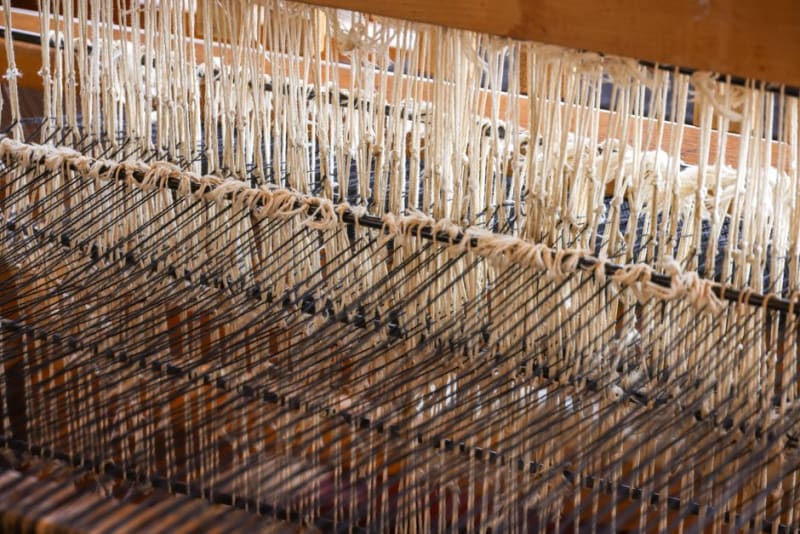 fergana-valley
Pop
In a quiet Namangan-region town, I watched women thread silk cocoons through century-old wooden looms and left with thread stuck under my fingernails.
Explore fergana-valley
Rishtan
A village where two-thousand-year-old blue glaze still emerges from reed ash and the hands of men named Rustam.
Explore fergana-valley
Shakhimardan
An Uzbek exclave inside Kyrgyzstan reached through a mountain gorge, where pilgrimage site meets Soviet resort and both feel equally improbable.
Explore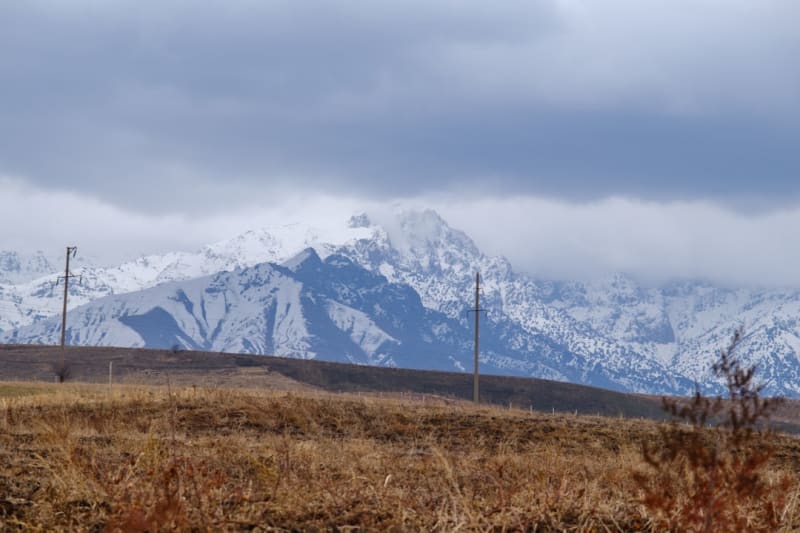 fergana-valley
Sokh
In an Uzbek exclave surrounded entirely by Kyrgyzstan, I walked through apricot orchards heavy with fruit and realized how strange borders can be up close.
Explore