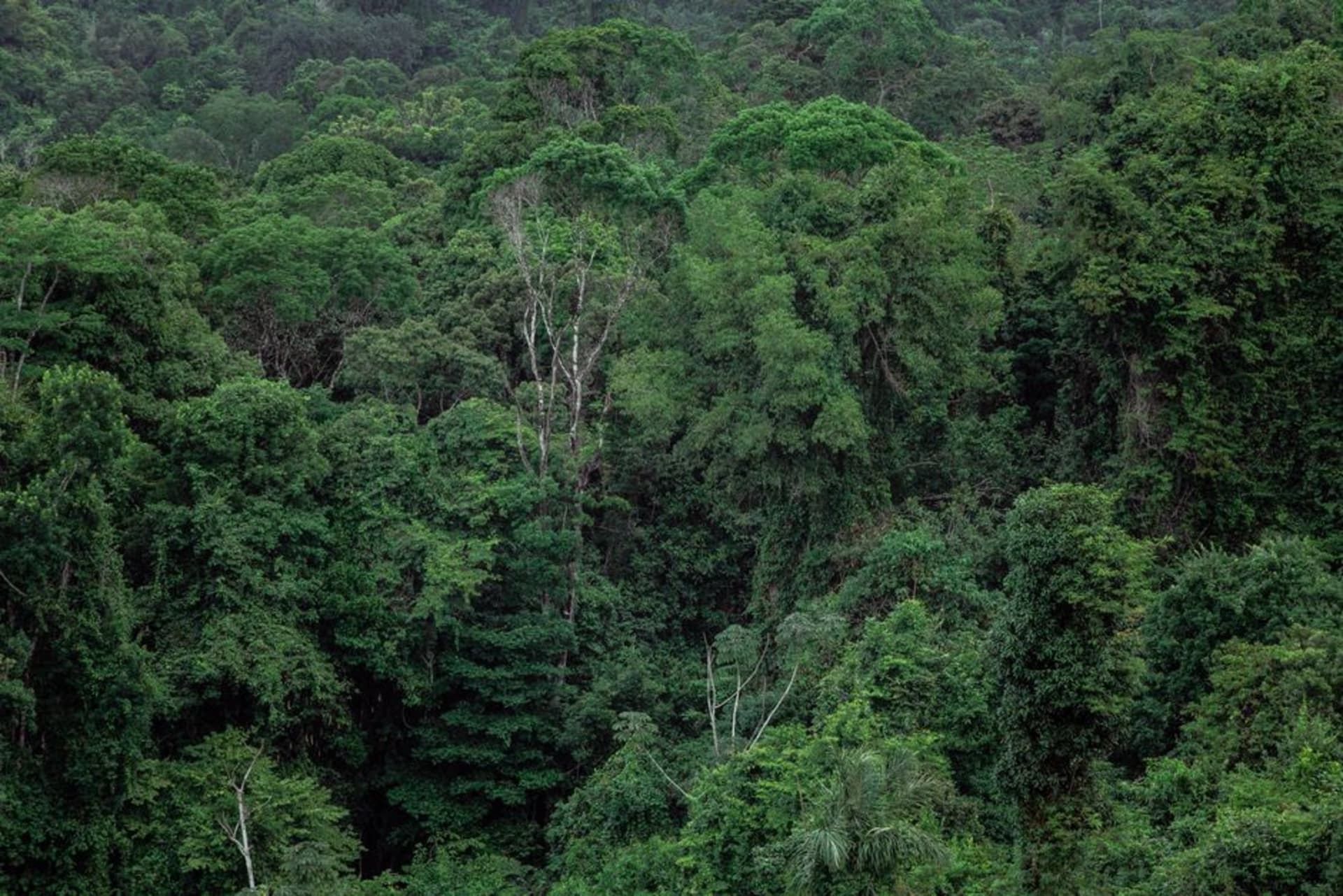
Filfil Solomuna
"I'd spent a year in Eritrea's dust before I understood the country could smell like wet leaves."
Africa's northernmost rainforest, a cloud-drenched pocket of the Semenawi Bahri where the arid highlands suddenly, improbably, turn green.
Lia and I left Asmara before sunrise, which in hindsight was the right call, because the old road to Massawa does something no map quite prepares you for. You climb out of the capital’s dry highland light, thread through Serejeka, and then somewhere past the villages of Moguo and Sabur the air just changes. It goes damp. It goes green. By the time we rolled into Fagiena the windows were fogging up, and I remember turning to Lia and saying, half-joking, “did we take a wrong turn into a different country?” We hadn’t. This is Filfil Solomuna, part of the Semenawi Bahri reserve, and it’s considered the most northerly rainforest anywhere in Africa — a genuinely strange fact to hold in your head while Eritrea’s coastline, one of the driest places I’ve ever stood in, is only a few dozen kilometers away as the crow flies.
What’s happening, a park guide explained to us over glasses of suwa in Woki, is cloud. The forest sits at elevations between 700 and 2,000 meters, high enough to comb moisture straight out of passing clouds, and that trick pulls in over 1,000 millimeters of rain a year in a country where most regions would consider that a miracle. The result is a tangle of forest that felt closer to something I’d hike in the Ecuadorian cloud forest than anything I associated with the Horn of Africa. We stood under a canopy dripping with condensation, listening to a racket of birdsong neither of us could name, and I remember feeling genuinely disoriented in the best way.
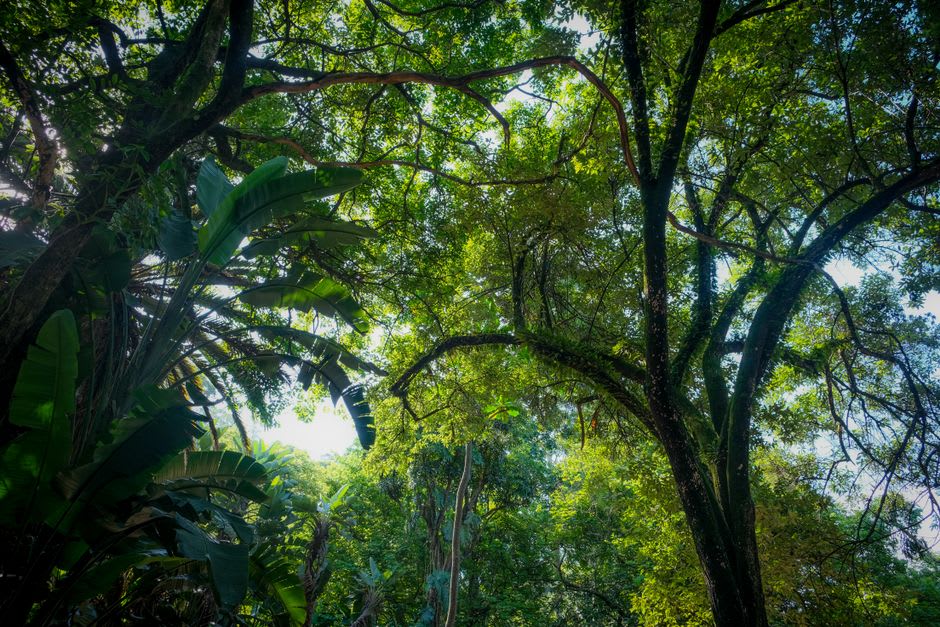
Birders will already know this, but Eritrea holds something like 558 recorded bird species, and Filfil is where a serious share of them turn up. I’m not a birder in any disciplined sense — Lia keeps a little notebook, I mostly just point and ask “what’s that one” — but even I could tell we were somewhere special. We sat on a fallen log for probably forty minutes doing nothing but watching a pair of sunbirds work a flowering branch, and further down the trail a troop of monkeys crashed through the understory loud enough to make us both jump. There’s a stillness to Filfil that isn’t silence at all; it’s just sound coming from directions you don’t expect.
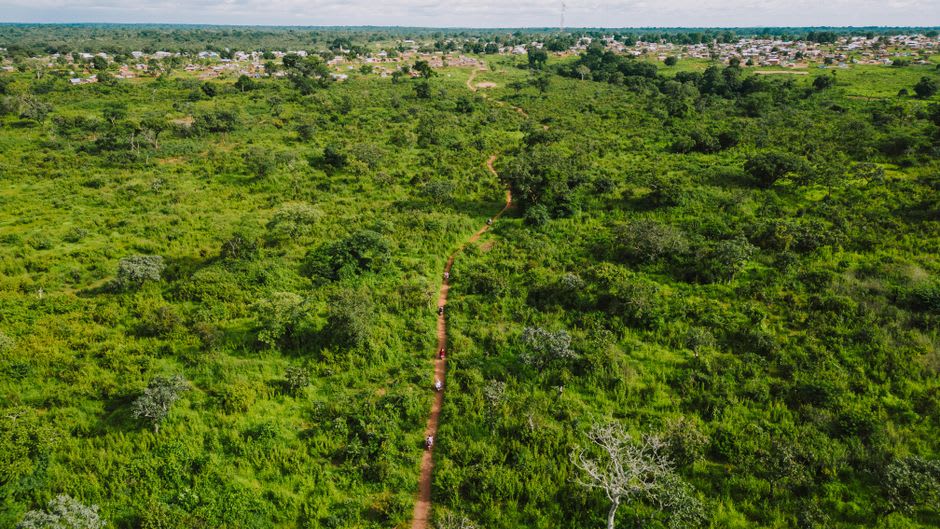
We ended the day back on the road toward Massawa, watching the forest thin out and the heat return in what felt like the space of twenty minutes, the whole climate of the country reshuffling itself around us. I still think about that drive more than almost anything else from our time in Eritrea — how a place so defined by aridity keeps this green secret tucked into its hills, thirty-some kilometers from a capital that never quite hints at it.
When to go: We’d point you toward September through November, right after the rains have done their work — the forest is at its lushest then and the birds are impossible to ignore, though honestly any escape from the highland dust is worth the drive.
Keep exploring
More from Eritrea
 eritrea
 Keren
Eritrea's second city earns its reputation on one morning a week, when camel traders descend from the hills and the market becomes the loudest place in the country.
Explore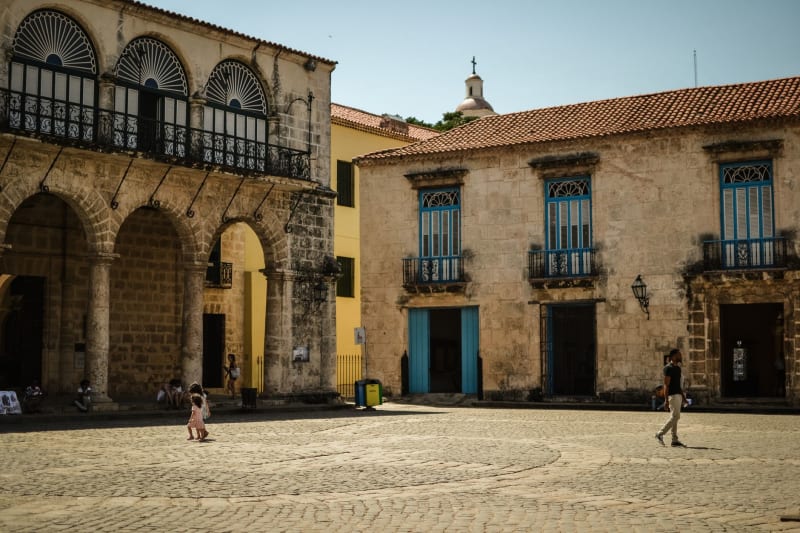 eritrea
 Massawa
A coral-built Red Sea port where Ottoman arches crumble slowly into the sea and the fish is the freshest I've eaten anywhere in Africa.
Explore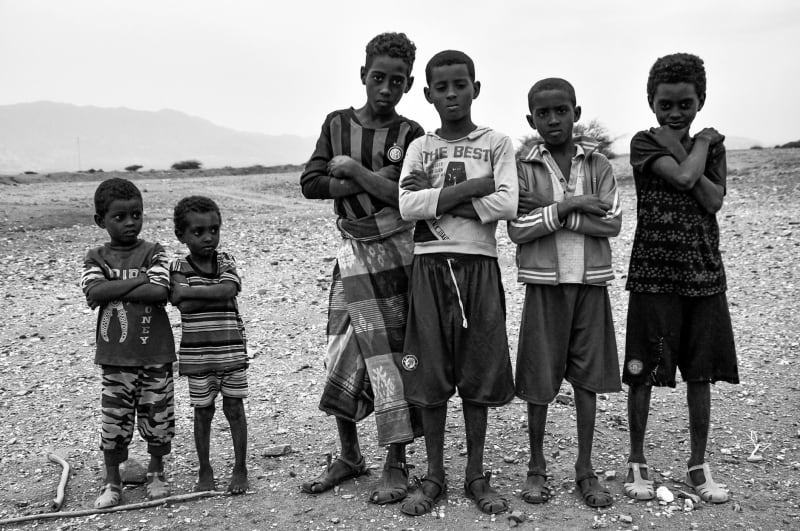 eritrea
 Mendefera
A southern highland town that grows grapes and takes its wine seriously — a sentence I did not expect to write about Eritrea.
Explore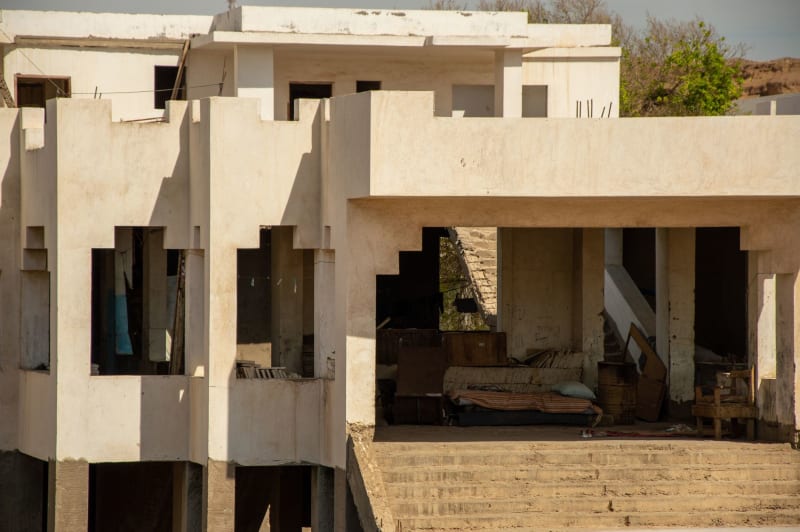 eritrea
 Nakfa
The mountain town that refused to fall for thirty years, carved into granite and still half-underground, where the independence war never quite became the past.
Explore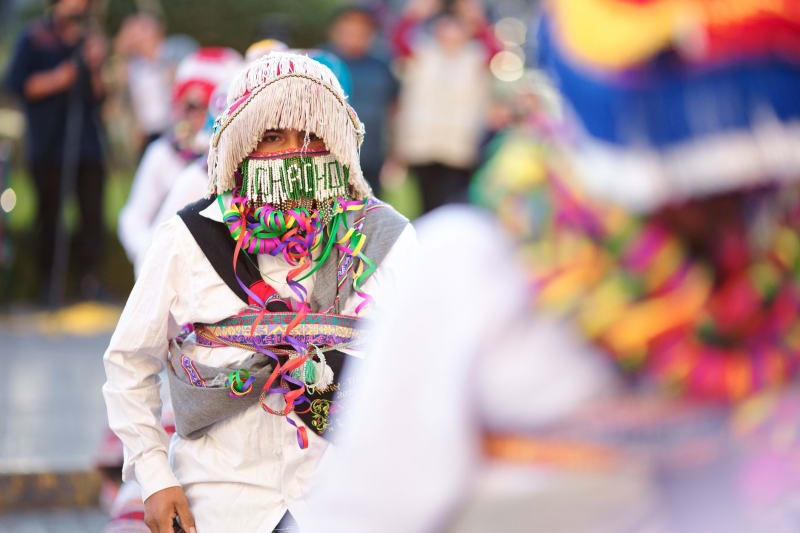 eritrea
 Qohaito
A highland plateau strewn with ancient ruins almost no one visits, where a pre-Aksumite city sits quietly above a three-hundred-meter canyon.
Explore eritrea
 Semenawi Bahri
A surprise at Eritrea's edge: a pocket of actual jungle on the highland escarpment, full of baboons and mist and waterfalls that no one comes to see.
Explore