Africa
Eritrea
"The country that refused the world — and somehow stayed beautiful."
A country where Italian Art Deco colonnades meet Red Sea trading routes and a stubborn, quietly proud people who chose isolation over compromise.

The flight landed in Asmara just before noon, and before I’d even left the airport parking lot I understood that something unusual was happening here. A 1930s Fiat Tagliero service station — shaped like an airplane with no pillars holding up its concrete wings — sat across the road like a fever dream, cream and terra-cotta in the flat highland light. No café, no gift shop, no sign explaining the history. Just the building, intact, slightly surreal, going about its day. That’s Eritrea in a single image: Modernist architecture in a landlocked capital, taken for granted by people who walk past it every morning on the way to buy injera.
Asmara is the obvious entry point and it rewards the slowest possible pace. You walk the Harnet Avenue colonnades at dusk when the temperature drops from stifling to almost cool, past men playing chess in plastic chairs and women in white shawls selling oranges from small pyramids. The city has a particular quality of light in the late afternoon — golden-angled, slightly dusty — that makes the pale pink and mustard facades glow in a way that feels entirely accidental. Nobody designed this for tourists. The restaurants serve pasta with a spiced tomato sauce that owes something to Italian colonialism and something to Eritrean ingenuity, and the espresso is genuinely extraordinary: dark, slightly syrupy, served in doll-sized cups that disappear in two sips. I drank four a day without embarrassment.
Getting to Massawa on the coast is an exercise in patience — the road drops from 2,300 meters to sea level in about 100 kilometers of switchbacks — but the Red Sea when you finally reach it is unlike the resort version you’d find in Egypt or Jordan. The old Ottoman and Egyptian quarter of Massawa sits on a coral island, half-crumbled, half-restored, and entirely without other foreign visitors the week I was there. I ate grilled fish in a courtyard restaurant where the owner brought out chairs from his own kitchen because I was the only customer. The sea was slate-blue and completely flat at five in the morning. A dhow with a torn sail drifted past the breakwater. I sat with my coffee and understood why people fall so hard for places that haven’t been packaged yet.
When to go: October through March. The highlands are dry and temperate, Asmara sits at altitude so the heat is bearable even in November. Avoid June through August in Massawa — it becomes genuinely punishing, 40°C with Red Sea humidity. December is the best compromise between comfortable highlands and a navigable coast.
What most guides get wrong: They frame Eritrea as a cautionary tale — the closed-off, authoritarian state, the “North Korea of Africa” shorthand that gets repeated endlessly. What that framing misses is the texture of daily life, which is remarkably normal and often warm. The bureaucracy is real and the visa process is slow, but once you’re in, people are curious about you in a way that feels genuine rather than transactional. The narrative of isolation has become self-reinforcing: few travelers come because few travelers have come, so there are no reviews, so no one comes. But the country itself — its architecture, its food, its highland plateau cities, its coast — is not in crisis. It’s just waiting.
Explore
Places in Eritrea
 eritrea
 Adulis
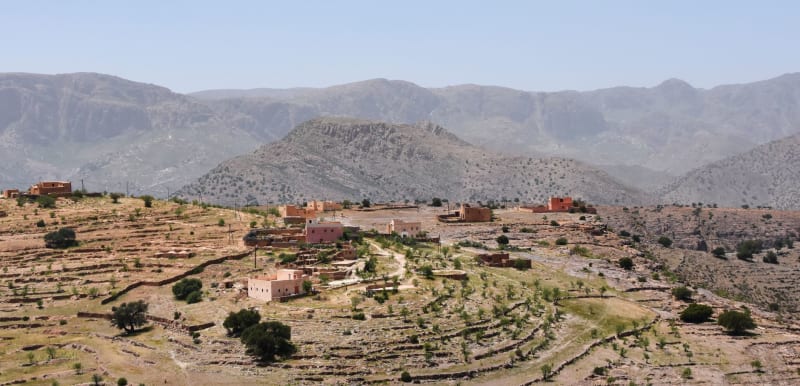
The half-excavated ruins of an ancient Red Sea port that once shipped ivory and gold to Rome and Byzantium, lying silent in a thorn-scrub plain where the heat presses down like a hand.
Explore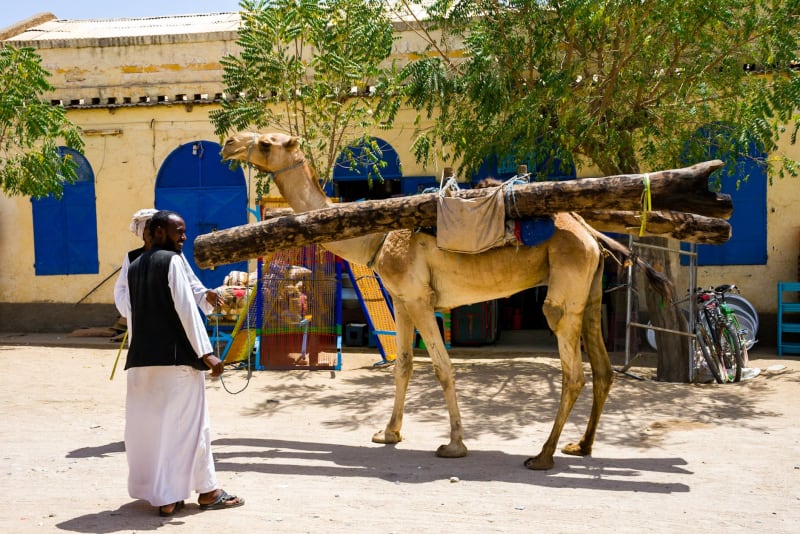 eritrea
 Asmara
A highland capital so improbably beautiful — all Art Deco curves and espresso bars — that you keep expecting someone to explain the joke.
Explore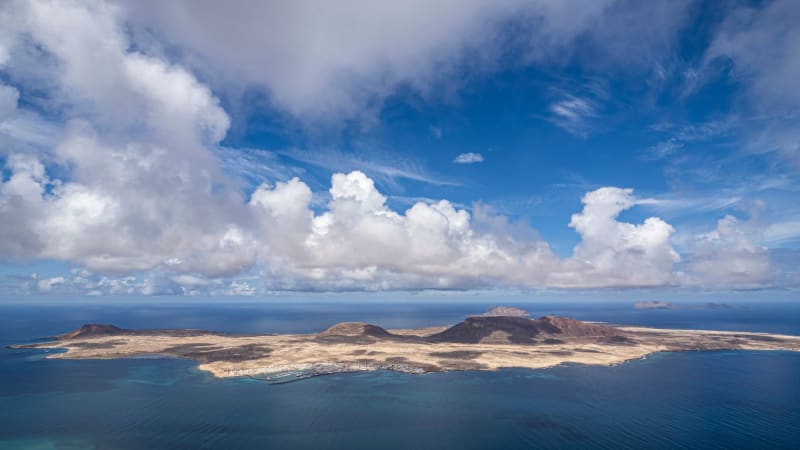 eritrea
 Dahlak Archipelago
Two hundred coral islands in the southern Red Sea, almost entirely without visitors, where the underwater world remains so intact it feels like a privilege to look at it.
Explore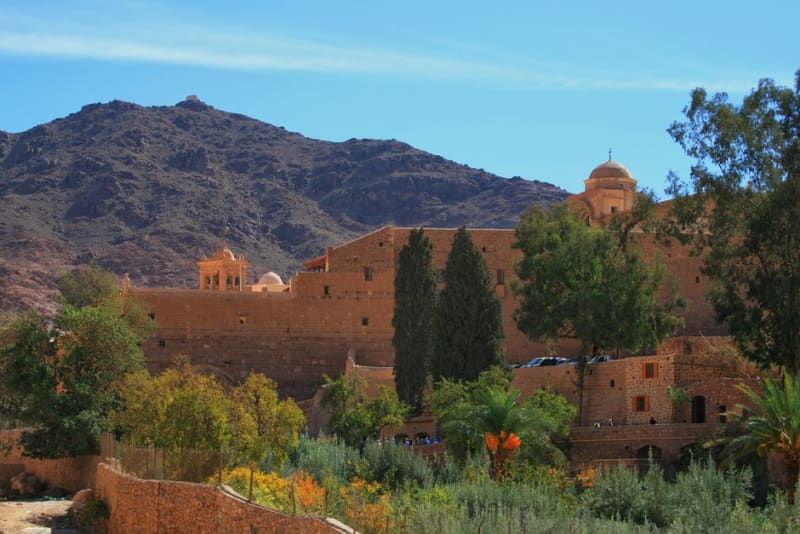 eritrea
 Debre Bizen
A cliffside monastery above the Asmara-Massawa road, where Ge'ez manuscripts and centuries-old frescoes outlast every empire that passed below.
Explore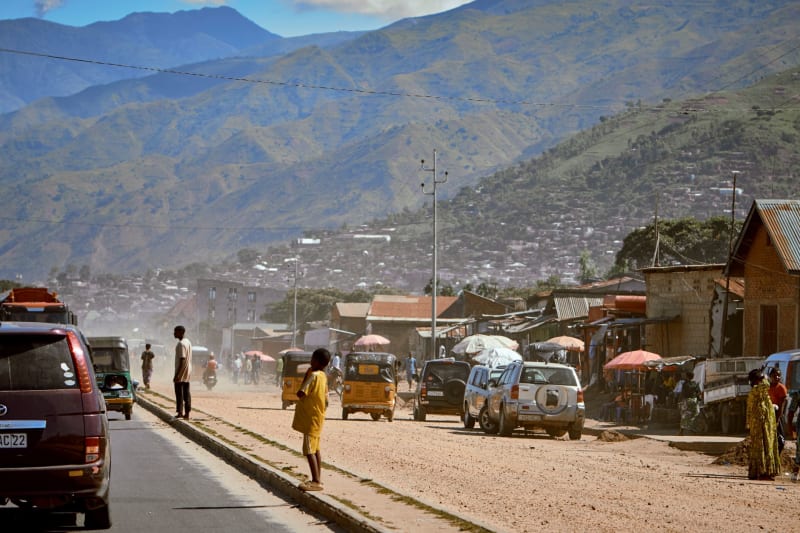 eritrea
 Dekemhare
A quiet colonial town south of Asmara where the pasta factories still run and the pace of life moves at a speed that makes the capital feel frantic by comparison.
Explore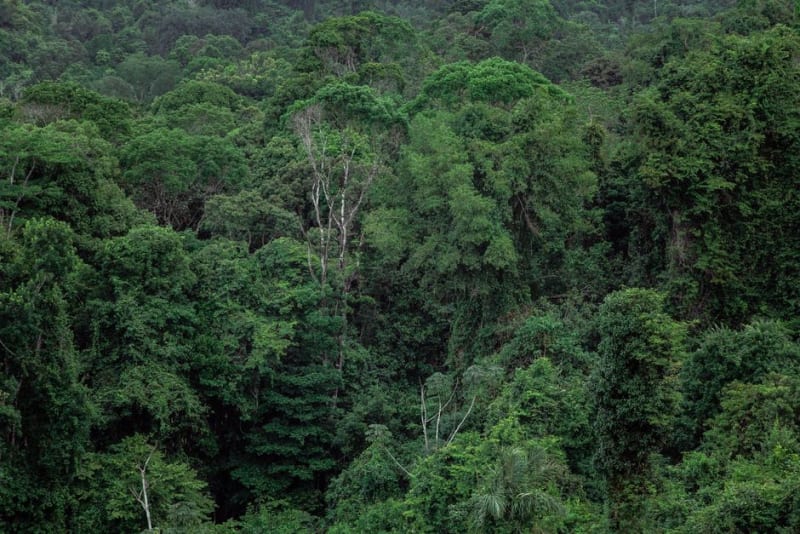 eritrea
 Filfil Solomuna
Africa's northernmost rainforest, a cloud-drenched pocket of the Semenawi Bahri where the arid highlands suddenly, improbably, turn green.
Explore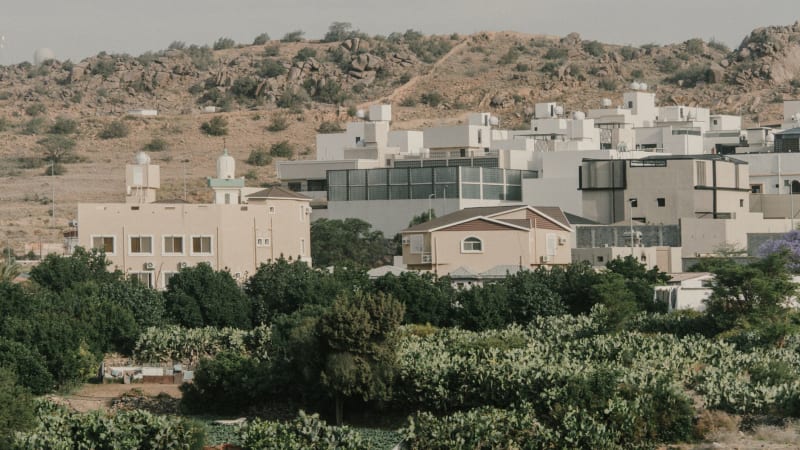 eritrea
 Keren
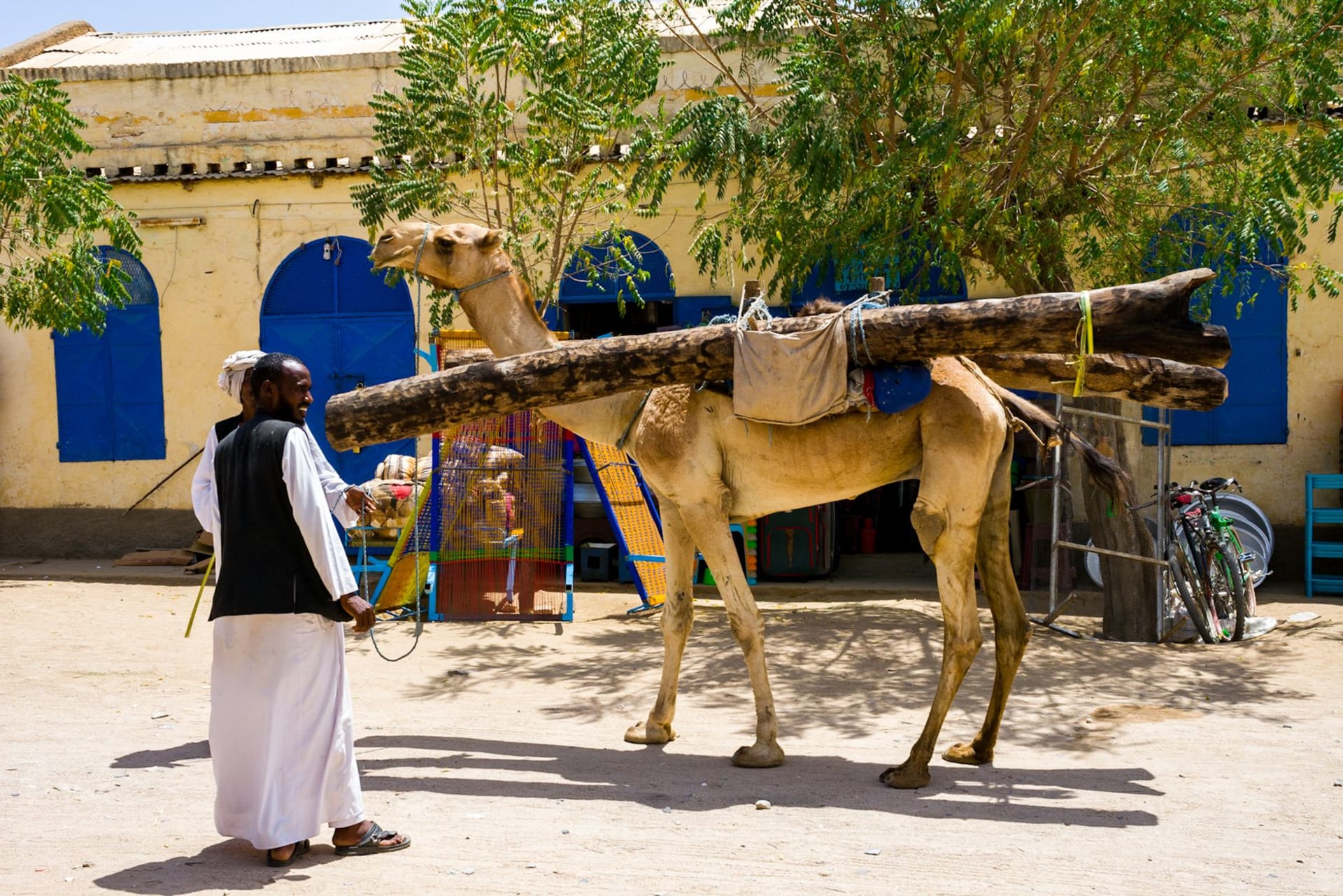
Eritrea's second city earns its reputation on one morning a week, when camel traders descend from the hills and the market becomes the loudest place in the country.
Explore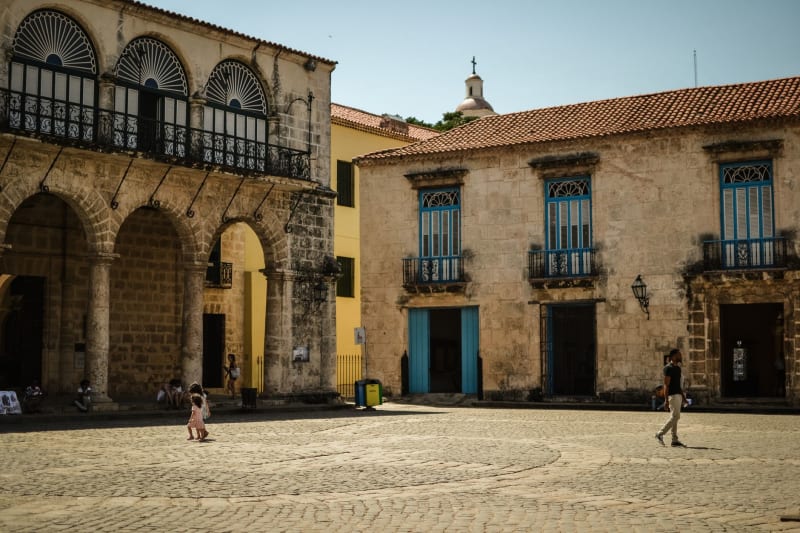 eritrea
 Massawa
A coral-built Red Sea port where Ottoman arches crumble slowly into the sea and the fish is the freshest I've eaten anywhere in Africa.
Explore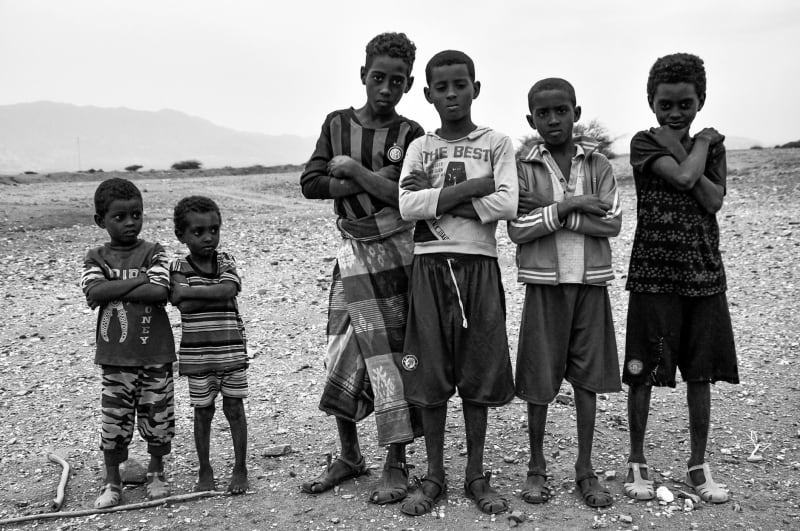 eritrea
 Mendefera
A southern highland town that grows grapes and takes its wine seriously — a sentence I did not expect to write about Eritrea.
Explore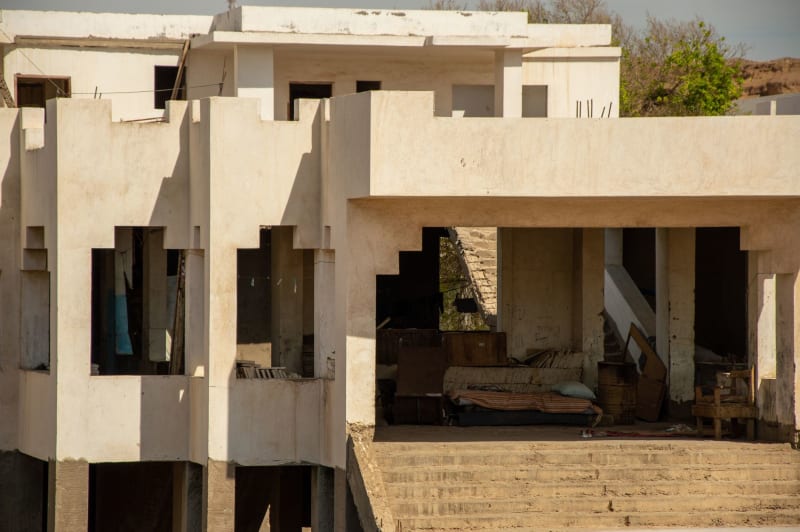 eritrea
 Nakfa
The mountain town that refused to fall for thirty years, carved into granite and still half-underground, where the independence war never quite became the past.
Explore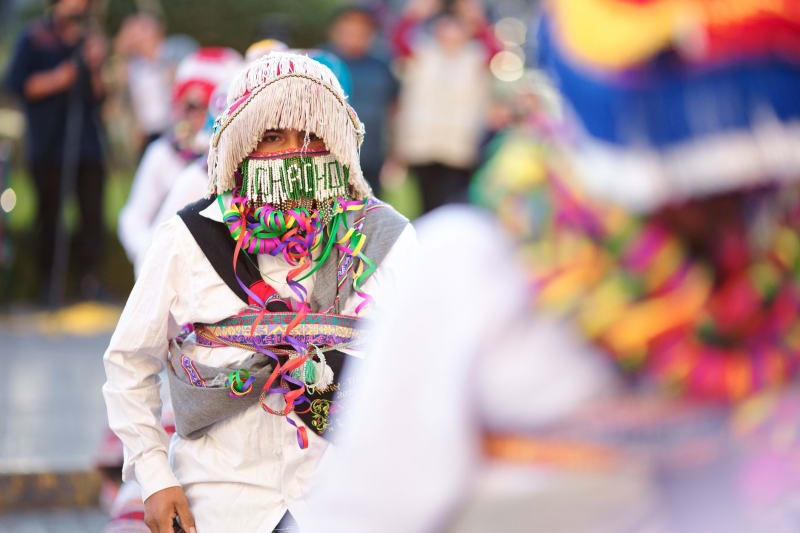 eritrea
 Qohaito
A highland plateau strewn with ancient ruins almost no one visits, where a pre-Aksumite city sits quietly above a three-hundred-meter canyon.
Explore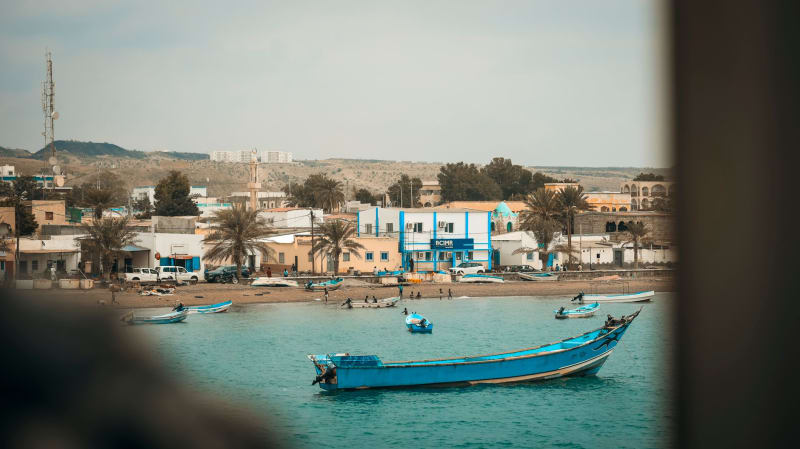 eritrea
 Semenawi Bahri
A surprise at Eritrea's edge: a pocket of actual jungle on the highland escarpment, full of baboons and mist and waterfalls that no one comes to see.
Explore eritrea
 Senafe
A border-town gateway to Eritrea's ancient highland ruins, where the escarpment drops away and the view toward Ethiopia is too big for any photograph.
Explore