
Adulis
"There was no fence, no ticket, no guard — just two thousand years of trade lying open in the dust, and the wind moving through it."
The half-excavated ruins of an ancient Red Sea port that once shipped ivory and gold to Rome and Byzantium, lying silent in a thorn-scrub plain where the heat presses down like a hand.

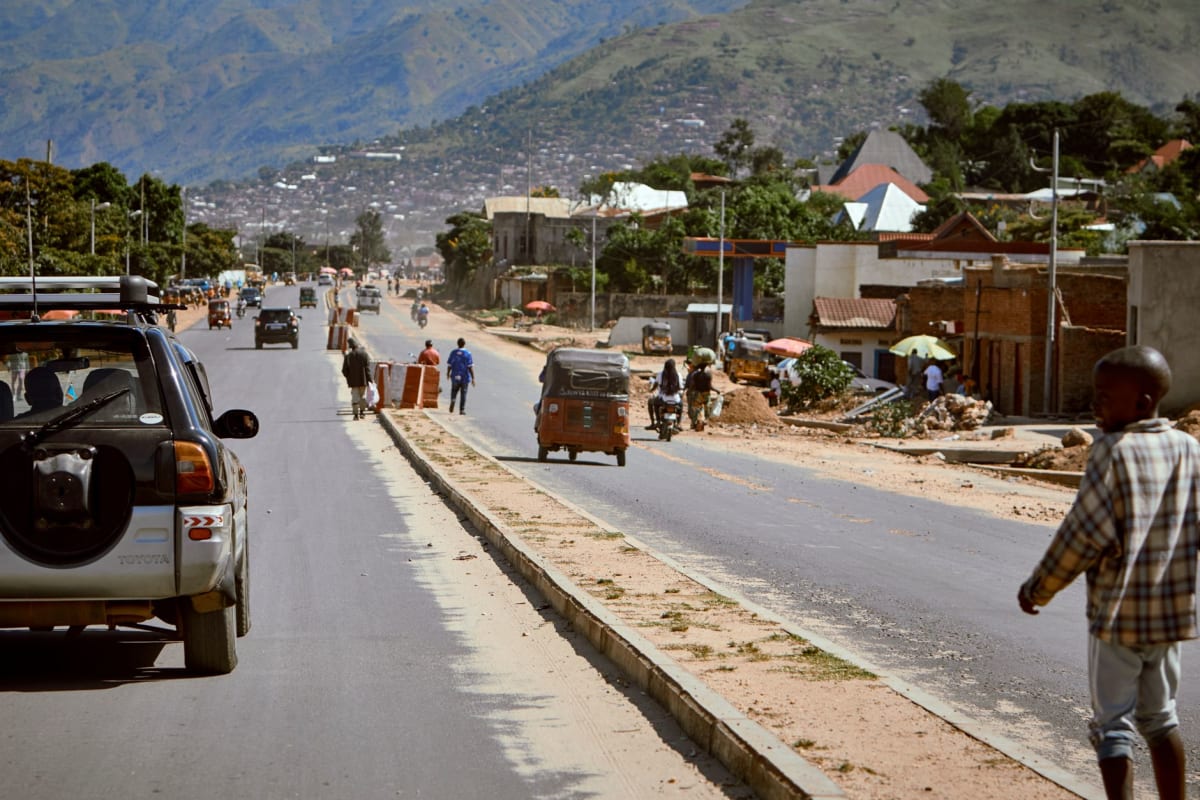
Getting to Adulis is the kind of small expedition that makes you feel you have actually gone somewhere. Lia and I drove down from the highland cool of Asmara, dropping through the escarpment switchbacks toward the coastal plain, where the temperature climbs roughly one degree per hairpin until you arrive in the lowlands near the Gulf of Zula gasping like landed fish. The ruins lie inland from Massawa, off a track that requires a permit, a sturdy vehicle, and a driver who knows where the turn is, because nothing about the landscape announces that one of antiquity’s great ports is buried in it.
The port that fed empires
Adulis was, for the better part of a thousand years, the Red Sea gateway of the Aksumite kingdom — the place where ivory, obsidian, tortoiseshell, rhinoceros horn and gold came down from the African interior and went out to Egypt, Arabia, Rome and Byzantium. A Greek merchant’s handbook from the first century, the Periplus of the Erythraean Sea, names it. A sixth-century traveller called Cosmas copied down its inscriptions. And then the trade routes shifted, Islam reshaped the Red Sea, and the city quietly emptied and let the dust take it.
What you see today is low — foundation walls, the outline of a Byzantine-style basilica, paving and column bases worn smooth, fragments of fired brick and dressed black basalt scattered as if a giant child had abandoned the project mid-build. There is no grandeur of the upright Roman kind. What there is, instead, is the strange intimacy of standing inside a doorway that someone walked through fifteen hundred years ago, on their way to count cargo.
Heat, silence, and a man with a key
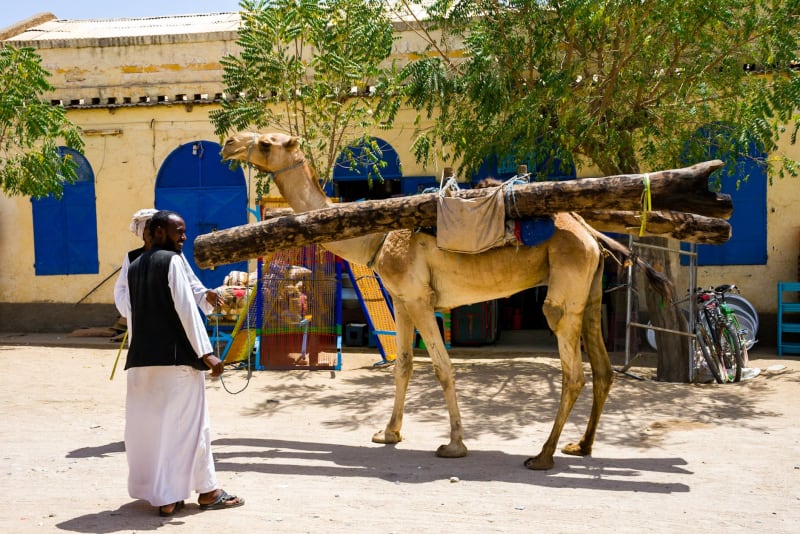
We had the place entirely to ourselves, which in most of the world’s great archaeological sites is now a fantasy. Our guide, an antiquities official from the nearby village of Foro, walked us across the site with the unhurried pride of a man showing you his own back garden, crouching now and then to brush sand off a mosaic fragment or hold up a sherd of imported amphora — proof, he said, that wine had come here from the Mediterranean. The wind moved through the thorn scrub. A camel observed us from a polite distance. Otherwise the silence was total, and heavy, the way silence gets when the sun is doing real work.
I am wary of the word “humbling,” which travel writing flogs to death, but Adulis earns it. This was a world city. Its name was known from the Nile to Constantinople. And it sits now in a scrub plain with no café, no signboard, no turnstile, slowly being studied by Eritrean and Italian archaeologists in seasons when the funding and the politics align. Lia said it felt like reading a letter that was never meant for us. That is about right.
Practicalities
Adulis requires a travel permit from Asmara, arranged in advance, and is best visited as a day trip combined with Massawa on the coast. Go early to beat the lowland heat, which by midday is genuinely punishing. Bring more water than you think you need, sturdy shoes for uneven ground, and a hat you do not care about. There are no facilities of any kind — which is, in the end, part of why standing here feels like a privilege rather than a queue.
Keep exploring
More from Eritrea
 eritrea
 Asmara
A highland capital so improbably beautiful — all Art Deco curves and espresso bars — that you keep expecting someone to explain the joke.
Explore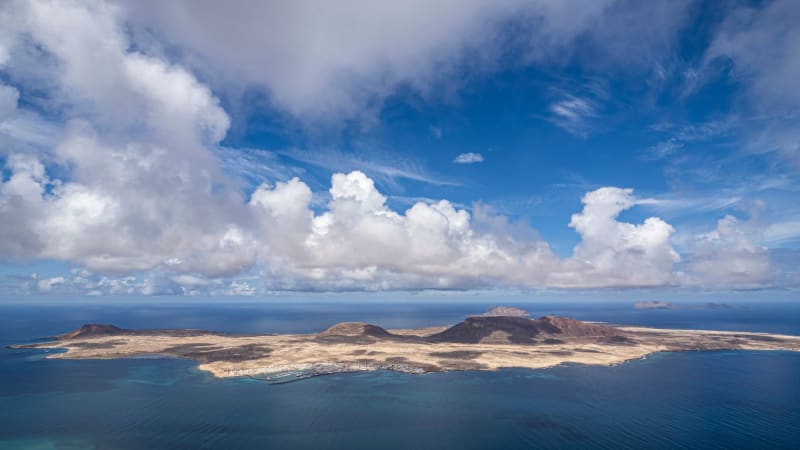 eritrea
 Dahlak Archipelago
Two hundred coral islands in the southern Red Sea, almost entirely without visitors, where the underwater world remains so intact it feels like a privilege to look at it.
Explore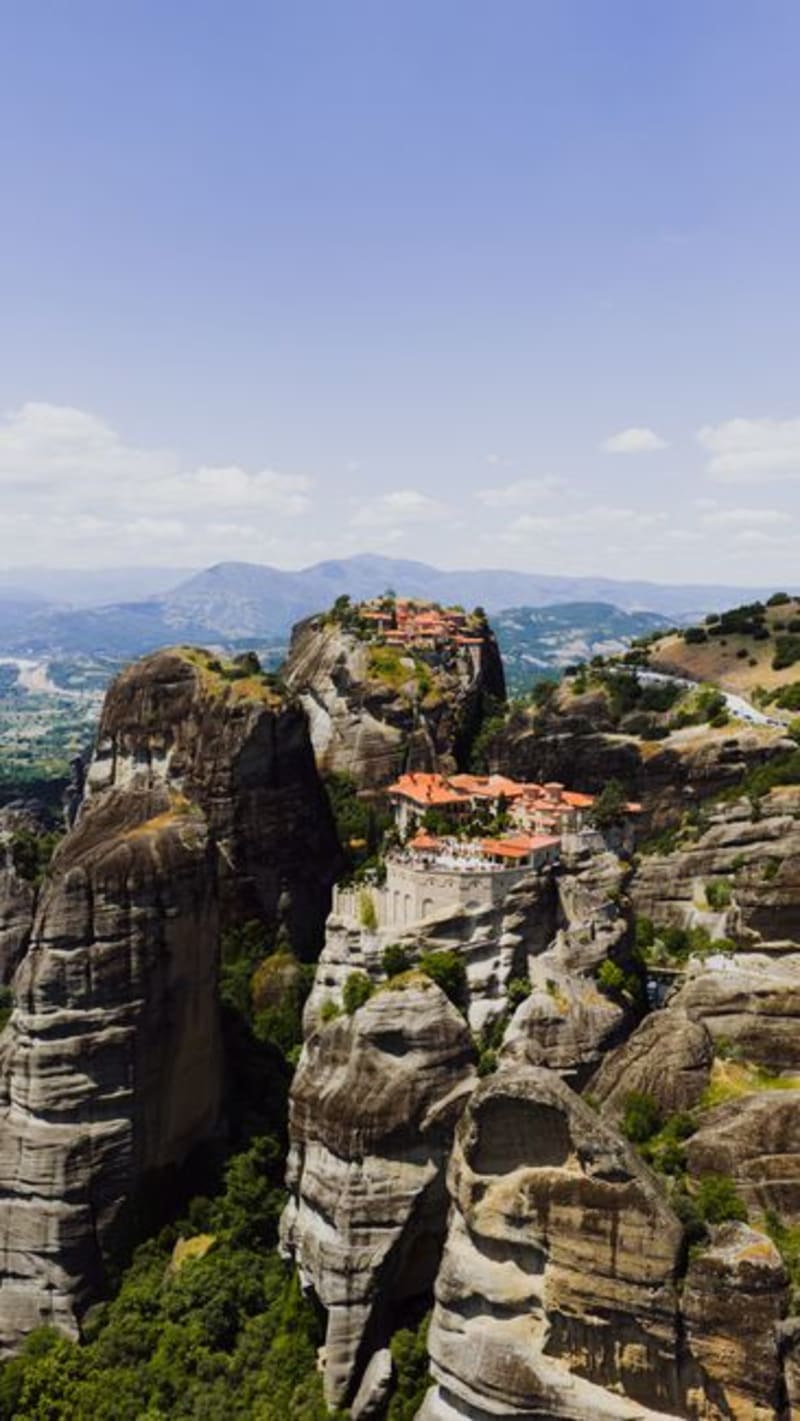 eritrea
 Debre Bizen
A cliffside monastery above the Asmara-Massawa road, where Ge'ez manuscripts and centuries-old frescoes outlast every empire that passed below.
Explore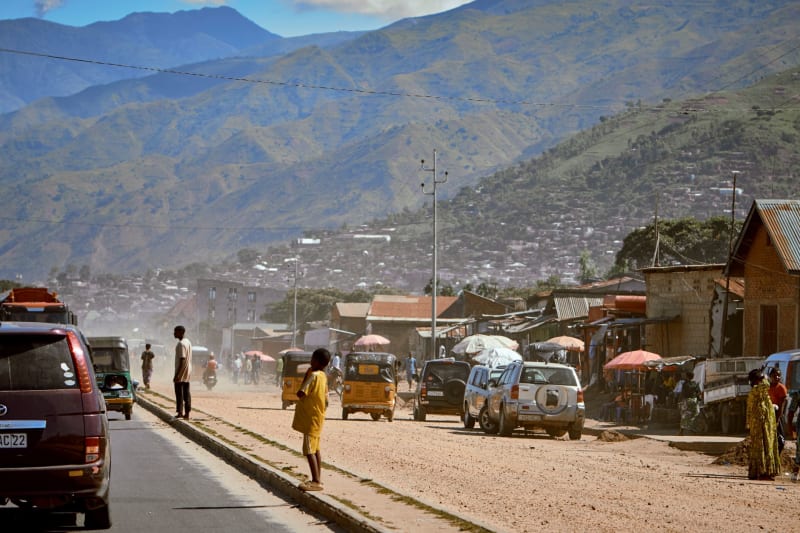 eritrea
 Dekemhare
A quiet colonial town south of Asmara where the pasta factories still run and the pace of life moves at a speed that makes the capital feel frantic by comparison.
Explore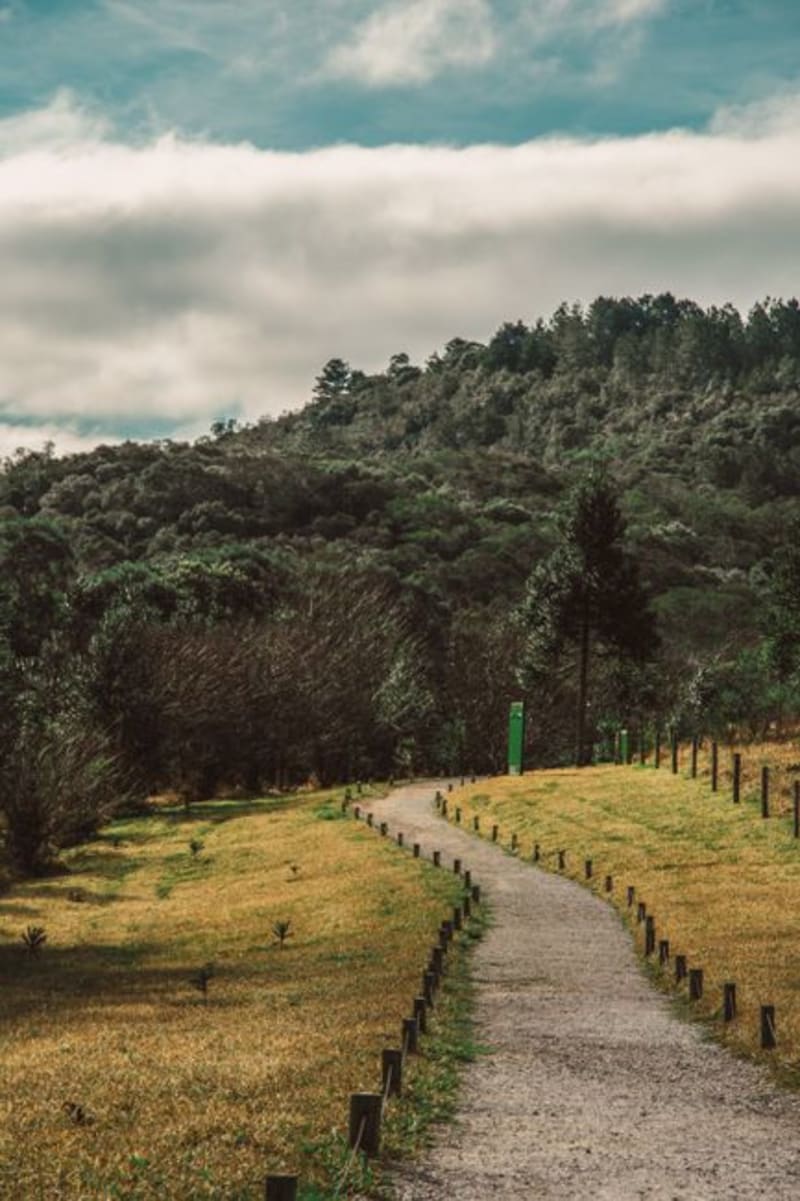 eritrea
 Filfil Solomuna
Africa's northernmost rainforest, a cloud-drenched pocket of the Semenawi Bahri where the arid highlands suddenly, improbably, turn green.
Explore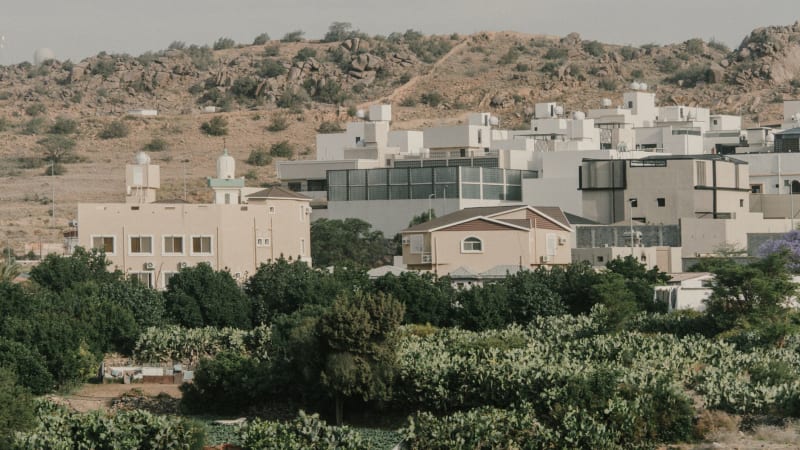 eritrea
 Keren
Eritrea's second city earns its reputation on one morning a week, when camel traders descend from the hills and the market becomes the loudest place in the country.
Explore