
Perquín
"The museum in Perquín doesn't apologize for its point of view. Neither does the town."
A remote highland town that was the guerrilla command center during El Salvador's civil war and now carries that history with unusual honesty.

Getting to Perquín requires commitment. The road from San Miguel climbs through dry hills that gradually give way to pine forest, the surface alternating between paved stretches and rough sections that explain why the FMLN guerrillas chose this remote corner of Morazán department as their northern command center. In twelve years of civil war, this was one of the zones the Salvadoran military could never quite control — too remote, too rugged, too defended by a population that had largely committed to one side of the conflict. When the peace accords were signed in 1992, Perquín found itself holding a history it has not tried to hide.
The Museo de la Revolución Salvadoreña occupies a compound at the edge of town and is one of the more unusual museums I have encountered in Latin America. It is unambiguously partisan — the story told is the guerrilla story, the FMLN story — and it makes no pretense of neutrality. The collection includes weapons, uniforms, photographs, handmade radio equipment, and the wreckage of several military helicopters shot down during the war, arranged in the open courtyard as sculpture-without-intending-to-be. The museum was founded by former combatants, and several of them work as guides. My guide was a woman in her sixties who had been a radio operator in the hills around Perquín during the final years of the conflict. She walked me through the exhibits with the particular combination of precision and feeling that comes from describing something you lived.
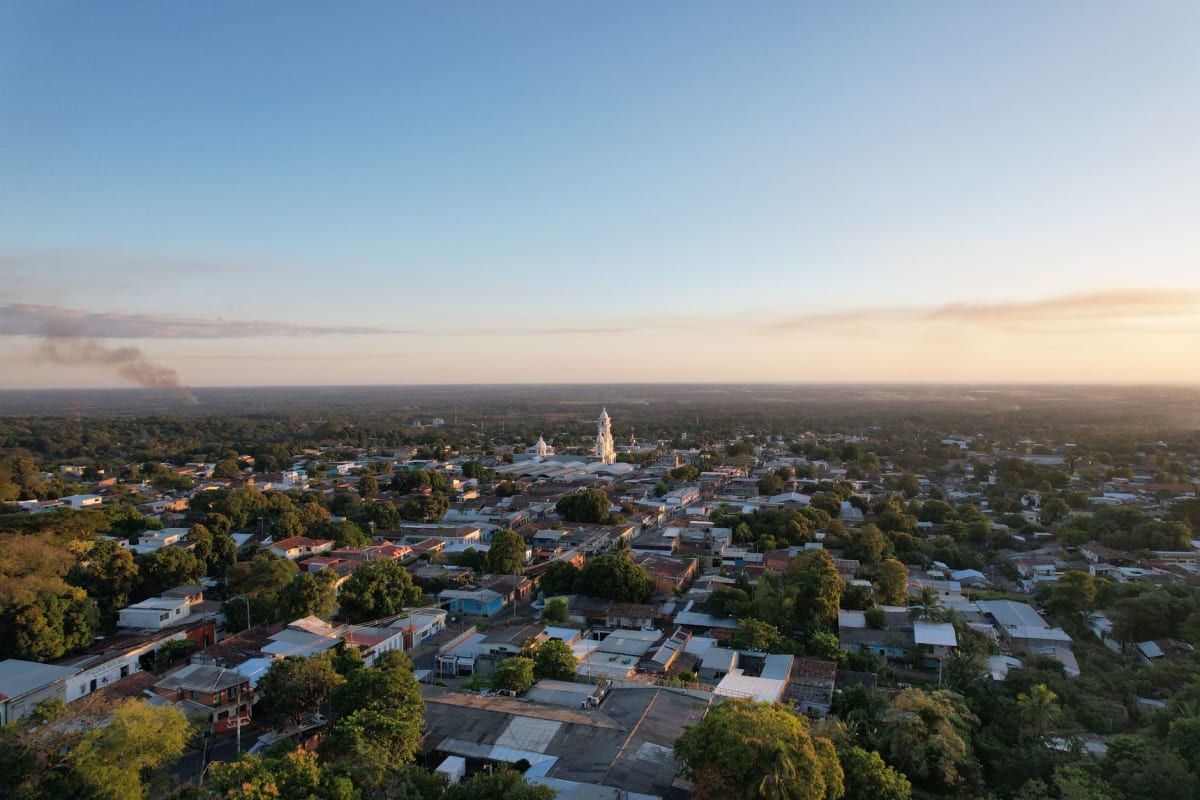
The surrounding landscape is extraordinary — long-pine highland country cut by river valleys and ravines that drop sharply toward the Honduran border. The Río Sapo, a short drive from town, runs clear and cold through a canyon where you can swim in deep pools between smooth boulders. Hiking trails lead out of Perquín to former guerrilla encampments, radio towers, and lookout points with views across a landscape that looks — in the cool highland air, the pines rising in rows — like nothing else in this small, mostly tropical country.
The town itself is small and quiet and has not been smoothed over by tourism. There are a few hospedajes and restaurants, the food running to highland staples: bean soup, grilled meat, fresh tortillas made on a clay comal. I ate dinner at a family restaurant where the menu was written on a chalkboard and consisted of three choices, all of them exactly right.

The family running the restaurant asked me where I was from, where I was going, whether I had been to the museum. When I said yes and asked what it was like to live here now, thirty years after the war, the woman cooking looked up from the stove and thought for a moment before answering. What she said, I wrote down afterward and have not shared, because some answers are for the person who asked and the person who answered, and nobody else. Perquín is not on most itineraries, and the drive from San Salvador takes four to five hours each way. This is, depending on your temperament, either a deterrent or the main reason to go.
When to go: November through April for dry roads — the dirt sections between San Miguel and Perquín become serious mud in rainy season. The anniversary of the peace accords in January draws former combatants and commemorative events. Allow a full day each way from San Salvador and plan to stay at least one night.
Keep exploring
More from El Salvador
 el-salvador
 Playa El Zonte
The surf beach that became Bitcoin Beach, where cryptocurrency and a laid-back point break coexist with a shrug most tourists never even notice.
Explore el-salvador
 Playa Las Flores
An eastern right-point break with fewer footprints in the sand than El Tunco and a wave that peels for what feels like a full minute.
Explore el-salvador
 Ruta de las Flores
The mountain road linking Sonsonate to Ahuachapán through coffee country and flower-draped villages, best experienced by pulling over whenever something catches your eye.
Explore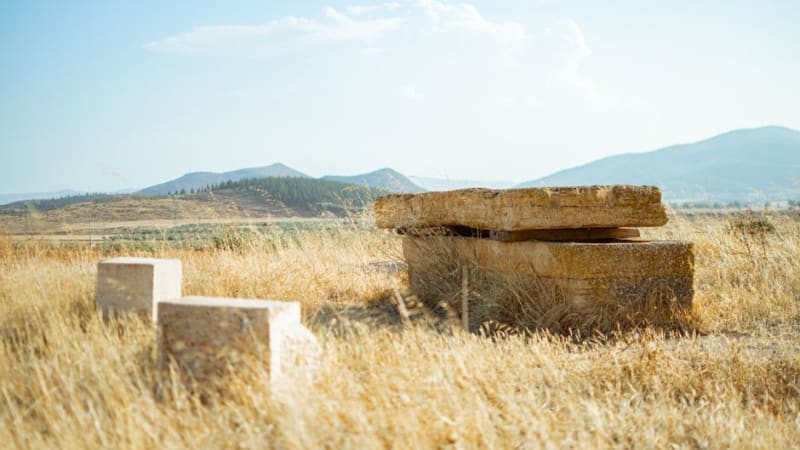 el-salvador
 San Andrés Ruins
A Maya ceremonial center buried by an ancient volcanic eruption and later reborn as a colonial indigo plantation, layering two entirely different histories on the same patch of the Zapotitán Valley.
Explore el-salvador
 San Salvador
El Salvador's capital is loud, congested, and unglamorous in the ways that make a city honest, with the Boquerón volcano watching over all of it like a patient relative.
Explore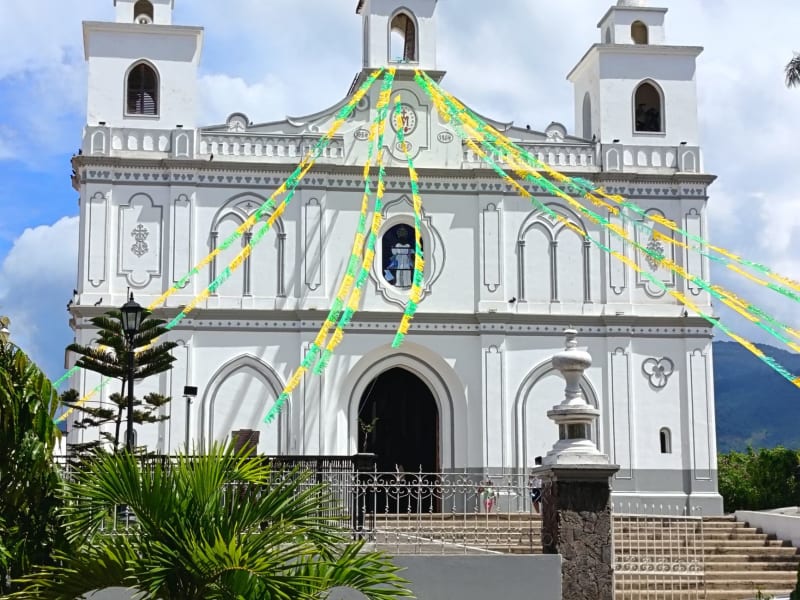 el-salvador
 Santa Ana
El Salvador's second city earns its confidence with a neo-Gothic cathedral, serious coffee culture, and a live volcano in its backyard.
Explore