
Americas
El Salvador
"Everyone warned me off El Salvador. Everyone was wrong."
A pocket-sized Pacific nation where active volcanoes shadow world-class surf breaks and a brutally misunderstood past makes space for one of Central America's most quietly compelling presents.

I crossed into El Salvador from Guatemala on a local bus that smelled of diesel and mango rinds, and within twenty minutes I understood that I had been lied to — not maliciously, just reflexively, the way people warn you off places they have never been. The driver blasted cumbia, a woman beside me shared a bag of pupusas she had packed for the journey, and outside the window the road climbed toward the cone of Santa Ana volcano, its summit trailing a thin ribbon of sulfurous smoke above a landscape so green it looked unreal. This was not the El Salvador of the travel advisories.
The country is tiny — you can drive from the Pacific coast to the Guatemalan border in two hours — and that compression works in its favor. In a single day I surfed a consistent left-hander at El Tunco as the sun rose over the volcanic range behind me, ate a late breakfast of casamiento and fried plantains at a comedora where a telenovela played at full volume, then drove up to the crater lake of Coatepeque, a collapsed caldera so impossibly blue it looked like something a graphic designer had invented. The coffee there — grown on the fertile volcanic slopes at high altitude — is some of the finest I have tasted anywhere in Latin America. I drank three cups standing at the edge of the crater.
San Salvador itself is a city that does not ask you to love it, and I respect that. The historic center is raw and interesting, the pupuserías along Bulevar de los Héroes are open until midnight, and the Museo de Arte de El Salvador punches well above the country’s weight. But the real El Salvador reveals itself in the pueblos of the Route of Flowers — Nahuizalco, Juayúa, Apaneca — highland towns connected by a road that passes through coffee plantations and colonial churches and Saturday markets selling things that have nothing to do with tourism. I spent an entire afternoon at the Juayúa food festival eating things I could not name and drinking horchata from clay cups.
When to go: November through April is the dry season, and November is the sweet spot — the rains have stopped, the surf is pumping, and the highlands are still brilliantly green from the wet months. Avoid Holy Week unless you specifically want to experience it: it is spectacular but the beaches are gridlocked. The rainy season from May to October is not unpleasant in the highlands — mornings are usually clear — but the Pacific coast takes serious swell and the roads to some villages become adventures.
What most guides get wrong: They either skip El Salvador entirely on the gringo trail between Guatemala and Nicaragua, or they frame it as a “surprising gem” — which is just condescension with a positive spin. El Salvador is not surprising if you actually know Central America. It has a sophisticated food culture, a serious surf scene that attracts travelers who care more about waves than Instagram, and a generation of young Salvadorans building something genuinely interesting in the cities. The violence that dominated headlines for a decade has dramatically receded. The country is moving fast. If you wait until it is “discovered,” you will have missed the best version of it.
Explore
Places in El Salvador
 el-salvador
 Alegría
A hillside flower town in the eastern highlands where every balcony seems to be competing gently with the one next door.
Explore el-salvador
 Apaneca
The highest and coolest town on the Route of Flowers, where coffee cooperatives and a zip line through the canopy make for the rare highland stop that wants you to move rather than linger.
Explore el-salvador
 Concepción de Ataco
A Route of Flowers town that turned every blank wall into a mural, best experienced on a Saturday morning when the artisan market spills out from the plaza in every direction.
Explore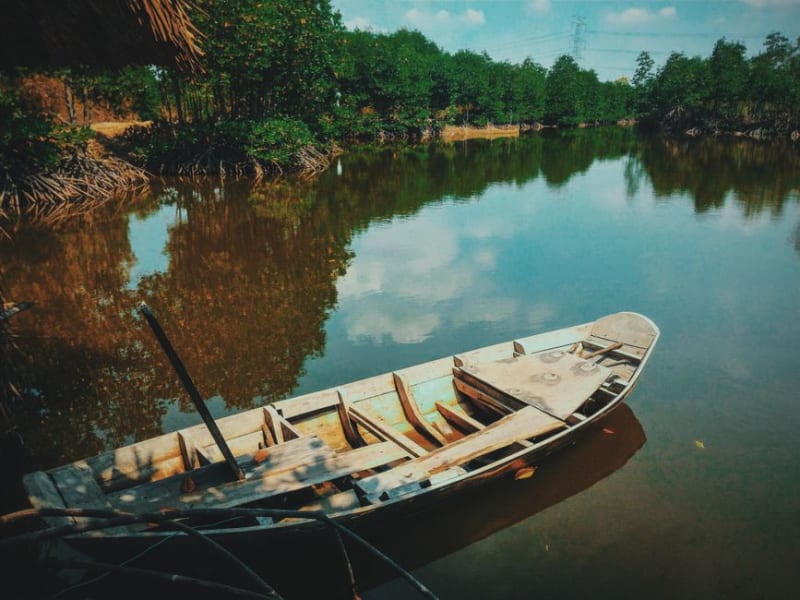 el-salvador
 Bahía de Jiquilisco
El Salvador's largest mangrove estuary, where oyster fishermen work tidal channels that also happen to be a Ramsar-protected turtle nursery.
Explore el-salvador
 Berlín, El Salvador
A modest highland coffee town whose only real link to its European namesake is a shared name and a certain steady, unhurried composure.
Explore el-salvador
 Conchagua Volcano
A quiet cone above the Gulf of Fonseca where a single summit view stitches three countries together in one glance.
Explore el-salvador
 El Boquerón National Park
The crater rim above San Salvador, with a smaller cone slumbering inside the main one and a view of the capital sprawled out below like a map come to life.
Explore el-salvador
 El Cuco
A sleepy eastern fishing town where the beach stretches wide and empty and nobody is in a hurry to change that.
Explore el-salvador
 El Imposible
El Salvador's largest national park earned its name from the terrain that guards it and still asks something real from anyone who wants in.
Explore el-salvador
 El Mozote
A small rural hamlet in Morazán holding the memory of the deadliest massacre of the Salvadoran Civil War with quiet, deliberate care.
Explore el-salvador
 El Tunco
A black-sand Pacific village where serious surfers come for the wave and quietly end up staying for the life.
Explore el-salvador
 Izalco Volcano
A perfect black cone once so relentlessly active that sailors called it the Lighthouse of the Pacific, now dormant and strangely still beside its noisier neighbors.
Explore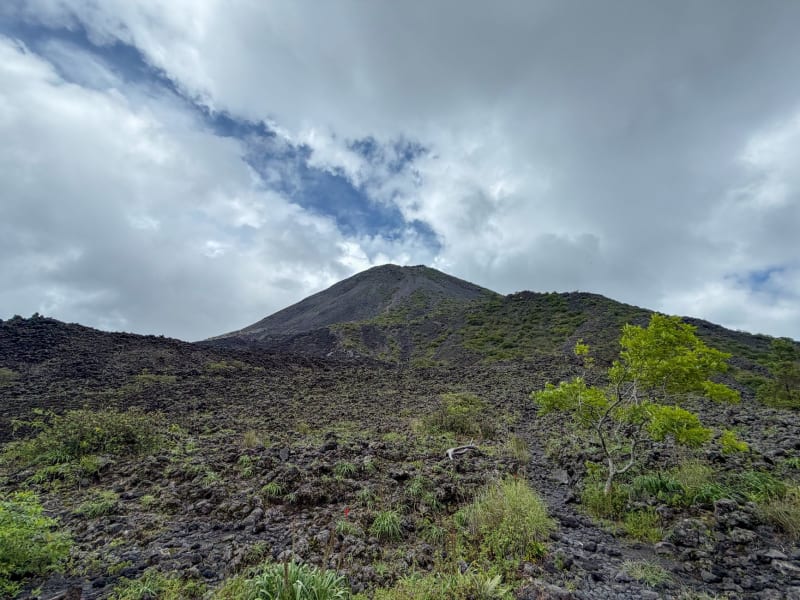 el-salvador
 Joya de Cerén
A Maya farming village buried by volcanic ash in 590 CE, preserved in such eerie domestic detail it earned the name the Pompeii of the Americas.
Explore el-salvador
 Juayúa
A highland town on the Route of Flowers where the weekend food festival is the best argument for eating adventurously in all of Central America.
Explore el-salvador
 La Libertad
A working fishing port where the pier fills with dawn fishermen and Central America's most famous point break waits just offshore.
Explore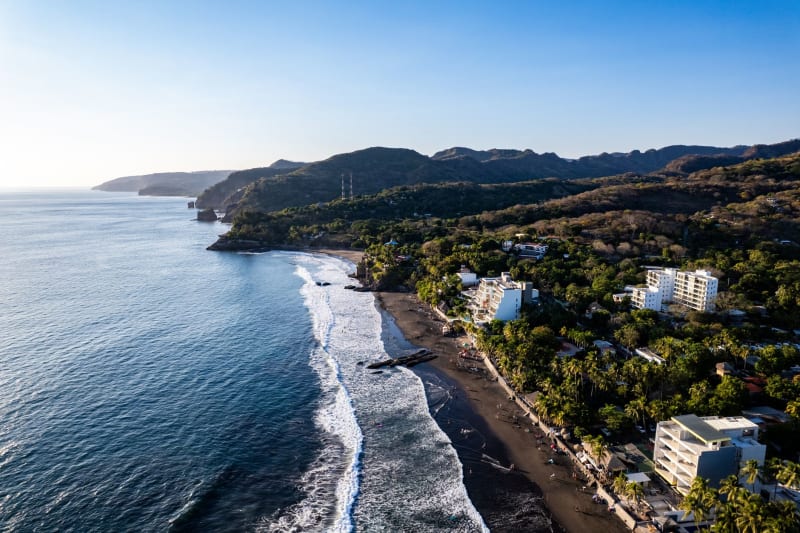 el-salvador
 La Palma
A pine-forest mountain town near the Honduras border where a utopian naïf art movement painted every surface and never quite stopped.
Explore