Manta
"The tuna boats and the sunbathers share the same three kilometers of coastline, and neither seems bothered by the other."
Ecuador's biggest working port city, where a genuinely serious tuna industry operates a few hundred meters from beach clubs and ceviche stands that don't know the difference.
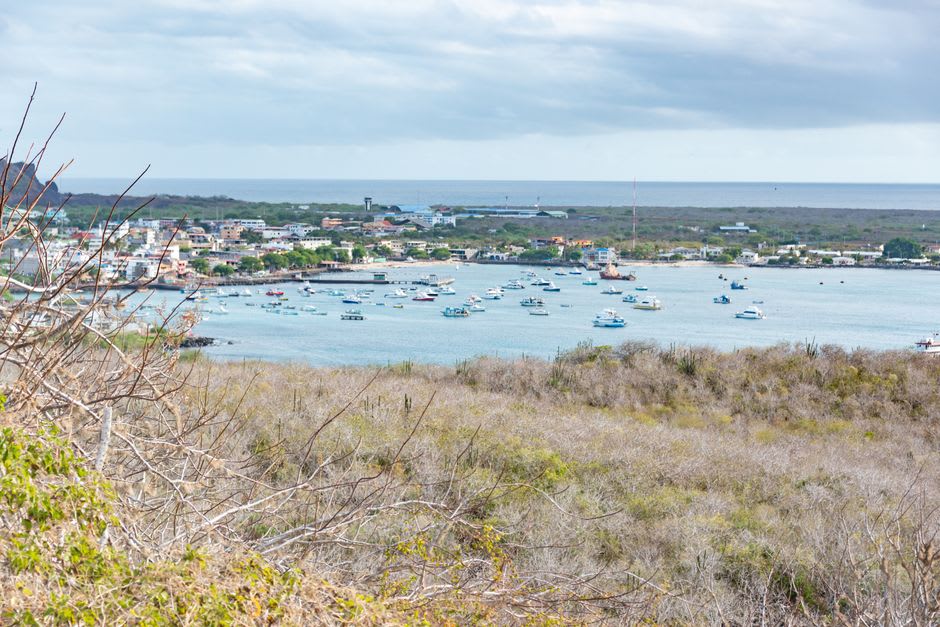
Manta introduces itself as a port before it introduces itself as anything else — the harbor is enormous by Ecuadorian standards, lined with commercial fishing vessels and container cranes, and the smell of the tuna processing plants drifts over parts of downtown depending on the wind. I’d read that Manta was mostly a stopover, an industrial city without much reason to linger, and found instead a place with a much better beach scene than its reputation suggests, sitting incongruously close to all that heavy industry.
The Tuna Capital, Genuinely
Ecuador is one of the world’s largest exporters of canned tuna, and Manta is the center of that industry — a significant share of the country’s catch gets landed, processed, and shipped from here. I toured the fish market near the port early one morning, where boats were unloading yellowfin the size of a person onto ice, buyers moving fast between stalls, the whole operation running at an intensity that had nothing to do with tourism. It’s not a polished experience and there’s no gift shop, but it’s one of the more honest working views into Ecuador’s economy that I came across.
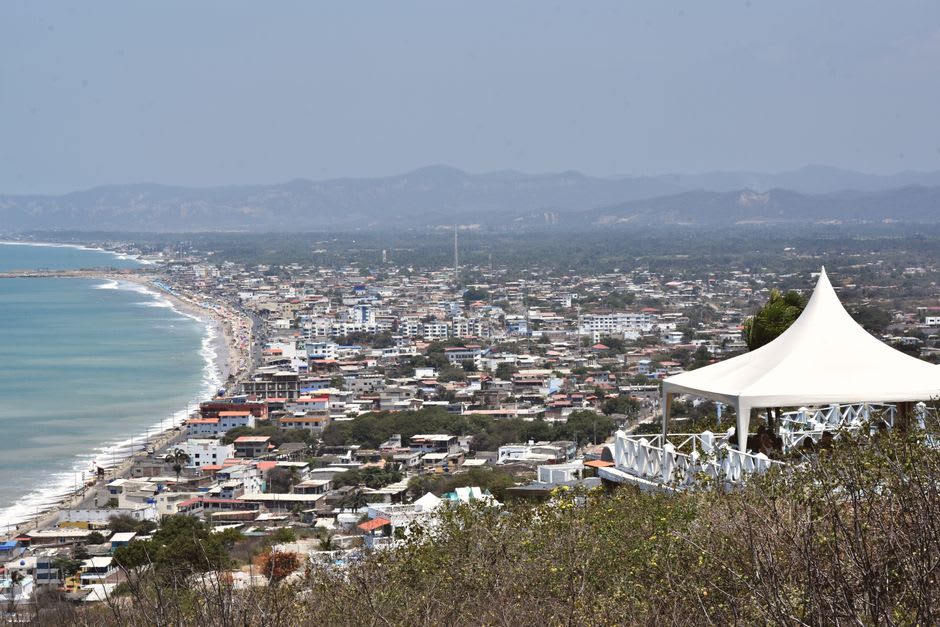
Playa Murciélago and a Surprisingly Good Beach Scene
A short taxi ride from the port, Playa Murciélago is Manta’s main city beach, a long stretch of sand backed by hotels, seafood restaurants, and beach clubs that fill up with Ecuadorian families on weekends. I spent an afternoon there eating fresh ceviche de pescado from a beachfront stall, and was struck by how normal and lived-in it felt compared to the more curated resort beaches further south — this is a beach built for locals first, with visitors folded in rather than catered to exclusively.
Panama Hats, Made in the Wrong Country’s Name
About forty minutes inland, the small town of Montecristi produces the finest Panama hats in the world — a naming injustice dating back to the hats being shipped to the world through the Panama Canal rather than Ecuador getting credit at the source. I visited a workshop where a weaver, working with toquilla straw so fine it looked almost like thread, spent weeks on a single superfino hat, and paid a fraction of what the same hat sells for once it reaches a shop in Quito or abroad. If you’re going to buy one hat in Ecuador, buy it here, from the source.
When to go: Manta is warm and beach-appropriate essentially year-round, with December through April being the sunniest, driest stretch. Weekdays give a much calmer version of Playa Murciélago than the crowded weekends favored by day-trippers from Portoviejo and beyond.
Keep exploring
More from Ecuador
 ecuador
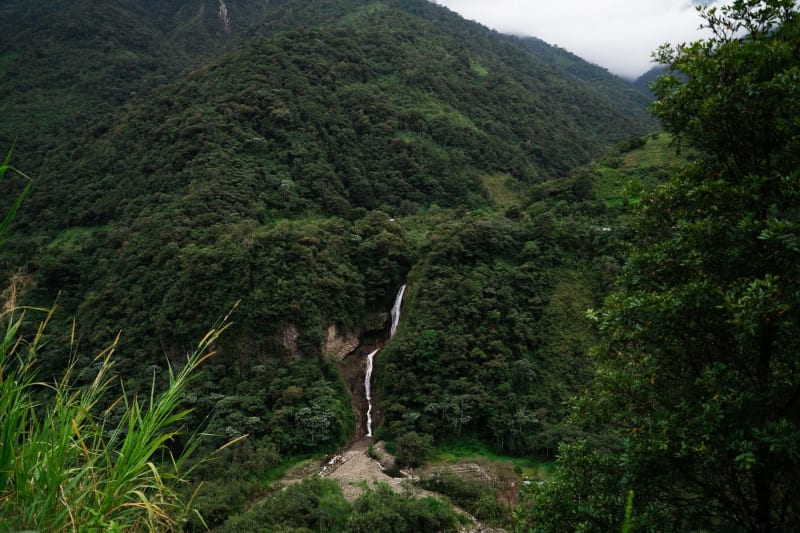
 Mindo Cloud Forest
A birdwatcher's paradise where 400 species share cloud forest trails with chocolate farms and butterfly gardens.
Explore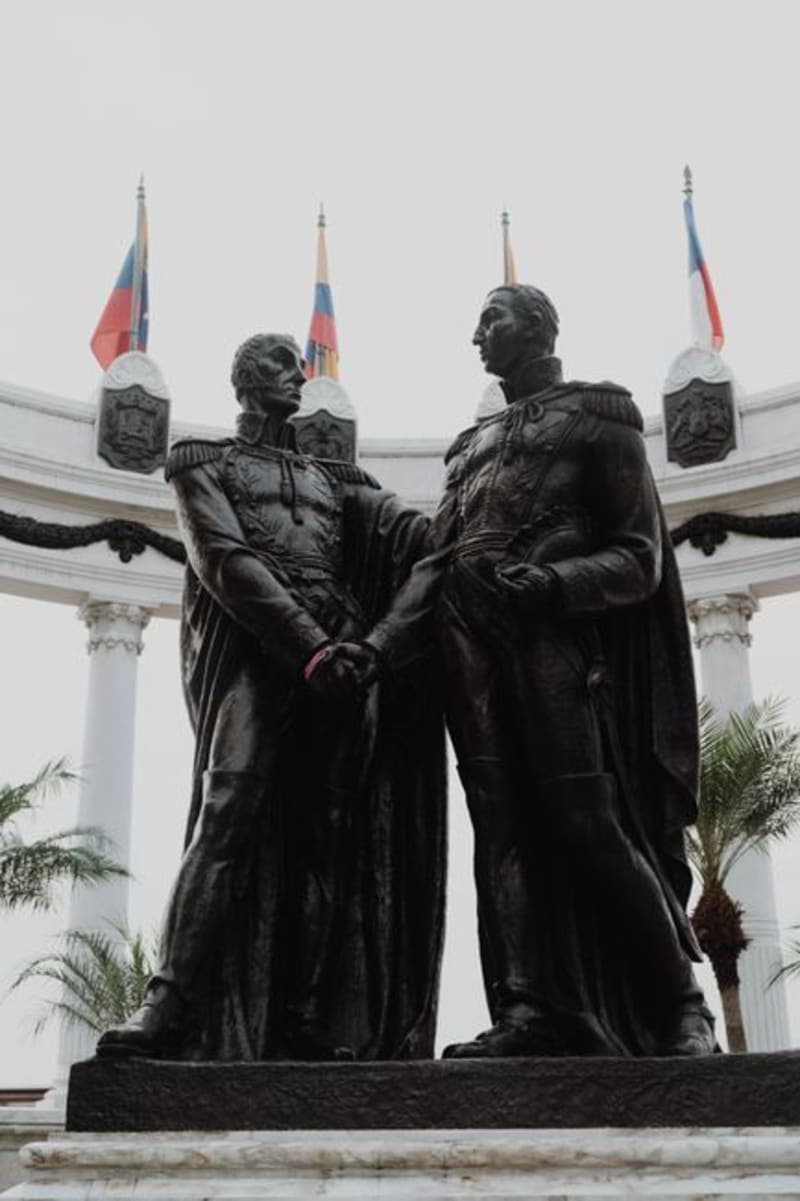 ecuador
 Mitad del Mundo
A monument built to mark the equator, forty meters from where GPS says the actual line runs — and somehow both the miscalculation and the monument are worth the trip.
Explore ecuador
 Mompiche
A dead-end fishing village on Ecuador's northern coast with one long point break, sand streets, and none of the development that's reached the beaches further south.
Explore ecuador
 Montañita
A Pacific surf town that runs on cheap ceviche, consistent left-hand breaks, and a social metabolism that doesn't start until well after dark.
Explore ecuador
 Nono
A small cloud forest village on the northwestern slope of Pichincha, and the first proper stop on Ecuador's celebrated hummingbird route out of Quito.
Explore ecuador
 Otavalo
The largest indigenous market in South America, where Kichwa traders have been selling textiles on this same plaza for centuries and show no signs of stopping.
Explore