
Otavalo
"By seven in the morning the market was already deep, and I was already lost in it."
The largest indigenous market in South America, where Kichwa traders have been selling textiles on this same plaza for centuries and show no signs of stopping.

I arrived at Otavalo on a Saturday before dawn because someone at my hostel in Quito told me the market was best before the tour buses. She was right, though I wasn’t entirely prepared for what early meant — vendors setting up by lamplight, the smell of smoke from food stalls getting coals started, Kichwa women in white embroidered blouses and long dark skirts moving through the dark with serious purpose. The Plaza de Ponchos at 6 a.m. is a different place than at noon.
The Market and What It Actually Is
I want to be honest about something: Otavalo’s Saturday market is genuinely one of the finest craft markets in the Americas, and it is also genuinely a place where tourists come in large numbers. Both things are true. What surprised me was that the quality holds. You can buy bad acrylic blankets stamped with llamas, yes. You can also find hand-woven ikat tapestries that take a weaver months, alpaca sweaters with actual lanolin still in the fiber, and silver jewelry made by the same families who taught their children who are now selling to you. The trick is time and willingness to walk past the first layer.
Haggling and Not Haggling
The Otavaleños are sophisticated traders who have been at this longer than Ecuador has been a country. Modest bargaining is expected but aggressive bargaining is rude, and the vendors know exactly what their work is worth. I found the best approach was to ask questions first — how something was made, what the fiber was, how long it took — and then negotiate from a position of actual interest rather than theatrical skepticism. You get better prices and better goods and more honest conversations.
Outside the Plaza
The market spills beyond the Plaza de Ponchos into the surrounding streets, and the animal market runs separately nearby. There’s also a produce section where no tourist goes, which is where I ate: a bowl of mote con chicharrón, hominy with fried pork skin, eaten standing up with a plastic fork, watching a woman haggle over potatoes with the focused intensity of a hedge fund manager. The food vendors in the market proper sell hornado — whole roasted pig — and the smell of it is everywhere by nine in the morning.
Lago San Pablo and the Valley
Otavalo sits in a valley ringed by extinct volcanoes, and the lake south of town — San Pablo — has the reflective stillness that highland lakes in the Andes always seem to manage. I rented a bicycle one afternoon and rode the road around it, which took about two hours and passed through a few villages so small they didn’t appear on the map on my phone. Imbabura volcano anchored the whole scene from the north, cloud-capped and unhurried. It was one of those rides where you stop pedaling and just coast for a while because coasting feels like enough.
When to go: Saturday is the main market day, with activity starting before dawn and winding down by early afternoon. A smaller market runs on Wednesday. The dry season from June through September is ideal for the valley cycling and lake walks. The Inti Raymi festival in late June brings remarkable celebrations throughout the Otavalo valley.
Keep exploring
More from Ecuador
 ecuador
 Papallacta
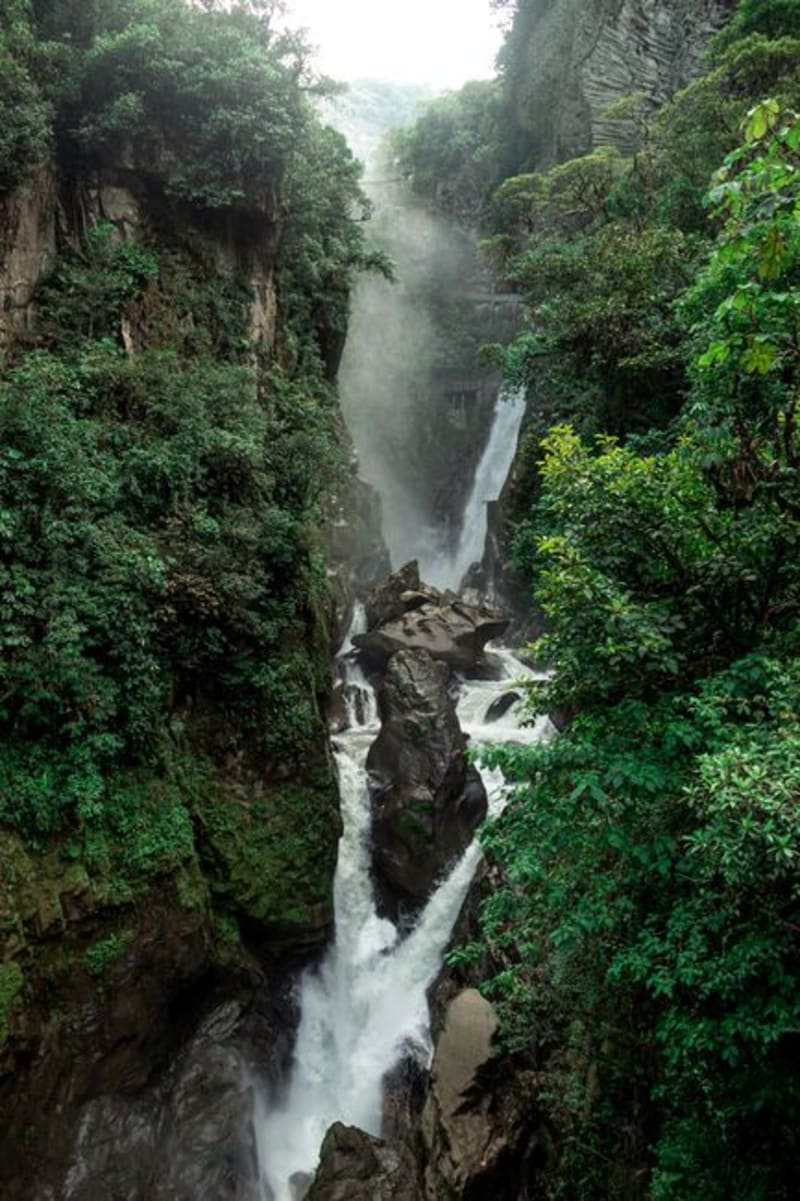
A cluster of volcano-fed thermal pools two hours from Quito, perched at 3,300 meters where the Andes start dropping toward the Amazon.
Explore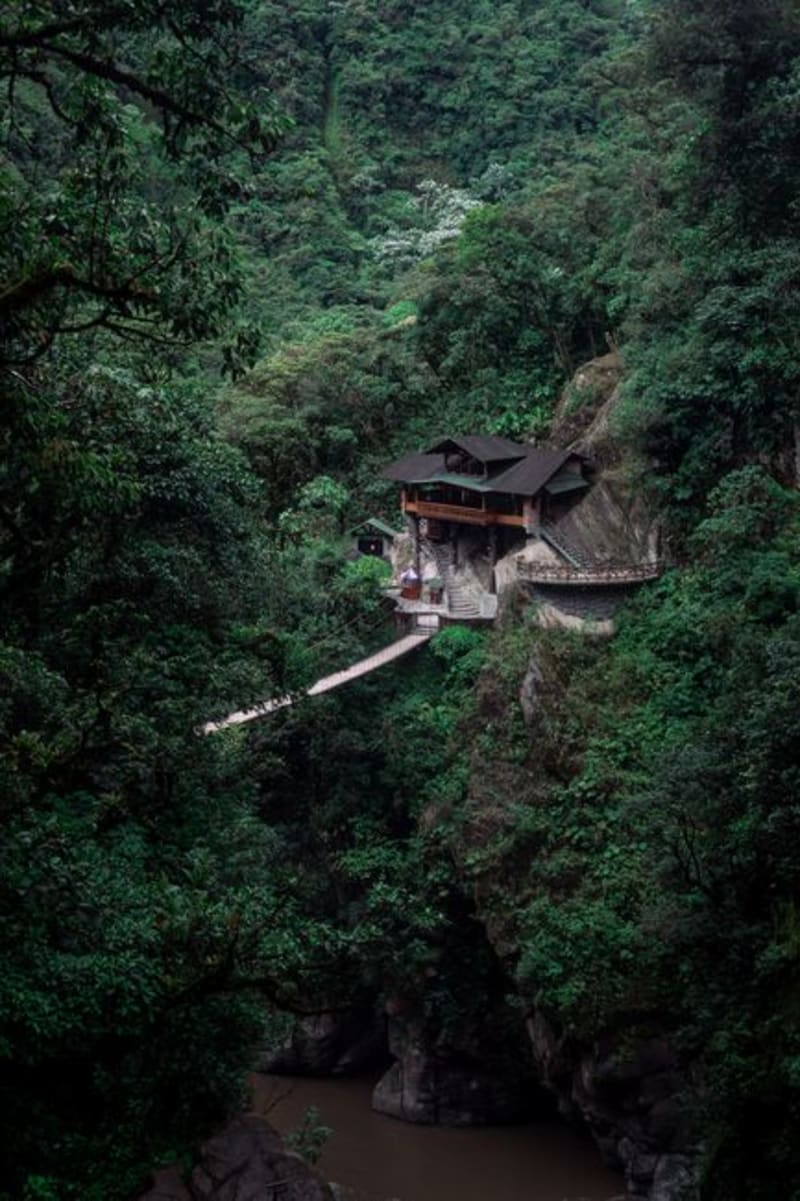 ecuador
 Podocarpus National Park
A cloud forest reserve straddling the Andes-to-Amazon transition in Ecuador's far south, thick with orchids and hummingbirds and named for one of the last native conifers in South America.
Explore ecuador
 Puerto Lopez
A working fishing village on Ecuador's central coast where humpback whales pass close enough to see from the beach, and the boats that chase them at dawn are the same ones hauling in the day's catch by noon.
Explore ecuador
 Puyo
A humid provincial capital where the paved streets of the Andean foothills simply stop and the Amazon begins, without much of a transition in between.
Explore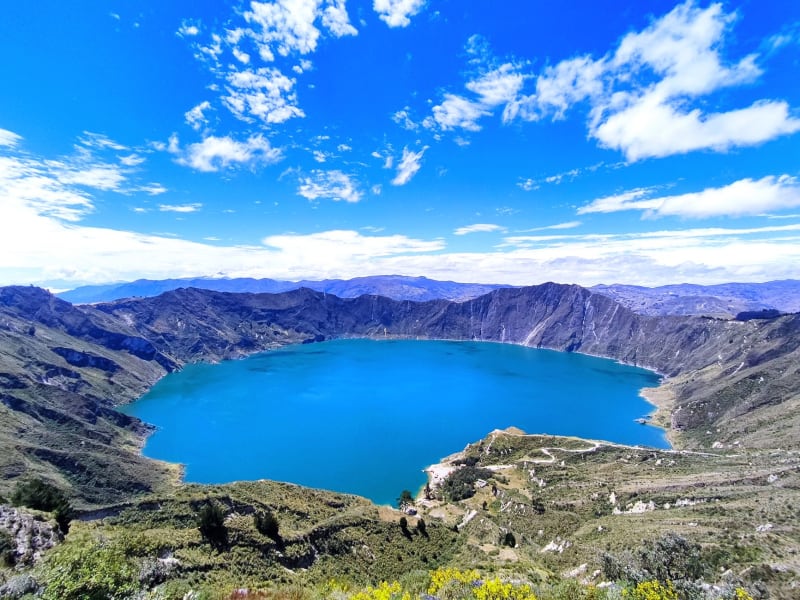 ecuador
 Quilotoa
A collapsed volcano filled with a crater lake of improbable green, sitting at the end of a four-day walk through indigenous villages that most travelers skip entirely.
Explore ecuador
 Quito
The world's best-preserved colonial center sits at 2,850m surrounded by snowy Andean volcanoes.
Explore