
A colonial city so perfectly preserved it feels less like a living place and more like an argument about what the Spanish Empire could have been.

There’s a cathedral in Cuenca with blue domes the color of old Delft tiles, and for the first two days I kept stopping in the middle of the street to look at it. Not because I hadn’t seen it before — I had, from three different angles — but because the afternoon light did something different to the glaze each time. Cuenca is that kind of place. You think you’ve processed it and then it quietly refuses to be finished.
The City at Its Own Pace
Cuenca sits at 2,500 meters in Ecuador’s southern highlands, and the altitude gives it a particular temperament: cool mornings, warm middays, evenings that close in early. The old city — a UNESCO site — runs along the Tomebamba River, and the best thing I did was follow that river from the Todos Santos ruins downstream past the washing women, past the eucalyptus and bougainvillea tumbling over the embankment, past the women selling empanadas from folding tables. The colonial center is genuine, not manicured. The churches are actually used. The market stalls run into the cathedrals.
Eating and the Market at 10 de Agosto
The Mercado 10 de Agosto is where I ate lunch every day I was there. The rule is simple: find a woman with a full pot and a line, pay four dollars, eat whatever she serves. I had locro de papa so thick the spoon stood in it, a bowl of caldo de res that tasted like someone had been tending it since morning, and one plate of llapingachos — potato cakes fried crisp with a peanut sauce — that I still think about. Nobody is performing the market for tourists. Everyone is just buying groceries.
Crafts and the Slow Art of Panama Hats
The irony that Panama hats come from Ecuador is well-known but still feels worth lingering on. In Cuenca’s workshops, you can watch the weavers. The finest grade — superfino — takes weeks per hat, worked before dawn by feel because the fibers are too tight for daylight weaving. I watched a woman work for twenty minutes and the hat barely seemed to change. That kind of patience produces things that are worth owning.
Up to the Ruins at Pumapungo
On the eastern edge of the old city, the Pumapungo archaeological site holds the remains of an Inca temple complex and a small museum that is, without exaggeration, one of the best-curated pre-Columbian collections in the country. The artifacts are labeled clearly, the context is explained without condescension, and the site itself — overgrown just enough, with a view over the river valley — feels like an honest place. Lia and I spent two hours there and neither of us checked our phones once.
When to go: Cuenca’s highland climate is consistent year-round, with the driest months running June through September. The Carnival celebrations in February and the Pase del Niño Viajero procession in December are both worth planning around. Avoid the wettest months of March and April if you want reliable afternoon light for walking.
Keep exploring
More from Ecuador
 ecuador
 Cuyabeno Wildlife Reserve
A flooded forest reserve in the northeastern Amazon where you travel by canoe more than by foot, and pink river dolphins surface beside the boat without much ceremony.
Explore ecuador
 Galapagos Islands
Where evolution put on its most extravagant show — animals evolved with no fear of humans and show it.
Explore ecuador
 General Villamil
Guayaquil's closest beach, a straightforward working fishing town turned weekend getaway where wooden balsa rafts still put out from the same sand the sunbathers use.
Explore ecuador
 Guayaquil
Ecuador's largest city and economic engine, a hot, humid river port that spent two decades rebuilding its waterfront into one of South America's more genuinely successful urban makeovers.
Explore ecuador
 Ibarra
The 'White City' of the northern Andes, built on the ruins of an earthquake, known equally for its whitewashed colonial streets and a specific frozen dessert nobody leaves without trying.
Explore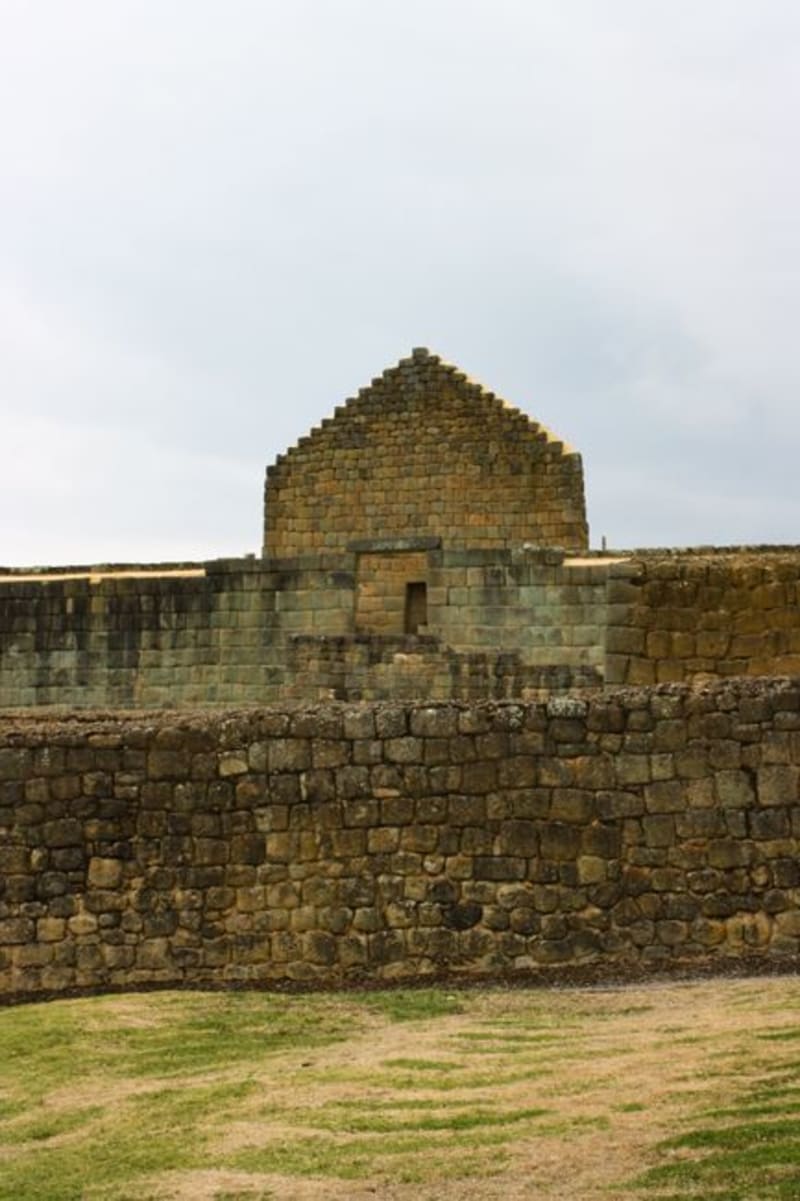 ecuador
 Ingapirca
Ecuador's largest surviving Inca complex, an elliptical sun temple built on top of an older Cañari site, in a windswept highland setting that most Andes-bound travelers rush past.
Explore