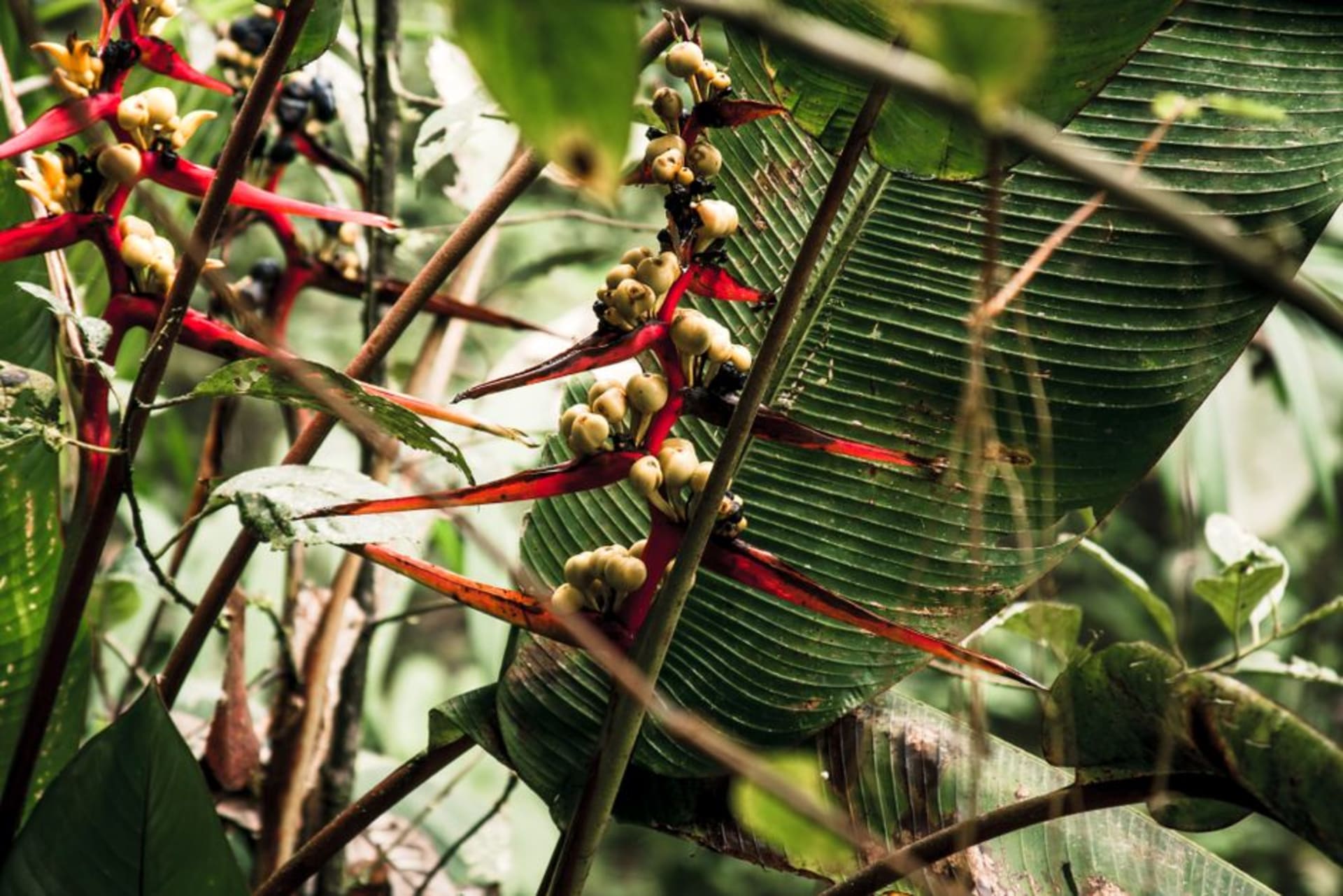
Cuyabeno Wildlife Reserve
"We paddled into a flooded forest at night with headlamps off, and the black caiman's eyes caught the light before anything else did."
A flooded forest reserve in the northeastern Amazon where you travel by canoe more than by foot, and pink river dolphins surface beside the boat without much ceremony.

Getting into Cuyabeno means giving up on walking for a few days and accepting the canoe as your only mode of transport, which took some adjustment. The reserve sits in Ecuador’s far northeast, near the Colombian border, a vast system of blackwater lagoons and flooded forest fed by the Aguarico River, and for most of the year large sections of it simply don’t have dry ground to stand on. You get around by dugout or motorized canoe, silently, which turns out to be the best possible way to see wildlife that would otherwise hear you coming from a hundred meters off.
Laguna Grande and the Pink Dolphins
The reserve’s central lagoon, Laguna Grande, is where most lodges base their activities, and it’s also where I had my first close encounter with pink river dolphins — botos — surfacing a few meters from the canoe with the same unhurried confidence as the guides who’d clearly seen this exact scene hundreds of times. We were allowed to swim in the lagoon in the late afternoon, the dolphins moving somewhere beneath us the entire time, an experience that mixes wonder with a very specific low-grade nervousness about what else might be sharing the water, which the guides assured us, with what I chose to believe was total honesty, was nothing dangerous.

Night Canoe and the Black Caiman
The activity that stayed with me longest was a night paddle through the flooded forest, guides sweeping headlamps low across the water to catch the reflective eyeshine of caimans hiding at the surface. We found a black caiman close enough that our guide, with what felt like showman’s timing, reached down and lifted it briefly from the water by hand to show us its size before releasing it — a species that can grow past four meters and was hunted to near local extinction before conservation efforts inside the reserve helped populations recover. The forest at night here is genuinely loud, a wall of insect and frog sound that never really stops, and paddling through it with the engine off is as close to total immersion in a functioning ecosystem as I’ve experienced.
Siona and Secoya Communities
Cuyabeno is home to several indigenous nationalities, including Siona, Secoya, Kichwa, and Cofán communities, some of whom run lodges and cultural visits themselves. I visited a small Siona community where a woman demonstrated preparing yuca-based chicha, the fermented drink central to Amazonian hospitality, and talked candidly about the pressures the community faces balancing tourism income against maintaining traditional practices — a conversation more substantive than the usual staged “cultural visit” I’d braced for.
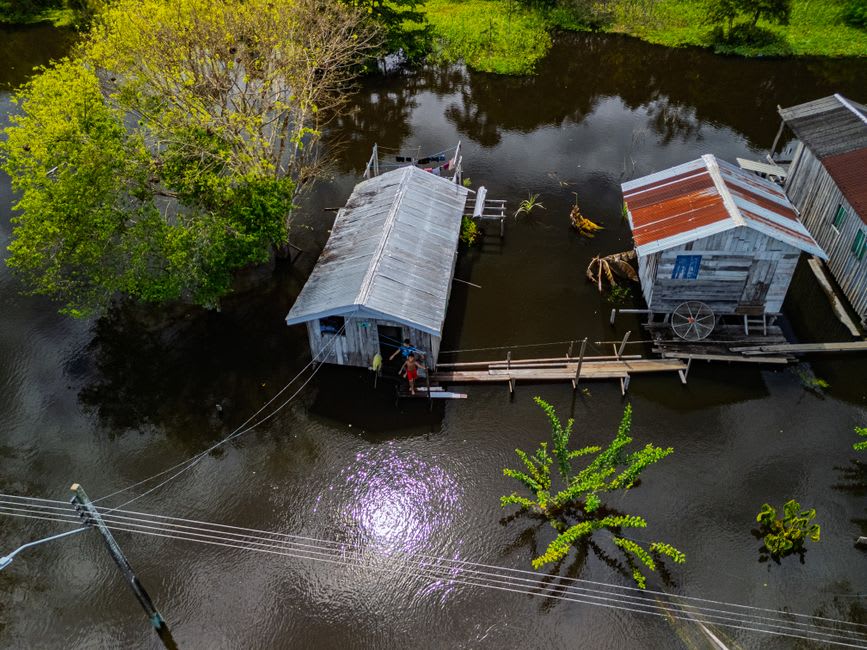
When to go: The wet season, roughly April through August, floods more of the forest and opens up canoe access to areas otherwise unreachable, though water levels also mean fewer riverbank walks. The drier months from December through March allow more forest hiking alongside the canoe trips. Book through a licensed operator with a permanent lodge inside the reserve rather than a day-tour reseller in Lago Agrio.
Keep exploring
More from Ecuador
 ecuador
 Galapagos Islands
Where evolution put on its most extravagant show — animals evolved with no fear of humans and show it.
Explore ecuador
 General Villamil
Guayaquil's closest beach, a straightforward working fishing town turned weekend getaway where wooden balsa rafts still put out from the same sand the sunbathers use.
Explore ecuador
 Guayaquil
Ecuador's largest city and economic engine, a hot, humid river port that spent two decades rebuilding its waterfront into one of South America's more genuinely successful urban makeovers.
Explore ecuador
 Ibarra
The 'White City' of the northern Andes, built on the ruins of an earthquake, known equally for its whitewashed colonial streets and a specific frozen dessert nobody leaves without trying.
Explore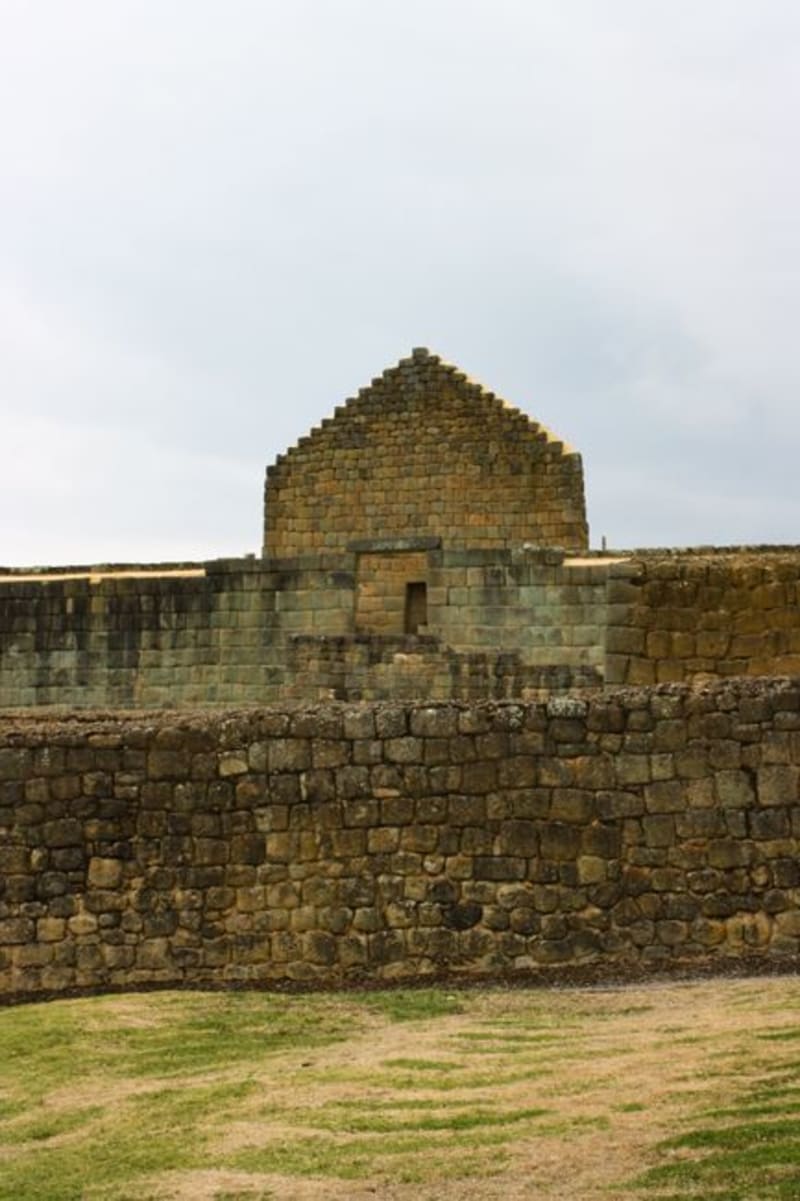 ecuador
 Ingapirca
Ecuador's largest surviving Inca complex, an elliptical sun temple built on top of an older Cañari site, in a windswept highland setting that most Andes-bound travelers rush past.
Explore ecuador
 Loja
A tidy, self-possessed Andean city in the far south that calls itself Ecuador's cultural and musical capital, and largely earns the claim without needing to convince anyone of it.
Explore