
Lubumbashi
"Every piece of copper wire on earth may have passed through this city's hands — and Lubumbashi knows it."
The copper capital of southern Congo where jacaranda-lined colonial boulevards, vibrant markets, and a serious art scene coexist with the mines.

The name itself tells you something about the history: Lubumbashi replaced Élisabethville in 1966, the year of Mobutu’s Authenticité campaign, when the new nation tried to scrub the colonial nomenclature from the map. The colonnaded boulevards that remain from the Belgian era have a different meaning now — they’re wide, leafy, slightly faded, and they belong to a Congolese city that has built its own identity on top of the copper money that has always been the point of this place.
I came south from Kinshasa by air — the distances in this country make most overland travel an adventure in patience — and landed in a heat that was dry and serious, different from the humidity of the north. Lubumbashi sits near 1,200 metres above sea level on the southern Katanga plateau, and the air has a clarity that is almost the inverse of Kinshasa’s. The copper mines begin almost as soon as you leave the airport; open-pit operations stretch across the landscape in reddish-brown shelves, and the smelter stacks put a particular quality of haze over the southern hills that has the look of weather but is not weather.

The Musée National de Lubumbashi is housed in a colonial building on the edge of the old commercial district, and it is one of the genuine surprises of this city. The collection includes an extensive survey of Katanga’s traditional cultures — carved wooden stools, ceremonial masks, copper crosses (the mitumba, ancient currency of the Katanga trade networks) — and a historical section that does not flinch from the colonial period. The copper crosses arrested me for longer than anything else: objects the size of your palm or your torso, cast centuries ago from the same ore that drew the Belgians, that drew multinational mining companies, that continues to draw investment from three continents today. The same metal, different hands, a very long story with no ending visible yet.
The city’s art scene is unexpectedly active. Lubumbashi has hosted major contemporary art exhibitions and an international biennale, and there is a community of painters and sculptors working in the Katanga tradition alongside more contemporary modes. I spent an afternoon at a studio in the Kamalondo neighbourhood with a sculptor who worked in reclaimed copper wire, making human figures that seemed to pull themselves upright against some invisible gravity. His studio smelled of metal shavings and oil, and he spoke about his work in terms of the land — what comes out of it, what was taken from it, what remains. The conversation lasted longer than I’d planned and was worth every minute.

Eating in Lubumbashi reveals the city’s southern connections: the proximity to Zambia brings certain ingredients and cooking styles across the border, and the old caravan trade routes left flavour traces in the street food. I ate nsima — the stiff maize porridge of the southern African plateau — with goat stewed in a sauce that had dried tomato and something like cumin in it, served at a roadside restaurant where the television was showing a Zambian football match with the sound off and the room filled in its own sound anyway.
When to go: May through August is the dry season on the Katanga plateau — cool, clear, excellent conditions for moving around the city. The rains come from October to April, with December and January the wettest months. The city functions and the art scene continues year-round; the mining economy doesn’t stop for weather, and neither does Lubumbashi.
Keep exploring
More from DR Congo
 dr-congo
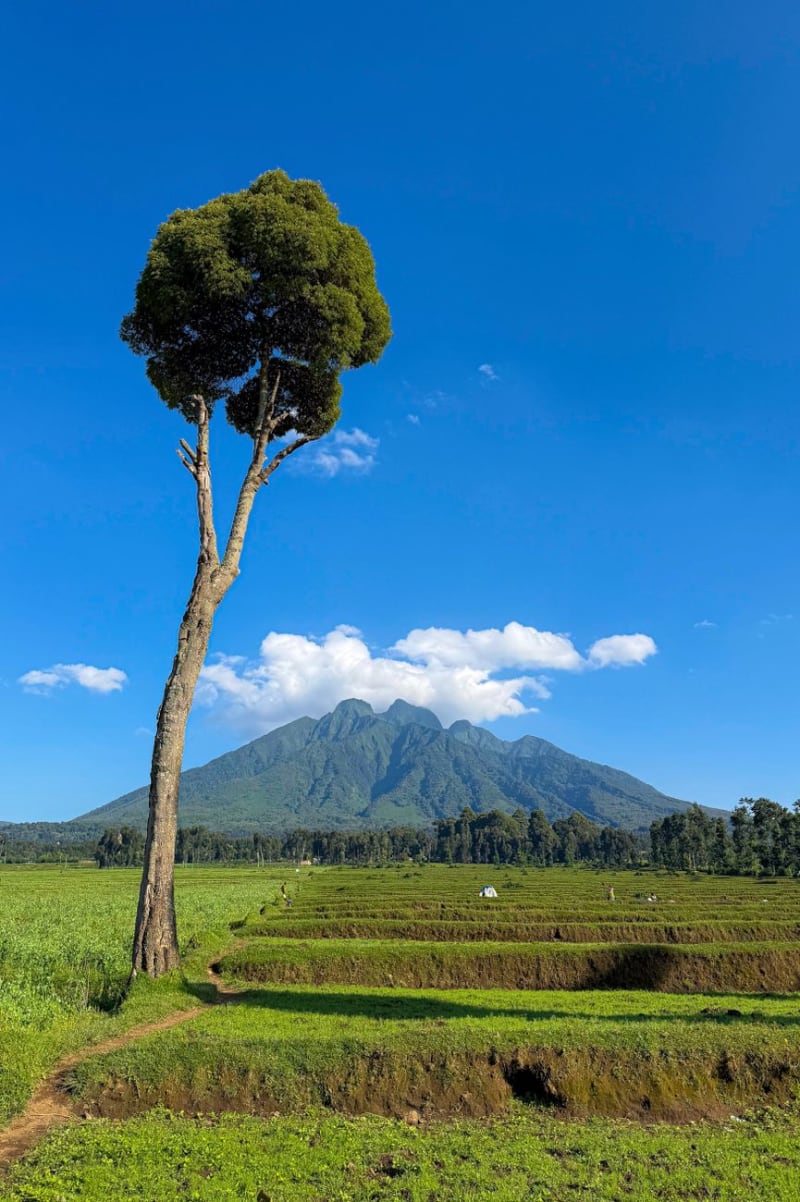
Mount Nyiragongo
An active volcano above Goma cradling the world's largest lava lake, climbed in a hard day to sleep on the crater rim above a churning sea of fire.
Explore dr-congo
Salonga National Park
A river-only rainforest wilderness in the heart of the Congo Basin, home to bonobos and a silence I still think about.
Explore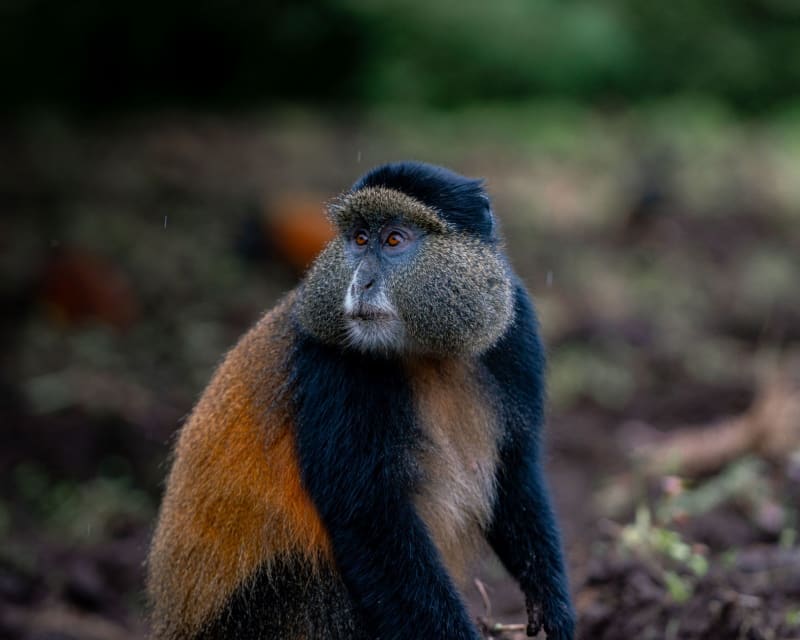 dr-congo
Virunga National Park
Africa's oldest park, where mountain gorillas move through volcanic forest and a lava lake glows orange on the crater rim above.
Explore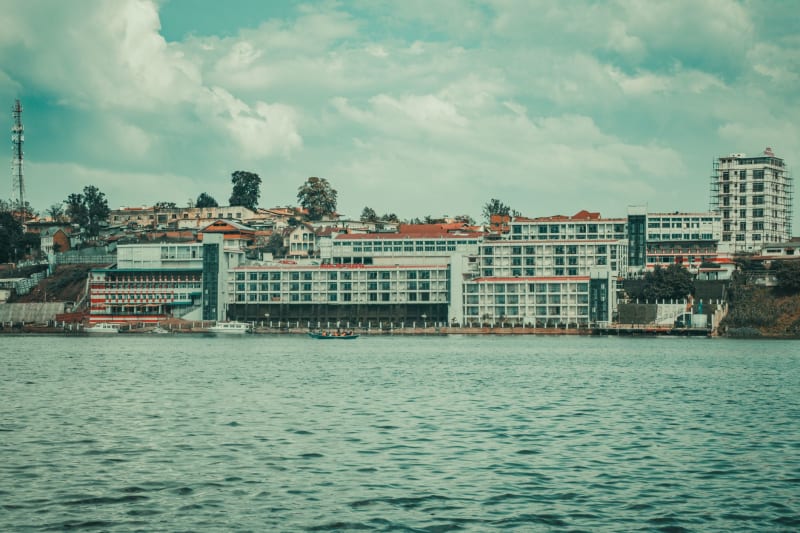 dr-congo
Bukavu
A lake city of crumbling Belgian villas and smoky fish stalls draped across five green peninsulas at the southern end of Lake Kivu.
Explore dr-congo
Garamba National Park
A vast northeastern savanna park where Congo giraffes and long-tusked elephants move through golden grass in one of Africa's rarest landscapes.
Explore dr-congo
Goma
A frontier city built on hardened lava where an active volcano glows at night and Lake Kivu glitters impossibly blue by day.
Explore