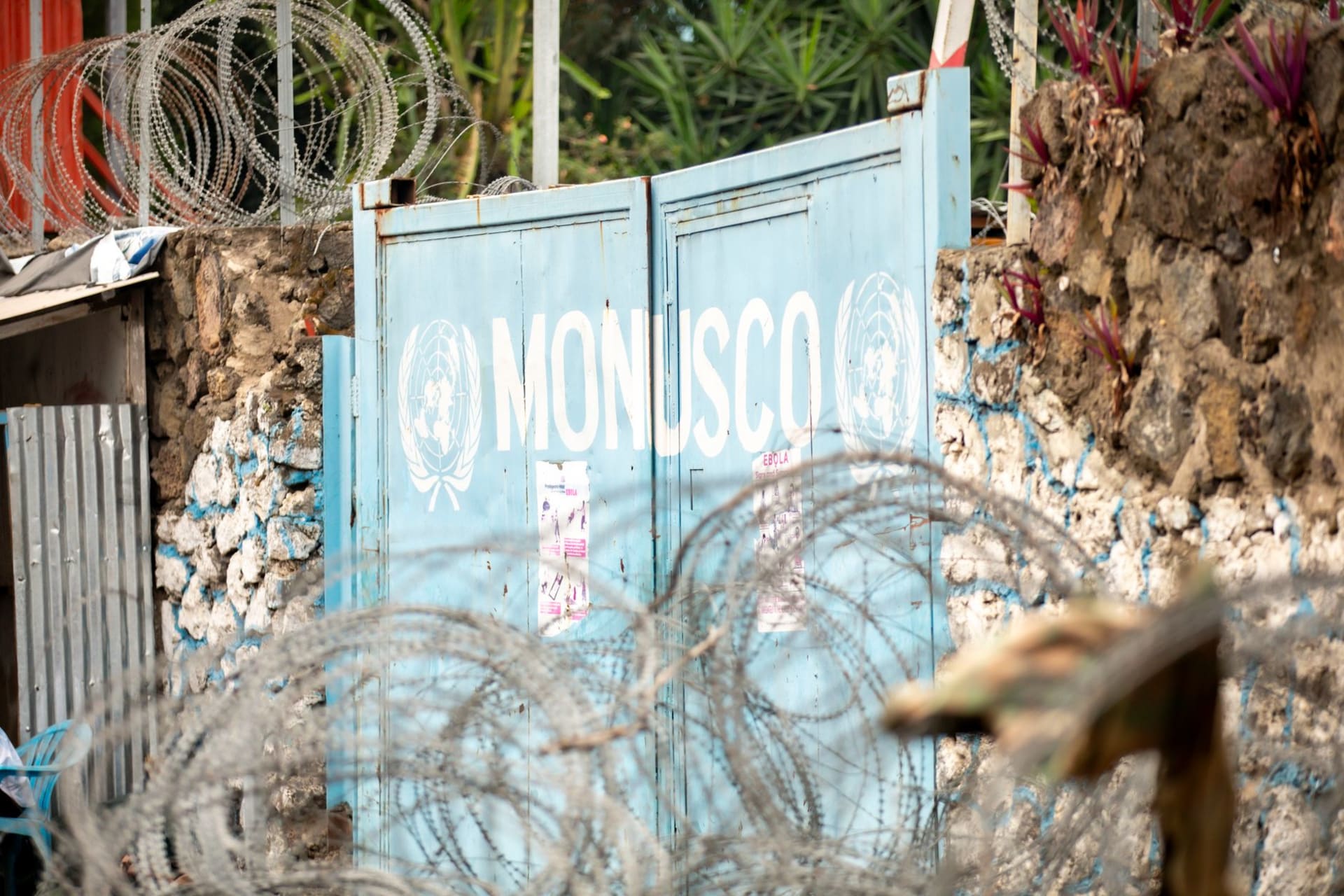
Goma
"The lava under your feet is still warm in places. Goma reminds you the earth is always deciding."
A frontier city built on hardened lava where an active volcano glows at night and Lake Kivu glitters impossibly blue by day.

The first thing I noticed in Goma was the ground. Not the lake, not the volcano on the horizon, not the extraordinary light over the water at that hour — the ground. It was black. Not metaphorically, not dimly, but literally black volcanic rock: the hardened lava from the 2002 eruption that buried the downtown under three metres of basalt and which Goma simply absorbed and built over. Streets end at lava outcrops. Market stalls perch on rock formations. Children play in hollows in hardened magma. The city is geology lesson and human settlement simultaneously.
I’d come from Kigali by road, crossing at Gisenyi in the late afternoon, and the border crossing into the DRC had that distinctive energy of arriving somewhere that operates by its own rules. The Rwandan side: orderly, clean, efficient. The Congolese side, fifty metres away: a controlled chaos of touts, money changers, officials with rubber stamps, and people carrying things in all directions. I got through in forty minutes, which my driver said was very fast. A record, he said, grinning. I believed him.

The market at the port is where the city reveals itself. Lake Kivu fills your vision — this extraordinary lake, blue and enormous, rimmed by hills that drop straight to the water, with wooden pirogues coming in from fishing villages on the far shore. The fish sellers arrive around nine in the morning, laying out tilapia and kapenta on wooden tables, the smell of the lake still on everything. I ate grilled tilapia three mornings in a row from a woman who cooked on a brazier of charcoal and served the fish with fried plantain and a peanut sauce mixed with tiny dried fish whose name I never learned but whose flavour I have been trying to recreate ever since. The fish came charred on the outside and steaming inside, and the sauce was something deeply savoury, like umami had been through something difficult and come out stronger.
Nyiragongo hangs above everything. On clear nights, from the roof terrace of the hotel where I was staying, the lava lake glowed orange on the volcano’s rim 3,470 metres above sea level. The glow pulses slightly, or seems to — it’s hard to tell whether that’s the lava moving or your eyes adjusting to the dark. Locals have a relationship with the volcano that is neither fearful nor indifferent but something more like cautious respect, the way people who live near powerful forces develop a particular attentiveness. The 2002 eruption killed around 250 people and displaced half a million. The lava that poured through town cooled under streets they now walk every day. There is something in that fact that Goma seems to hold lightly, without theatrics.

The city runs on its contradictions. Dozens of international NGOs have headquarters here, drawn by the humanitarian needs of the wider eastern Congo — their Land Cruisers form small convoys in the morning rush. The night scene centres on a strip of bars near the lake where rumba plays at volumes that make conversation unnecessary. Beer is Primus or Skol; the conversations I had, mostly in French, ranged from music to politics to football in the way that conversations in frontier cities often do — people here think expansively because they have to.
When to go: The dry season from June to September is the best window, coinciding with optimal trekking conditions in adjacent Virunga National Park. The town itself functions year-round, but the rainy season (October to May, with a short dry spell in January–February) makes road access to surrounding villages and park areas more difficult. Check the security situation in North Kivu before travel — it fluctuates.
Keep exploring
More from DR Congo
 dr-congo
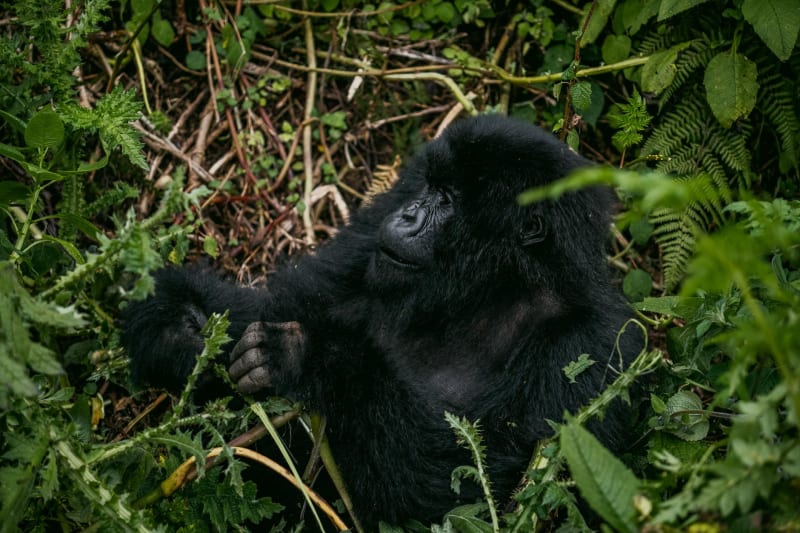
 Kahuzi-Biéga National Park
A UNESCO highland forest where eastern lowland gorillas — the world's largest great apes — move through ancient bamboo like myths made flesh.
Explore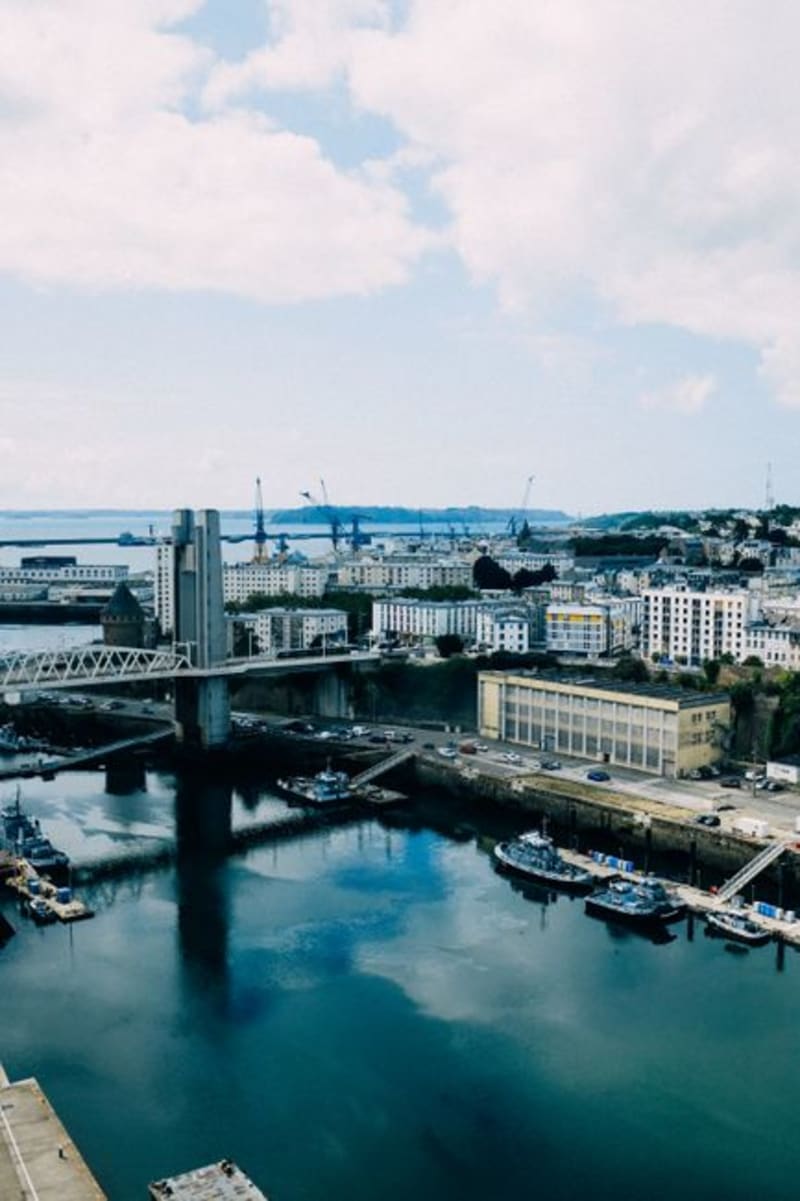 dr-congo
 Kalemie
A weathered lake port where colonial rails meet Tanganyika's shore, and the Lukuga River quietly drains an inland sea.
Explore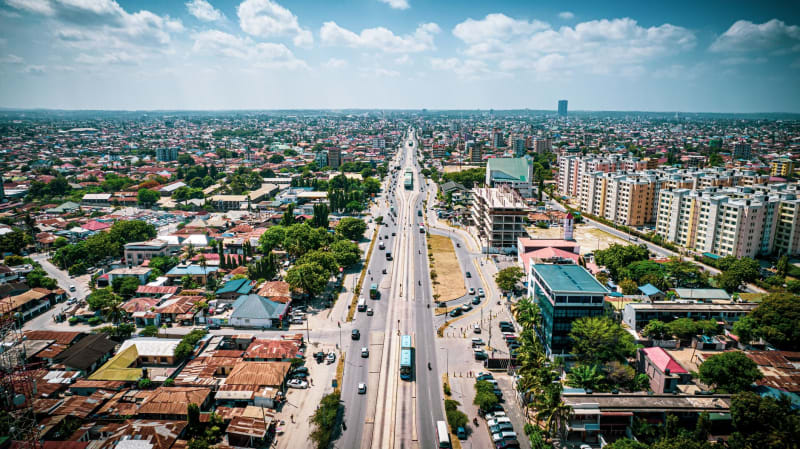 dr-congo
 Kinshasa
A megacity of fifteen million where rumba congolaise fills every doorway and the Congo River stretches wider than belief.
Explore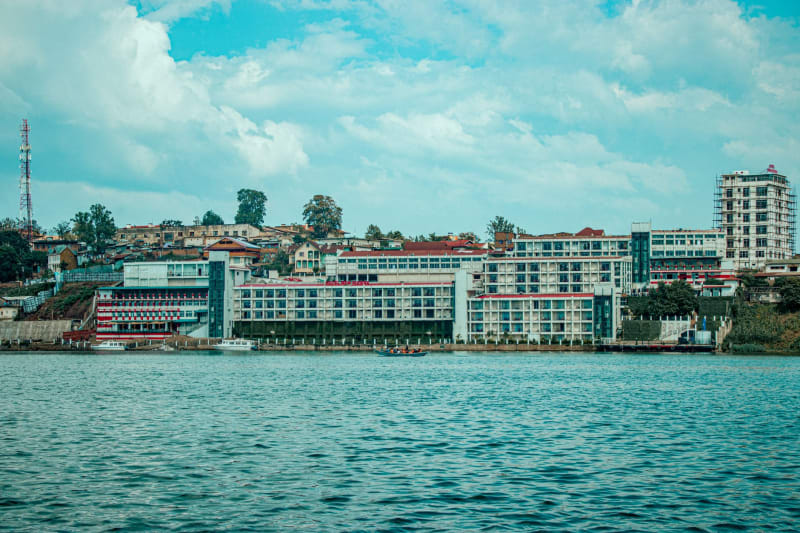 dr-congo
 Kisangani
The city at the geographic heart of the Congo rainforest, where the river bends and the jungle presses in from every direction.
Explore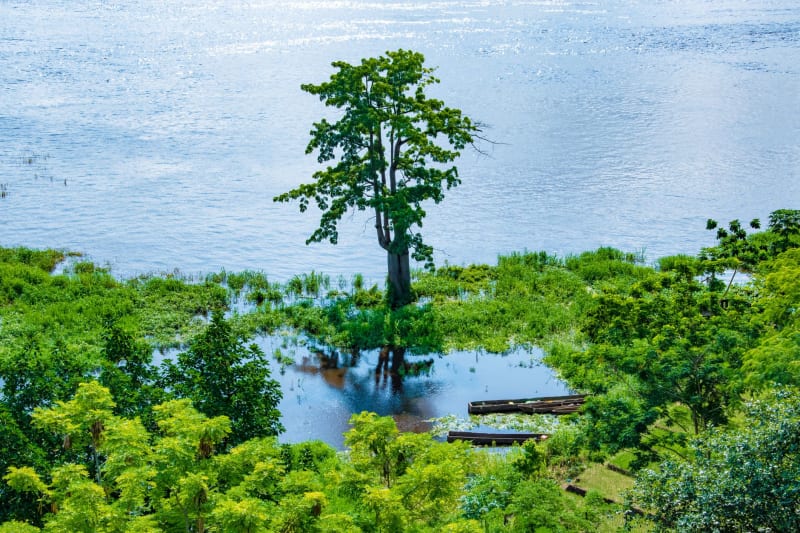 dr-congo
 Lake Tanganyika
The world's second-deepest lake laps the Congo's eastern edge with water so clear you see your shadow on the floor nine million years in the making.
Explore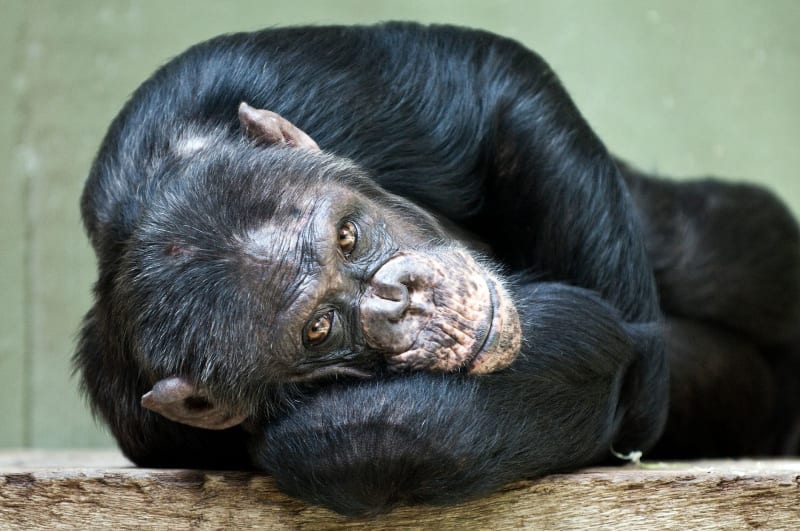 dr-congo
 Lola ya Bonobo
The world's only bonobo sanctuary sits in secondary forest outside Kinshasa, where orphaned great apes look at you with unsettling directness.
Explore