Kalemie
"Kalemie doesn't perform for visitors. It just keeps shipping goods off a lake that never stops moving."
A weathered lake port where colonial rails meet Tanganyika's shore, and the Lukuga River quietly drains an inland sea.
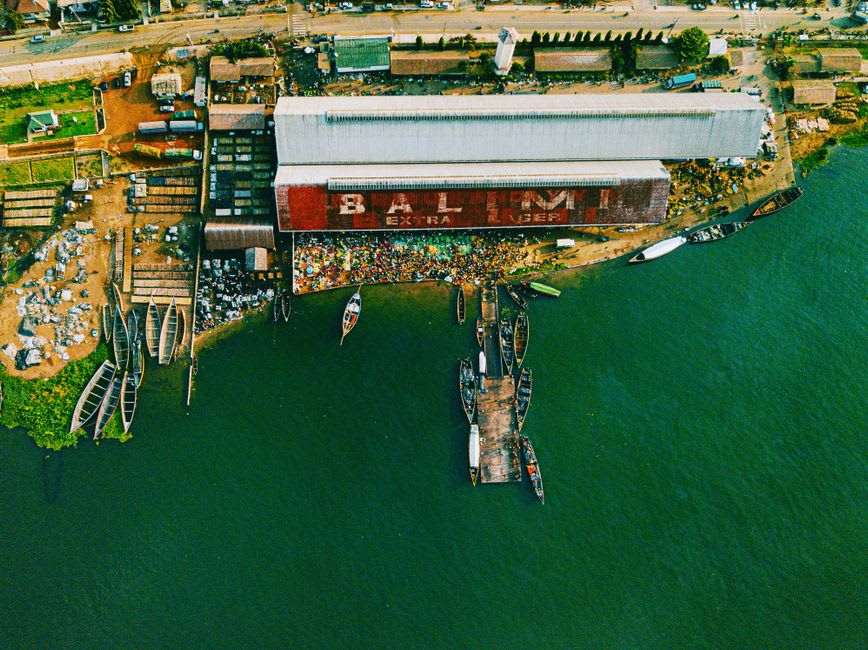
Lia and I got to Kalemie the way most people still do: slowly, and a little unsure it would actually happen. We’d taken a boat down from Tanzania, watching the eastern shore of Lake Tanganyika give way to the Congolese side, and by the time the port came into view I’d stopped trying to guess what the city would look like. What struck me first wasn’t a monument or a market — it was the rail line running almost straight into the water. I hadn’t quite processed, until our guide pointed it out, that this was the terminus of the Chemin de Fer des Grands Lacs, laid down in 1915 to connect the lake to the interior. Standing on the old track bed with the harbor cranes creaking behind me, I felt like I was looking at the reason the city exists at all.
We stayed three nights at a small guesthouse near the port, run by a woman named Espérance who’d grown up watching cargo boats from Dar es Salaam come and go from her family’s veranda. She told us, over instant coffee one morning, that Kalemie was founded in 1892 as a military post called Albertville, set up under the Congo Free State to fight the Arab-Swahili slave trade that had devastated this part of the lake basin. It’s the kind of history that doesn’t announce itself in the streets, but once you know it, the layout of the old town — the harbor first, everything else built up behind it — starts to make sense.
One afternoon we walked out to where the Lukuga River leaves the lake — the only outlet Tanganyika has, which is a strange thing to stand next to once you understand what it means: this narrow, brown, unhurried current is the sole valve for one of the deepest lakes on earth. Lia sat on the bank sketching while I talked with two fishermen mending a net, who explained, half in French and half in Swahili, how the river’s flow shifts with the seasons. Later we renamed the moment in our heads as “the day we met the lake’s only exit,” which is probably too dramatic a title for what was really just a quiet riverbank and good light.
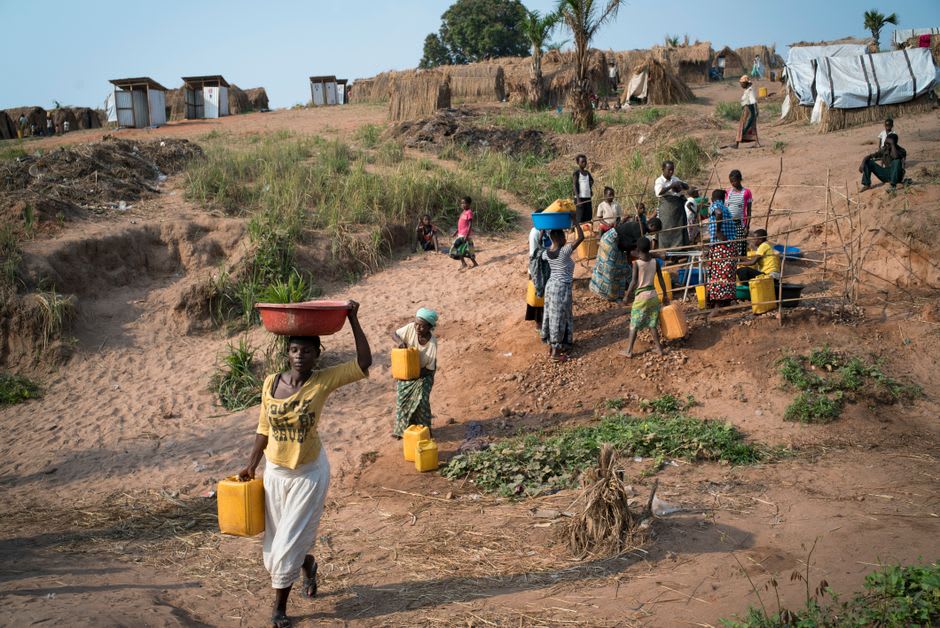
Kalemie changed its name from Albertville in 1966, part of the Zairianisation push under Mobutu, and today it’s the capital of Tanganyika Province — a title that sits a bit incongruously on a city this weathered, but one that makes sense once you’ve seen how much still moves through its harbor. We ate grilled tilapia pulled straight from the lake that evening, sitting on plastic chairs by the water, and I remember thinking this was one of those places that rewards patience far more than itinerary planning.
When to go: We went in July, squarely in the dry season, and I’d recommend the same window — June through August brings calmer crossings on the lake and roads into town that don’t turn into rutted mud within an hour of rain.
Keep exploring
More from DR Congo
 dr-congo
 Kinshasa
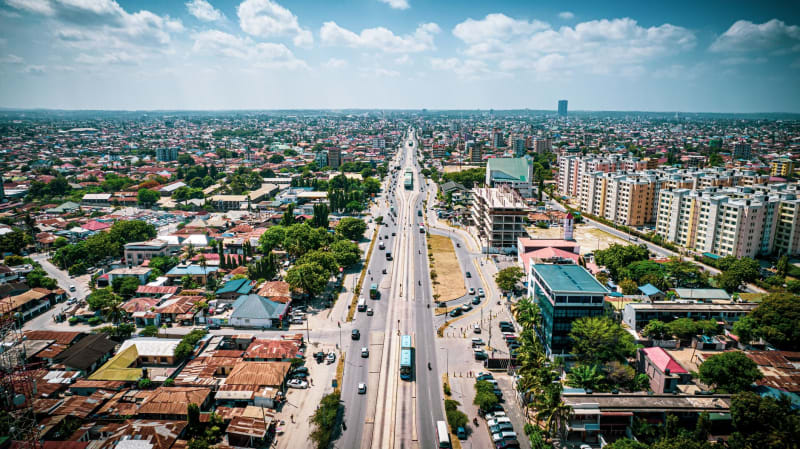
A megacity of fifteen million where rumba congolaise fills every doorway and the Congo River stretches wider than belief.
Explore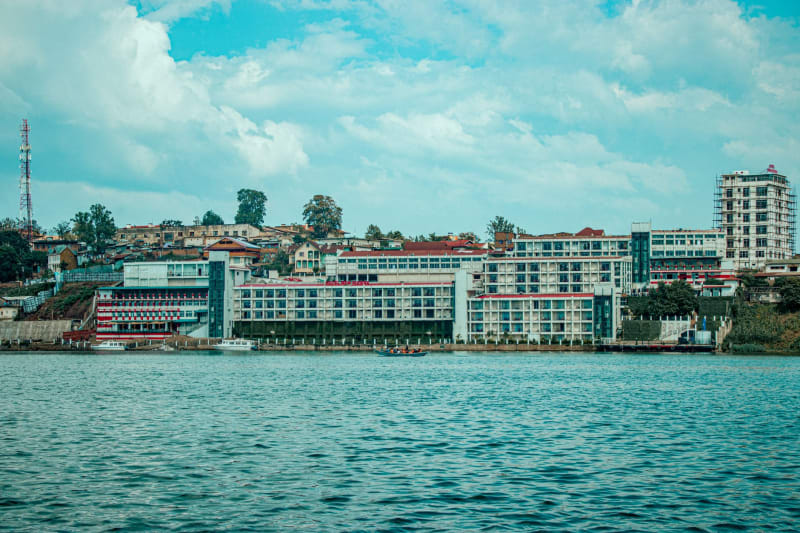 dr-congo
 Kisangani
The city at the geographic heart of the Congo rainforest, where the river bends and the jungle presses in from every direction.
Explore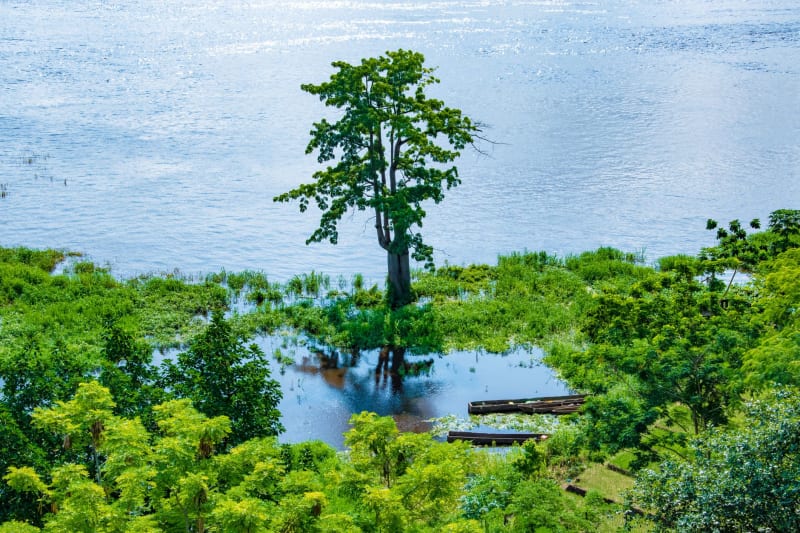 dr-congo
 Lake Tanganyika
The world's second-deepest lake laps the Congo's eastern edge with water so clear you see your shadow on the floor nine million years in the making.
Explore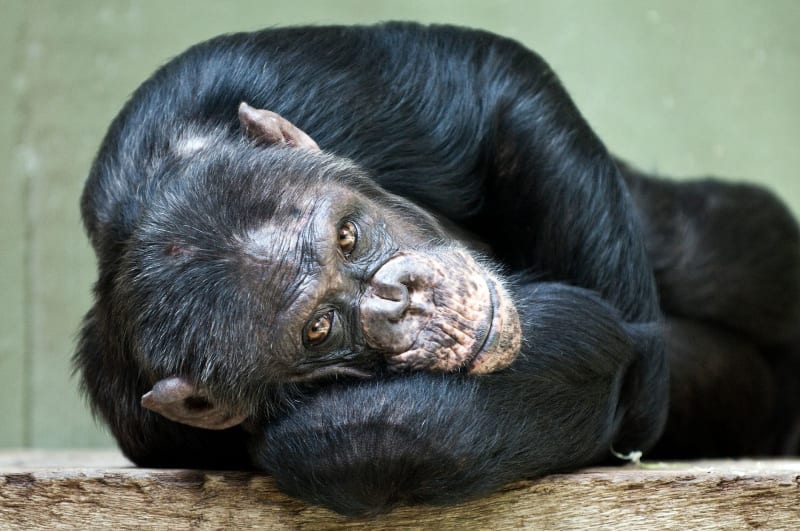 dr-congo
 Lola ya Bonobo
The world's only bonobo sanctuary sits in secondary forest outside Kinshasa, where orphaned great apes look at you with unsettling directness.
Explore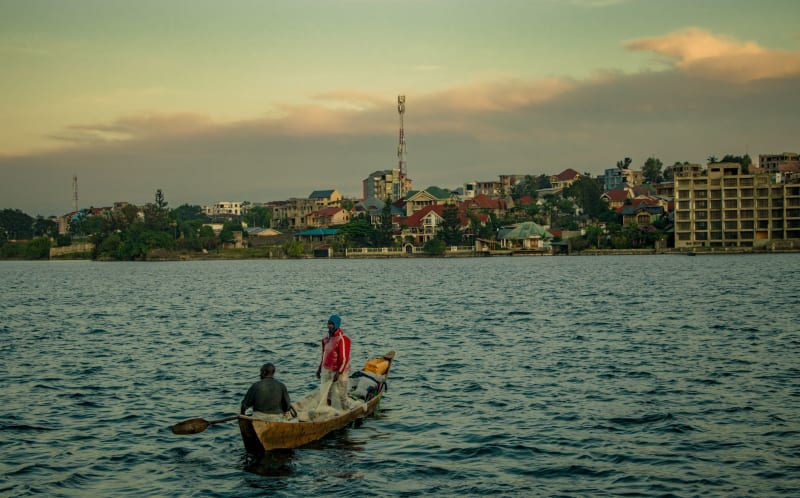 dr-congo
 Lubumbashi
The copper capital of southern Congo where jacaranda-lined colonial boulevards, vibrant markets, and a serious art scene coexist with the mines.
Explore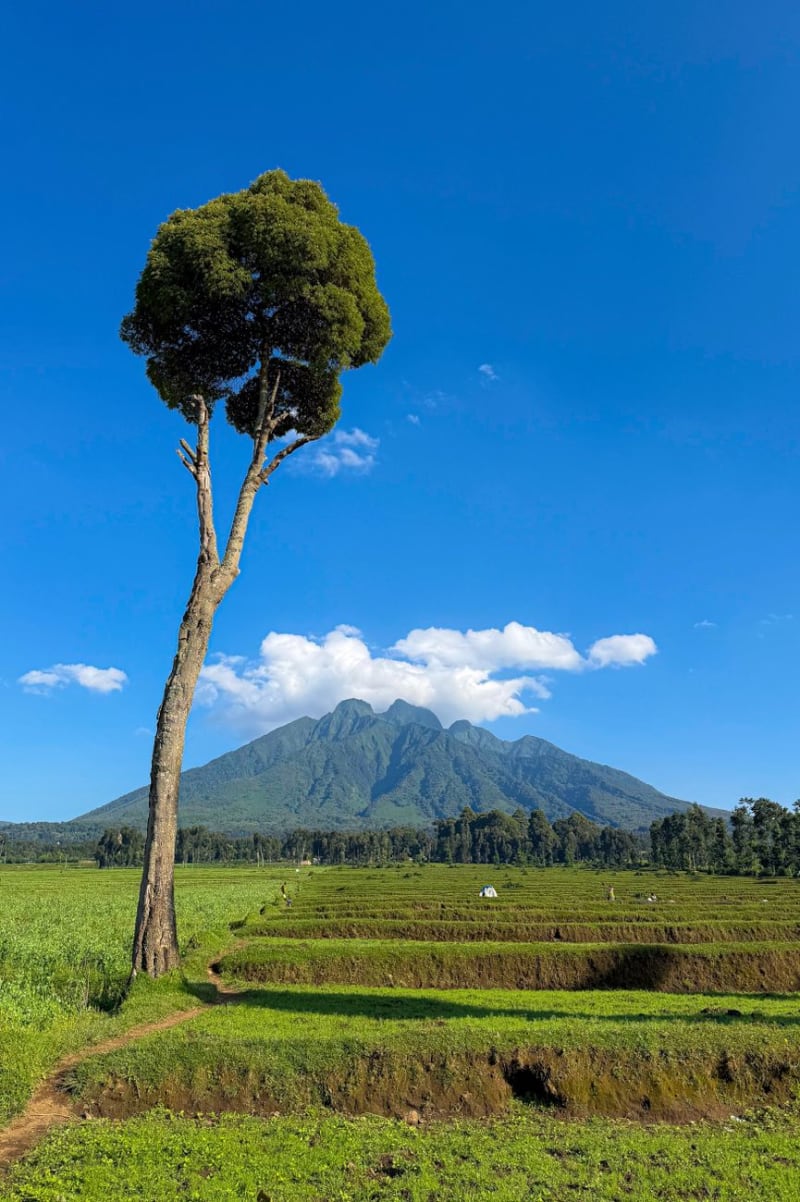 dr-congo
 Mount Nyiragongo
An active volcano above Goma cradling the world's largest lava lake, climbed in a hard day to sleep on the crater rim above a churning sea of fire.
Explore