
Lake Tanganyika
"The water here is so clear you see your reflection and the lake floor at the same time — two entirely different kinds of depth."
The world's second-deepest lake laps the Congo's eastern edge with water so clear you see your shadow on the floor nine million years in the making.

I had not expected the colour. Every African lake I’d ever read about had been described in terms of its size, its depth, its extraordinary fauna — never the colour of the water itself. But Lake Tanganyika, when it appeared below me as the small plane banked over Kalemie, was a blue-green so clear and so specific that the word lake seemed inadequate. It looked like the sea off Sardinia, except surrounded by the steep escarpment hills of the East African Rift Valley, and it went on and on without resolution.
The lake is the second-deepest freshwater body on earth, with a maximum depth of 1,470 metres, and it has been here for nine to twelve million years — long enough that its fauna has evolved in near-total isolation, producing hundreds of cichlid fish species found nowhere else on the planet. The DRC holds the western shore; Tanzania, Zambia, and Burundi share the rest. Kalemie is the main Congolese lakeside town, a place that exists primarily because of the lake and expresses no confusion about this fact.

The morning I arrived, fishermen were bringing in the night’s catch on the main beach — a long crescent of dark sand where the wooden boats were hauled up in rows and nets spread to dry. The fish they were sorting included dagaa, the small silver sardine-like fish that drives the lake’s economy, and larger cichlids I didn’t recognise. A boy about twelve years old was separating fish by size with a speed and accuracy that made it clear this was a skill learned young and practiced daily. He noticed me looking and held up a large cichlid — bright yellow, the colour of a traffic signal — and said something in Swahili that made the men around him laugh. I asked my guide what he’d said. He’d said: “Does the tourist want to eat it or just look at it?” Both, I said. Both.
Swimming in Lake Tanganyika is an experience I wasn’t prepared for. The water at the shore is warm and so clear that you see your own legs five metres below you, your shadow on the sandy bottom, small fish moving around your feet with what I can only describe as professional curiosity. There are crocodiles in the lake — they are rarely a problem near busy beaches, but their existence adds a particular quality of alertness to the swim. I was in for an hour and came out feeling as though I had cleaned something off that I hadn’t known was there.

The history of this shoreline sits uncomfortably in a few corners. Kalemie was Albertville once, a Belgian port, and before that a node in the slave trade network that moved people from the interior toward the coast — the lake knew a different kind of crossing then. I visited a small local museum that addressed this history briefly and honestly, and then walked back to the water, which was the same colour it had always been, indifferent to what had been done beside it, still there at nine million years old, not in any hurry.
When to go: May through September is the dry season, bringing calmer lake conditions and clearer skies — the best time for swimming, fishing excursions, and the spectacular sunsets over the water. The rainy season (October–April) brings storms that can make the lake rough and less predictable. Kalemie is accessible by air from Kinshasa and Lubumbashi, though schedules are irregular; confirm in advance and build in flexibility.
Keep exploring
More from DR Congo
 dr-congo
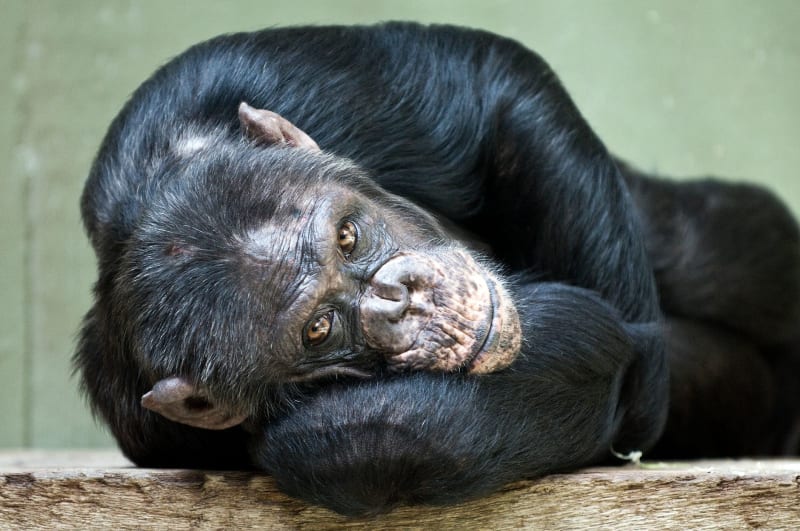
Lola ya Bonobo
The world's only bonobo sanctuary sits in secondary forest outside Kinshasa, where orphaned great apes look at you with unsettling directness.
Explore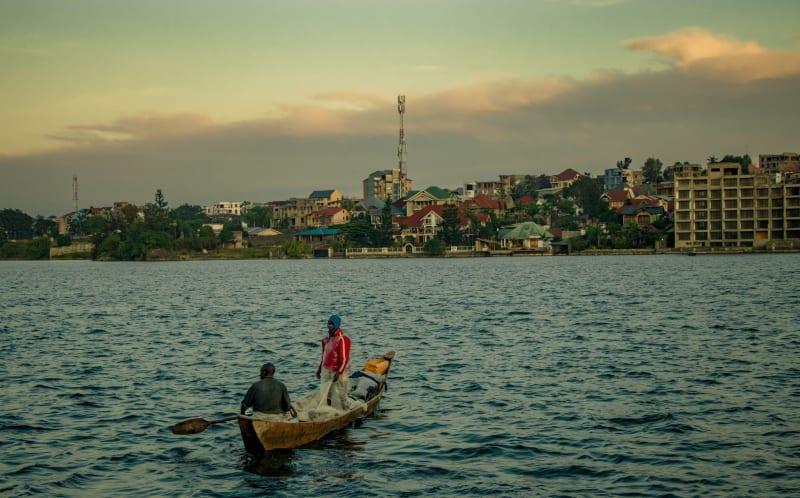 dr-congo
Lubumbashi
The copper capital of southern Congo where jacaranda-lined colonial boulevards, vibrant markets, and a serious art scene coexist with the mines.
Explore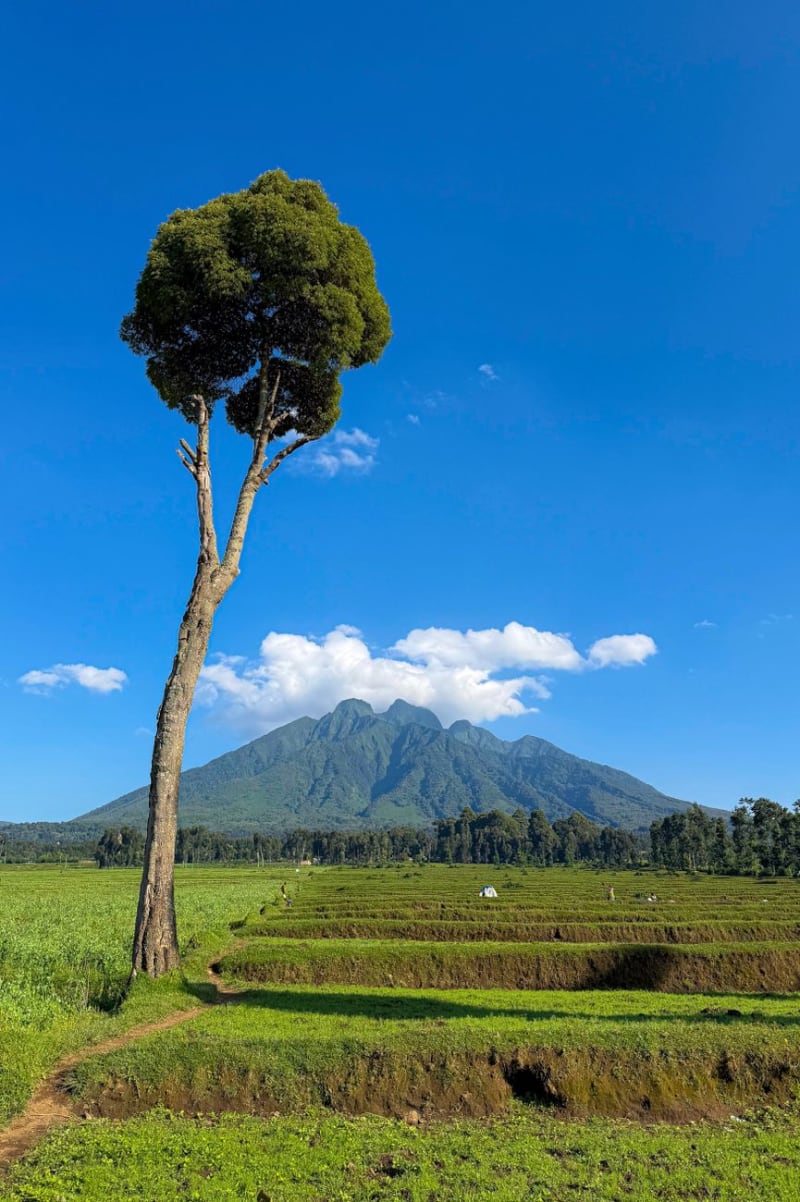 dr-congo
Mount Nyiragongo
An active volcano above Goma cradling the world's largest lava lake, climbed in a hard day to sleep on the crater rim above a churning sea of fire.
Explore dr-congo
Salonga National Park
A river-only rainforest wilderness in the heart of the Congo Basin, home to bonobos and a silence I still think about.
Explore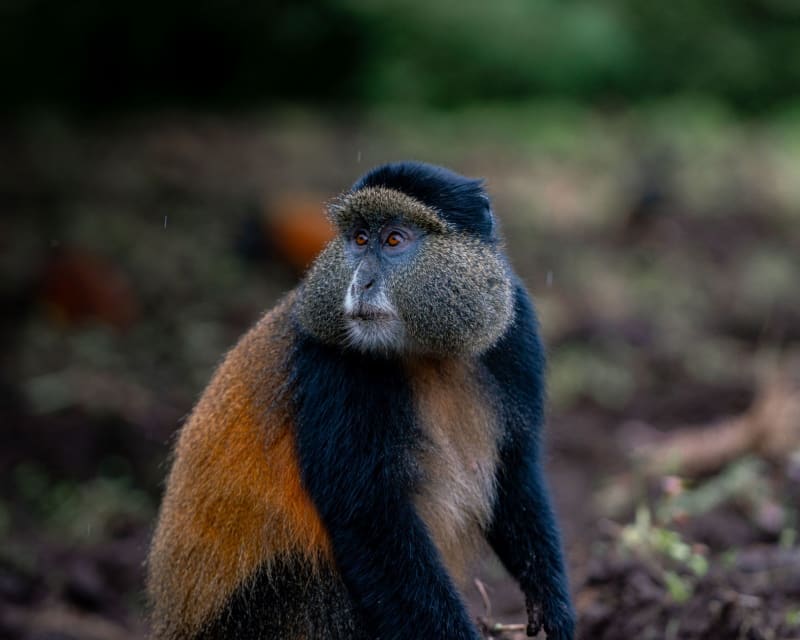 dr-congo
Virunga National Park
Africa's oldest park, where mountain gorillas move through volcanic forest and a lava lake glows orange on the crater rim above.
Explore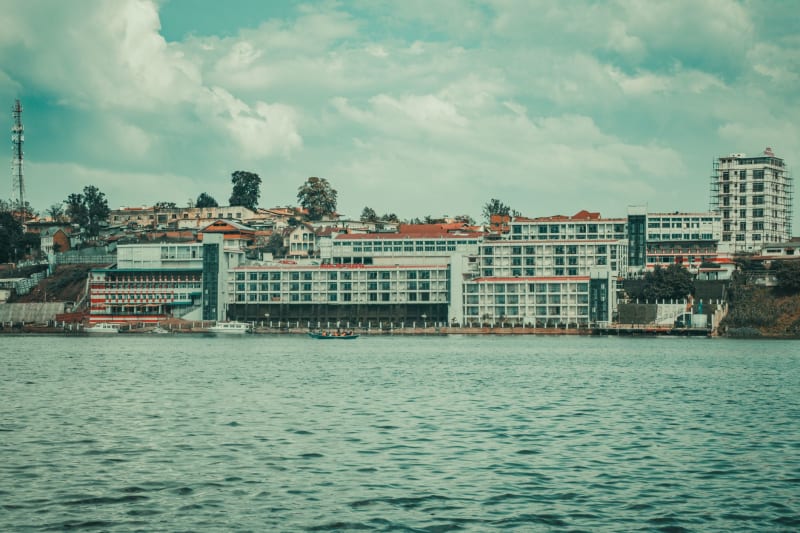 dr-congo
Bukavu
A lake city of crumbling Belgian villas and smoky fish stalls draped across five green peninsulas at the southern end of Lake Kivu.
Explore