Caribbean
Dominican Republic
"The Dominican Republic begins where the resort wristband ends."
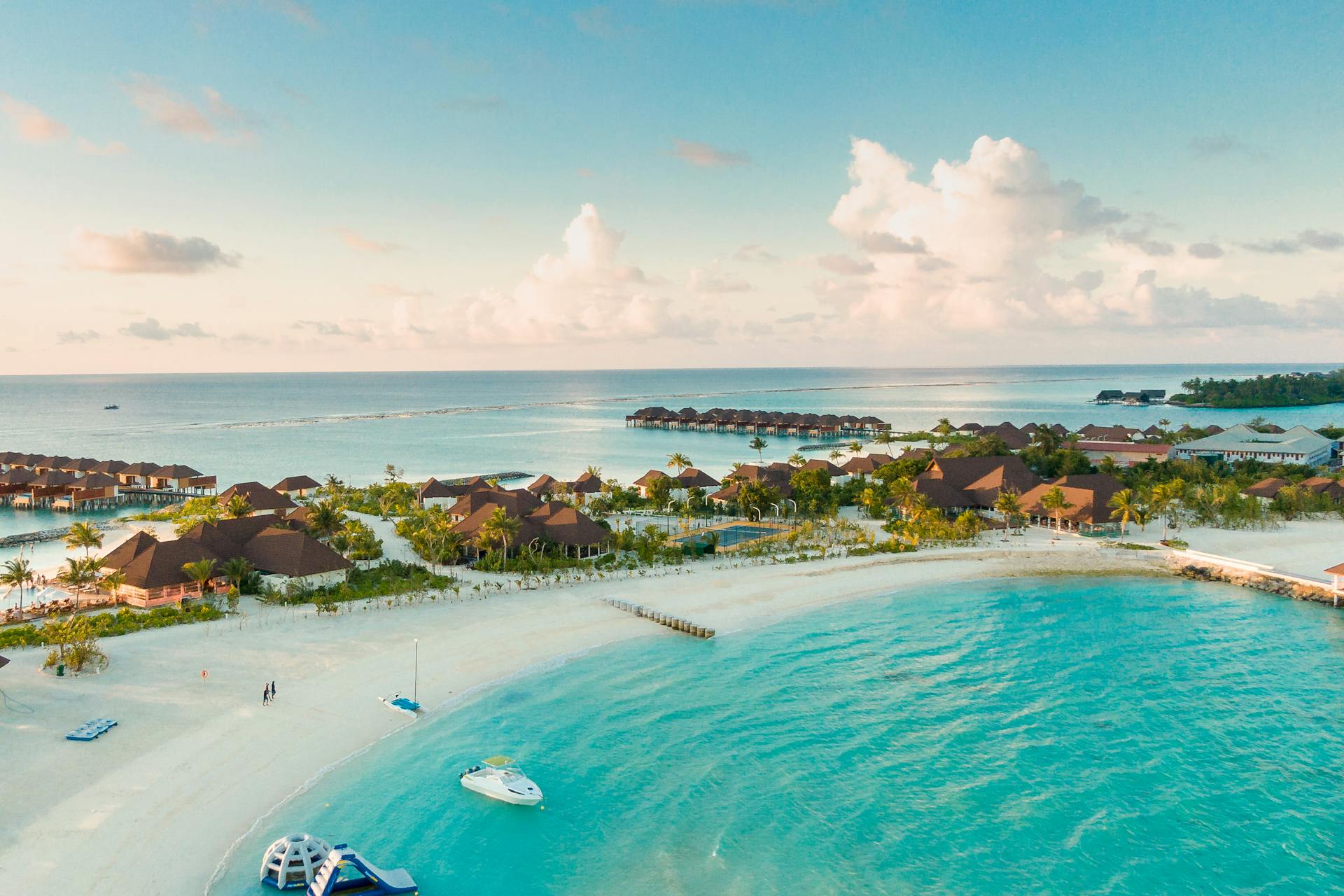
The Dominican Republic suffers from a branding problem. Most visitors arrive at Punta Cana, check into an all-inclusive compound, and spend a week swimming in a pool ten metres from one of the most beautiful oceans on earth. They leave having experienced a version of the Caribbean that could be anywhere — the same buffet, the same entertainment, the same careful insulation from the actual country. The actual country is vastly more interesting than the resort version suggests.
Santo Domingo’s Zona Colonial is the oldest European settlement in the Americas, and it wears that history with a combination of pride and lived-in ease that more manicured colonial cities lack. The streets are real — motorcycles threading between buildings that Columbus would recognize, merengue pouring from open doorways, corner colmados selling Presidente beer at temperatures that defy refrigeration science. It is chaotic and beautiful and completely itself.
The Samaná Peninsula, on the northeast coast, is where the country reveals its wilder side. El Limón waterfall drops fifty metres into a pool surrounded by jungle. Las Terrenas is a beach town with a French-Dominican character unlike anywhere else in the Caribbean. And from January through March, humpback whales arrive in Samaná Bay to breed in numbers so dense the whale-watching boats barely need to leave the harbour. The interior highlands around Jarabacoa and Constanza offer cool mountain air, pine forests, and river swimming — a version of the Caribbean that confounds every expectation you brought with you.
When to go: December through April for the driest weather and whale season in Samaná. Hurricane season runs June through November, with September and October carrying the highest risk. The north coast can be rainy any time, but the showers are usually brief and dramatic rather than day-ruining.
What most guides get wrong: They treat the country as a beach destination exclusively. The Dominican Republic has the Caribbean’s highest peak, Pico Duarte, serious river rafting in Jarabacoa, and a food culture — mangú, la bandera, fresh-caught seafood — that deserves far more attention than it receives. Leave the resort. The country is waiting.
Explore
Places in Dominican Republic
Bahía de las Águilas
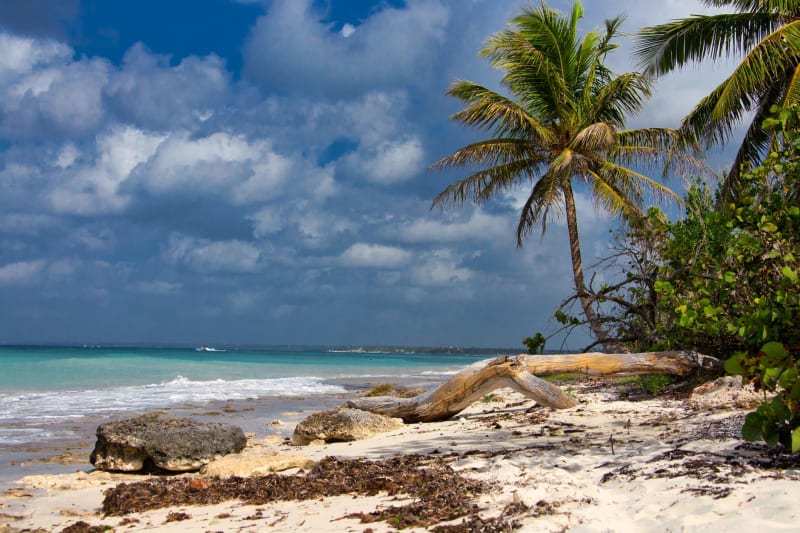
A remote eight-kilometre crescent of empty white sand at the country's wild southwestern tip, reachable only by boat or a punishing dirt track.
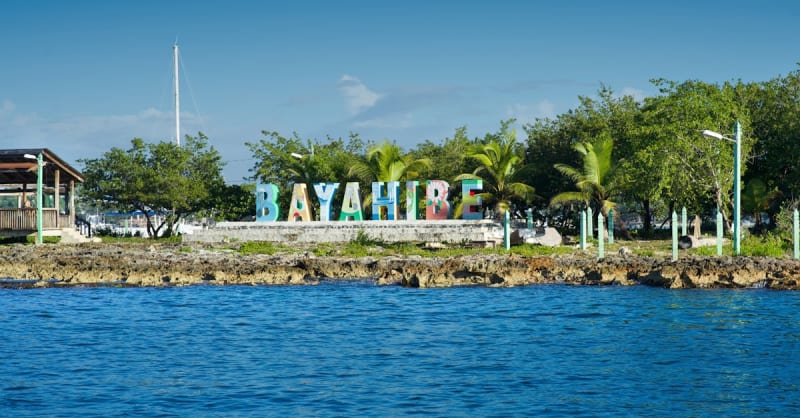
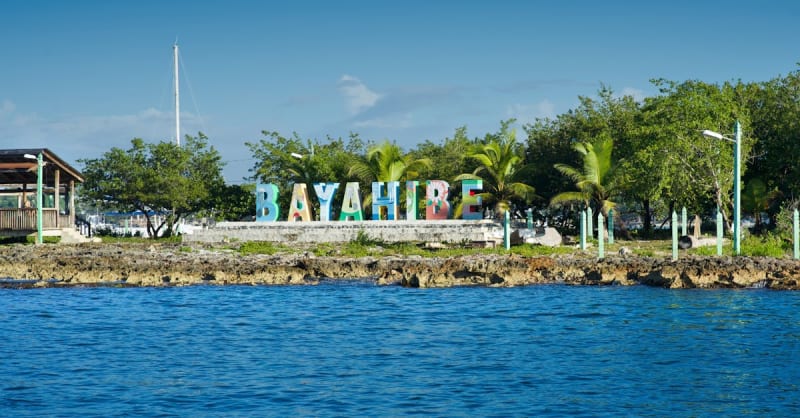
Bayahibe
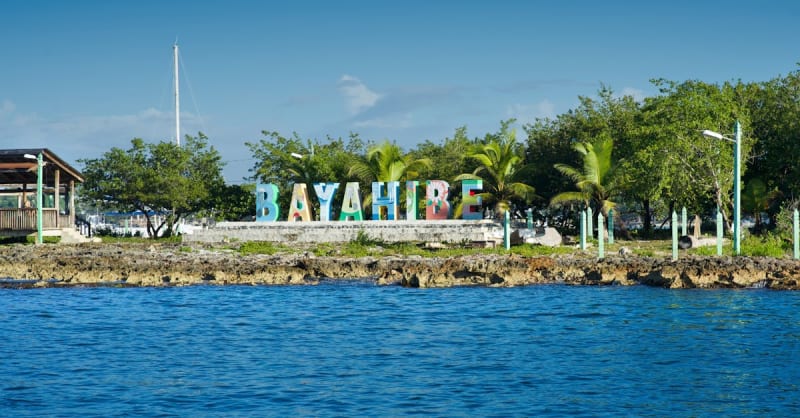
A former fishing village turned gateway to the Dominican Republic's best offshore islands and marine parks.
Cabarete
The kiteboarding capital of the Caribbean, where reliable trade winds meet a beach-town lifestyle.
Constanza
The highest town in the Caribbean, set in a mountain valley where strawberries grow and the air is impossibly fresh.
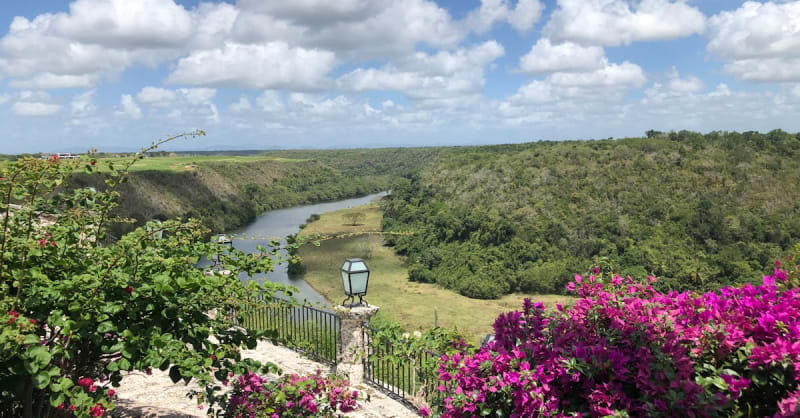
Jarabacoa
The Dominican Alps — a cool mountain town of rivers, waterfalls, and pine forests that feels like a different country.
Las Terrenas
A laid-back beach village on the Samana Peninsula where French bakers and kite surfers share the same stretch of sand.

Los Haitises
A mangrove-threaded national park of limestone mogotes, caves, and pre-Columbian petroglyphs rising from the bay.

Puerto Plata
A north coast city with a cable car to the mountaintop, Victorian architecture, and amber museums.
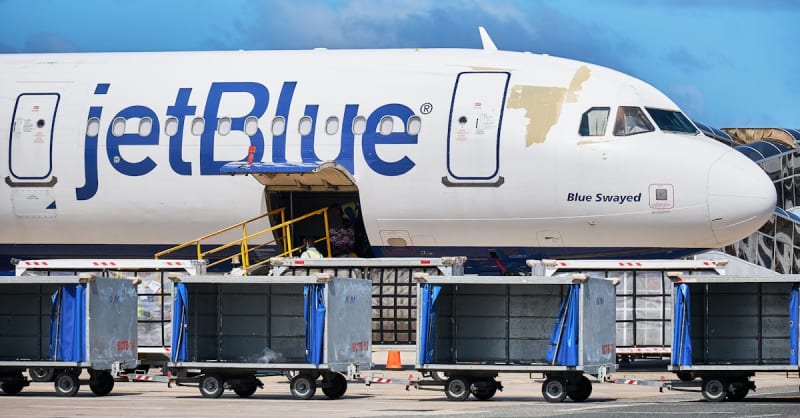
Punta Cana
Forty-five kilometers of coconut palm-lined beach where the Atlantic meets the Caribbean in endless shades of blue.
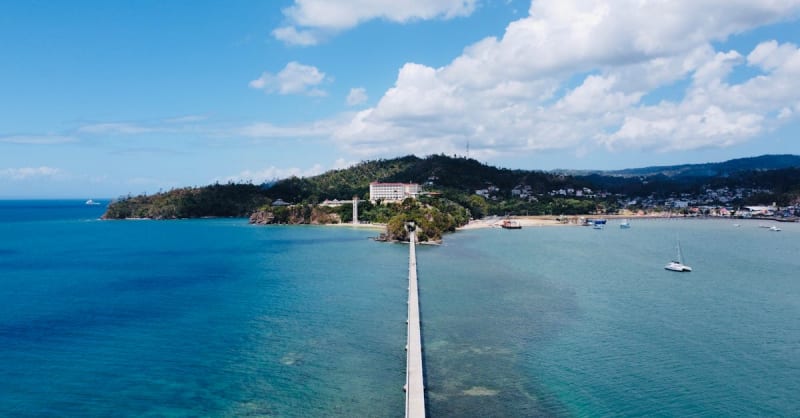
Samana
A lush peninsula of hidden beaches, humpback whales, and a waterfall you ride a horse to reach.
Samaná
Every January humpback whales arrive in Samana Bay to court and calve in spectacular displays offshore.
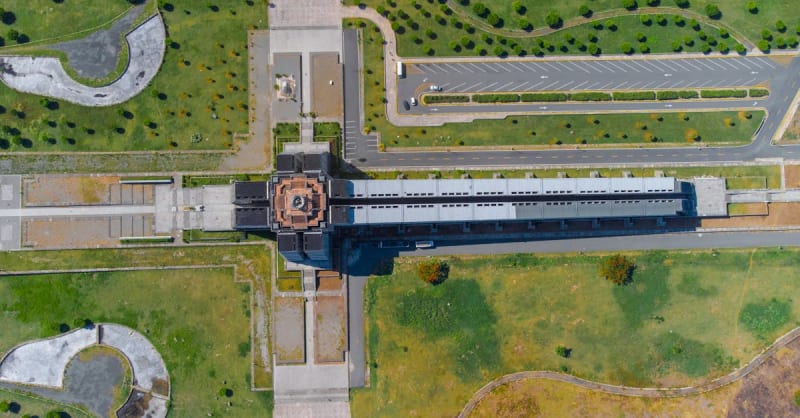
Santo Domingo
The oldest European city in the Americas, where colonial history meets Caribbean rhythm on every cobblestone street.
From the journal
Articles about Dominican Republic
Free download
Get the Dominican Republic Guide
A curated PDF itinerary with honest picks, real restaurants, and the details that matter — the kind you'd actually print and bring.
Download the guide