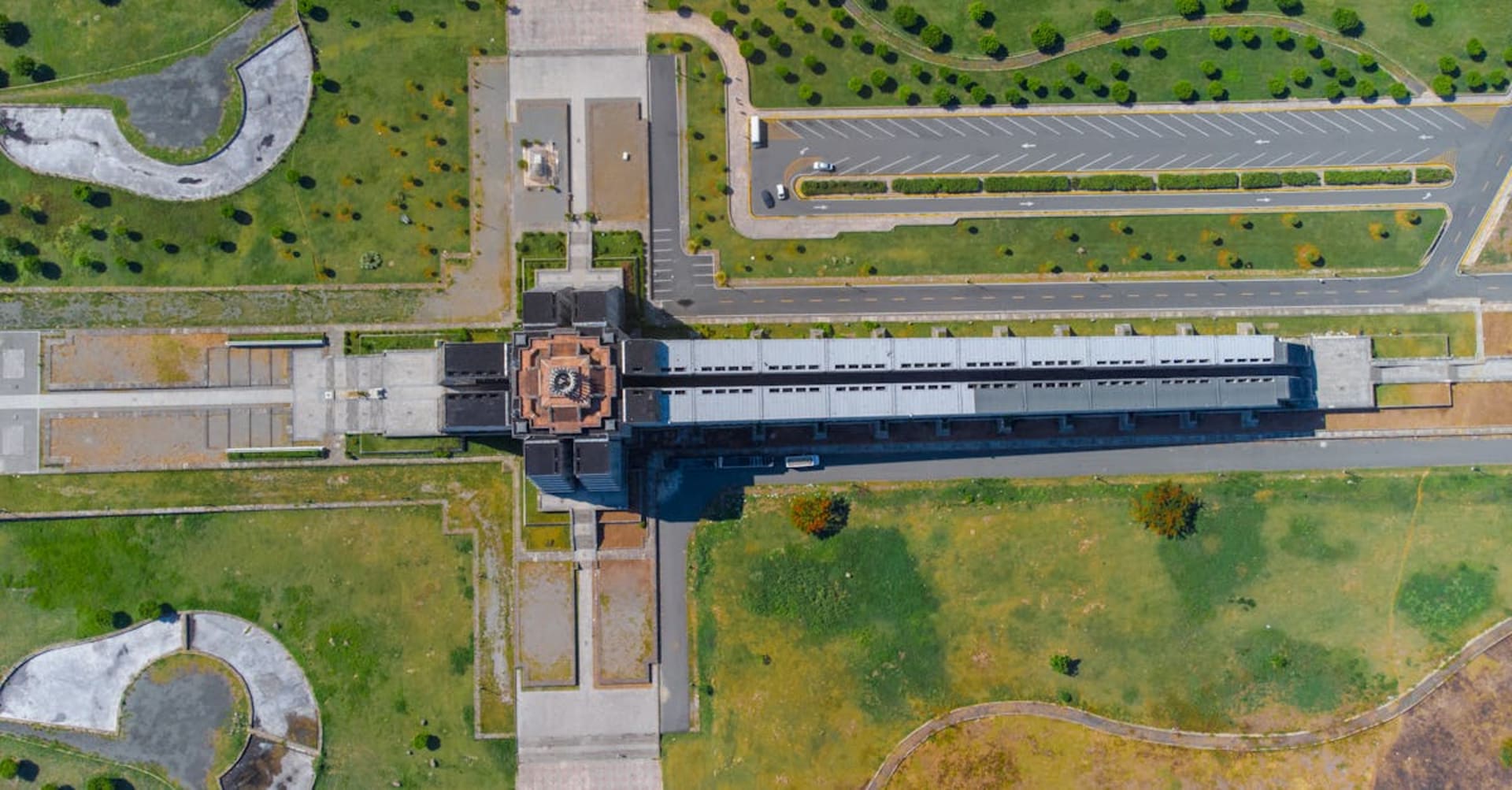
Santo Domingo
"The first cathedral, the first university, the first hospital in the Americas — history started here."
Santo Domingo’s Zona Colonial is where the Western Hemisphere’s European story began. We walked Calle de las Damas — the oldest paved street in the Americas — past the Alcazar de Colon, the palace built by Columbus’s son, and into a neighbourhood of sixteenth-century churches, plazas, and fortifications that still function as living city rather than museum. The cathedral where Columbus’s remains once rested was cool and quiet inside while merengue drifted in from a bar across the plaza. I have spent time in colonial cities across Latin America — Oaxaca, Cartagena, Antigua Guatemala — and Santo Domingo has something the others often lack: a refusal to polish itself for visitors. The paint peels, the motorcycles thread through streets that were designed for horses, and the history is not behind velvet ropes but woven into the daily rhythm of a city that has been continuously inhabited since 1498.
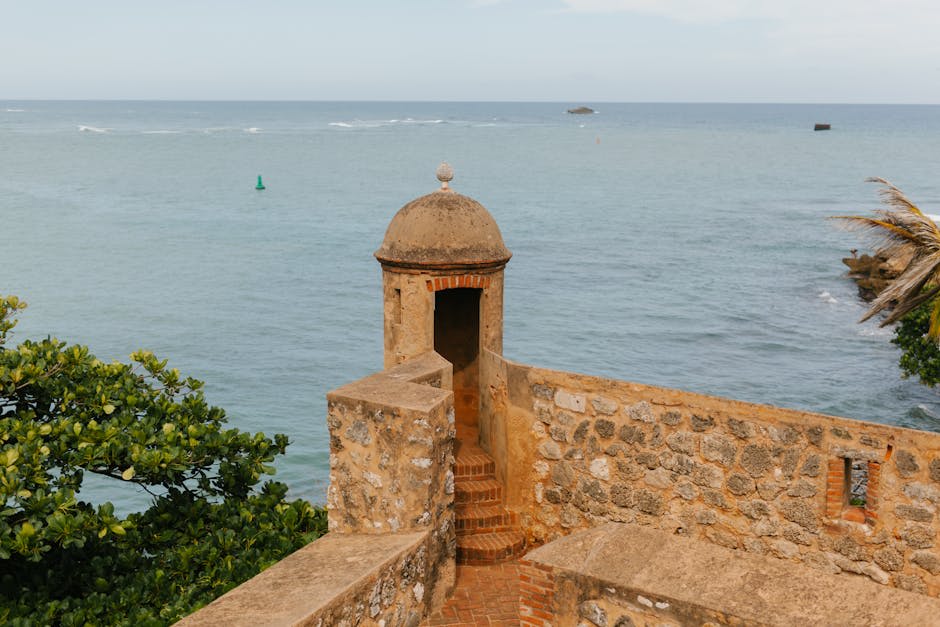
The Malecon waterfront stretched along the Caribbean, and the city beyond the colonial core pulsed with the energy of two million people — colmados playing bachata, street vendors selling fresh juice, and a nightlife that starts late and ends when it decides to. We ate at the Mercado Modelo, drank Presidente beer at every opportunity, and discovered that Dominican food — mangu, la bandera, chicharron — is one of the Caribbean’s most underrated cuisines. The colmados deserve their own essay — these corner shops double as neighbourhood bars, social clubs, and information exchanges, and the one near our guesthouse became our nightly ritual. Cold Presidente, plastic chairs on the sidewalk, a domino game happening at the next table, and the kind of conversation that only happens when nobody is in a hurry to be anywhere else.
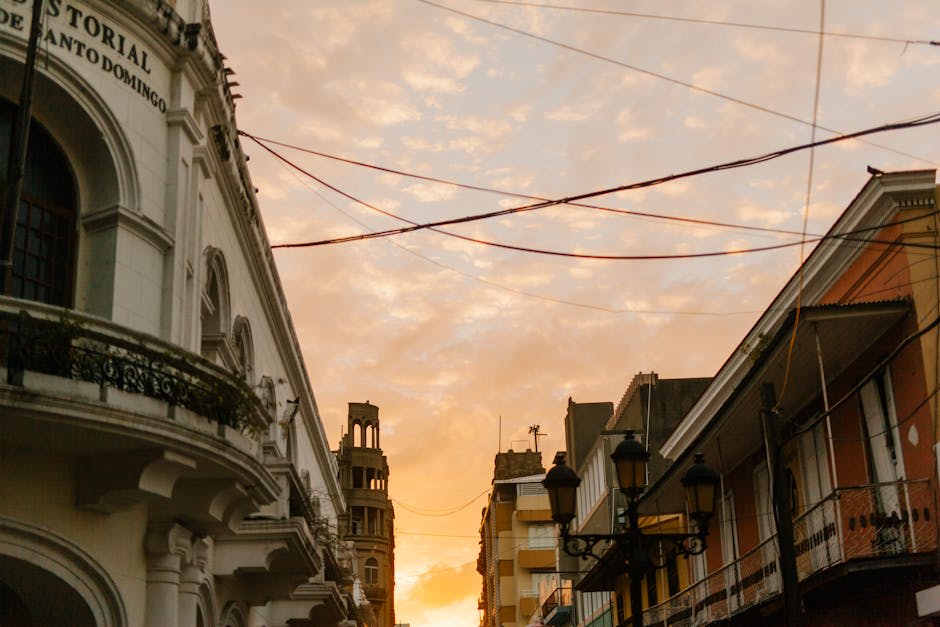
What struck me most was the music. Merengue and bachata are not entertainment here — they are infrastructure. They pour from every doorway, every passing car, every phone speaker. The rhythms are inescapable and, after a day or two, you stop wanting to escape them. We wandered into a bar on Calle El Conde where a live band was playing to maybe fifteen people on a Wednesday night, and the quality of the musicianship was staggering — the kind of talent that in other cities would fill concert halls but here is simply what happens on a Wednesday.
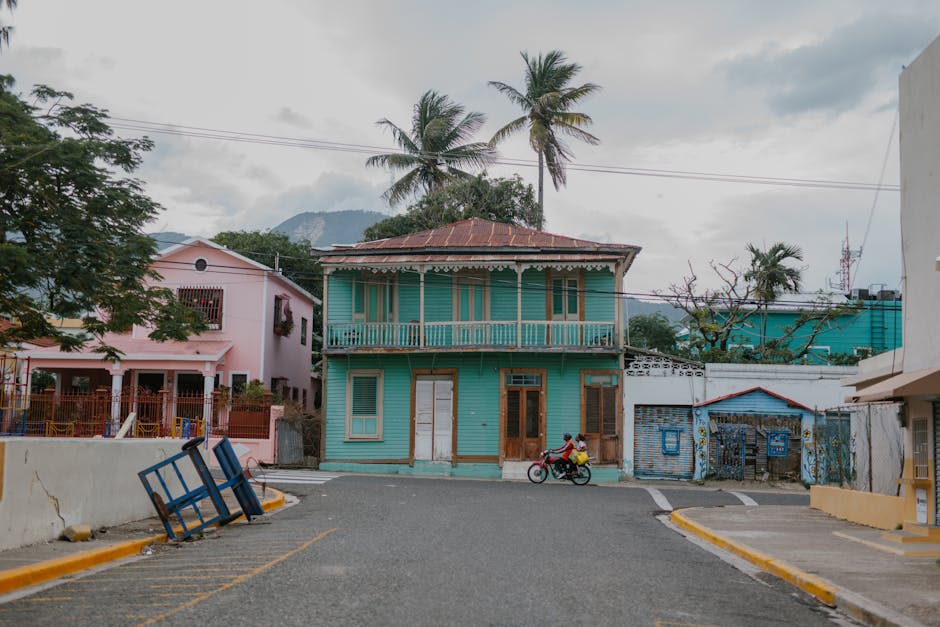
When to go: December through April is dry season with pleasant temperatures. Summer is hot and humid with occasional tropical storms. The Zona Colonial is best explored in early morning before the heat builds. Carnival in February brings parades and colour throughout the city.