
Puerto Plata
"The cable car climbed through clouds and emerged above them — the north coast spread below like a map made of blue."
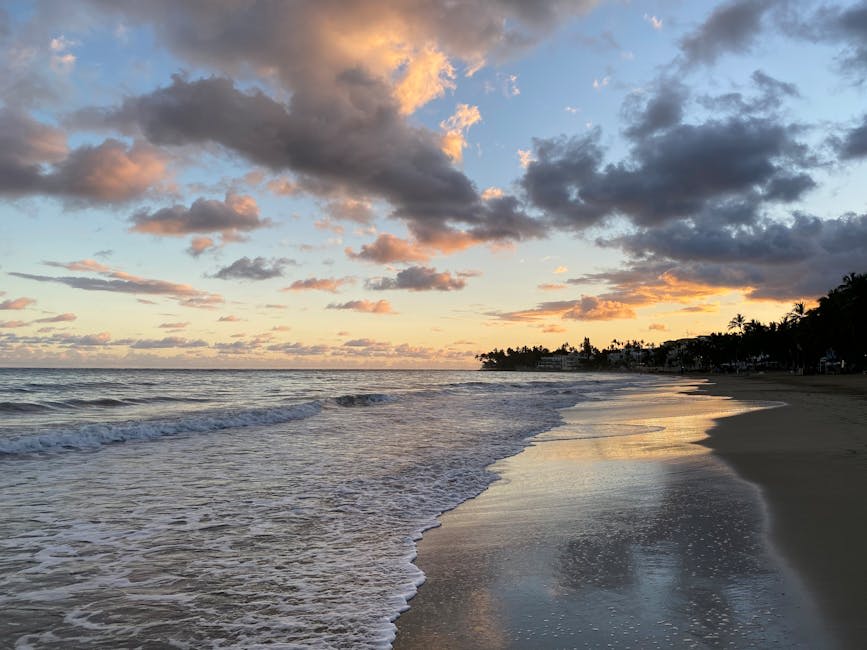
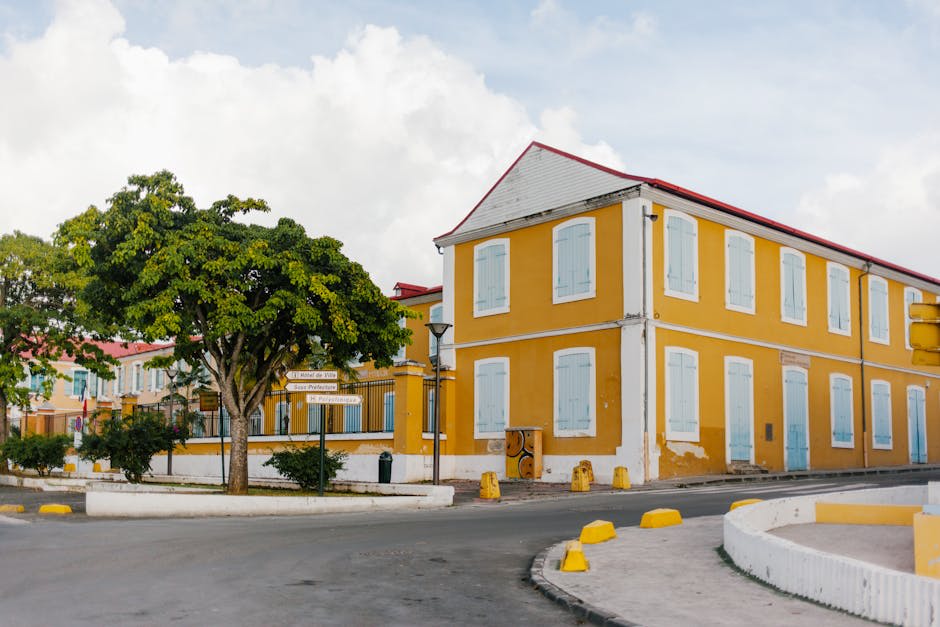
Puerto Plata has the kind of layered character that resort towns rarely develop. The Victorian gingerbread houses on the old streets, the Fortaleza San Felipe guarding the harbour since the sixteenth century, and the amber museum housing prehistoric insects preserved in golden resin all give the city a depth beyond its beaches. We wandered the Malecon at sunset and felt the Atlantic breeze carry the sound of merengue from the bars behind us. The Victorian architecture is a remnant of the late nineteenth-century tobacco boom, when Puerto Plata was the country’s most important port and the merchants built homes in the ornate style fashionable in New Orleans and Key West. Many have been restored. Many more are crumbling beautifully.
The Teleferico — the only cable car in the Caribbean — carried us up Isabel de Torres mountain to a botanical garden and a Cristo Redentor statue with views of the entire north coast. The ride takes about ten minutes and passes through cloud forest — at the midpoint, we entered a cloud bank and emerged above it into sunlight, with the bay and city spread below like a relief map. The botanical garden at the summit is small but well-tended, and the statue, while smaller than its Rio de Janeiro cousin, has an earnestness that the larger version sometimes lacks.
Playa Dorada offered resort beaches, but we preferred the wilder stretches at Playa Cofresi and the surf at Playa Encuentro nearby. The amber museum deserves more time than most visitors give it — Dominican amber is among the finest in the world, and the museum’s collection includes pieces with perfectly preserved insects, spiders, and even small lizards trapped millions of years ago. The comparison to Jurassic Park is inevitable and not entirely inaccurate — Dominican amber is the kind found in the film, and some of the oldest insect DNA ever sequenced came from specimens like these.
The rum distillery at Brugal gave us a tour and a tasting that explained why Dominican rum is among the best in the world. The aging process in the Caribbean heat accelerates the interaction between spirit and barrel, producing a smoothness in five years that would take twelve in Scotland. We tasted the Anejo and the Extra Viejo and bought bottles of both. The city felt like a place with stories, not just a place with sand — and the stories were the kind best told over a glass of rum at sunset on the Malecon, which is exactly how we ended every evening.
When to go: December through April is dry season and most pleasant. Summer is hot with occasional tropical rain. The north coast receives more rain than the south year-round. Puerto Plata is less affected by hurricanes than other Caribbean destinations. The cable car runs daily except during maintenance.