
Los Haitises
"Kayaking between limestone towers covered in forest felt like paddling through a prehistoric dream."
Los Haitises is the Dominican Republic’s most otherworldly landscape. We took a boat from Sabana de la Mar into a bay studded with mogotes — rounded limestone hills covered in dense vegetation, rising from the water like green sentinels. Pelicans nested on the rocky faces. Frigatebirds circled above. The mangrove channels between the mogotes were narrow and silent, the water flat and dark, the roots reaching into the water like fingers. I have seen karst landscapes in Vietnam and Thailand, and Los Haitises has that same ancient, sculptural quality — the feeling of a landscape that was old when humans were new.
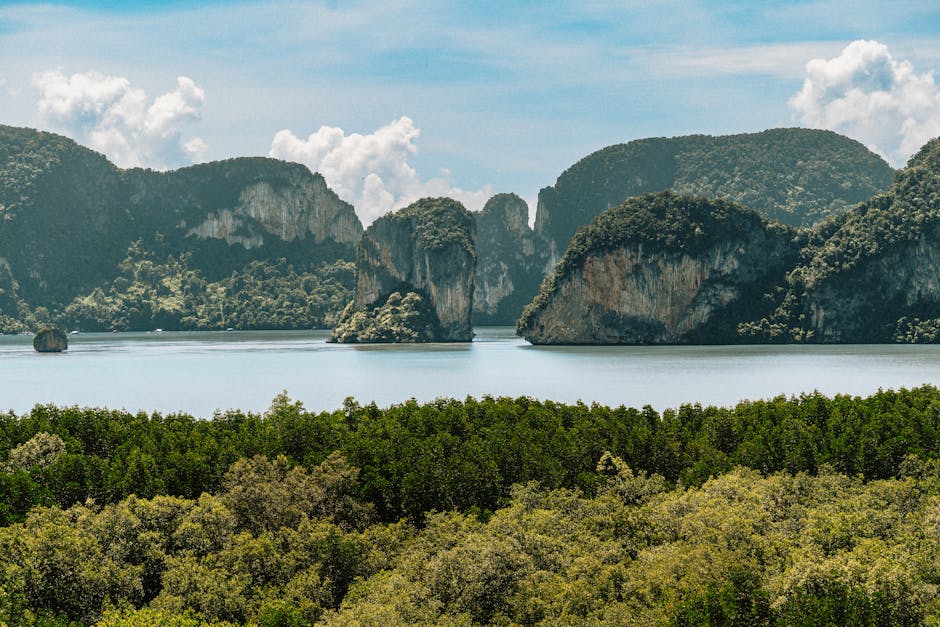
We entered caves where Taino petroglyphs and pictographs covered the walls — faces, birds, geometric patterns drawn by the island’s original inhabitants centuries before Columbus arrived. The carvings were haunting and beautiful, and our guide spoke about them with the reverence they deserved. The Taino people called this place the “land of mountains,” and standing in a cave decorated with their art, listening to the water drip from the limestone ceiling, you feel the weight of a history that predates everything the colonial narrative claims as beginning. The pictographs in the Cueva de la Linea were the most striking — faces with wide eyes and geometric bodies rendered in charcoal and ochre that has somehow survived five centuries of Caribbean humidity.
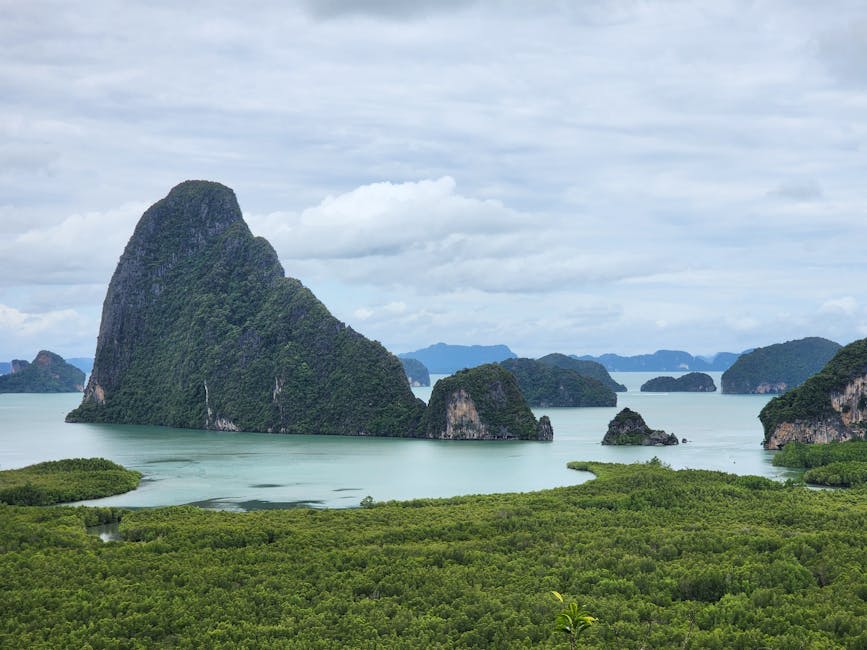
We kayaked through the mangrove tunnels, watching herons and kingfishers work the shallows, and emerged into open water where the mogotes lined up along the coast like a mountain range that sank into the sea. The silence in the mangroves is the deepest I have experienced in the Caribbean — no motors, no music, no human sound at all. Just the dip of the paddle, the call of birds, and the occasional splash of something unseen in the dark water beneath the hull. The biodiversity is remarkable — Los Haitises is home to the endangered Dominican hutia, manatees in the coastal waters, and over a hundred species of birds including the endemic Hispaniolan parrot.
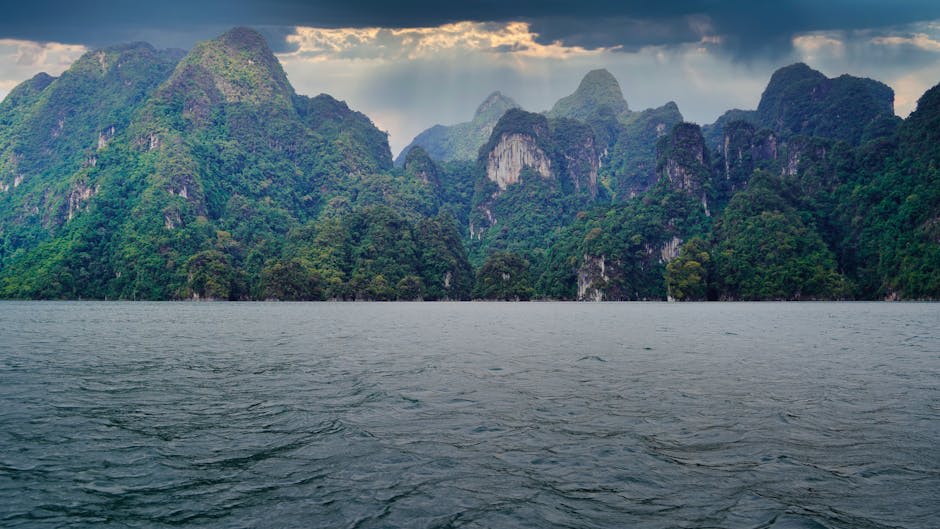
It was the most visually strange place we visited in the Caribbean, and the one that lingered longest in memory. The combination of ancient geology, ancient art, and ancient silence creates a place that feels less like a national park and more like a cathedral built by time.
When to go: Year-round, though December through April offers the calmest seas and driest conditions. Boat tours run daily from Samana or Sabana de la Mar. The park is equally impressive in rain — the mogotes in mist are atmospheric. Combine with a Samana Peninsula trip for the best itinerary.