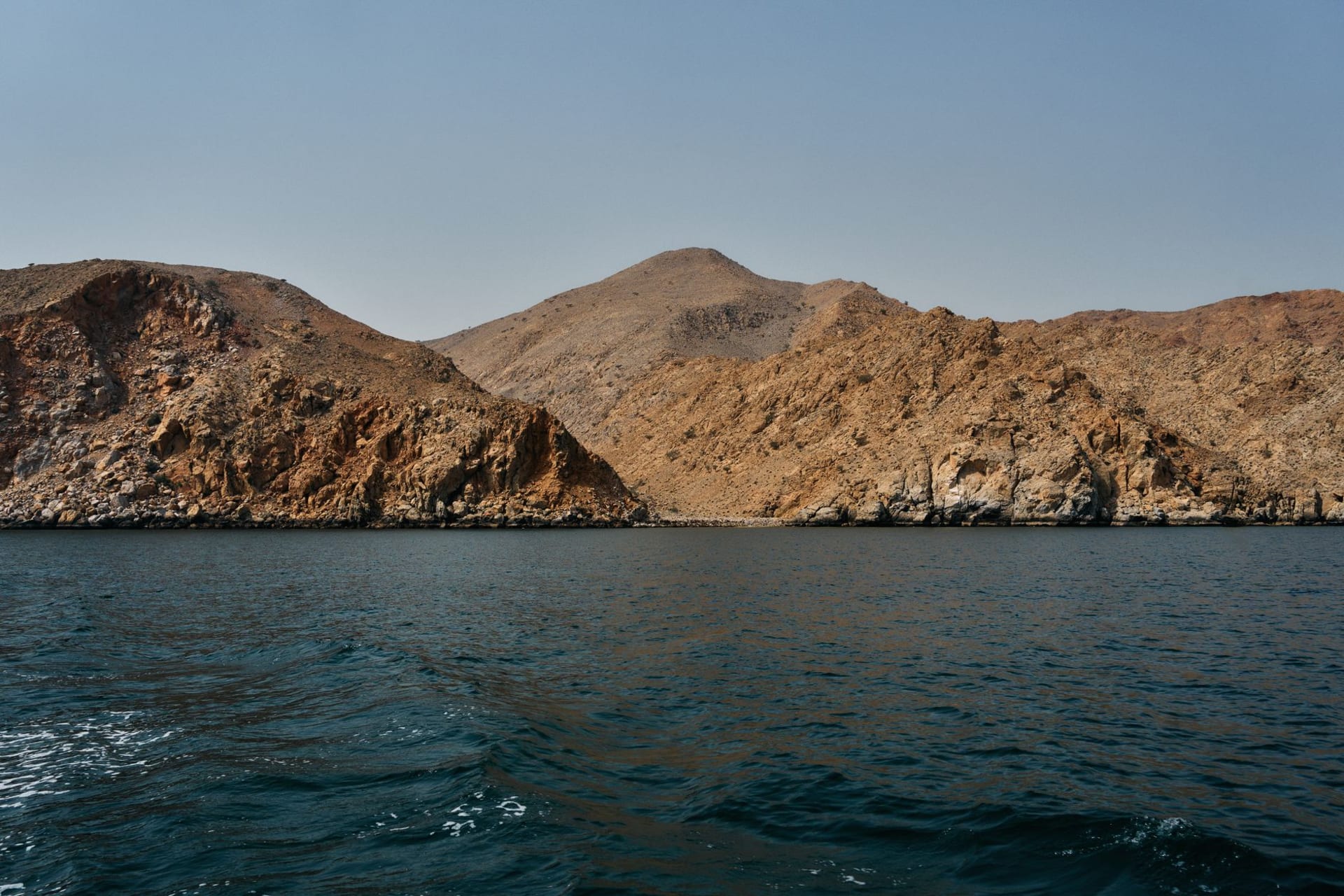
Gulf of Tadjoura
"The whale shark didn't notice me. That indifference, at that scale, was one of the more humbling experiences of my life."
A deep blue arm of the Indian Ocean where whale sharks gather in winter and the water is so clear you can see your shadow on the bottom ten meters down.

The briefing before the whale shark snorkel was characteristically French: thorough, slightly pessimistic, and delivered with a shrug that suggested the outcome was ultimately up to forces beyond human control. The guide from the dive center in Djibouti City — a young Djiboutian man who spoke four languages with equal facility and had grown up swimming in the gulf — told us to enter the water quietly, not to touch, not to use flash, and not to swim directly in front of the animal. Then he smiled and said that if we were lucky we might see a juvenile. We got an adult female, roughly eight meters, who spent forty minutes moving through the water around us like we weren’t there.
The Gulf of Tadjoura is the southwestern arm of the Gulf of Aden, and between November and February it becomes one of the most reliable places on Earth to snorkel with whale sharks. The sharks are drawn by the plankton bloom that follows the change of currents, and they feed near the surface in patterns that are predictable enough for the boat captains to know, roughly, where to go. What you’re not prepared for, no matter how many photographs you’ve studied, is the scale. Eight meters is longer than most people’s living rooms and the shark’s mouth, filtering water, is wide enough to cause genuine involuntary alarm even knowing, intellectually, that it eats only plankton.

Beyond the whale sharks, the gulf rewards slower exploration. The coral reefs off the coast near Arta Beach are in better condition than most in the Indian Ocean — the combination of low tourism numbers and stringent local protections has kept them largely intact. I dove a site called Les Sept Frères, where the coral formations rise in towers and the fish density is extraordinary: parrotfish, barracuda, napoleon wrasse, schools of snapper moving in tight synchronized turns. The water temperature in winter hovers around 25°C, which is comfortable without a wetsuit for the first hour and appreciably cold by the third.
The town of Tadjoura itself sits on the northern coast of the gulf and is worth the two-hour ferry crossing from Djibouti City for an afternoon. It’s one of the oldest towns in the country — the white-painted mosques and the narrow streets of the medina have a quality of age and quiet that the capital doesn’t have. The ferry comes from the port in the late morning, the return is in the afternoon, and the crossing itself is its own pleasure: sitting on the deck with tea in a plastic cup, watching the city shrink behind you and the northern coast grow ahead, the gulf so flat and blue it seems improbable.

After the snorkel, back on the boat with water dripping off my mask and fins, I sat in silence for a while trying to find the right frame for what had just happened. A whale shark is neither beautiful nor ugly in any human register — it’s simply too large and too indifferent for those categories to apply. The gulf held it, and holds the reef, and holds the town of Tadjoura across the water, and the whole thing felt less like a place I’d visited than a system I’d been briefly admitted to.
When to go: November through February for whale sharks — this is non-negotiable, they are genuinely absent outside this window. Coral diving is good year-round but visibility peaks in winter. The Tadjoura ferry runs daily except Friday and requires no booking.
Keep exploring
More from Djibouti
 djibouti
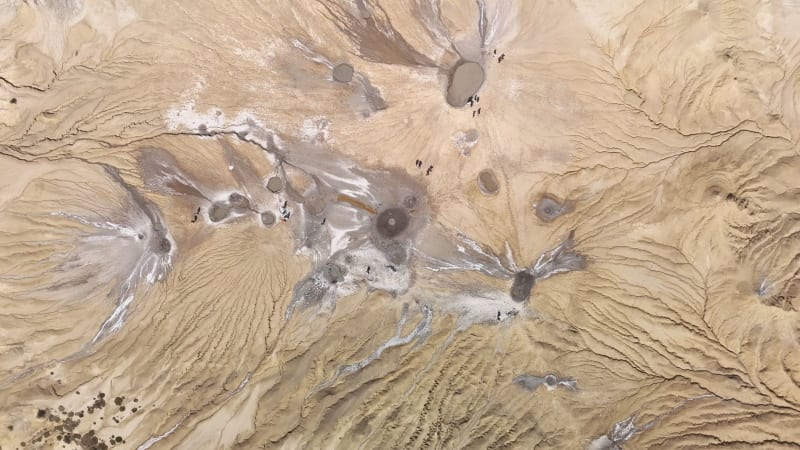
 Lake Abbé
A lunar expanse of steaming chimneys and flamingo-pink shallows on the Ethiopian border that looks like no other place on Earth.
Explore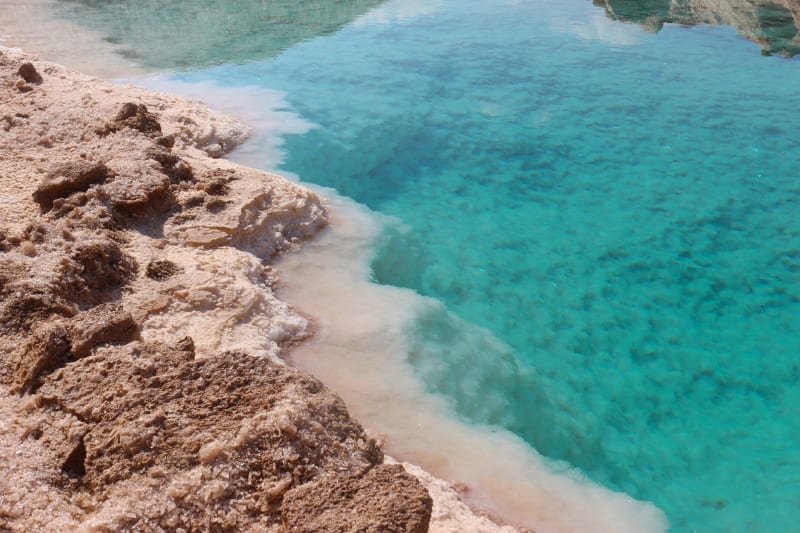 djibouti
 Lake Assal
The lowest point in Africa, a hypersaline crater lake so white and otherworldly it reads like a glitch in reality.
Explore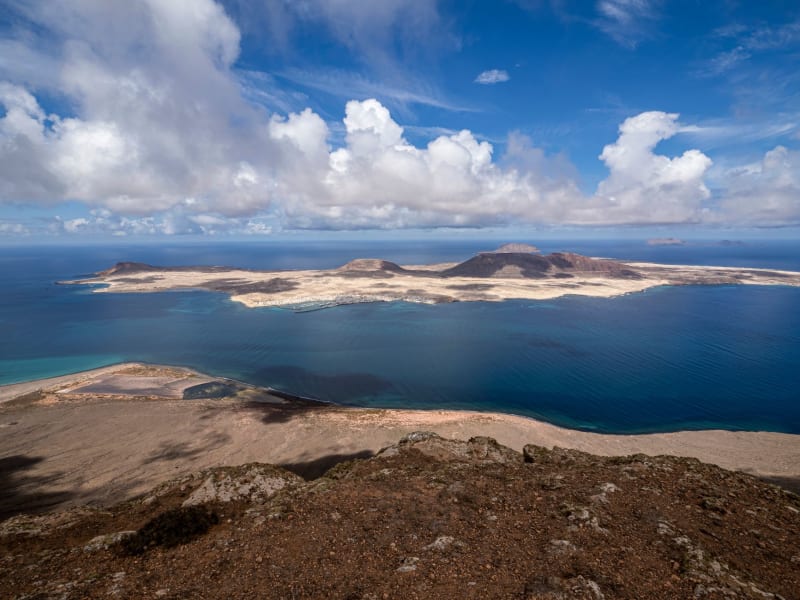 djibouti
 Moucha Island
A coral island forty minutes by boat from the capital with turquoise shallows, untouched reef, and a silence that makes the city feel very far away.
Explore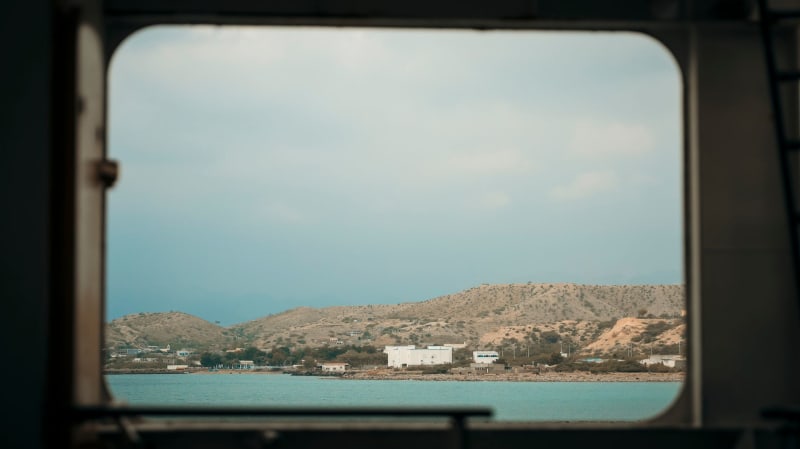 djibouti
 Obock
The forgotten first capital of French Somaliland, now a quiet coastal town where the ferry from Tadjoura arrives and the Gulf of Aden opens wide to the east.
Explore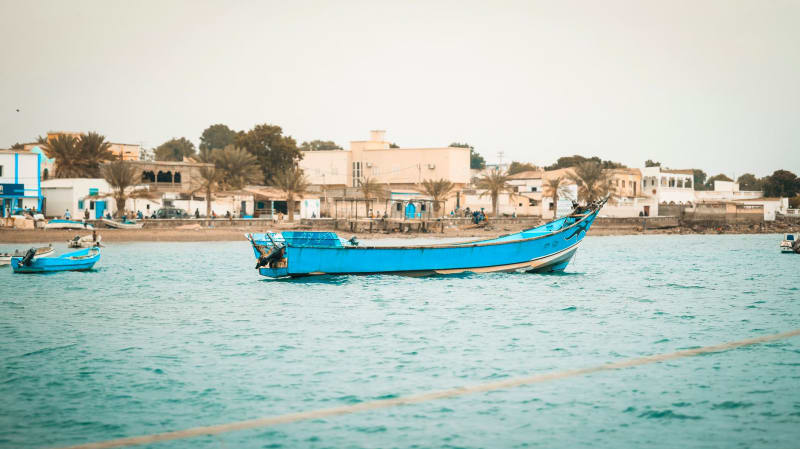 djibouti
 Tadjoura
One of the oldest towns in the Horn of Africa, a whitewashed port on the northern gulf coast that has been trading since before France had any interest in this coastline.
Explore djibouti
 Afar Triangle
The geological ground zero where three tectonic plates are pulling apart, creating a landscape of lava fields, fissures, and an alien beauty that has no parallel.
Explore