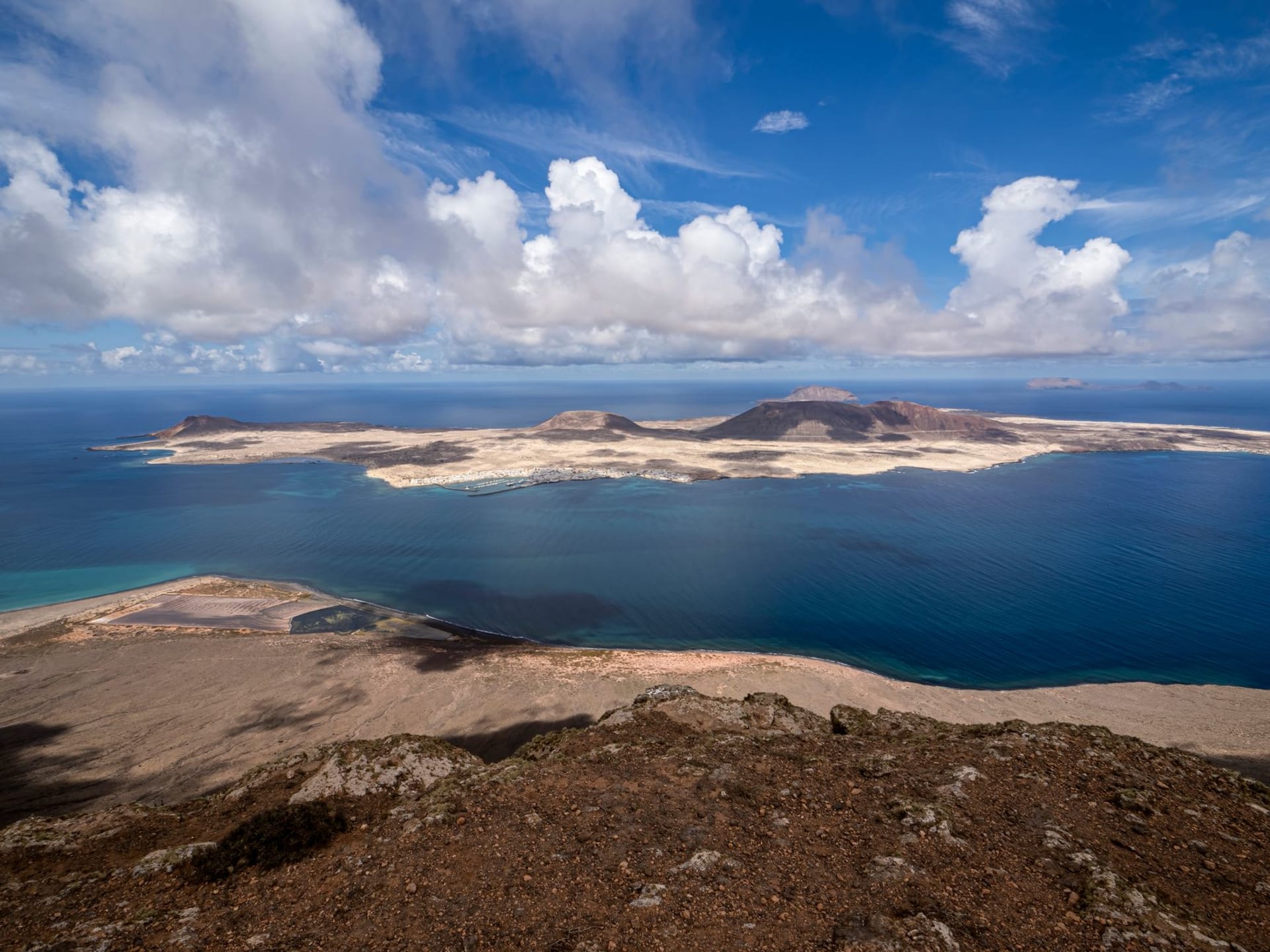
A coral island forty minutes by boat from the capital with turquoise shallows, untouched reef, and a silence that makes the city feel very far away.

The boat from the port in Djibouti City takes forty minutes across the Gulf of Tadjoura and deposits you on a jetty that leads onto a narrow strip of coral sand, palm trees, and three or four wooden structures that constitute the entire infrastructure of Moucha Island. There are no roads. There are no cars. There is a generator that runs the small lodge in the evenings and cuts off at ten, and after that there is nothing but stars and the sound of water. I spent two nights and found this entirely sufficient.
Moucha is the closer and more accessible of Djibouti’s two main offshore islands — Maskali, a few kilometers east, is smaller and less visited. The island sits on an arc of coral reef that wraps around its south and east sides, sheltering a lagoon of extraordinary clarity. The color progression as you walk into the water is something I tried to photograph and failed to capture: translucent white in the shallows, then pale green, then turquoise, then a sudden deep blue where the reef drops away. The whole sequence happens in about thirty meters of horizontal distance.

The reef here has the quality of reef that you only find where there is genuinely light human pressure. I snorkeled for three hours on the second morning, starting before the day guests arrived on the first ferry and having the water entirely to myself. The coral is healthy — genuinely healthy, not the kind of marginal health that dive operators describe as “recovering” — and the fish populations are what they would be in the absence of sustained fishing pressure. I counted six species of butterflyfish in one thirty-meter transect without trying. There was a green turtle sleeping in a cave at about eight meters who was unimpressed by my presence and continued sleeping.
The lodge itself is basic: four or five bungalows with fans and mosquito nets, meals of grilled fish and rice, cold beers that are not quite cold enough because the refrigerator is running on generator power. None of this matters. What matters is that you can eat dinner on the beach as the sun goes down over the Djibouti City skyline across the water, and the silhouette of the city at dusk — small, compact, with the lights beginning to appear — looks, from here, almost romantic. Distance does this to cities.

At night, with the generator off, the sky above Moucha is the sky that used to exist everywhere before electricity and is now found mainly over water and desert. The Milky Way is structural — not a smear of light but an actual architectural feature of the sky, with depth and texture. I lay on the beach for an hour and watched it and thought about how rarely you see the sky the way human beings saw it for most of human history. Then something bit me on the leg and I went inside.
When to go: November through April for the best snorkeling conditions and whale shark possibilities in the channel. The island is accessible year-round but the summer months are genuinely brutal — heat without shade is not a holiday. Day trips are possible but staying overnight is the better option; the evening and morning light on the reef is worth the basic accommodation.
Keep exploring
More from Djibouti
 djibouti
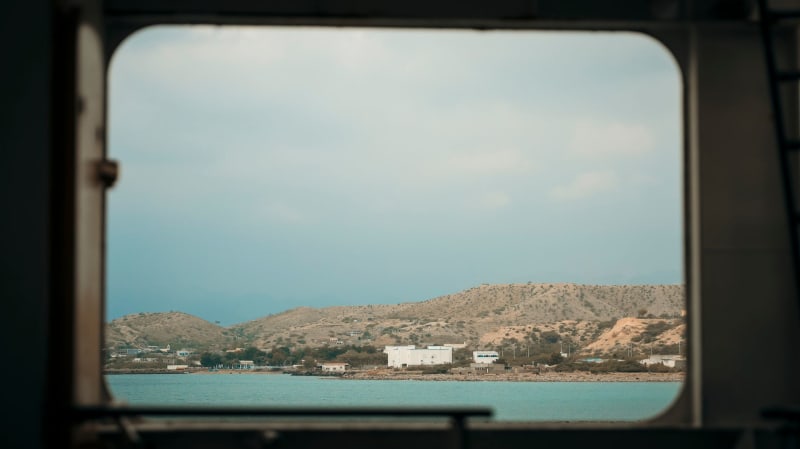
 Obock
The forgotten first capital of French Somaliland, now a quiet coastal town where the ferry from Tadjoura arrives and the Gulf of Aden opens wide to the east.
Explore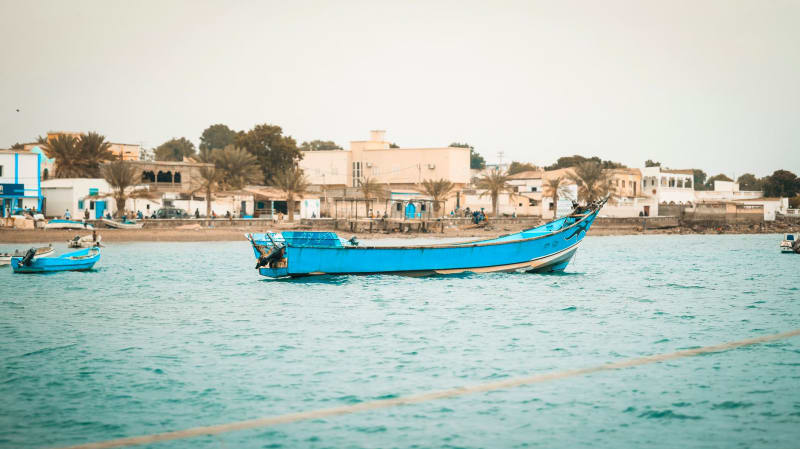 djibouti
 Tadjoura
One of the oldest towns in the Horn of Africa, a whitewashed port on the northern gulf coast that has been trading since before France had any interest in this coastline.
Explore djibouti
 Afar Triangle
The geological ground zero where three tectonic plates are pulling apart, creating a landscape of lava fields, fissures, and an alien beauty that has no parallel.
Explore djibouti
 Ali Sabieh
A southern market town at the Ethiopian border where the Somali and Afar worlds intersect and the landscape turns to broken red rock and termite towers.
Explore djibouti
 Arta Beach
A sheltered cove an hour from the capital where the coral reef begins just steps from shore and whale sharks pass close enough to touch — not that you should.
Explore djibouti
 Day Forest National Park
Djibouti's only forest, a cloud-wrapped juniper woodland at 1,500 meters that feels implausibly lush in one of the hottest countries on Earth.
Explore