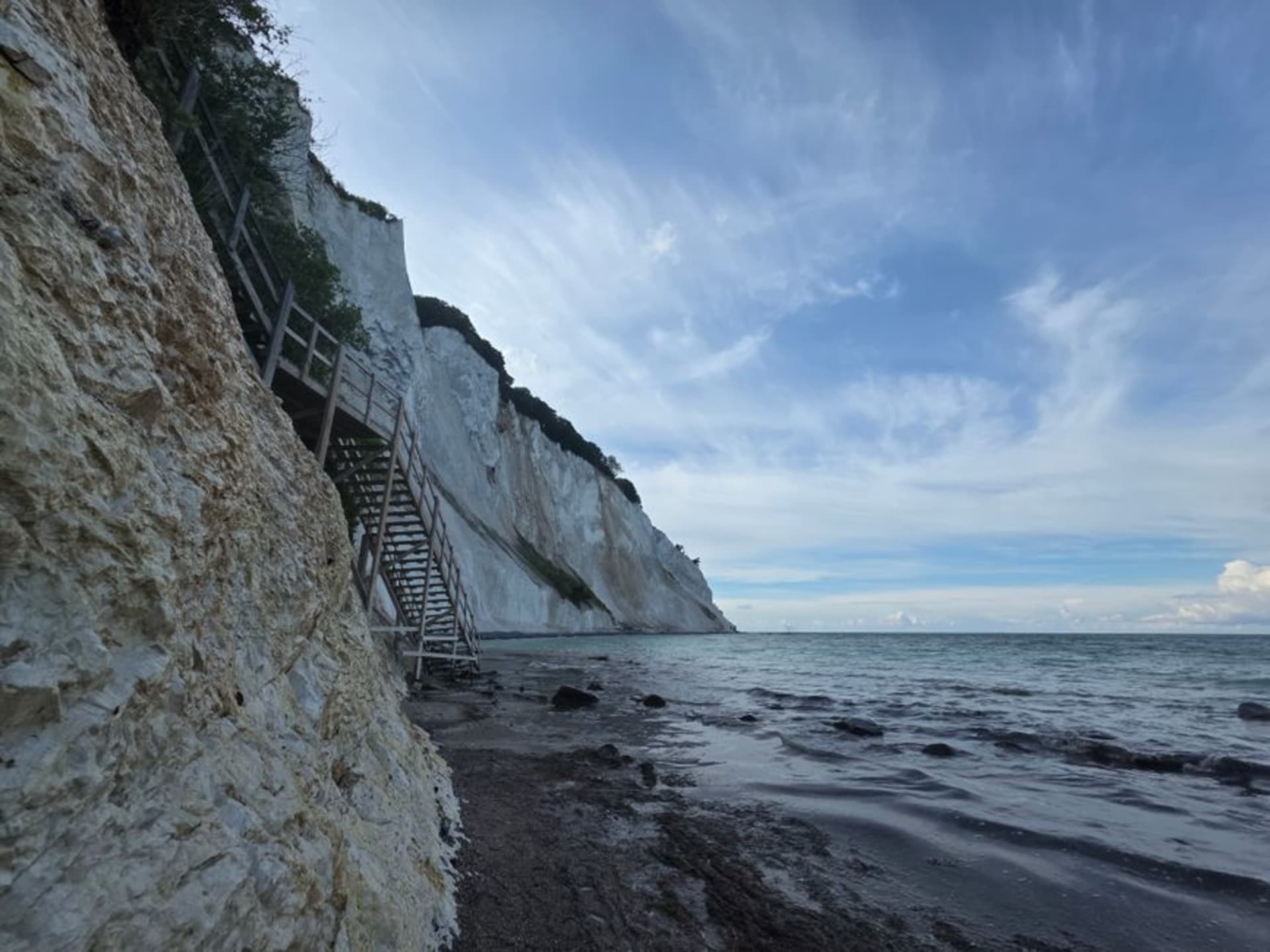
Mon Klint
"I stood at the top of the stairs, looked down at all six hundred steps, and Lia just said, well, we're not turning back now."
Dazzling white chalk cliffs plunge into the Baltic Sea on the island of Mon, one of Denmark's strangest and most beautiful coastlines.

I hadn’t expected chalk. Denmark, in my head, was flat fields, wind turbines, brick farmhouses — not cliffs that could pass for a scaled-down version of England’s Seven Sisters. But there they were: Mons Klint, a wall of white rising more than a hundred metres straight out of the Baltic, streaked grey and rust where the beech roots cling to the crumbling rock. We drove over from Copenhagen on a grey September morning, the kind of light that actually flatters chalk, and the first glimpse from the clifftop path made both of us stop talking mid-sentence.
Getting down to the beach means the famous staircase — something like four hundred and eighty steps now, after they rebuilt it a few years back, though it felt like closer to a thousand on the way up. Lia counted out loud for the first hundred and then gave up. At the bottom, the beach is narrow and made almost entirely of flint nodules and chalk rubble, and if you know what you’re looking for, this is prime fossil-hunting territory — sea urchins turned to stone, belemnites, the odd shark’s tooth if you’re patient or lucky. We weren’t especially patient. We mostly just stood there with our necks craned back, watching gulls ride the updrafts along the cliff face.

What surprised me most was the forest on top. Mons Klint isn’t just a geological curiosity — it sits inside a genuinely lovely stretch of ancient beech woodland, Klinteskoven, laced with trails that dip and climb along the cliff edge. In autumn the beeches go copper and gold and the contrast against the white chalk and grey-green sea is the kind of thing that looks fake in photos. We spent a good three hours just wandering the upper paths before we ever committed to the staircase, and honestly the walk alone would have justified the trip.
There’s a museum near the top, GeoCenter Møns Klint, which I’ll admit I went into skeptical of and came out actually liking — it does a decent job explaining how these cliffs formed from chalk laid down by marine creatures some seventy million years ago, and why they keep collapsing (a chunk the size of a stadium slid into the sea back in 2007, which is a genuinely unsettling thing to learn right before you walk along the cliff-edge path).

The stairs back up were worse than the stairs down, unsurprisingly, and I was sweating through a fleece in fifteen-degree weather, which felt like a personal failing. But we sat afterward with coffee from the visitor center, legs aching, looking back out at that white wall, and neither of us regretted a single step.
When to go: Come in September or October for the beech forest turning color against the white chalk, or in early summer for long daylight and calmer seas — avoid it after heavy rain, when the clifftop paths get genuinely slick and dangerous near the edge.
Keep exploring
More from Denmark
 denmark
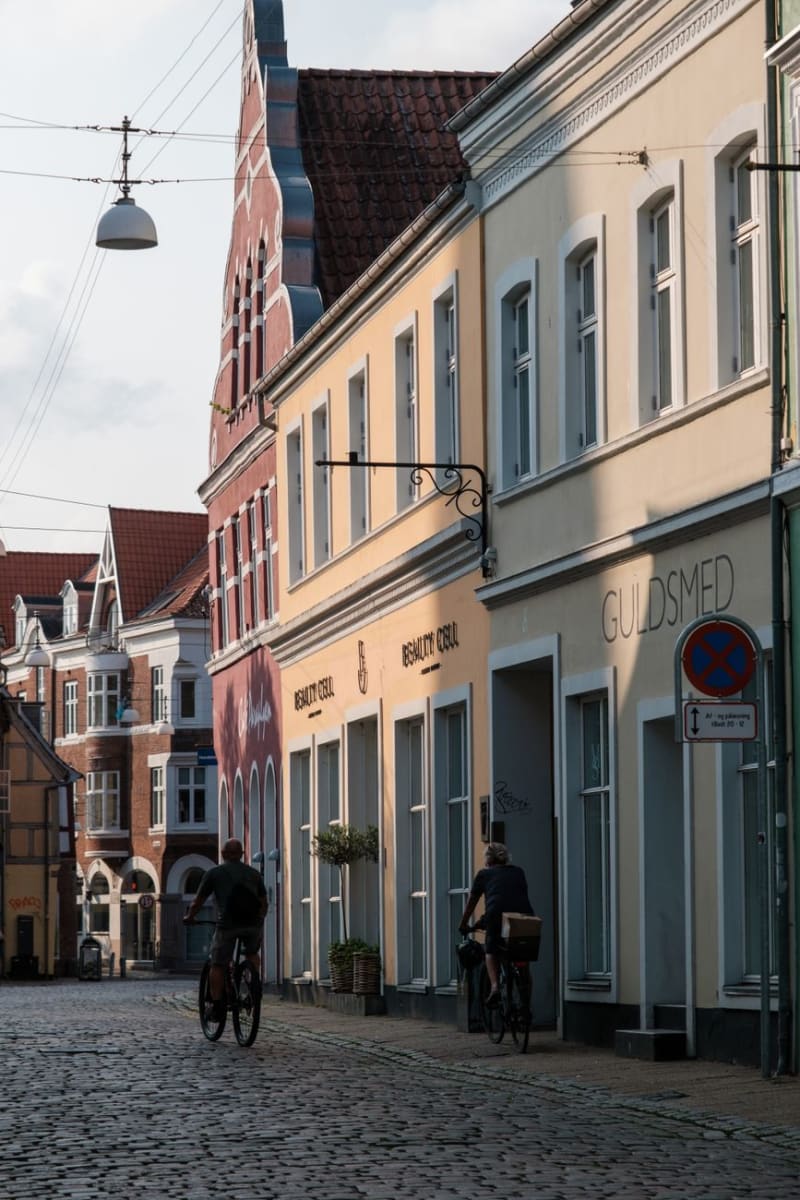
Odense
Hans Christian Andersen's hometown, a fairy-tale city of cobblestones, half-timbered houses, and a museum that reinvents storytelling.
Explore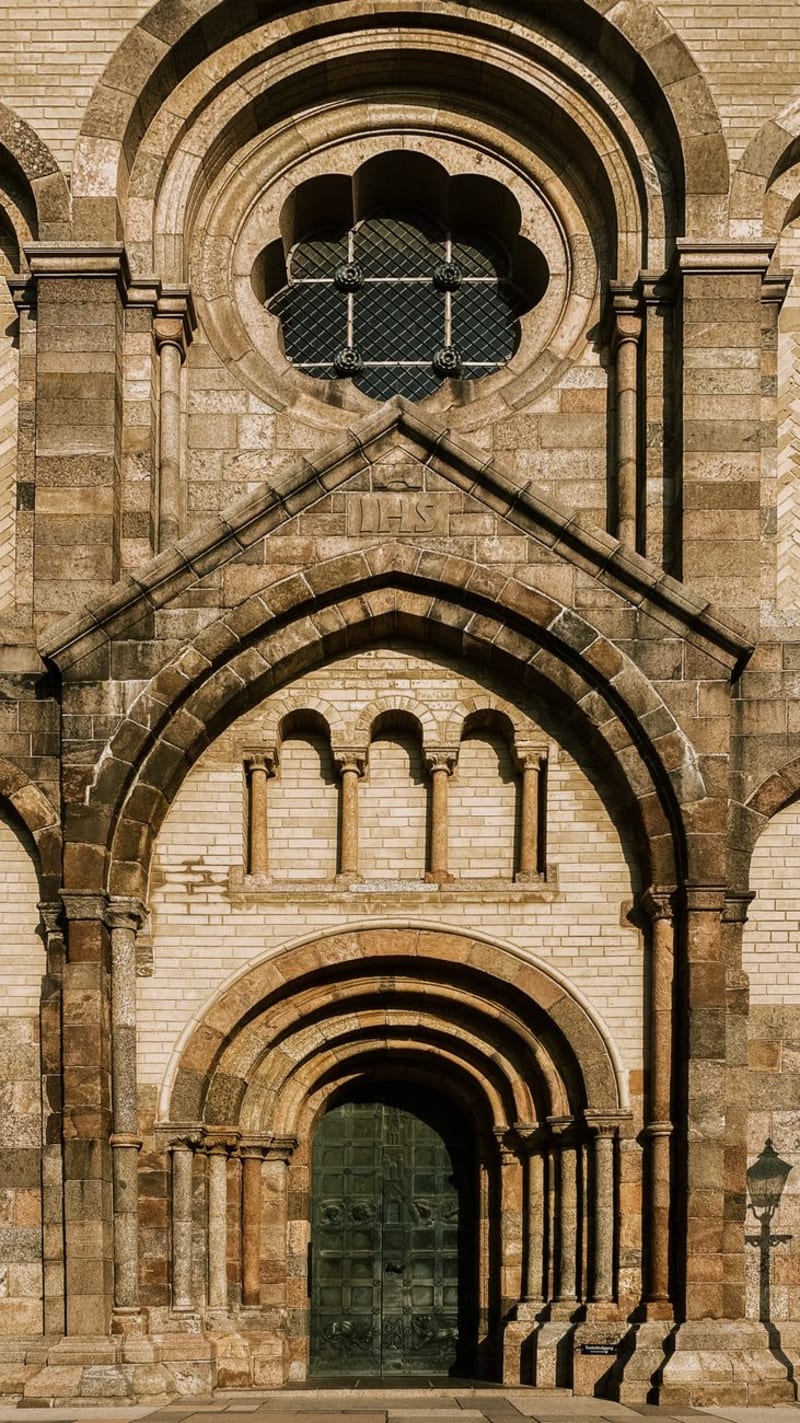 denmark
Ribe
Denmark's oldest town, where a medieval centre of crooked houses and a towering cathedral have survived a thousand years of floods and time.
Explore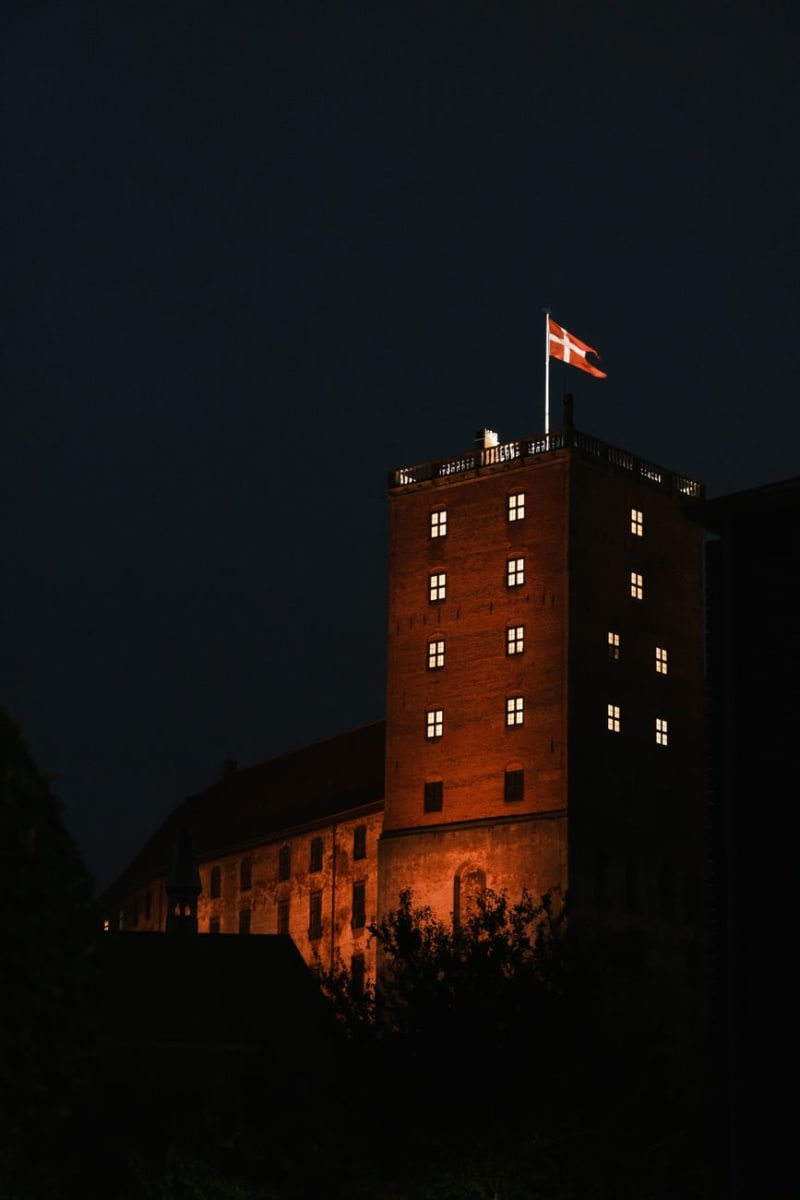 denmark
Roskilde
Denmark's ancient capital where Viking ships rest in a fjord-side museum and kings lie in a cathedral of brick and bone.
Explore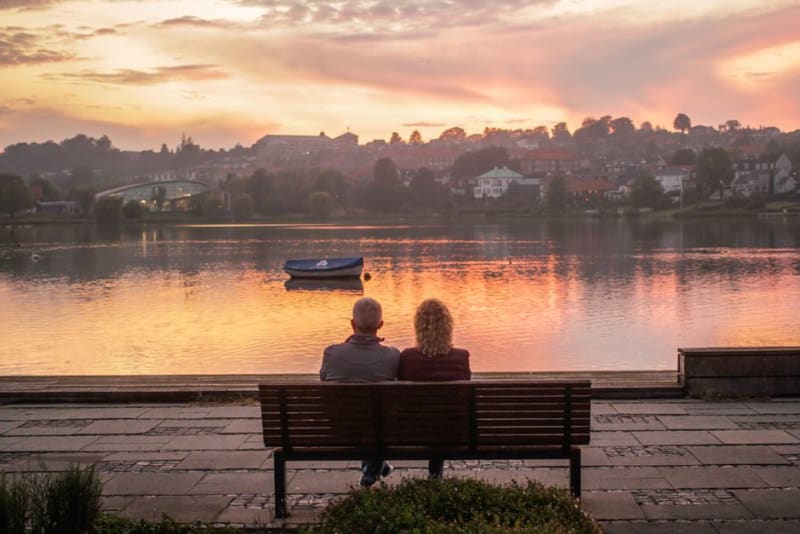 denmark
Silkeborg
A quiet Jutland town threaded between lakes and pine forest, where paddle-steamers still cross the water and cyclists outnumber cars.
Explore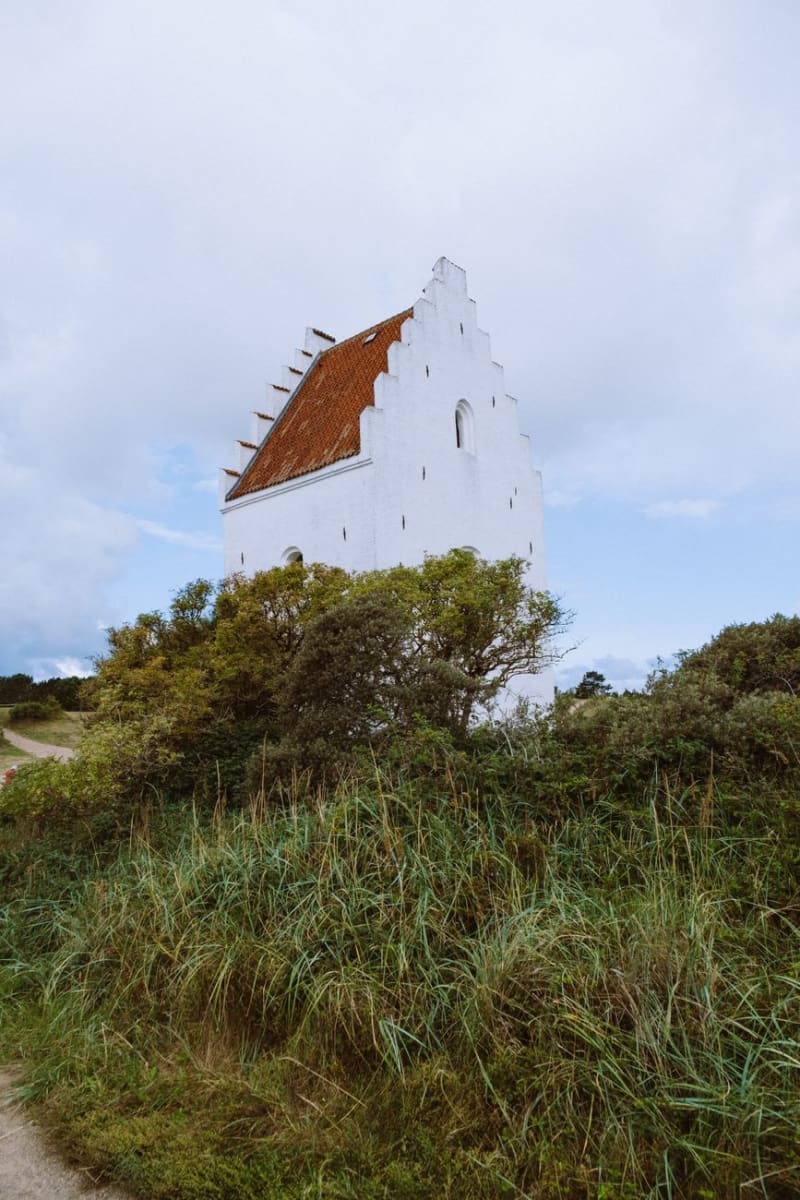 denmark
Skagen
Denmark's northernmost town where two seas collide, the light turns golden, and the sand dunes swallow churches.
Explore denmark
Aalborg
Denmark's overlooked northern city, where a reborn waterfront, a Renaissance merchant's mansion, and one of the country's wildest party streets sit side by side without apology.
Explore