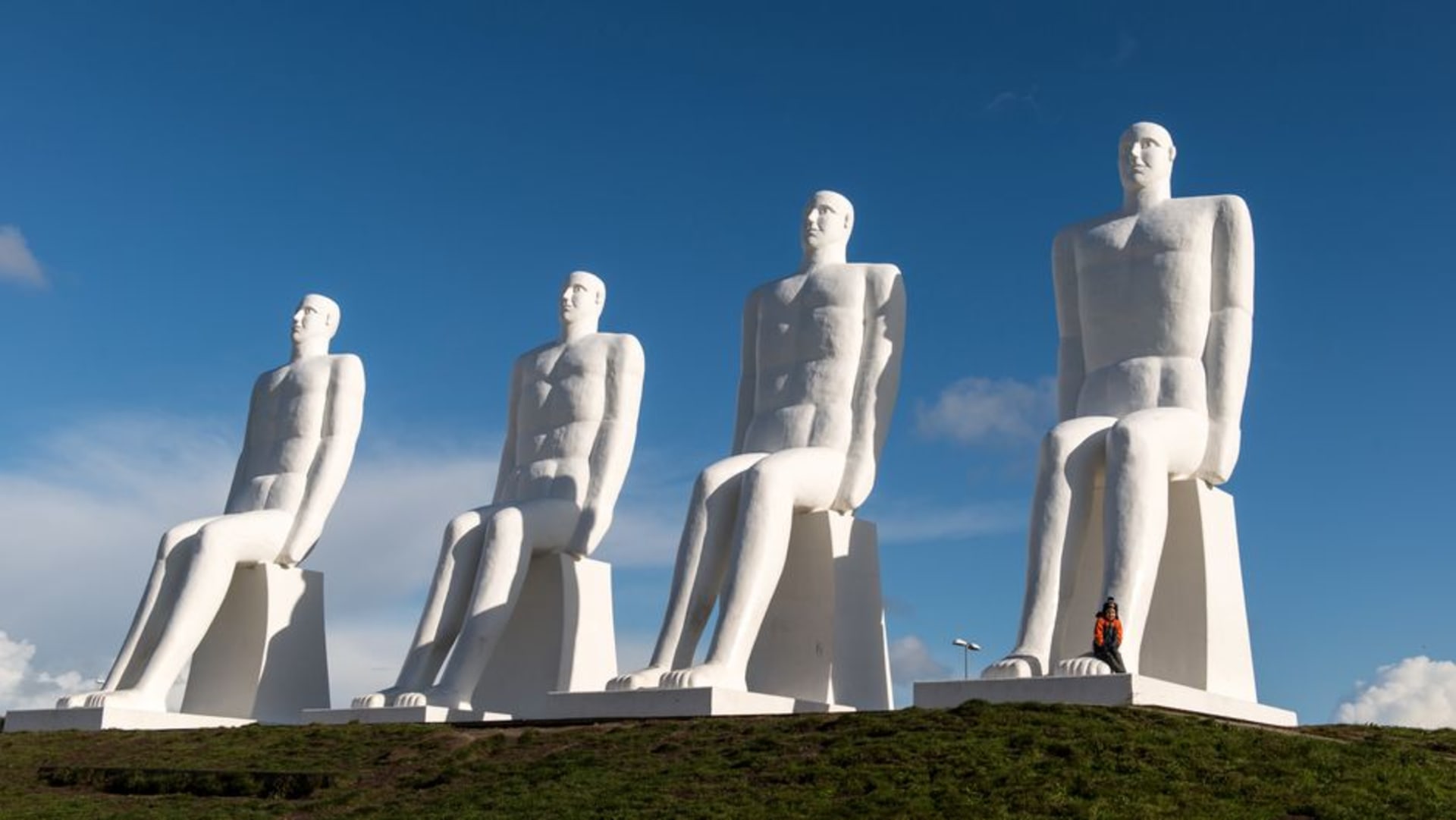
Esbjerg
"We got there right at sunset and I genuinely felt small standing under those four white giants, staring at the same grey sea they were."
A working North Sea port softened by four giant white figures staring out to sea, and windswept beaches most visitors never think to find.

Esbjerg isn’t a town people put on their Denmark itinerary, and I get why — it’s young by Danish standards, barely a century and a half old, built up around fishing and now oil-and-gas service industries, and it looks it: wide industrial harbor, container cranes, none of the half-timbered postcard charm you get elsewhere. We only stopped because Lia had seen a photo of the sculpture and refused to leave Jutland without seeing it in person, and I’m glad she was stubborn about it.
Man Meets the Sea sits on a headland just north of the harbor, four white seated figures each nine metres tall, staring fixedly out at the North Sea. Svend Wiig Hansen made them for the town’s centenary in 1995, and there’s something almost unsettling about them up close — faceless in the way stone giants tend to be, but posed with such calm patience that you end up staring out in the same direction they are, waiting for something to arrive on the horizon. We went at golden hour and the light did something to the white concrete that made the whole thing feel less like public art and more like a ritual site.

Beyond the sculpture, Esbjerg’s real appeal is what it’s a gateway to. The port runs ferries out to Fanø, a low sandy island a short crossing away, and the beaches there are enormous — at low tide you can drive a car onto the sand, which felt borderline illegal the first time I tried it. We spent an afternoon on Fanø’s south beach with almost nobody else around, wind hammering sideways, Lia insisting it was still warm enough to wade in (it was not).

Back in town, dinner was at a fish restaurant near the old harbor that served plaice so fresh it had probably been swimming that morning, and the waiter told us, unprompted, that Esbjerg still lands more fish than any other Danish port. I believed him. There’s a bluntness to the place that I ended up liking — it doesn’t dress itself up as picturesque, it just gets on with being a working port town, and the sculpture and the beaches feel like honest bonuses rather than the whole point.
When to go: Late spring through early autumn gives you the best odds of a dry crossing to Fanø, though the wind never really stops — pack a proper jacket even in July.
Keep exploring
More from Denmark
 denmark
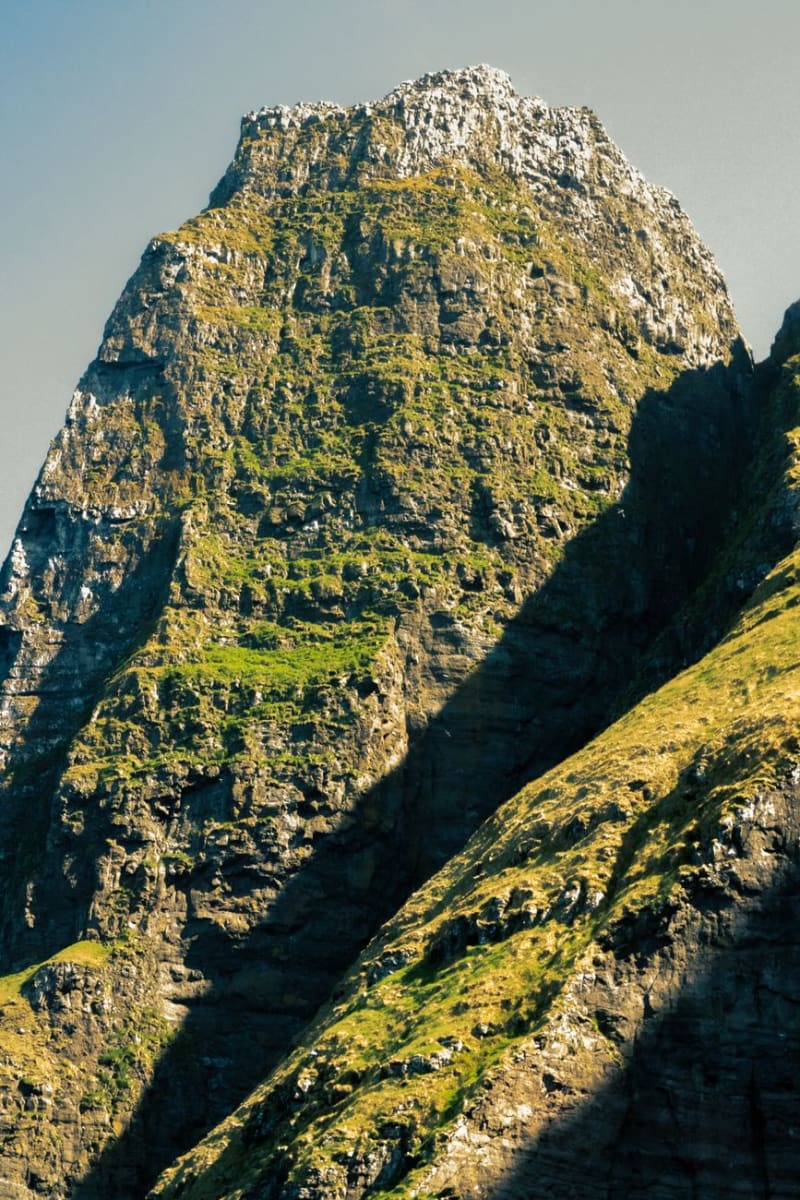
Faroe Islands
Eighteen volcanic islands in the North Atlantic where grass-roofed villages cling to cliffs above a sea that never rests.
Explore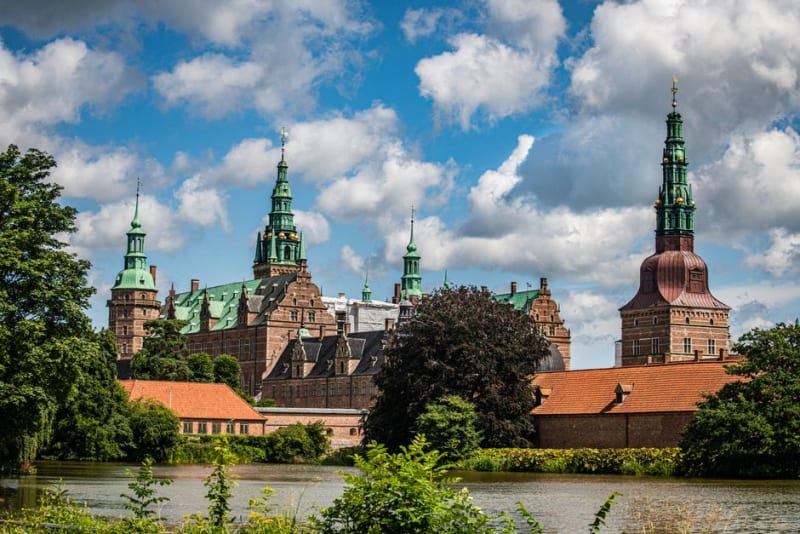 denmark
Frederiksborg Castle
A Dutch Renaissance royal castle spread across three small islets in a lake at Hillerod, all copper spires and red brick and baroque gardens.
Explore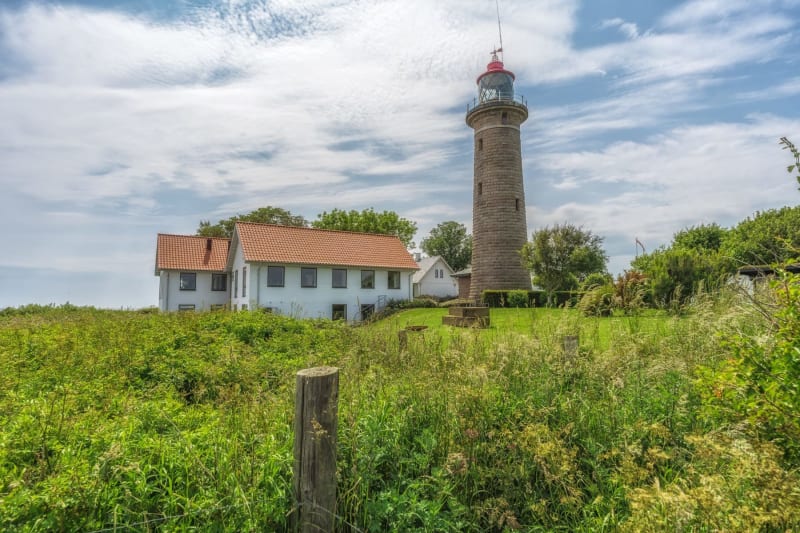 denmark
Bornholm Hammershus
Scandinavia's largest castle ruin on a granite cliff above the Baltic in northern Bornholm, visited mostly by cyclists.
Explore denmark
Helsingor
Shakespeare's Elsinore, where Hamlet's castle guards the narrowest strait between Denmark and Sweden.
Explore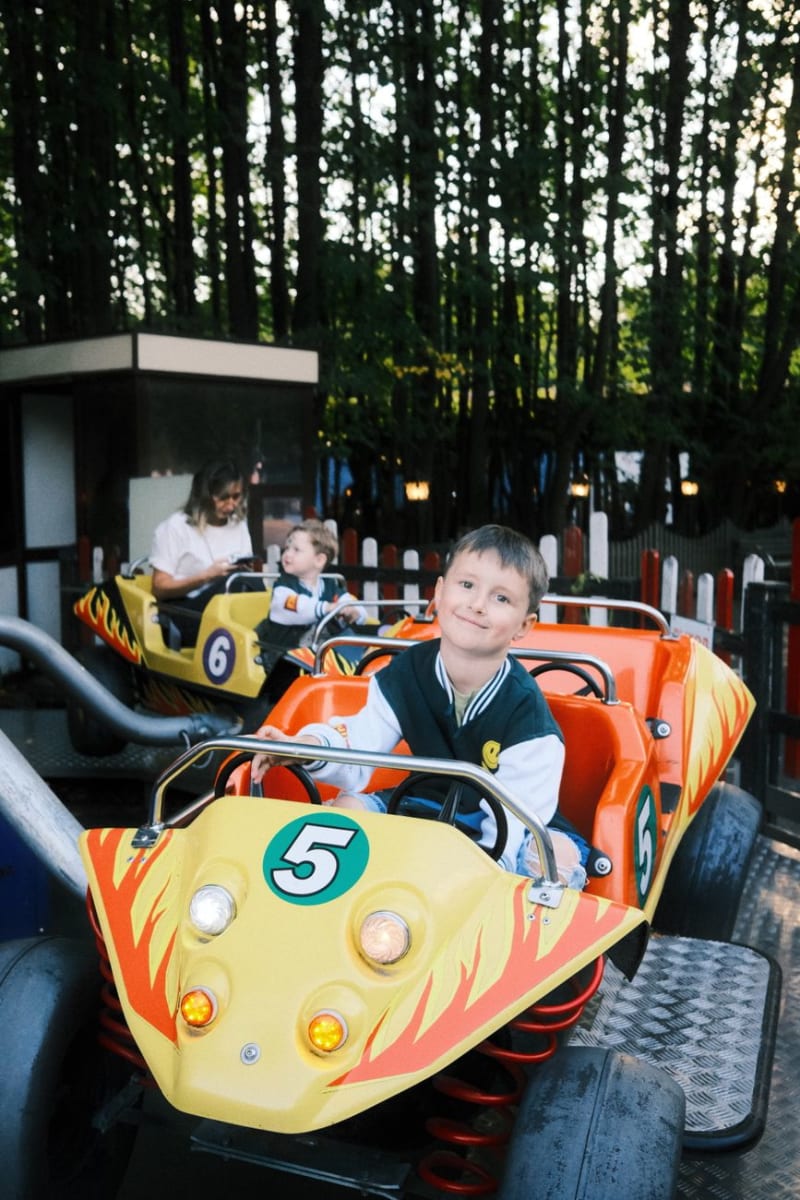 denmark
Legoland Billund
The original Legoland, built in the Danish town where the brick was born, and still the most charming of them all.
Explore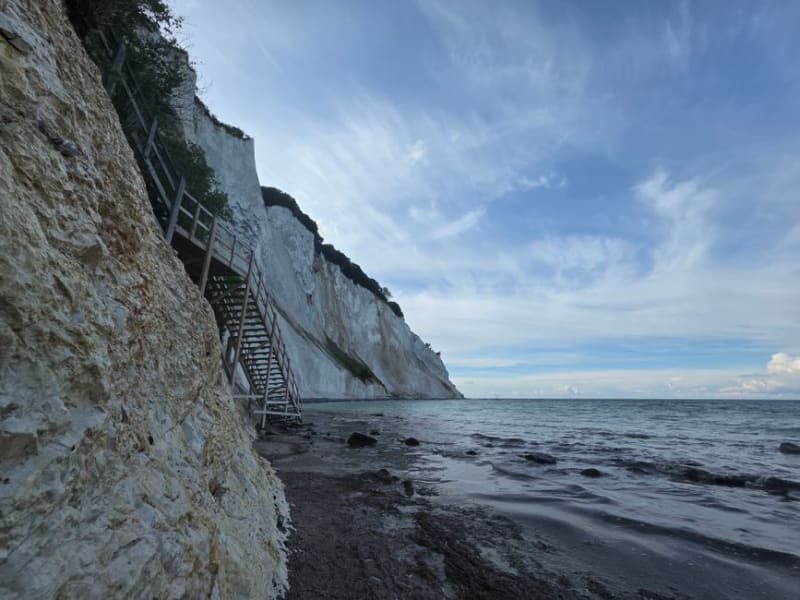 denmark
Mon Klint
Dazzling white chalk cliffs plunge into the Baltic Sea on the island of Mon, one of Denmark's strangest and most beautiful coastlines.
Explore