
Willemstad's rougher, more soulful side — where Afro-Caribbean culture runs deep and the keshi yena is extraordinary.

The first time I crossed the Queen Emma pontoon bridge from Punda into Otrobanda, I crossed on foot with a small crowd of local workers and a woman pushing a shopping cart. The bridge is pedestrian-only when it’s in position, and it bobs slightly beneath your feet, and the harbor opens on both sides as you go. On the Punda side the buildings are all organized and facing the water. On the Otrobanda side you step off the bridge into a neighborhood that seems to have been arranged by different logic entirely — narrower streets, deeper shade, the smell of food coming from kitchens that aren’t advertising themselves.
Otrobanda translates literally from Papiamentu as “the other side,” and it was the working-class counterpart to Punda’s colonial mercantile district. The Afro-Caribbean community that built this city built it here, and while Otrobanda has gentrified at its edges — boutique hotels, craft cocktail bars in repurposed townhouses, a heritage museum in a beautifully restored mansion — its interior streets still feel like a neighborhood where people actually live their actual lives. I heard Papiamentu, Dutch, and Spanish being spoken within a half block of each other. I heard music from somewhere above me and couldn’t find it.

The keshi yena I found in Otrobanda is the reason I started recommending this neighborhood with more insistence than I usually allow myself when writing about food. Keshi yena — a whole Edam cheese wheel, hollowed out and stuffed with a filling of spiced chicken or meat, capers, olives, pickled vegetables, raisins, sometimes pigeon peas — is a dish that arrived here through the collision of Dutch colonialism and Afro-Caribbean ingenuity. The Dutch brought Edam wheels; the enslaved population found ways to use the discarded rinds. The result is now considered Curaçao’s national dish. The version I had came out of an oven and arrived in a wedge with a pool of the filling’s juice soaking into the plate. The cheese had caramelized at the edges. I ate slowly and ordered a second cold beer and stayed longer than I planned.
Landhuis Bloemhof, a restored plantation house at Otrobanda’s edge, now operates as an arts center and gallery focused on Curaçaoan visual artists. I arrived on a quiet afternoon to find three women working in studios at the back and a small exhibition of paintings that dealt directly with the island’s history of enslavement — carefully, without sentimentality, with a specificity of place that made them stay with me. The center sits in a garden with old trees. A tortoiseshell cat slept on one of the benches.

Rif Fort, at the western edge of Otrobanda, has been converted into an upscale retail and dining complex while preserving its original fortress shell. The conversion is better than most — the cannons are still in their embrasures, the thick walls and arched passages remain — and the terrace above the water gives you a view back toward Punda that makes the whole city suddenly legible. In the evening, when the lights come on in those merchant houses across the harbor, I understood for the first time why people have been painting Willemstad for three hundred years.
When to go: Otrobanda rewards unhurried midweek visits. Weekday lunchtimes are when the local restaurants are busiest and the food is freshest. The Landhuis Bloemhof arts center is generally open Tuesday through Saturday but hours shift — check before going. Evenings at Rif Fort are lively on weekends. Avoid visiting the neighborhood’s interior streets during the peak cruise-ship afternoon hours if you want it to feel local.
Keep exploring
More from Curaçao
 curacao
Pietermaai
Willemstad's most alive neighborhood — restored plantation-era townhouses turned bars, studios, and small hotels on one electric strip.
Explore curacao
Playa Kenepa
Curaçao's most beautiful beach — a steep-sided cove of white sand and water the color of a swimming pool that actually means it.
Explore curacao
Punda
Willemstad's colonial heart, where pastel merchant houses and a 300-year-old synagogue share the same block.
Explore curacao
Shete Boka National Park
A wild northern coastline where the sea fights the limestone cliffs and sea turtles nest in secret coves at night.
Explore curacao
Sint Michiel
A quiet fishing village on the western shore where time hasn't stopped so much as learned to move differently.
Explore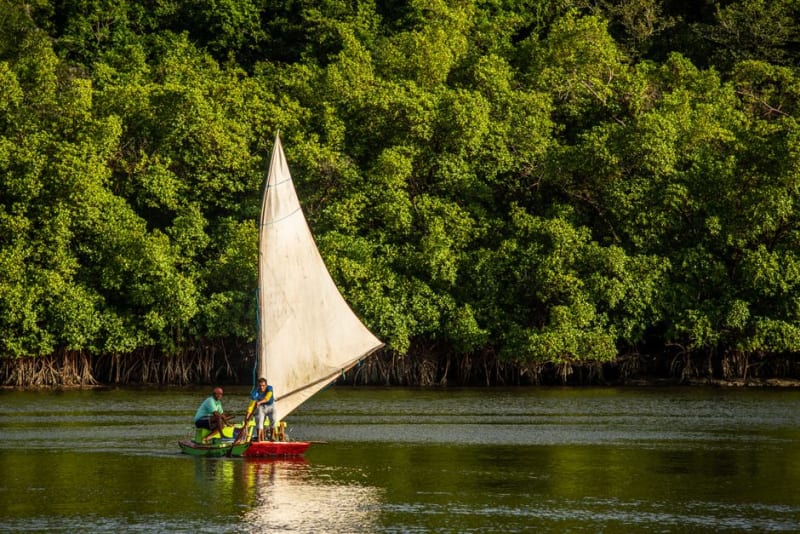 curacao
Spanish Water
A sprawling mangrove-lined bay on Curaçao's south coast where flat water and steady breeze make it the island's unofficial watersports headquarters.
Explore