
Fomboni
"I got to Fomboni expecting a transit stop and ended up staying three extra days because nobody could tell me when the next boat back to Grande Comore actually left."
The sleepy capital of Moheli island, where fishing pirogues outnumber cars and the road south leads straight to turtle nesting beaches.

Fomboni does not try very hard to impress you, and that is exactly why I liked it. Lia and I landed on Moheli after a bone-rattling ferry crossing from Moroni, the kind where you spend forty minutes gripping the rail and negotiating with your stomach, and the first thing we saw was a row of hand-carved pirogues pulled up on gray sand right in front of the market. No terminal building worth the name, just a plank walkway and a man who wanted five hundred francs to carry our bags to a truck that may or may not have been a taxi. It set the tone for the whole visit: everything in Fomboni happens a little slower and a little more directly than you’re used to.
The town itself is barely more than a main street, a mosque, a market that smells of dried fish and ylang-ylang, and a scattering of colonial-era buildings gone soft at the edges with salt air. We stayed at a small guesthouse run by a woman named Fatima who cooked us grilled parrotfish every single night without ever asking if we wanted something else, and honestly we didn’t. What struck me was how little the place performs for visitors — there’s no souvenir stand, no one hawking boat tours on the sidewalk. You have to ask around, which we did, and within a day someone’s cousin had a boat and knew the tides.

That’s the real reason people come through Fomboni at all: it’s the jumping-off point for the Mohéli Marine Park, a strip of protected coastline and islets south of town where green turtles haul themselves onto the beach at night to lay eggs. We went out with a local guide, Ahmed, who’d been doing turtle patrols for a conservation program since he was a teenager. Watching a turtle that size dig a nest by moonlight, this slow, laborious, almost mechanical process, made me feel like an intruder in the best possible way. Ahmed kept his flashlight low and made us whisper, and afterward he told me, half-joking, that he’d seen more turtles than tourists that year.

What I didn’t expect was how much I’d enjoy just sitting in Fomboni itself, doing nothing. In the late afternoon the whole waterfront turns into an informal gathering spot — kids diving off the pier, old men playing cards under a mango tree, the call to prayer drifting over from the mosque while fishermen mend nets. Lia kept saying it reminded her of towns in Cuba before the internet caught up, and I think that’s fair. There’s an unhurried quality here that felt earned rather than curated, because frankly nobody in Fomboni is trying to curate anything for you.
Leaving was its own small ordeal — we waited two extra days for a boat with actual space, playing dominoes with Fatima’s nephew and eating more grilled fish than I’d had in the previous year combined. I won’t pretend Fomboni is an easy place to visit. The infrastructure is thin, the ferry schedule is a rumor at best, and you need patience most travelers don’t bring with them. But if you want turtle beaches without another soul on them and a town that isn’t performing “authentic” for your camera, it’s worth the crossing.
When to go: Visit May through September for calmer seas on the ferry crossing and peak green turtle nesting activity along the marine park beaches.
Keep exploring
More from Comoros
 comoros
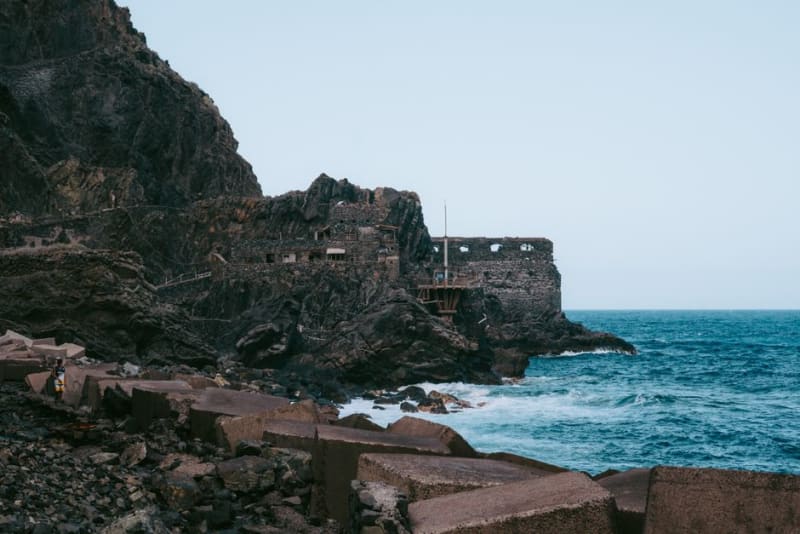
Iconi
A cliffside village minutes from Moroni where a ruined sultan's fortress stares out over the sea and a rock formation locals still tell tragic stories about.
Explore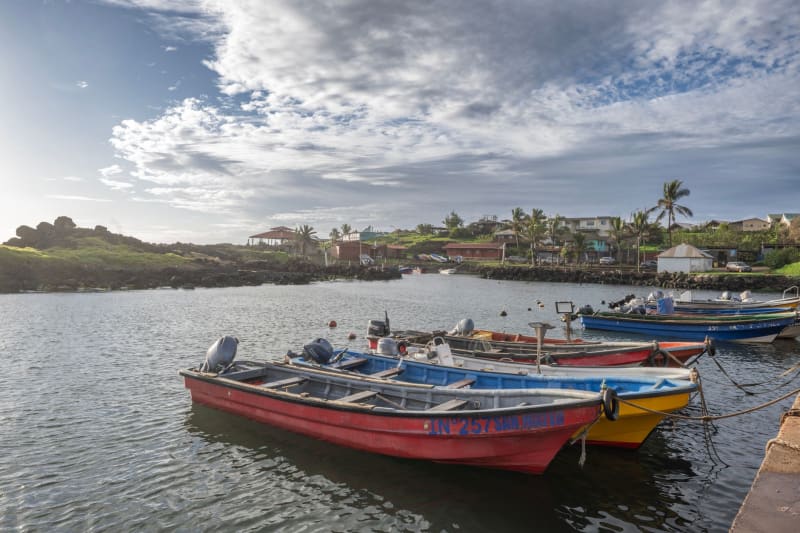 comoros
Itsamia
A small village on Mohéli's southeastern coast where green turtles nest in staggering numbers and the community protects what tourism has not yet found.
Explore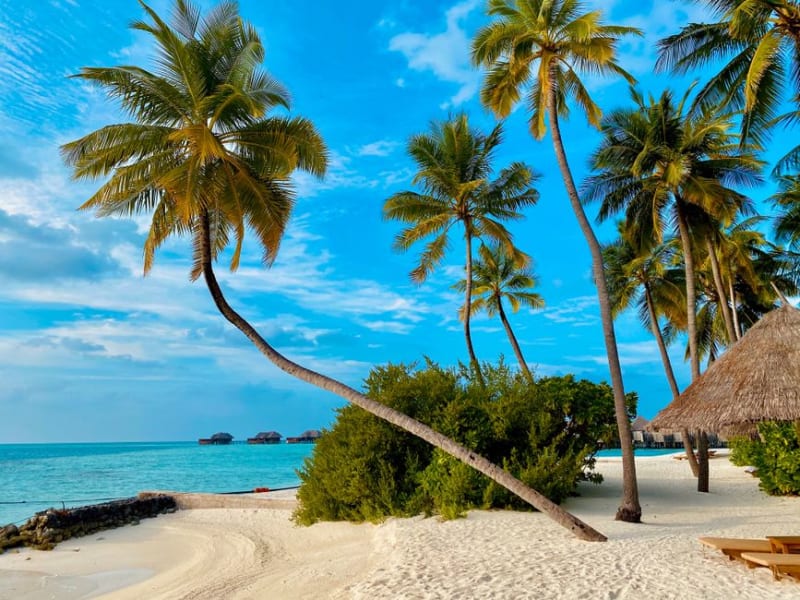 comoros
Koki Beach
A turquoise lagoon beach near Mitsamiouli on Grande Comore's north coast, where a shallow reef keeps the water flat and impossibly clear.
Explore comoros
Lac Salé
A volcanic crater lake near Moroni whose turquoise-green water sits ringed by lava walls, eerie and beautiful in a way that requires no filter.
Explore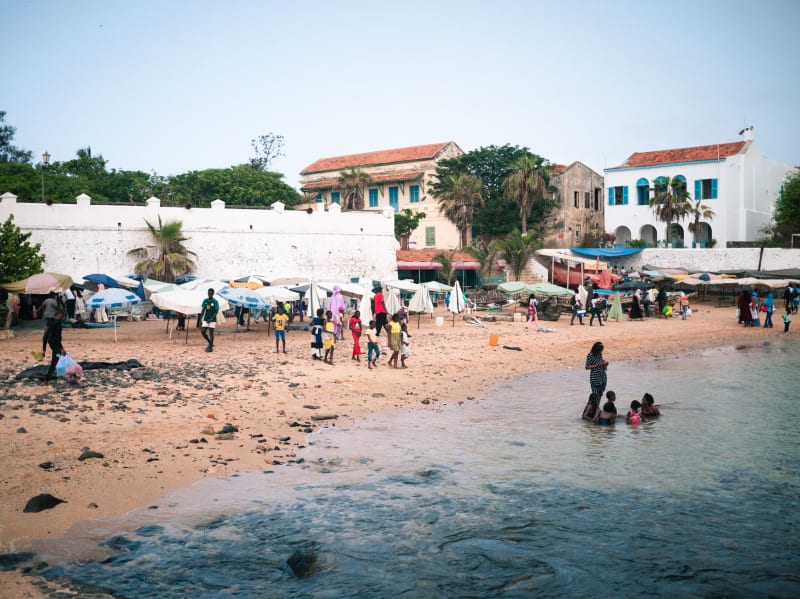 comoros
Mitsamiouli
A small northern town on Grande Comore backed by volcanic highlands, with the best beach on the island and almost no infrastructure built around that fact.
Explore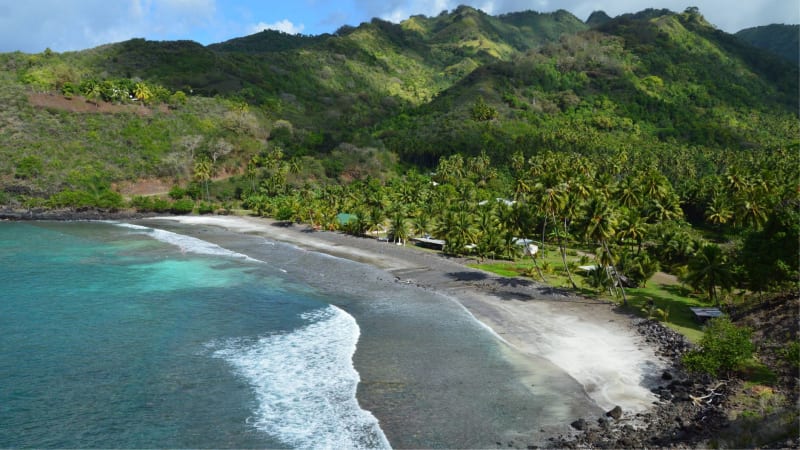 comoros
Mohéli
The smallest and least-visited of the Comoros islands, where humpback whales calve in offshore waters and nobody is waiting to take your photo.
Explore