
Iconi
"I climbed up to the ruins at Iconi at sunset thinking I'd have the place to myself, and instead found half the village up there doing exactly the same thing."
A cliffside village minutes from Moroni where a ruined sultan's fortress stares out over the sea and a rock formation locals still tell tragic stories about.

Iconi is close enough to Moroni that you could technically visit as a half-day errand, but that would be a waste of a genuinely good afternoon. Lia and I took a shared taxi out along the coast road, maybe twenty minutes past the last of the capital’s sprawl, and got dropped at the base of a hill where the village stacks up in tin-roofed terraces toward the old fortress ruins. What’s left of the sultanate stronghold isn’t much — some low stone walls, a few worn foundations reclaimed by grass — but the position is the whole point. Whoever built it up there understood the value of seeing trouble coming from any direction.
We climbed up in the heat of late afternoon, past goats tethered to fence posts and kids who trailed us for a while asking where we were from before losing interest entirely. The path isn’t marked and isn’t maintained, which I actually appreciated, because it meant nobody had built a gift shop at the top. Just wind, grass gone gold-brown, and a view down over Moroni’s white minarets and the Indian Ocean stretching out toward nothing in particular. I sat on a fallen block of the old wall for a good half hour just watching fishing boats work the coastline below.

The village itself carries a heavier story than its quiet streets suggest. Locals told us about the offshore rock formation known as Le Chat, a cat-shaped outcrop tied to a local legend about a young woman who threw herself from the cliffs, and the whole area still gets talked about with a kind of hushed respect rather than tourist packaging. Nobody was selling us postcards of it. An older man selling grilled corn near the mosque explained the story to me in French while Lia tried to keep up, and I remember thinking how different that felt from the polished, laminated placards you get at heritage sites elsewhere.

By the time we made it back down, the light had gone properly gold and half the village seemed to be out on the terraces too, kids playing football on a scrap of flat ground, women calling to each other between doorways, someone’s radio playing something scratchy and joyful. It didn’t feel staged for us at all, which after a few underwhelming “cultural sites” elsewhere in my travels felt like a small gift. Iconi isn’t a grand ruin by any global standard, but it’s an honest one, and the walk up is worth it for the view alone even if you don’t care much about sultans.
When to go: Go in the late afternoon, two or three hours before sunset, to catch the coastal light and avoid climbing the hill in the worst of the midday heat.
Keep exploring
More from Comoros
 comoros
Itsamia
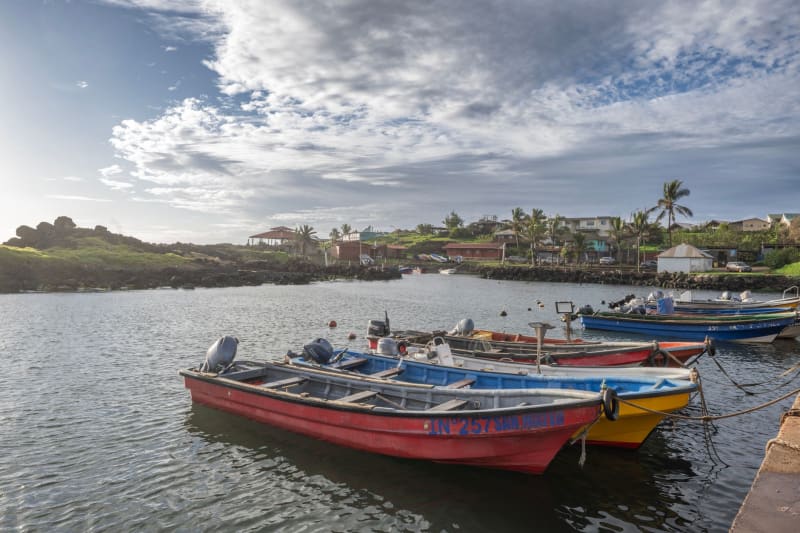
A small village on Mohéli's southeastern coast where green turtles nest in staggering numbers and the community protects what tourism has not yet found.
Explore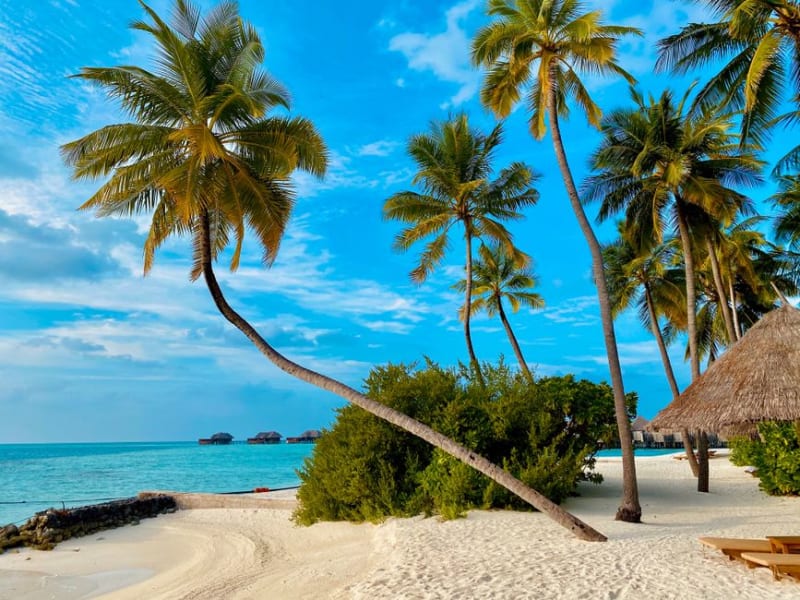 comoros
Koki Beach
A turquoise lagoon beach near Mitsamiouli on Grande Comore's north coast, where a shallow reef keeps the water flat and impossibly clear.
Explore comoros
Lac Salé
A volcanic crater lake near Moroni whose turquoise-green water sits ringed by lava walls, eerie and beautiful in a way that requires no filter.
Explore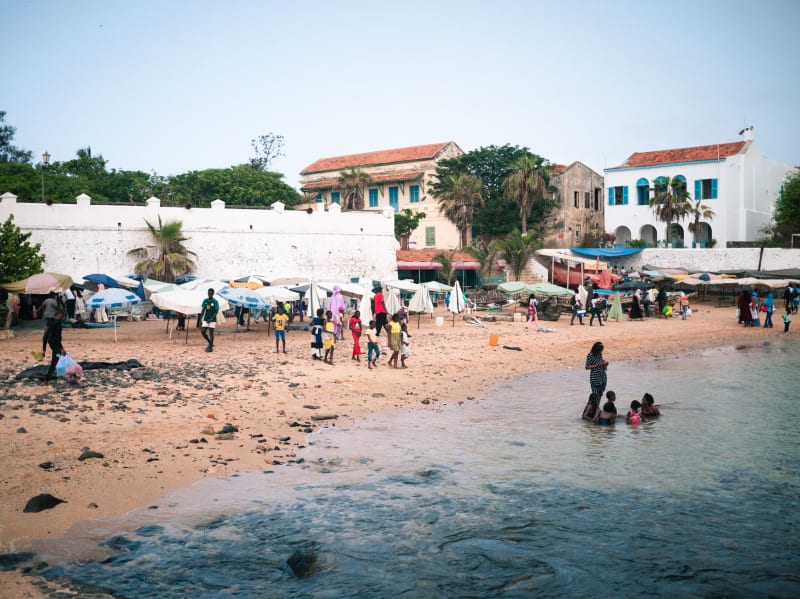 comoros
Mitsamiouli
A small northern town on Grande Comore backed by volcanic highlands, with the best beach on the island and almost no infrastructure built around that fact.
Explore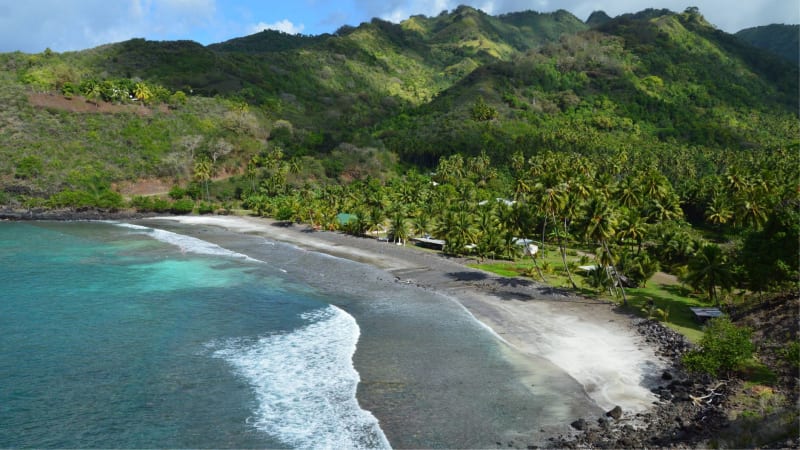 comoros
Mohéli
The smallest and least-visited of the Comoros islands, where humpback whales calve in offshore waters and nobody is waiting to take your photo.
Explore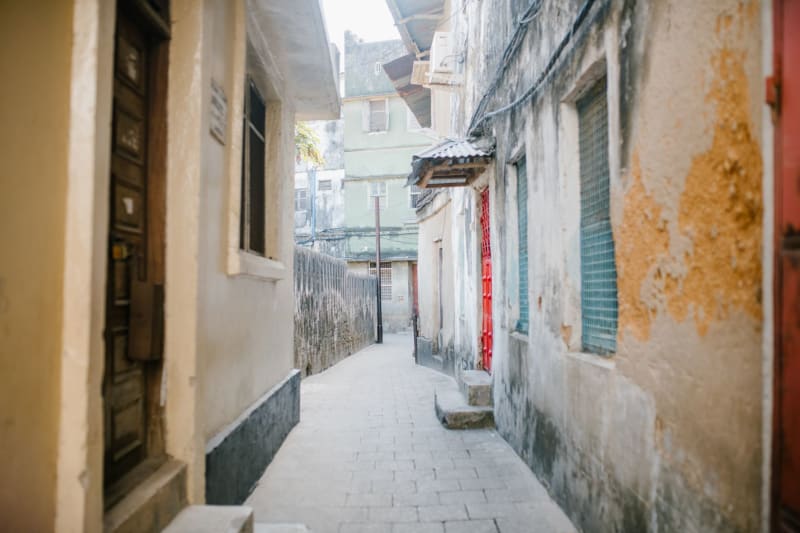 comoros
Moroni
A whitewashed port capital where the call to prayer drifts over coral-stone walls and tuna arrives on the jetty before the sun does.
Explore