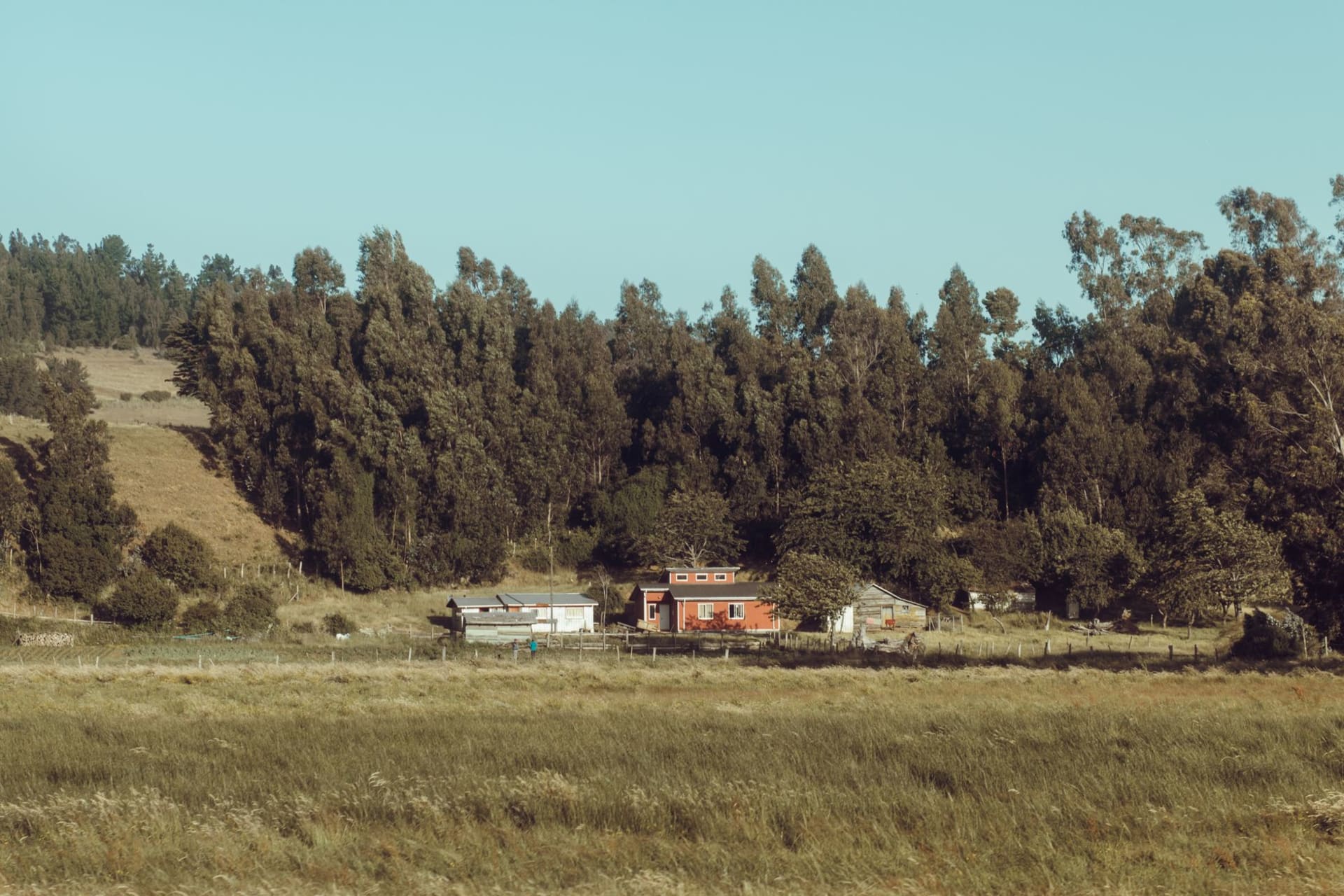
Puerto Varas
"Two volcanoes, a lake the size of a small sea, and a slice of cake on every corner. I could be persuaded to stay."
A German-roofed town on a vast blue lake with two perfect volcanoes in the window, the gateway to Chile's lake district and a great deal of kuchen.

Puerto Varas sits on the southern shore of Lake Llanquihue, which is so large it behaves like a sea — it has weather, it has waves, and on the far side of all that water stands the volcano Osorno, an almost comically perfect snow-capped cone that looks like a child’s drawing of a volcano. On clear days it is reflected whole in the lake. On the many less-clear days you take it on faith. Either way the town has the good sense to point most of its benches and café windows in that direction.
The German Hangover
This whole region was settled by German immigrants in the mid-1800s, and they left their architecture behind: steep shingled roofs built for snow that rarely comes, dark-timbered houses, and an entire culture of cake. The kuchen here is taken seriously — raspberry, rhubarb, murta berry — and so is the once, the afternoon coffee-and-cake ritual that effectively replaces dinner for the sensible. We had once one afternoon and it defeated us; I have rarely been so thoroughly outmatched by a tea tray. There is a wooden Sacred Heart church on the hill, a copy of one in the Black Forest, that is worth the short climb mostly for the lake view behind it.

Out to the Volcano
The real reason to base yourself here is everything within an hour’s drive. We took the road around the lake to the Vicente Pérez Rosales national park, Chile’s oldest, where the Petrohué river forces itself through channels of black volcanic rock in a series of falls — the Saltos del Petrohué — with Osorno standing directly behind them. The water is an unreal glacial turquoise against the black stone. We carried on to Lago Todos los Santos, an emerald lake hemmed in by forest and peaks, and ate empanadas on the dock while the wind tried to take them.
You can drive partway up Osorno itself to a ski centre that, out of season, becomes a viewpoint over the whole lake district — Llanquihue below, the Calbuco volcano smoking faintly to the south, and on the clearest days a string of distant cones marching north.

Settling In
Puerto Varas is more polished and pricier than its working neighbour Puerto Montt down the road, and I think it earns it. There are good restaurants doing southern Chilean things with lake fish and slow-cooked lamb, a decent craft beer scene courtesy of the German inheritance, and lakefront walks that are lovely even when the volcano is sulking behind cloud.
When to go: December through March for the warmest, clearest weather and the best odds of actually seeing the volcanoes. The shoulder months are quieter and cheaper but wetter — this is one of the rainier corners of Chile, and you should plan around grey days rather than be surprised by them.
Keep exploring
More from Chile
 chile
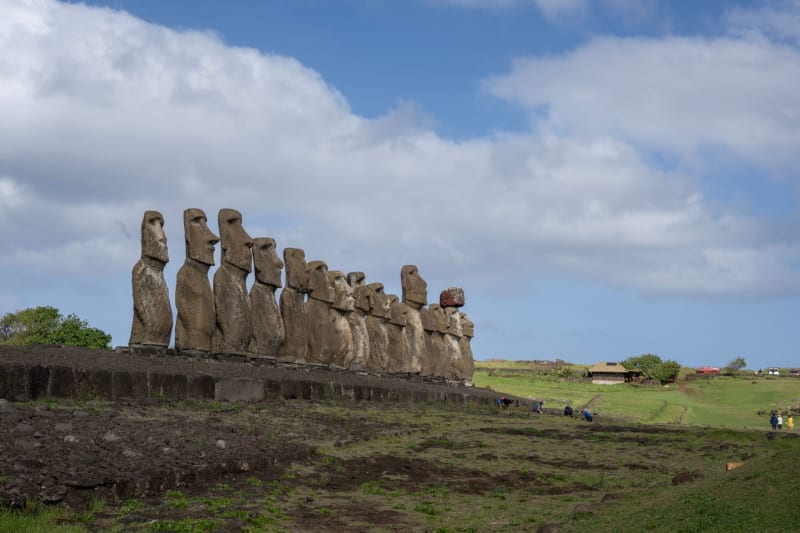
chile Rapa Nui
An island so remote it rewires your sense of distance — where stone giants face inland and the Pacific stretches unbroken to every horizon.
Explore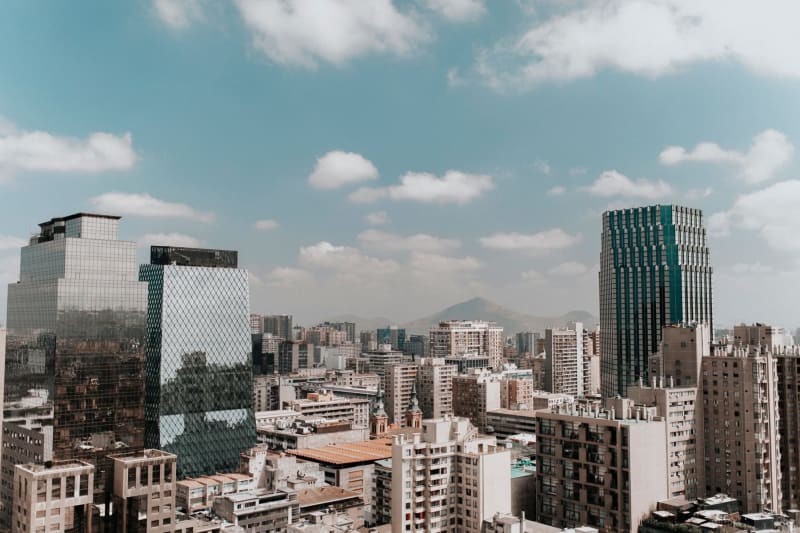 chile
chile Santiago de Chile
A sophisticated Andean capital where street art, excellent wine bars, and the white-capped Andes frame the skyline.
Explore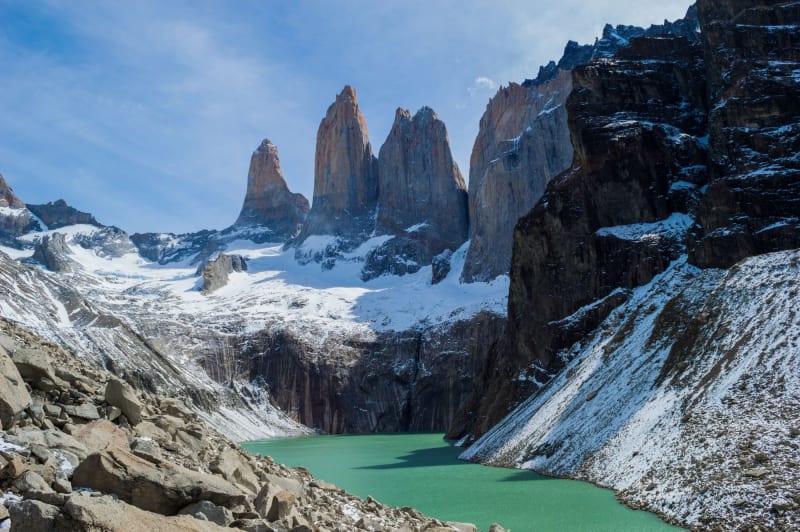 chile
chile Torres del Paine
Three granite towers soar above Patagonian steppe in one of Earth's most dramatic trekking destinations.
Explore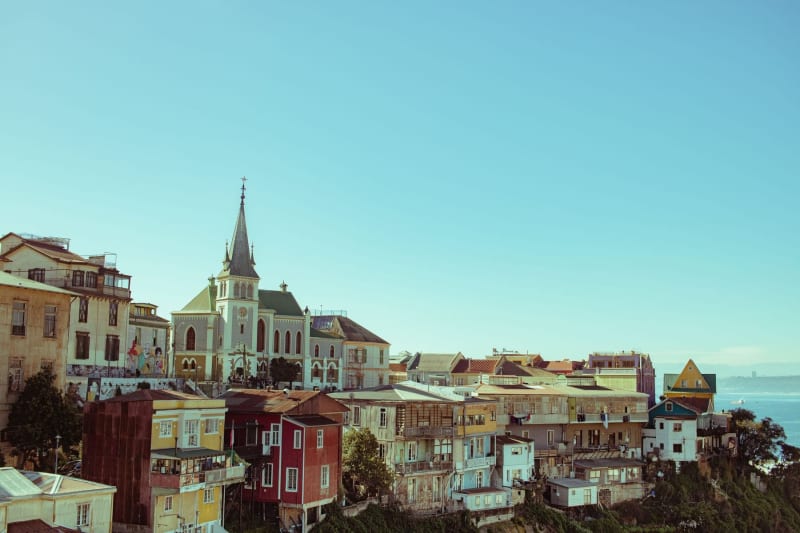 chile
chile Valparaiso
A hillside port city of Victorian funiculars, vivid street murals, and bohemian cafes with Pacific views.
Explore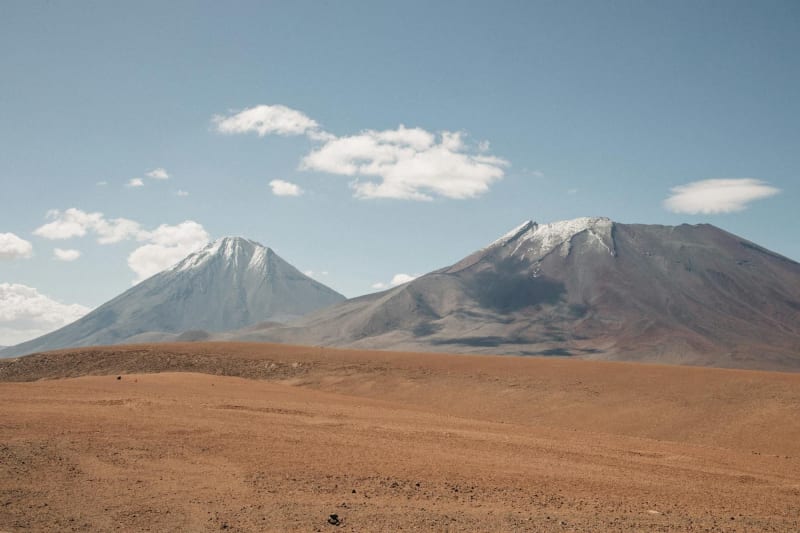 chile
chile Atacama Desert
Earth's driest non-polar desert, where salt flats, flamingos, and the clearest night skies on the planet coexist.
Explore chile
chile Carretera Austral
Chile's great southern road winds through fjords, hanging glaciers, and virgin temperate rainforest for 1,240 km.
Explore