
An island so remote it rewires your sense of distance — where stone giants face inland and the Pacific stretches unbroken to every horizon.

The flight from Santiago takes three hours and forty minutes, and for most of that you see nothing — no islands, no ships, no coastline. Just the South Pacific, enormous and indifferent. When Rapa Nui finally appears below the window it looks implausibly small: a green triangle dropped into the middle of nowhere, 3,700 kilometres from the nearest landmass. I pressed my face against the glass like a child.
The Quarry at Rano Raraku
Most people come for the moai, and the moai are genuinely worth crossing an ocean for — but the place that stopped me cold wasn’t Ahu Tongariki with its famous row of fifteen figures. It was Rano Raraku, the volcanic crater where the statues were carved. Dozens of them are still there, half-finished or buried to their chins in the hillside, as though the island simply ran out of time mid-thought. The grass around them is short and bright green, the crater lake behind them pewter-coloured in the afternoon light. You walk among the figures and realize you have no framework for what you’re looking at. Nothing in your travel history prepares you for this specific thing.
The smell up on the slope is volcanic earth and damp grass and something faintly sulphurous from the lake. The wind off the Pacific is constant and salt-heavy. I stayed longer than I planned.
Ahu Tongariki at Dawn
Waking at 4 a.m. felt cruel until I got there. The fifteen moai at Tongariki face inland, their backs to the ocean, and at sunrise the light hits them from behind — silhouettes first, then slow detail emerging from the dark. By six the sky had gone from charcoal to orange to a pale sharp blue, and the statues were fully lit, their expressions as unreadable as they’d been in the dark. A handful of other visitors stood quietly nearby. Nobody was taking selfies yet. It was one of the better hours I’ve spent standing in a field.
Anakena and the Edge of Things
The island’s only proper beach is Anakena, a curve of white coral sand fringed with palm trees that looks too tropical to be real after the stark interior. Lia swam while I sat under a palm and ate a tuna empanada from the small kiosk nearby. The water was warmer than I expected. Behind the beach, another ahu holds seven moai, one of them with white coral eyes restored — the effect is unsettling in a way the eyeless ones aren’t.
There’s a particular sensation on Rapa Nui that builds over the course of a few days: the island’s smallness against the ocean’s vastness. You can drive its perimeter in under two hours. You can see nearly every horizon from nearly every point. The Rapa Nui people have lived with that scale for over a thousand years. The moai, with their backs to the sea, make more sense when you sit with that for a while.
When to go: October and November hit the sweet spot — warm enough for swimming (around 22°C), dry enough for hiking the volcanic craters, and quiet enough that Ahu Tongariki at dawn doesn’t feel crowded. December through March is peak season: pleasant weather but significantly more tourists and higher accommodation prices. Avoid July and August if you mind cold wind and grey skies, though the island is dramatic in that light too.
Keep exploring
More from Chile
 chile
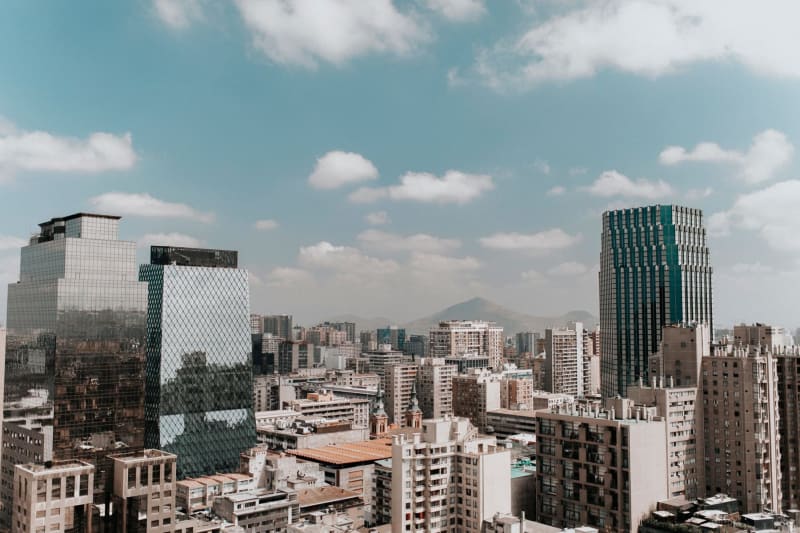
Santiago de Chile
A sophisticated Andean capital where street art, excellent wine bars, and the white-capped Andes frame the skyline.
Explore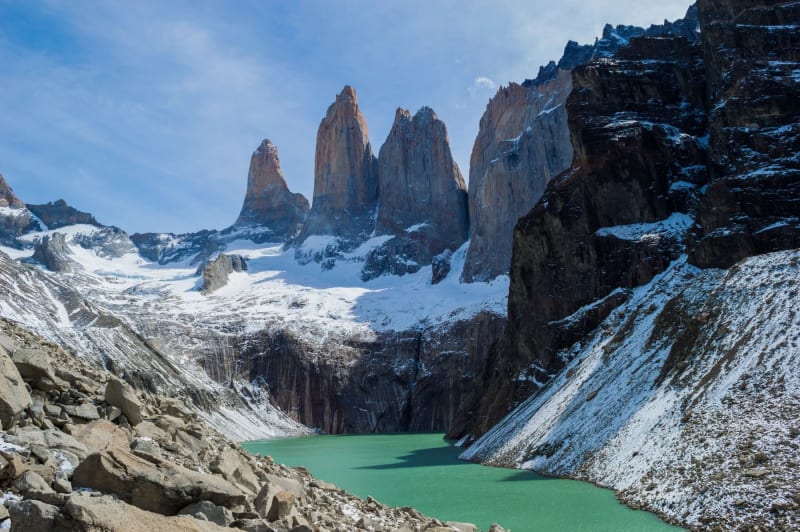 chile
Torres del Paine
Three granite towers soar above Patagonian steppe in one of Earth's most dramatic trekking destinations.
Explore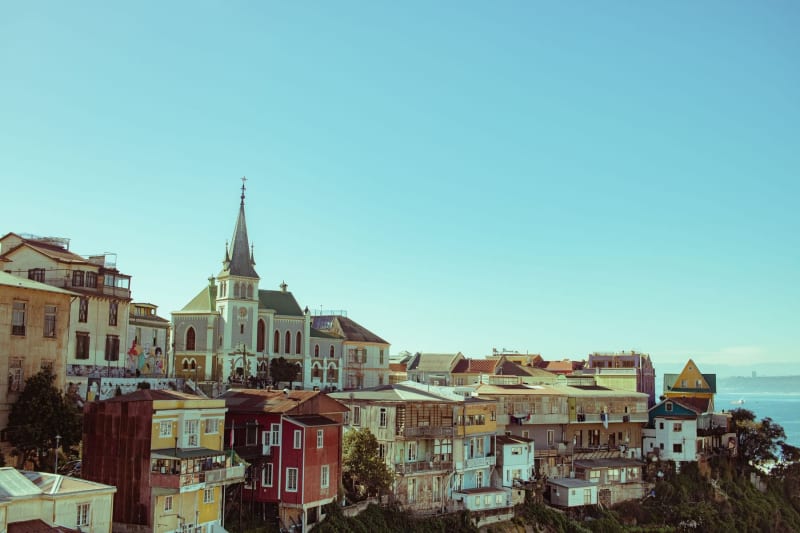 chile
Valparaiso
A hillside port city of Victorian funiculars, vivid street murals, and bohemian cafes with Pacific views.
Explore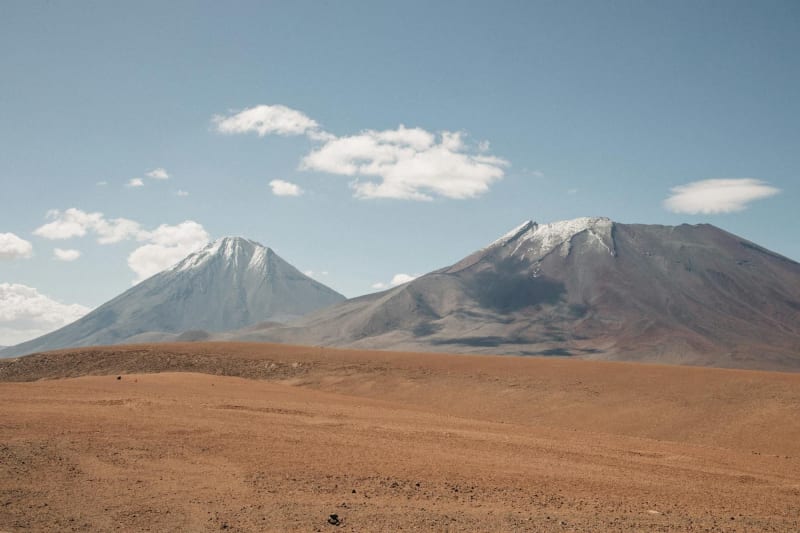 chile
Atacama Desert
Earth's driest non-polar desert, where salt flats, flamingos, and the clearest night skies on the planet coexist.
Explore chile
Carretera Austral
Chile's great southern road winds through fjords, hanging glaciers, and virgin temperate rainforest for 1,240 km.
Explore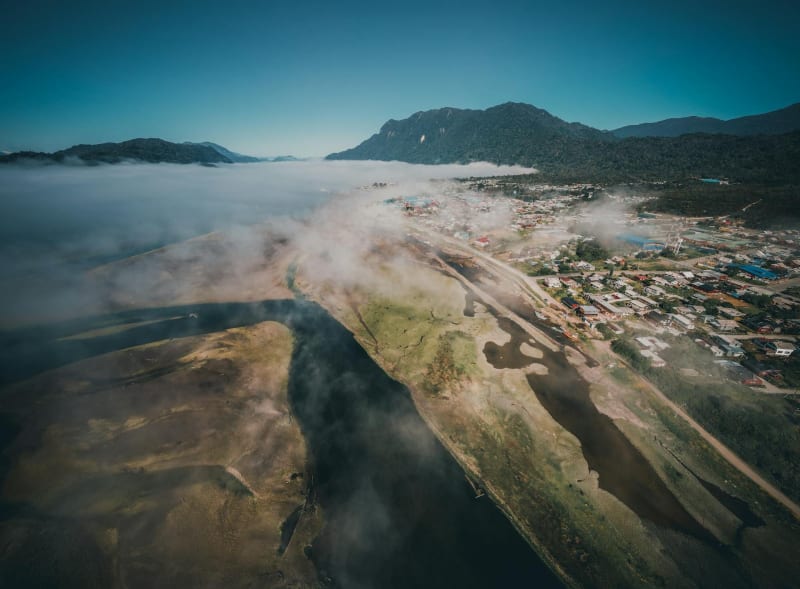 chile
Chiloe Island
Stilt houses, wooden UNESCO churches, and a mythology of sea monsters and witches on Chile's misty southern island.
Explore