Starfish Point
"We didn't need a boat, a guide, or a wetsuit — just bare feet and the patience to look down."
A shallow, calm bay on Grand Cayman's North Side where red cushion sea stars rest just offshore, no boat required.
Lia found out about Starfish Point almost by accident, scrolling through a map of Grand Cayman’s North Side looking for something quieter than the cruise-ship crowds around George Town. No tour to book, no captain to tip, just a patch of sand near Rum Point where you wade out and the water stays ankle-to-knee deep for what feels like forever. We drove up one morning with coffee still in the cup holders, half expecting to find nothing, and half expecting a parking lot of tour buses. It was neither. A handful of cars, a stretch of soft white sand, and the North Sound lying flat and pale blue in front of us.
The starfish themselves surprised me more than I expected. I’d pictured the spiny, orange kind from postcards, but these were the red cushion sea stars — thick, almost plush-looking, the color of terracotta, scattered across the sandy bottom like someone had tossed a handful of them from shore. Lia spotted the first one before I did and just stood there pointing, not wanting to move her feet and disturb the sand. We waded out slowly, the water barely reaching our shins, and within a few minutes we’d counted a dozen without trying hard.
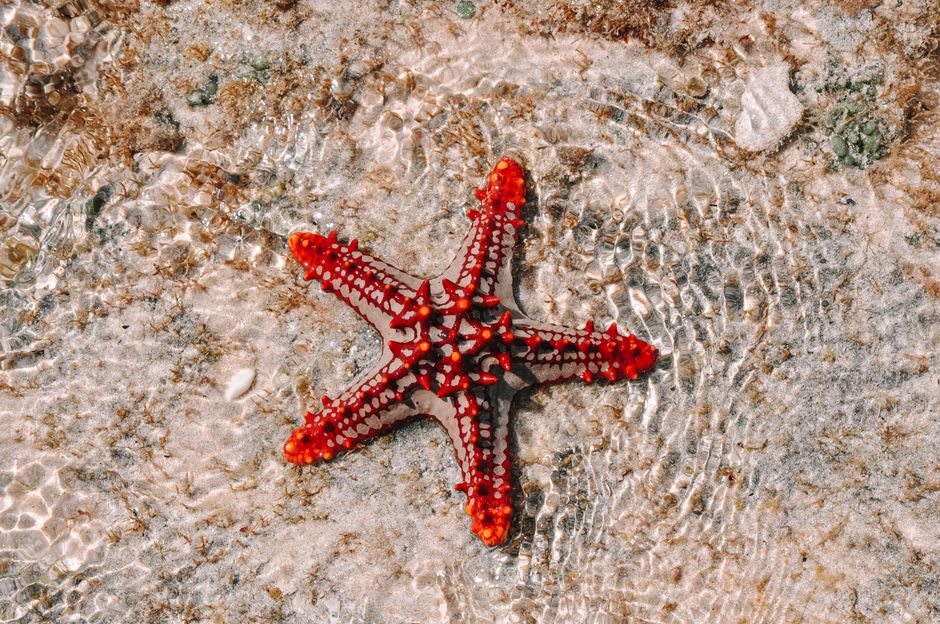
What struck me was how protected the whole bay felt. Starfish Point sits inside the North Sound, the big lagoon that shelters coral patches and mangrove stands further along the shoreline, so the water barely moves — nothing like the chop we’d gotten used to on the west side of the island. A local guy wading nearby, there with his kids, told us not to lift the starfish out of the water for photos, even for a second. He said too many visitors don’t realize how quickly they can die out of the water, and conservationists have been asking people for years to just let them be. We took our photos from the surface instead, cameras half-submerged, and it honestly made the whole thing feel more like watching wildlife and less like a photo op.
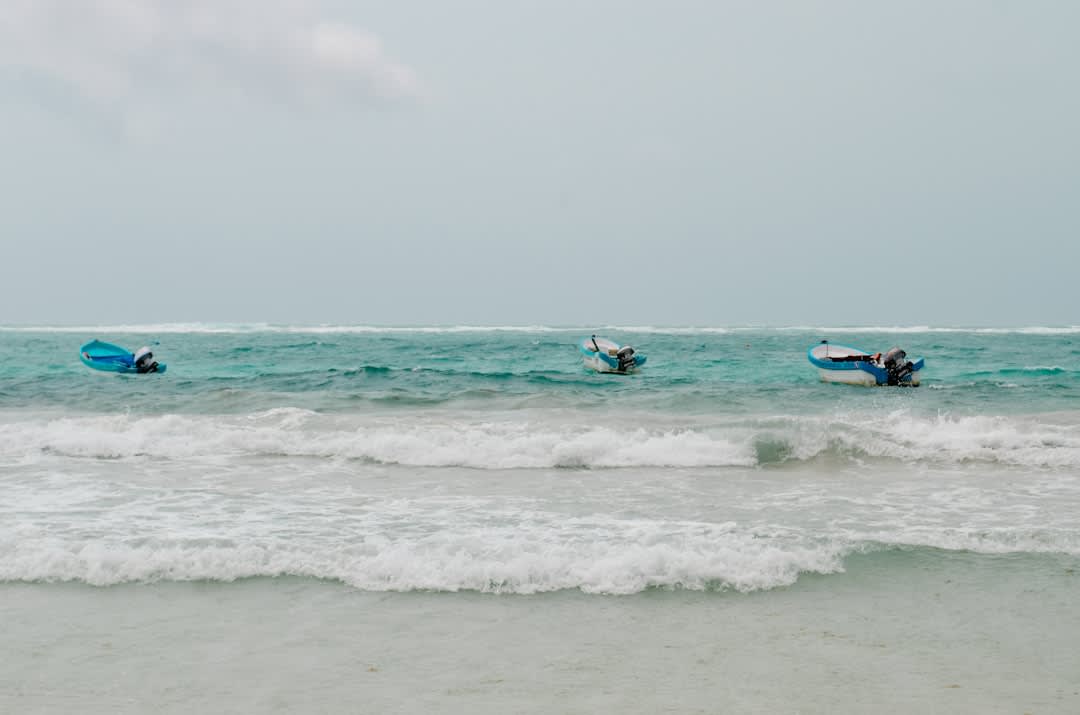
We stayed almost two hours in the end, longer than either of us planned, just drifting along the bay and watching the light change over the North Sound. It’s a small place — you could see the whole beach in one glance — but it’s the kind of small place that rewards slowing down. When to go: the bay welcomes visitors any time of year, but we’d go back at low tide in the morning, when the water is at its calmest and clearest and the starfish are easiest to spot.
Keep exploring
More from Cayman Islands
 cayman-islands
 Stingray City
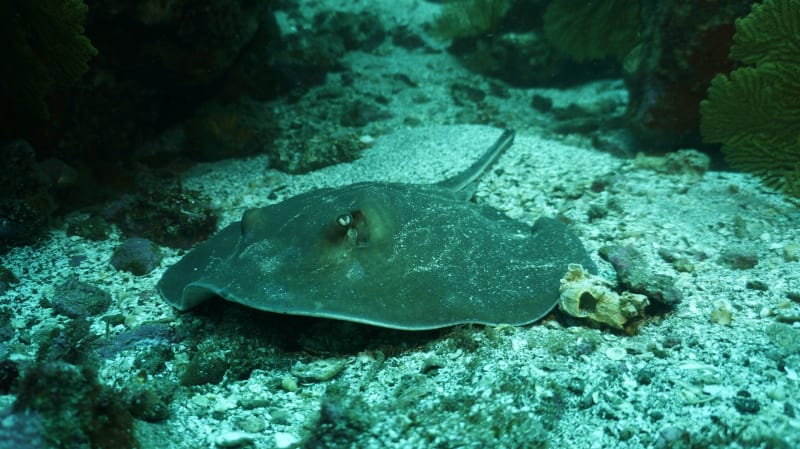
A twelve-foot-deep sandbar where wild southern stingrays glide between your legs like they have done since the fishermen first came.
Explore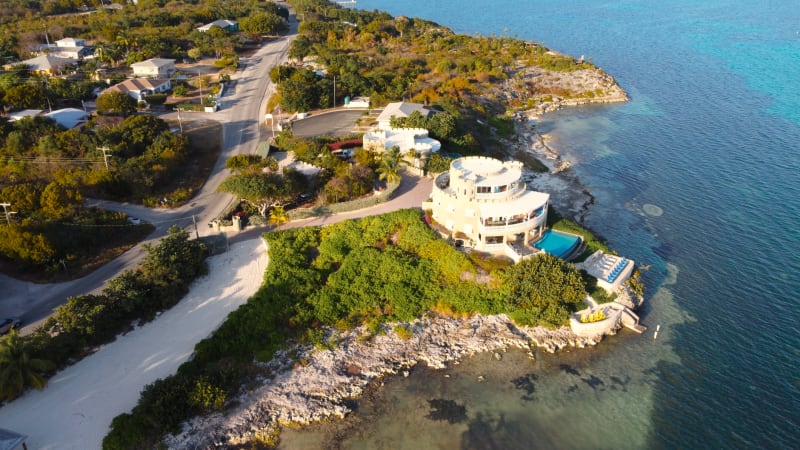 cayman-islands
 Bodden Town
Grand Cayman's old capital: ironshore graves, pirate cave legends, and a pace of life that the resort strip has never reached.
Explore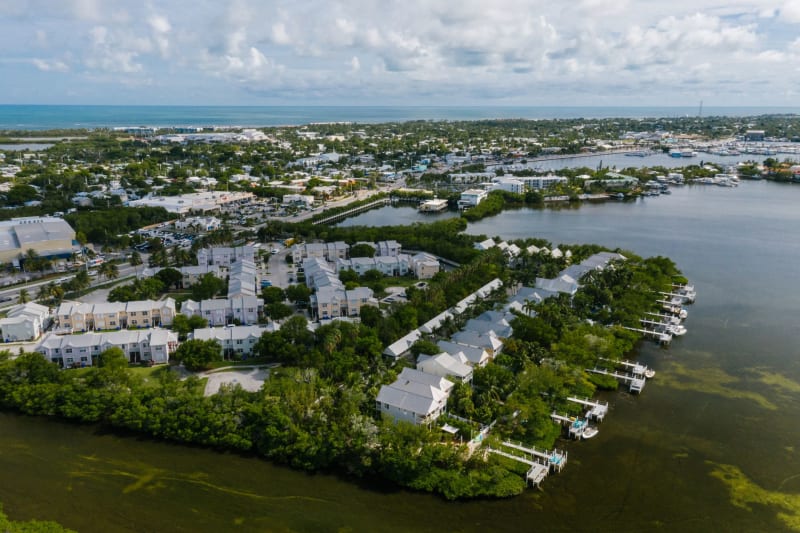 cayman-islands
 Camana Bay
A planned waterfront town that somehow became the most genuinely local gathering place on Grand Cayman, especially on Thursday nights.
Explore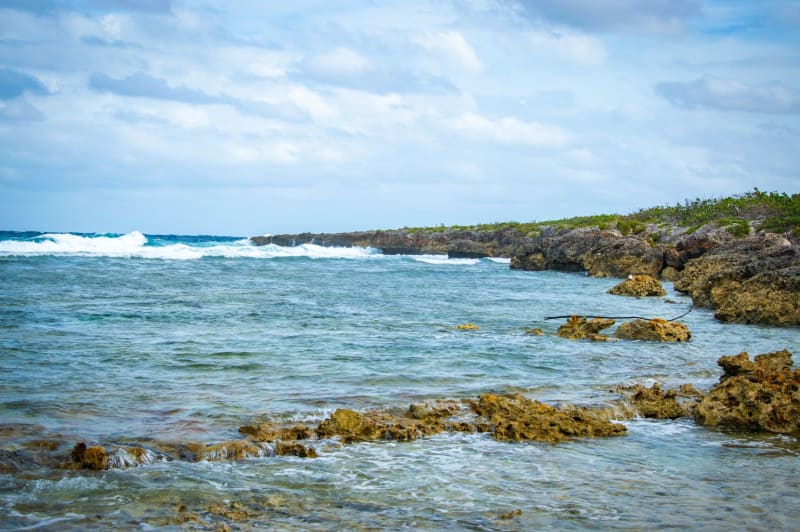 cayman-islands
 Cayman Brac
The middle sister island, defined by a dramatic limestone bluff that rises forty meters above the sea and caves that cut through its heart.
Explore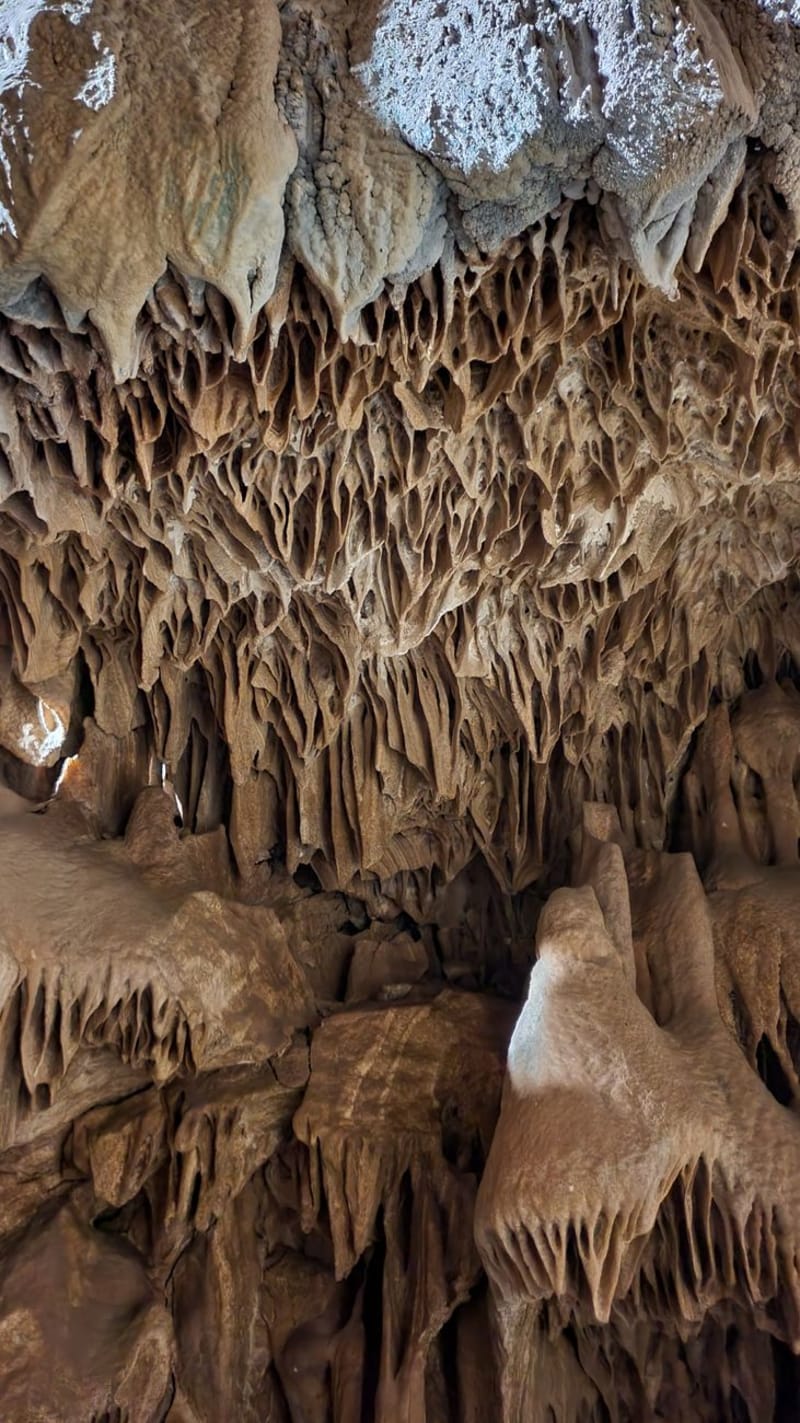 cayman-islands
 Cayman Crystal Caves
A trio of limestone caverns hidden in the dripping forest of Grand Cayman's North Side, where stalactites hang over a mirror-still underground lake.
Explore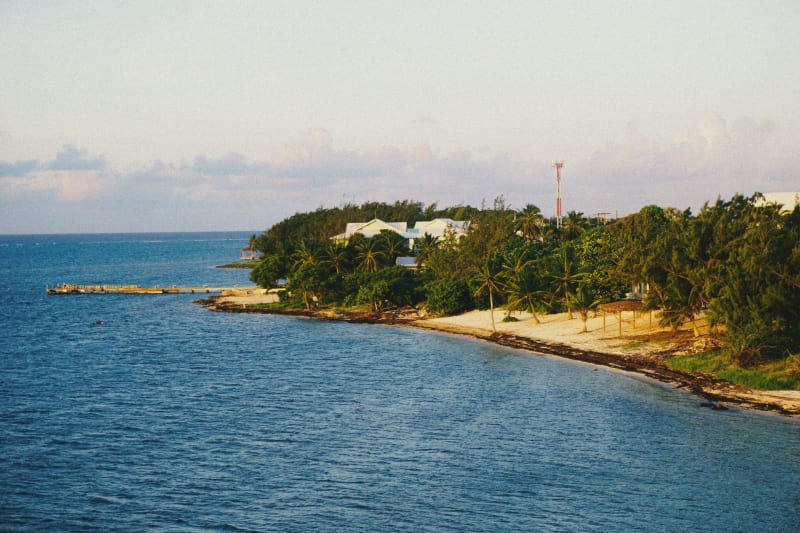 cayman-islands
 East End
The undeveloped far coast where the Atlantic swells hit ironshore rock and Caymanian families still fish the way they always have.
Explore