
Stingray City
"Nothing prepares you for the moment a wild animal the size of a dinner table decides to use your feet as a pillow."
A twelve-foot-deep sandbar where wild southern stingrays glide between your legs like they have done since the fishermen first came.

The boat anchored and I went over the side before anyone else. The water was twelve feet deep and so clear that from the surface I could see the sand bottom perfectly, each ripple of it catching light in slow motion. Then I saw the first stingray: a southern stingray perhaps three feet across, moving in that boneless, rippling way they have, like a piece of fabric being shaken slowly in a breeze. By the time I had my mask on and looked properly, there were a dozen of them.
Stingray City is easy to dismiss from a description. A sandbar in the North Sound, accessible by a fifteen-minute boat ride from a dock near Seven Mile Beach, where wild stingrays have congregated for decades because fishermen once cleaned their catch here and the stingrays learned to associate the sound of boat engines with free food. The animals are wild, unfenced, unrestrained — they could swim away at any moment and frequently do — but they have developed an extraordinary tolerance for human presence and a very functional understanding of who is holding squid. This sounds, I know, like a tourist trap with biological ambitions.
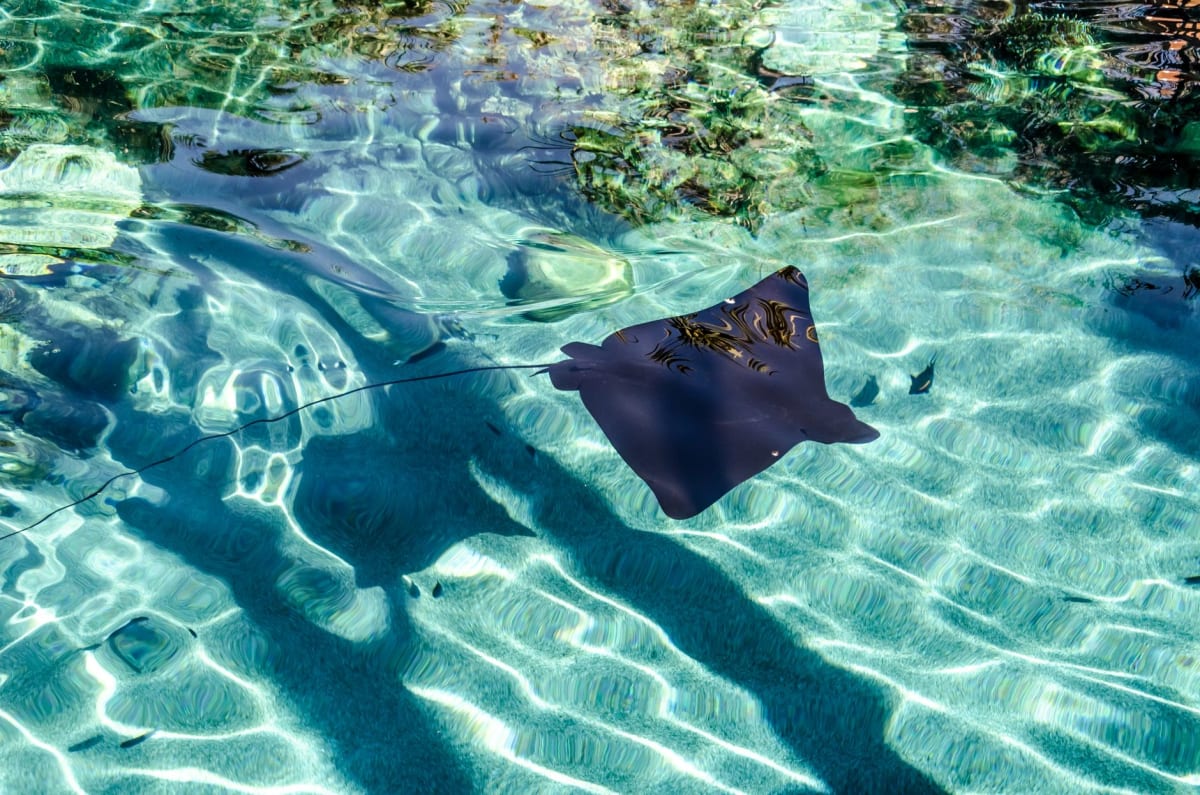
But standing on that sandbar, thigh-deep in water the color of a swimming pool but warm, with three stingrays circling me and one of them pressing its soft underside against my shin — the experience is genuinely strange in a way I was not prepared for. The skin feels like wet suede. The animal’s underside has a face, of a kind: two nostrils, a wide slot of a mouth, the vague impression of expression. The guide told me to hold the squid flat against my palm so the stingray would take it mouth-first and not accidentally rake me with its barb. I held out my palm. The stingray found it without hesitation, took the squid with a sensation like a strong vacuum, and then nuzzled my wrist in what I choose to believe was gratitude though is probably just scent-checking for more food.
The experience is crowded. I will not pretend otherwise. Multiple tour boats anchor at the same sandbar and the water fills up with snorkelers and paddleboarders and people holding cameras on sticks. The stingrays navigate through the crowd with practiced ease, having clearly decided that humans are a harmless if occasionally loud food source. What I did was arrive on the first boat of the morning — the six-thirty departure — when the sandbar belongs to fewer people and the light is still coming in at an angle that makes the water glow.

The backstory matters. These are not trained animals. They are not fed daily by a staff that maintains their conditioning. They are wild creatures that have learned, over two or three generations, that this particular sandbar is a reliable source of food. They arrive on their own schedule, leave when they want, and will occasionally glide past you without any interest in interaction. When one of them slides over your feet without warning, cold and impossibly smooth, it still startles — and it has been doing this to people for forty years.
When to go: The tours run year-round and the water temperature rarely falls below 26°C even in winter. The best experience is early morning, any time between November and May when the sea is calmer and the visibility at its clearest. The sandbar sits in a protected bay, so even in rougher weather the surface is usually manageable.
Keep exploring
More from Cayman Islands
 cayman-islands
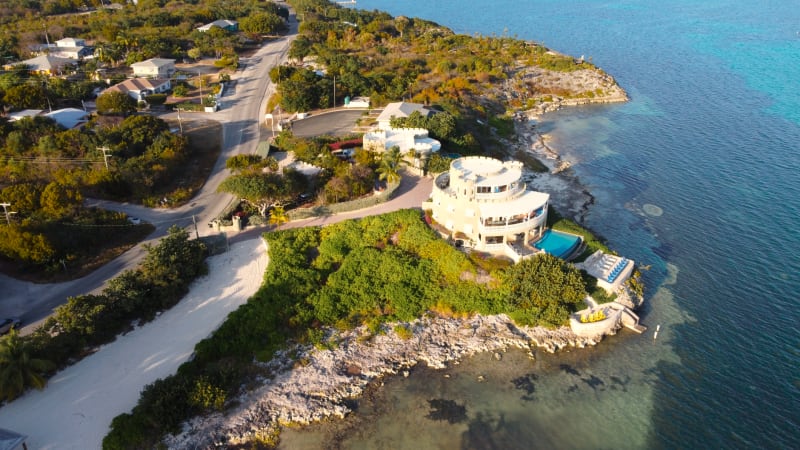
Bodden Town
Grand Cayman's old capital: ironshore graves, pirate cave legends, and a pace of life that the resort strip has never reached.
Explore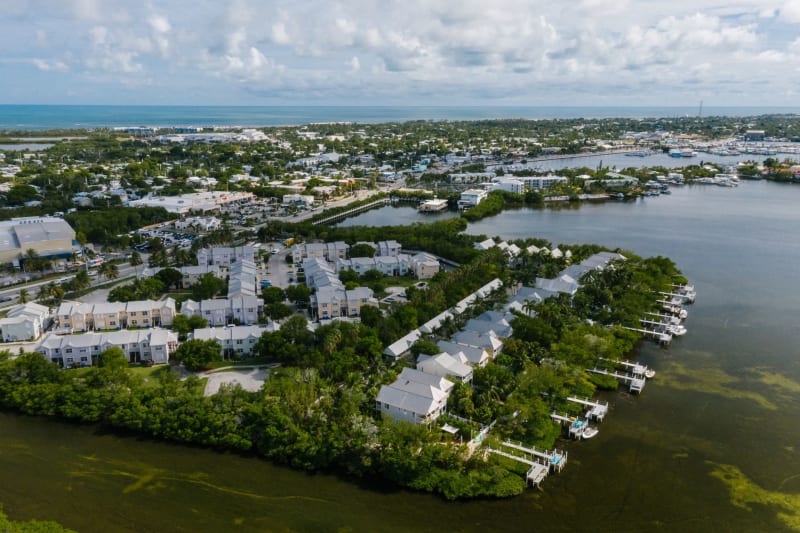 cayman-islands
Camana Bay
A planned waterfront town that somehow became the most genuinely local gathering place on Grand Cayman, especially on Thursday nights.
Explore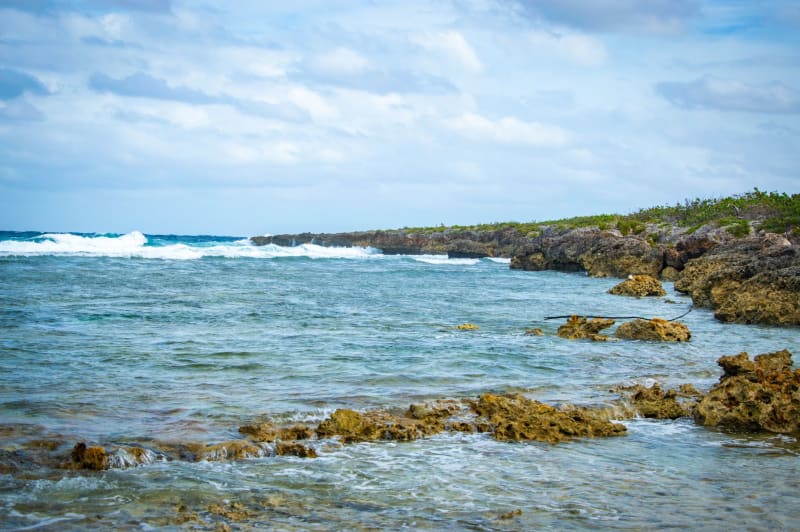 cayman-islands
Cayman Brac
The middle sister island, defined by a dramatic limestone bluff that rises forty meters above the sea and caves that cut through its heart.
Explore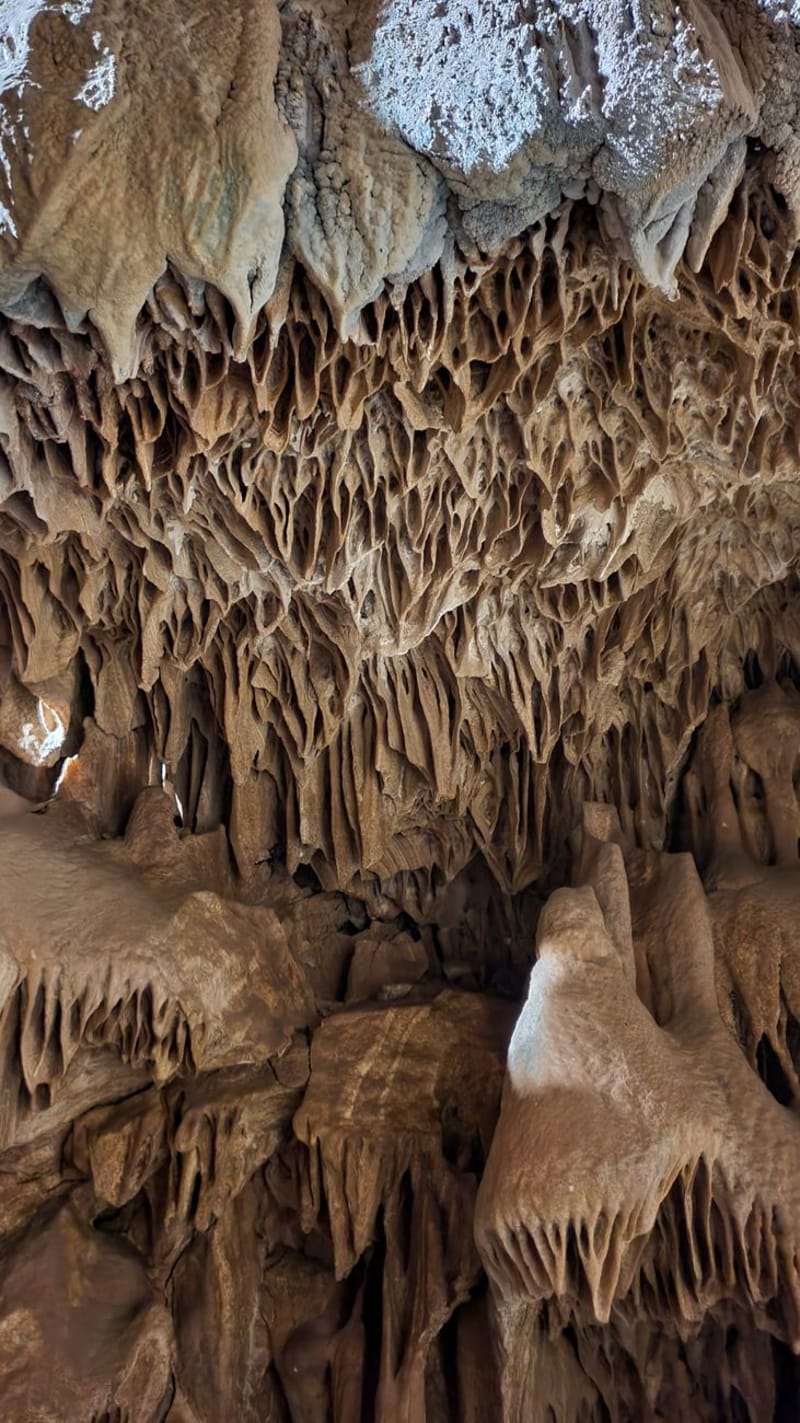 cayman-islands
Cayman Crystal Caves
A trio of limestone caverns hidden in the dripping forest of Grand Cayman's North Side, where stalactites hang over a mirror-still underground lake.
Explore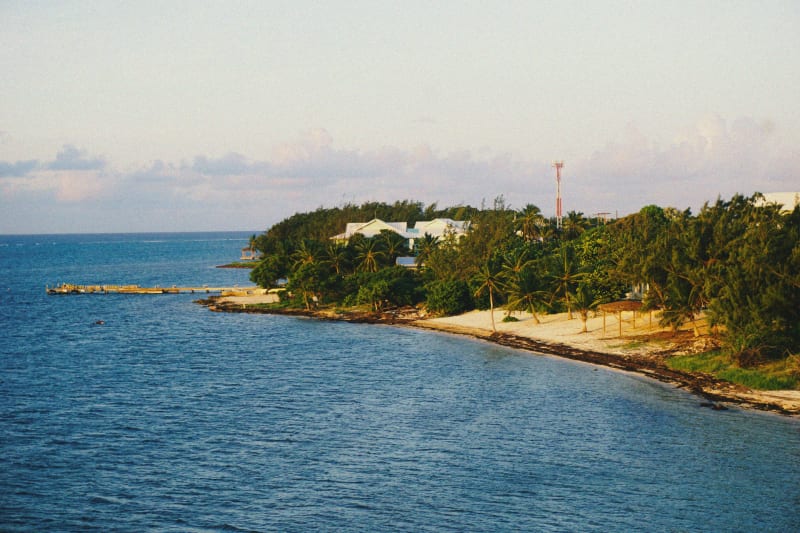 cayman-islands
East End
The undeveloped far coast where the Atlantic swells hit ironshore rock and Caymanian families still fish the way they always have.
Explore cayman-islands
George Town
A Caribbean capital that runs on offshore money by day and dive boats by dawn — stranger and more compelling than it looks from the cruise pier.
Explore