
The middle sister island, defined by a dramatic limestone bluff that rises forty meters above the sea and caves that cut through its heart.

Cayman Brac surprised me because it has a third dimension that the other Cayman islands mostly lack. Grand Cayman is flat — flat enough that the highest point is a modest hill east of George Town that nobody bothers to name consistently. Little Cayman is flat in an even more absolute way, a low green raft on deep water. Cayman Brac has the Bluff: a limestone escarpment that runs the length of the island’s eastern half and rises forty meters above the sea at its eastern tip, which may not sound dramatic until you arrive from the flatlands and understand what forty meters of vertical limestone means when the reference point is everywhere else being at sea level.
I walked the Bluff trail on my first afternoon. The path begins near the lighthouse at the island’s eastern end and follows the cliff edge through dry scrub and cactus and the occasional lignum vitae tree, which blooms blue in spring and which the Caymanian people have traditionally used for everything from boat parts to medicine. The views from the edge are of open ocean in three directions, and on the afternoon I walked, the sea was showing every shade from pale turquoise over the near shelf to a deep blue-black in the offshore water that looked almost artificial, the way colors look in photographs that have been adjusted slightly too far.

The caves are the island’s other defining feature. Peter’s Cave and Great Cave, both accessible on foot, are natural formations cut through the limestone by the ancient sea and now offering a very particular kind of interior: cool, faintly damp, smelling of the guano of the bats that live in the upper chambers, and lit at their entrances by the light bouncing in from outside. Local history says these caves sheltered Brackers during hurricanes, including the catastrophic 1932 storm that killed nearly everyone caught outside. The memory of that storm, which is not ancient history — people alive today have parents who survived it — gives the caves a weight that goes beyond geological interest.
The diving here is strong but different from either of its sister islands. The MV Captain Keith Tibbetts, a decommissioned Soviet Frigate sunk in 1996, sits in about twenty meters on the northwest side of the island and is one of the more unusual wrecks in the Caribbean — unusual because its provenance is so specific: a Russian naval vessel from the Cold War, sitting on a British Overseas Territory reef, visible from top to bottom in water clear enough to read the hull markings. I dove it twice and on the second dive spent most of my time in the engine room, watching a large green moray work slowly through the machinery.

The community of Stake Bay, on the north shore, is Cayman Brac’s main settlement: a road, some houses, a couple of small restaurants, the government building. It is not a destination in itself but it is where you understand what kind of place this is — small enough that you see the same faces twice in one day, quiet enough that a conversation started at the fuel pump continues naturally when you meet the same person at dinner.
When to go: December through April is the dry season and the best time for both hiking and diving. The Bluff trail is more pleasant in the cooler months when the humidity drops. Hurricane season brings real risk here — the Bluff’s caves were designed to shelter, and the island takes storms seriously in a way that reflects direct collective memory.
Keep exploring
More from Cayman Islands
 cayman-islands
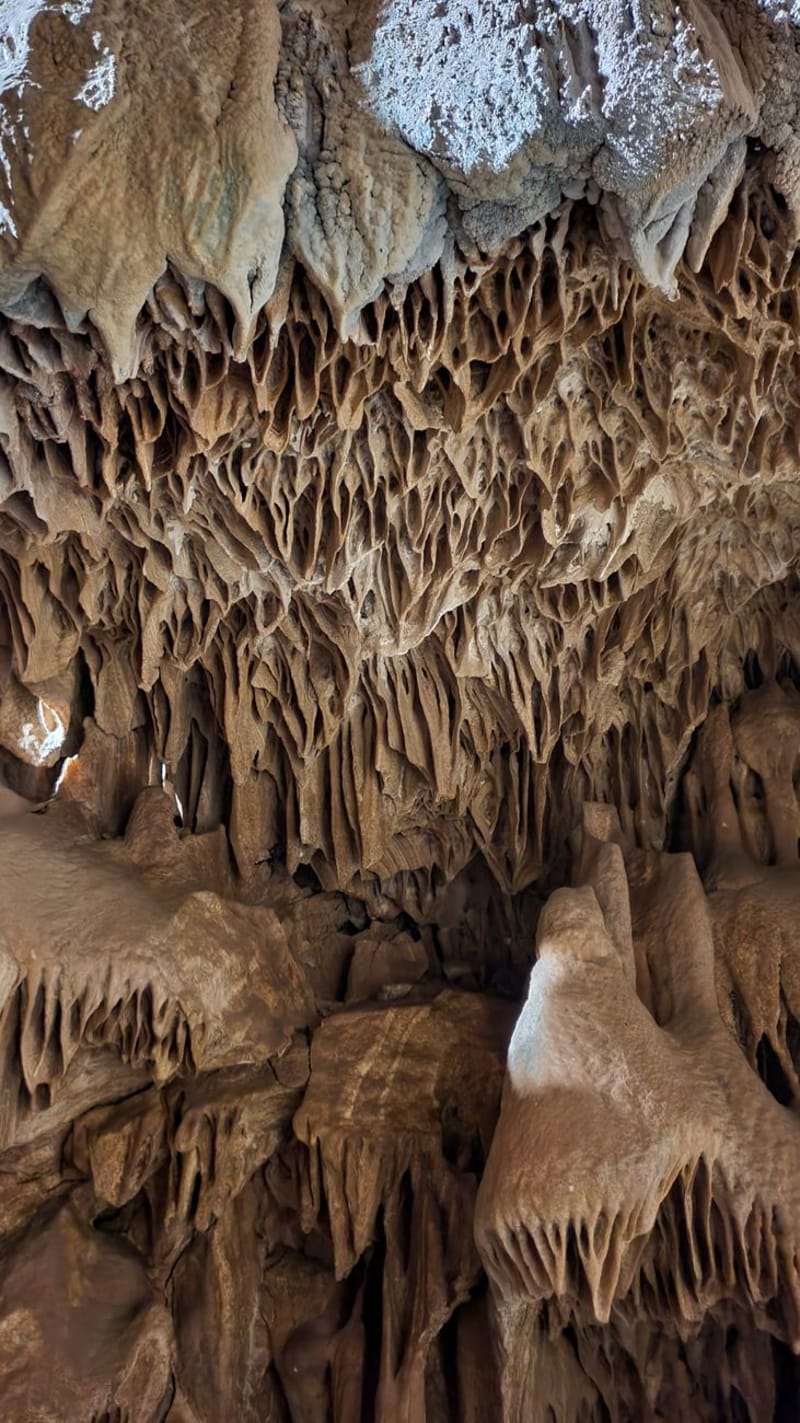
Cayman Crystal Caves
A trio of limestone caverns hidden in the dripping forest of Grand Cayman's North Side, where stalactites hang over a mirror-still underground lake.
Explore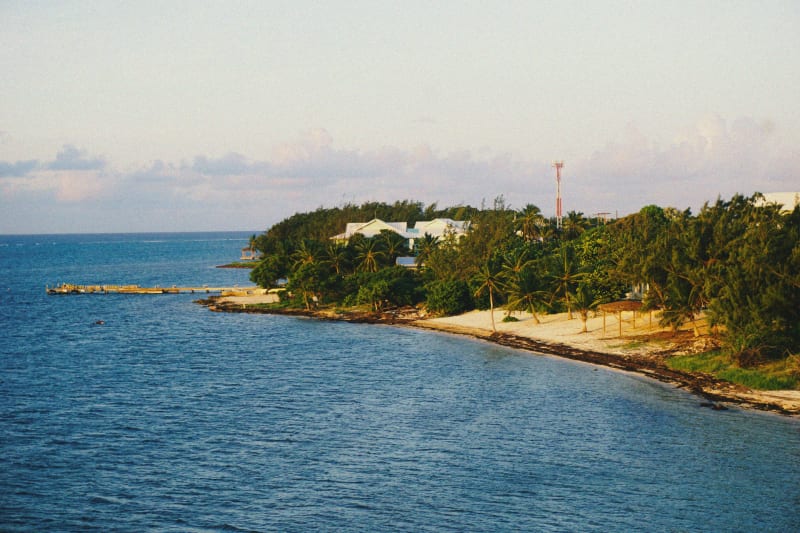 cayman-islands
East End
The undeveloped far coast where the Atlantic swells hit ironshore rock and Caymanian families still fish the way they always have.
Explore cayman-islands
George Town
A Caribbean capital that runs on offshore money by day and dive boats by dawn — stranger and more compelling than it looks from the cruise pier.
Explore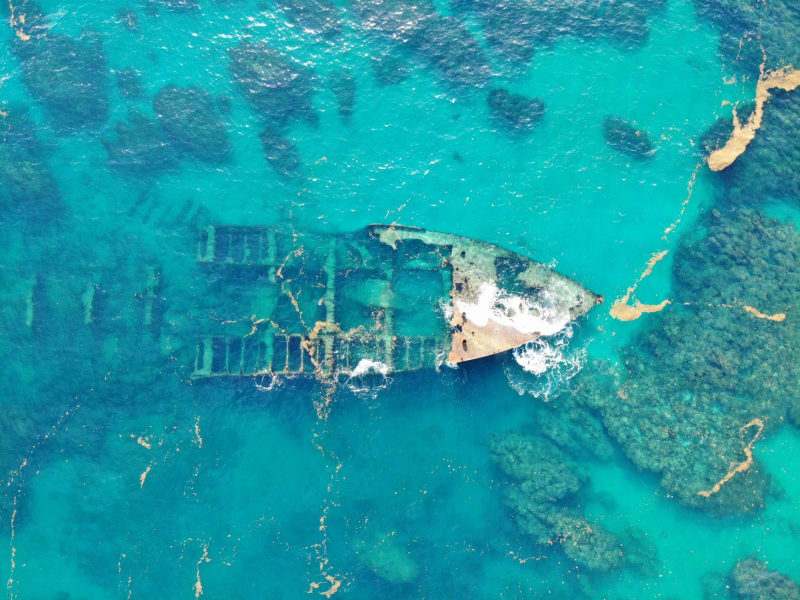 cayman-islands
USS Kittiwake Wreck
A decommissioned US Navy rescue vessel sunk in 2011, now an artificial reef sitting at twenty meters with enough interior to get properly lost in.
Explore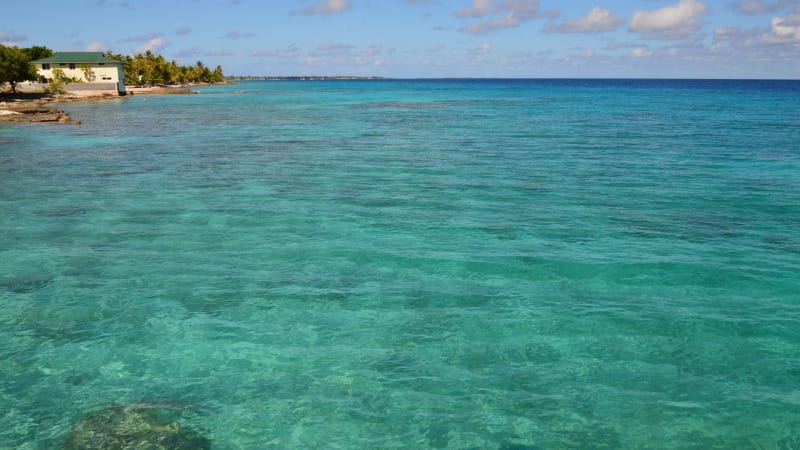 cayman-islands
Little Cayman
The smallest sister island, where iguanas outnumber people and the Bloody Bay Wall is widely considered one of the great vertical dives on earth.
Explore cayman-islands
Pedro St. James Castle
A restored 1780 great house on a Grand Cayman bluff, where democracy was born and the sea still argues with the cliffs.
Explore