Val d'Aran
"I asked the woman running our guesthouse if she considered herself Catalan, and she laughed and said 'Aranesa, primer' before I'd even finished the question."
A Pyrenean valley that speaks Aranese, drains toward the Atlantic instead of the Mediterranean, and skis like nowhere else in Catalonia.

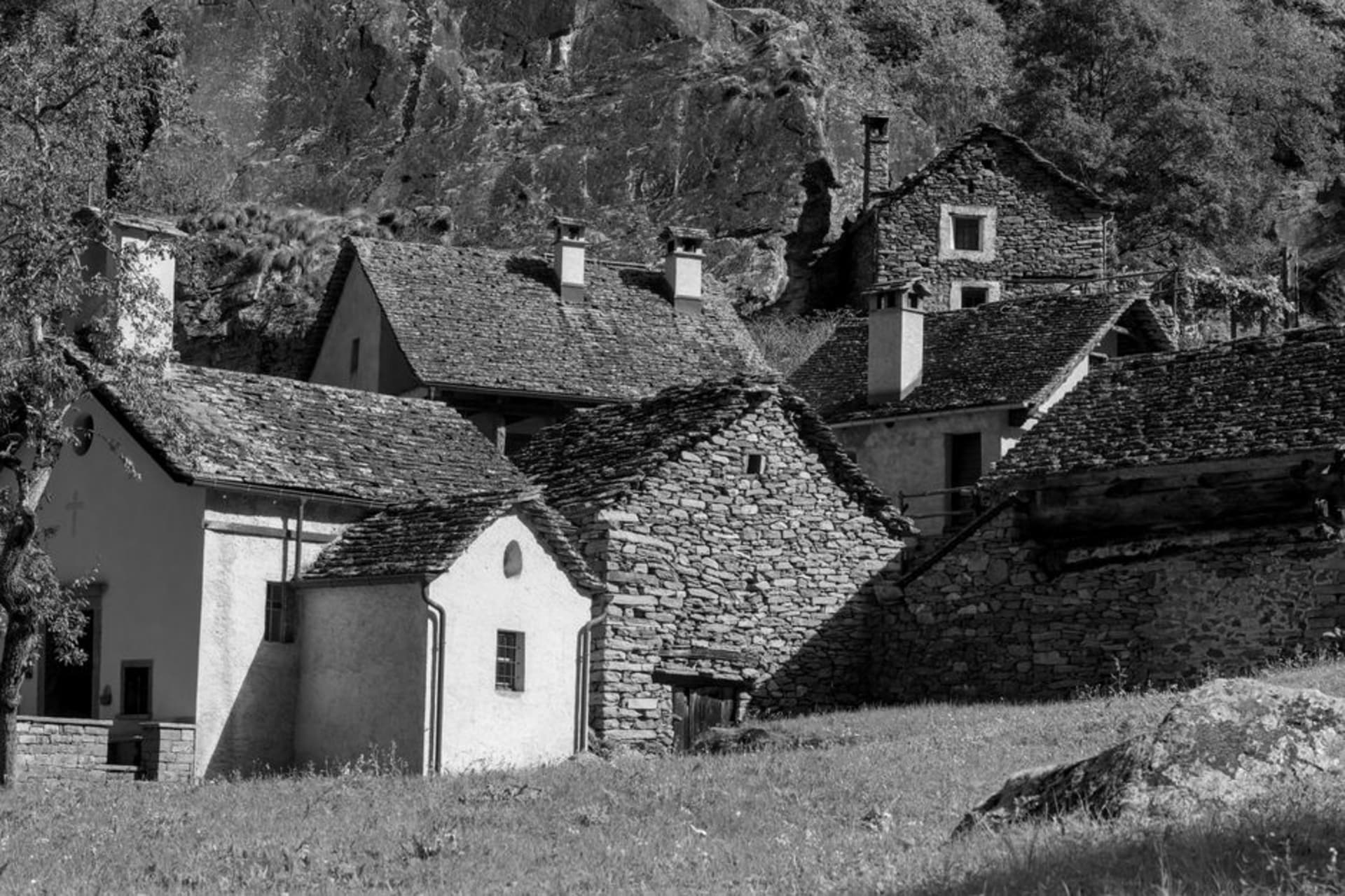
Val d’Aran messes with your sense of where you are, and it took me a full day to figure out why. Geographically it’s still Catalonia, tucked up in the northwest corner against the French border, but the valley opens north, not south — its river, the Garonne, flows out toward Bordeaux and the Atlantic instead of down to the Mediterranean like every other Catalan river. That single fact rearranges everything else about the place: the architecture is slate-roofed and steep-pitched like French Pyrenean villages, the local language is Aranese, a variety of Occitan that’s co-official here alongside Catalan and Spanish, and even the food leans toward duck and mountain stews rather than the seafood-and-rice logic of the coast.
We came in winter for the skiing, which is really the reason most people make the drive up. Baqueira-Beret is the big resort — it’s where the Spanish royal family has skied for decades, which tells you something about its reputation — and the terrain genuinely surprised me, wide open bowls above the treeline that felt more like something out of the Alps than what I’d expected from the Pyrenees. Lia’s a much better skier than I am and kept disappearing off toward the black runs while I stuck to the blues, but even from where I was the views back down the valley, all those grey-slate roofs scattered along the valley floor, were worth the slower pace.

Off the slopes, we spent an afternoon wandering Vielha, the valley’s small capital, and it’s one of those towns where the church bell tower, Sant Miquèu, has an octagonal top that looks almost Romanesque-meets-something-else, damaged by lightning centuries ago and rebuilt in a way that gives it this slightly lopsided, human quality. We ducked into a bar for olhada, a hearty cabbage-and-pork soup that’s about as far from tapas culture as Catalan food gets, and the bartender switched fluidly between Aranese, Catalan, and Spanish depending on who he was talking to, sometimes mid-sentence. It made me realize how much identity here is layered rather than singular — you’re in Spain, in Catalonia, and in Aran, and locals hold all three without much apparent tension.
The drive up is part of the experience too, honestly, whether you come through the Vielha tunnel from the south or over the mountain passes from France in summer when the snow clears. We came through the tunnel, which is efficient but robs you of the reveal; I’ve heard from other travelers that arriving over the Bonaigua pass in warmer months, watching the valley open up below you, is the better way to do it if you have the time.

We left after four days feeling like we’d visited somewhere that happens to be inside Catalonia rather than a Catalan town itself, which is exactly the kind of contradiction I like finding on a trip.
When to go: December to March for skiing at Baqueira-Beret; June to September for hiking if you want the valley without the crowds or the snow.
Keep exploring
More from Catalonia
 catalonia
Vic
An inland Catalan market town where Roman ruins sit behind a bakery and the smell of cured sausage follows you down every street.
Explore catalonia
Barcelona
A Mediterranean city that somehow figured out how to be both wildly ambitious and casually beautiful at the same time.
Explore catalonia
Besalú
A medieval market town in inland Catalonia so intact and unhurried it makes you wonder what century you drove into.
Explore catalonia
Cadaqués
A whitewashed fishing village at the end of a vertiginous road that Dalí chose and the world has been following him to ever since.
Explore catalonia
Costa Brava
A rugged Mediterranean coastline where pine forests fall straight to turquoise water and the best coves require an effort to reach.
Explore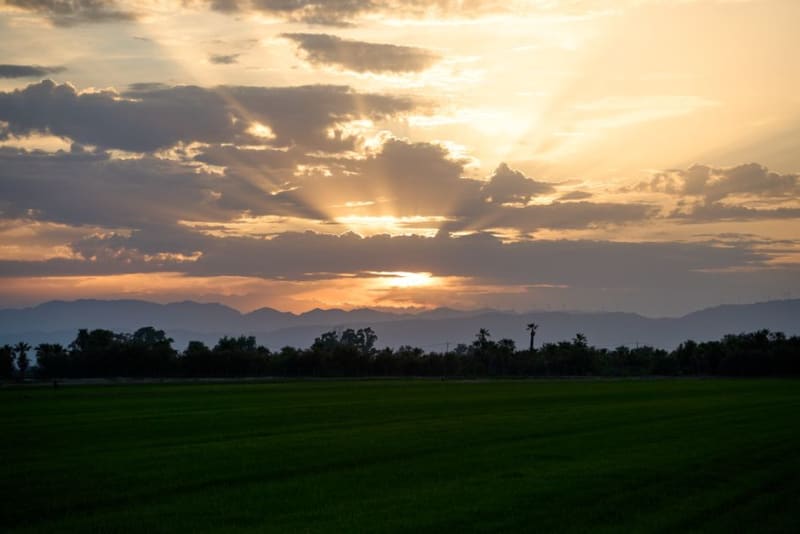 catalonia
Delta de l'Ebre
A flat, wind-scoured river delta of rice paddies and lagoons where flamingos outnumber people and the horizon barely bends.
Explore