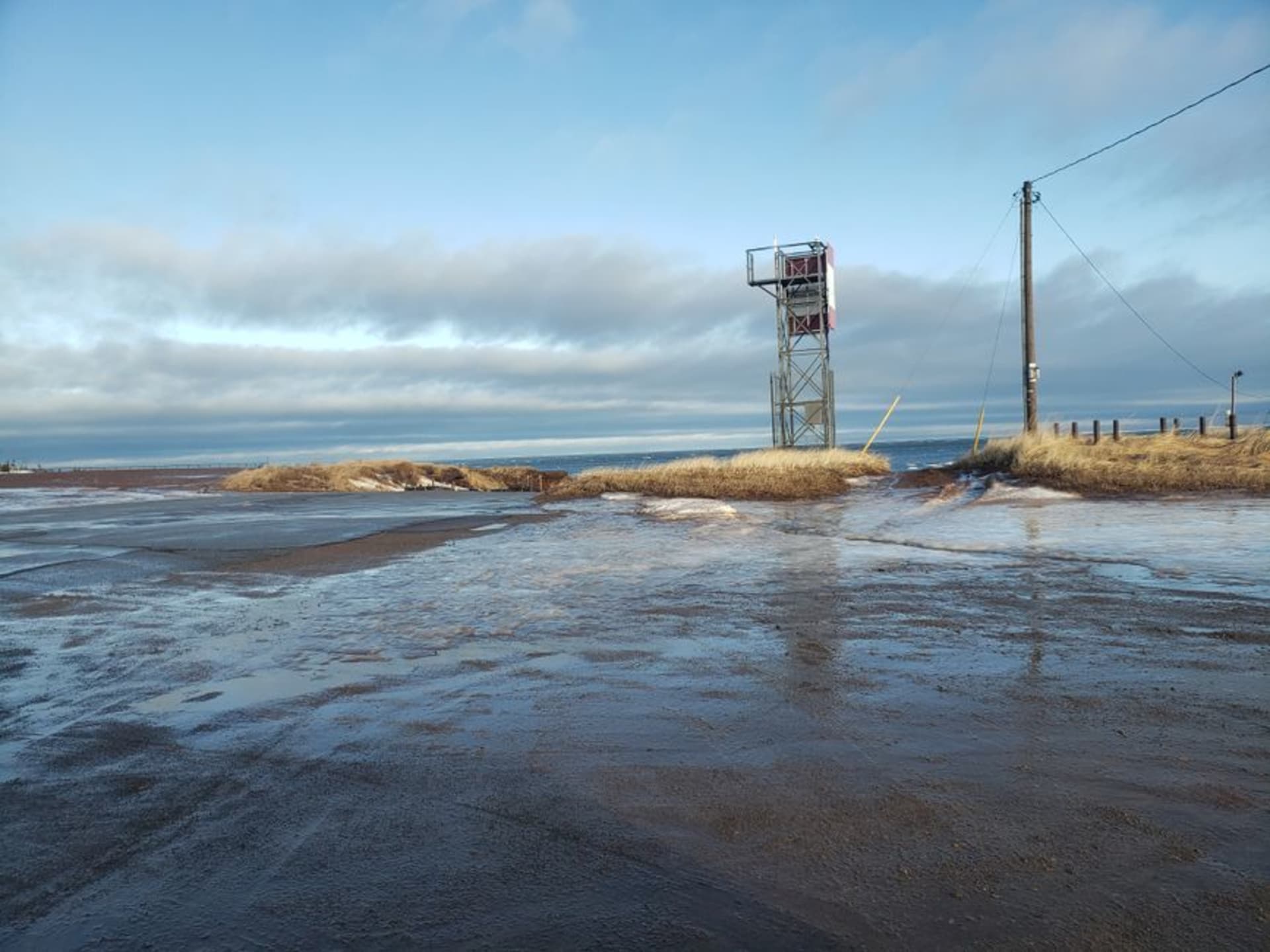
Kouchibouguac National Park
"Nobody told me you could swim in warm salt water this far north. Kouchibouguac kept that one quiet."
A stretch of Acadian coast where warm lagoons hide behind barrier islands, grey seals bask on sandbars, and the beaches are somehow warmer than anything else on the Atlantic this far north.

I need to admit that I mispronounced Kouchibouguac for the better part of a week — koo-shih-boo-gwack, the ranger corrected me gently, an Mi’kmaq word meaning “river of the long tides” — before I ever understood why the park was worth the detour off New Brunswick’s main highway. What sold me was a single afternoon at Kellys Beach, where I waded into water that was, absurdly, warm. Not Maritime-Canada warm, which usually means “survivable for four minutes.” Actually warm, bathwater warm by late July, because the beach sits inside a shallow lagoon sheltered by a twenty-five-kilometre chain of barrier islands and dunes that keeps the cold open Atlantic at arm’s length.
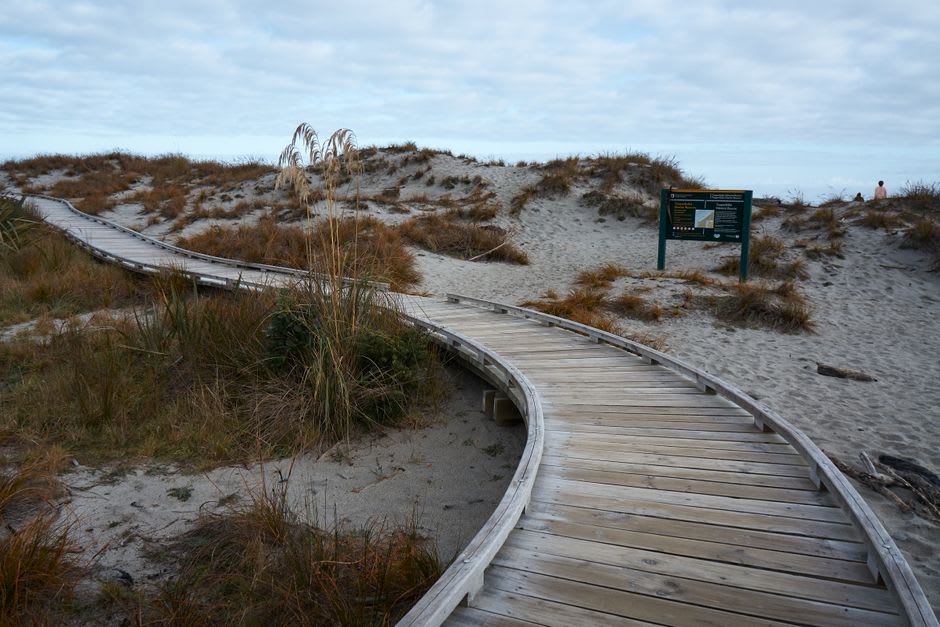
That lagoon system is the whole trick of Kouchibouguac. The barrier islands — low, grass-topped ridges of sand constantly rebuilt by wind and current — enclose a string of warm, shallow lagoons along the Acadian coast, and the park protects one of the last undeveloped stretches of this ecosystem in eastern Canada. I walked out along the boardwalk to Kellys Beach at sunset, dune grass hissing in the wind on either side, and came out onto a beach that had the open-Atlantic drama on one side and calm lagoon water on the other, like the coast had been built with two settings and left both switched on.
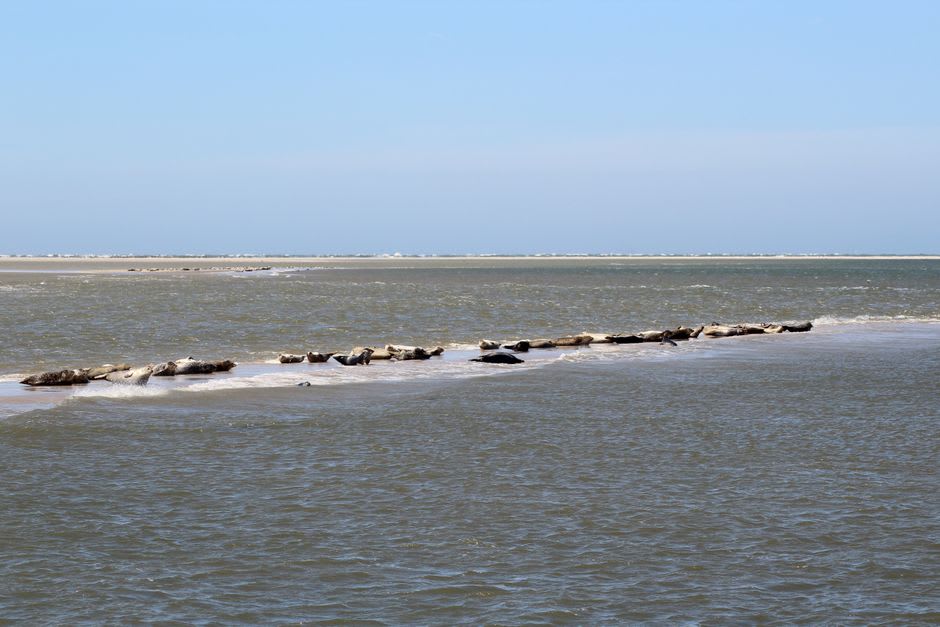
Seals on the Sandbars
The park runs boat and kayak tours out to the sandbars where grey seals haul out by the hundreds, and I went expecting a distant, binoculars-only encounter. Instead our guide cut the outboard well back from the colony and let us drift in on the current, and the seals — mostly unbothered, a few lifting their heads with the wary curiosity of large dogs — let the kayaks get close enough that I could hear them breathing, a low huffing sound between the slap of small waves. Grey seals are genuinely enormous animals up close, the bulls easily two and a half metres, and watching a sandbar covered in them slowly resolve from what looked like driftwood into a colony of a hundred-plus animals was one of those moments where the scale of a place reorganizes itself in front of you.
Cycling the Acadian Coast
Kouchibouguac is flat, which after weeks of New Brunswick’s forested hills felt like a gift, and the park has built one of the better cycling networks I found in the Maritimes — paved paths threading through bog, forest, and salt marsh, connecting the campgrounds to the beaches without ever forcing you onto a road. I rented a bike from the visitor center and spent an entire day riding from viewpoint to viewpoint, stopping at a boardwalk over a peat bog where carnivorous pitcher plants grow in the sphagnum moss, a detail so unexpected in a beach park that I had to read the interpretive sign twice.
When to go: Late June through August for warm lagoon swimming and the seal tours; September brings quieter trails and cooler cycling weather but the lagoons cool off fast once the season turns. Bring bug spray for the forested trails regardless of month — the bog sections do not disappoint on that front.
Keep exploring
More from Canada
 canada
 Lac Saint-Jean
A vast inland sea ringed by farmland and blueberry fields, home to a flooded ghost town and a pie so central to local identity it has its own festival.
Explore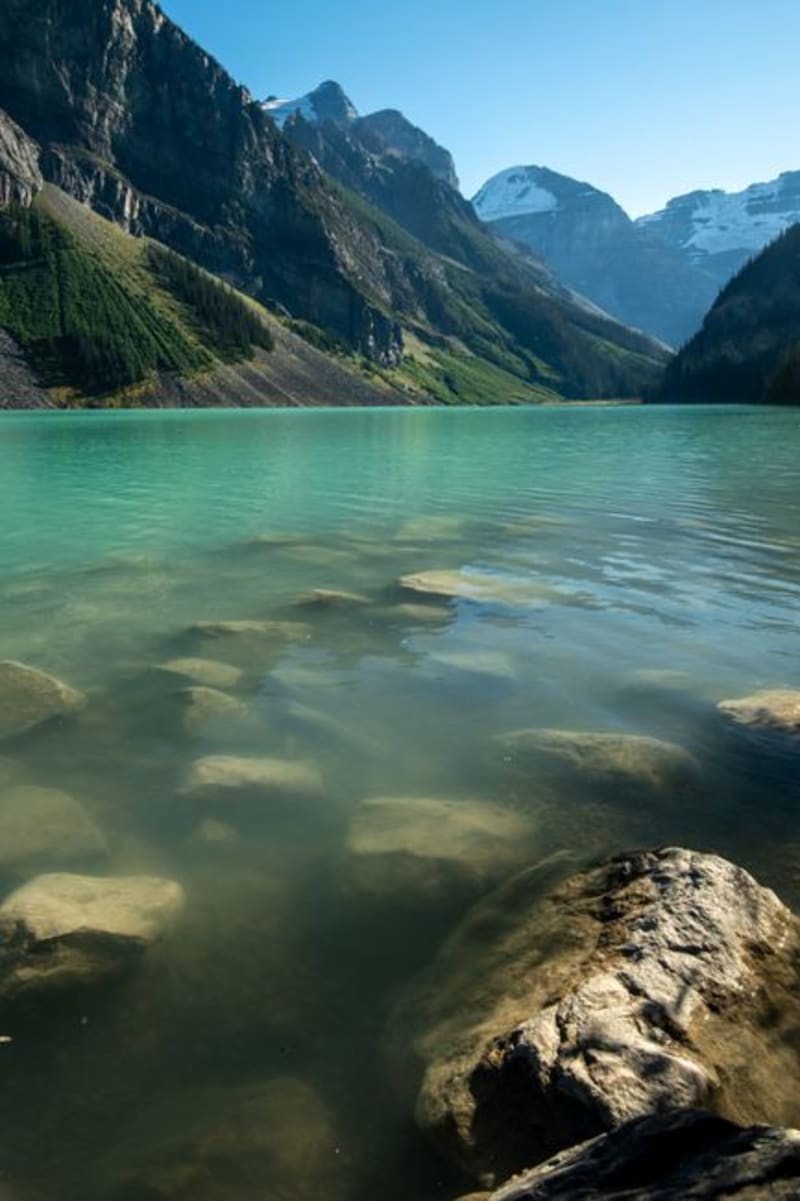 canada
 Lake Louise
A village of one hotel and one lake, but what a lake and what a hotel — the Chateau's grand corridors, canoes on impossible turquoise water, and a hike to a tea house that's been serving the same view for over a century.
Explore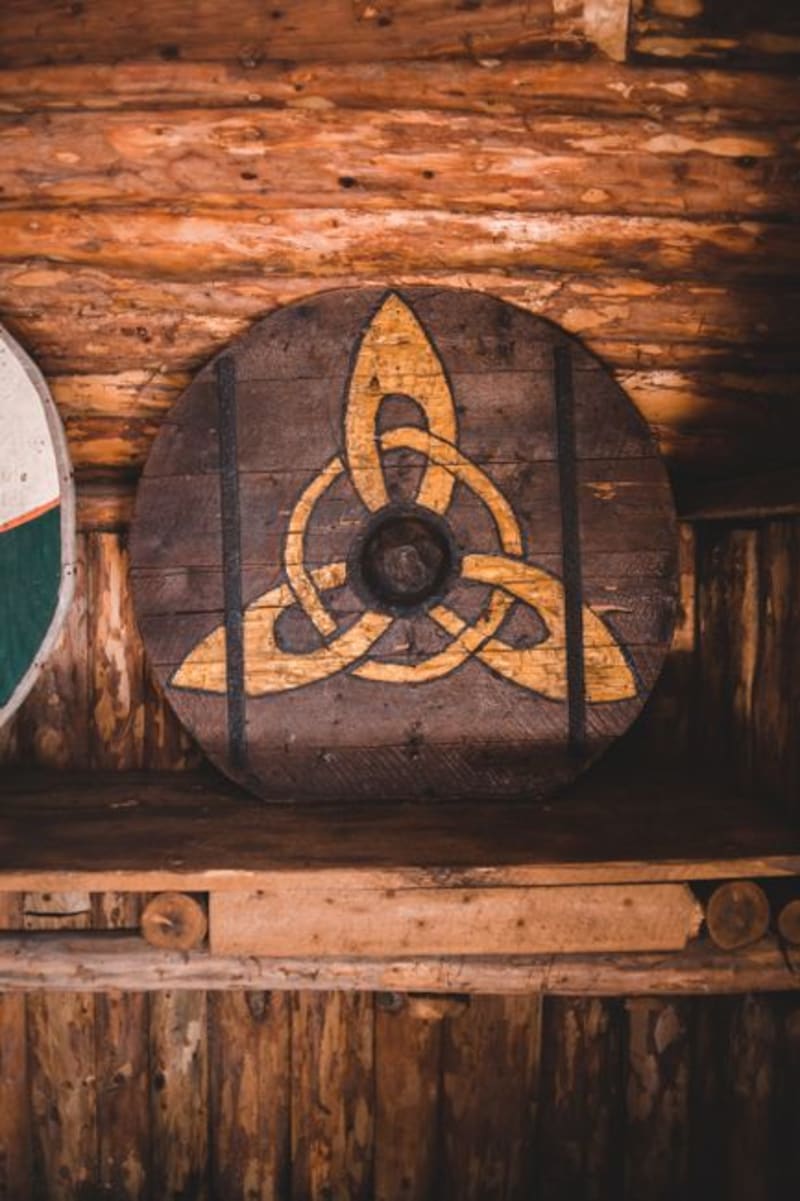 canada
 L'Anse aux Meadows
The only confirmed Norse settlement in North America, where reconstructed sod longhouses sit on a windswept Newfoundland headland five centuries before Columbus ever sailed.
Explore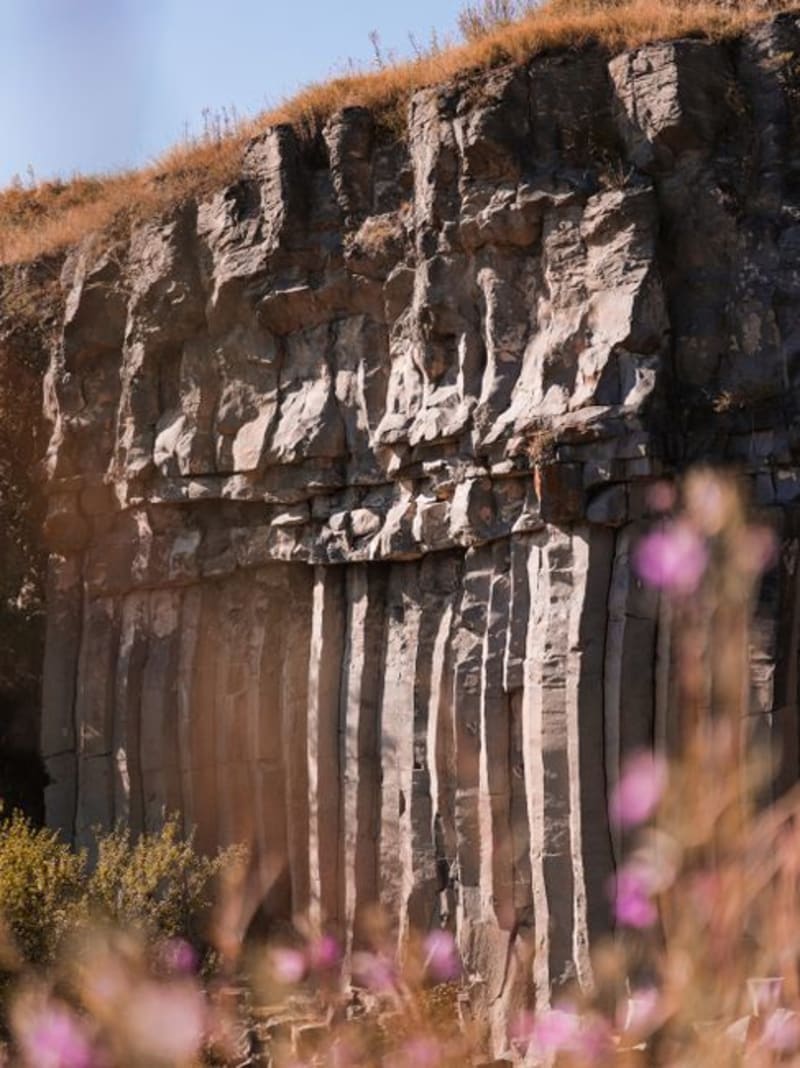 canada
 Lethbridge
A southern Alberta prairie city split by deep coulees and one improbably long railway bridge, home to the largest Japanese garden on the continent's northern plains.
Explore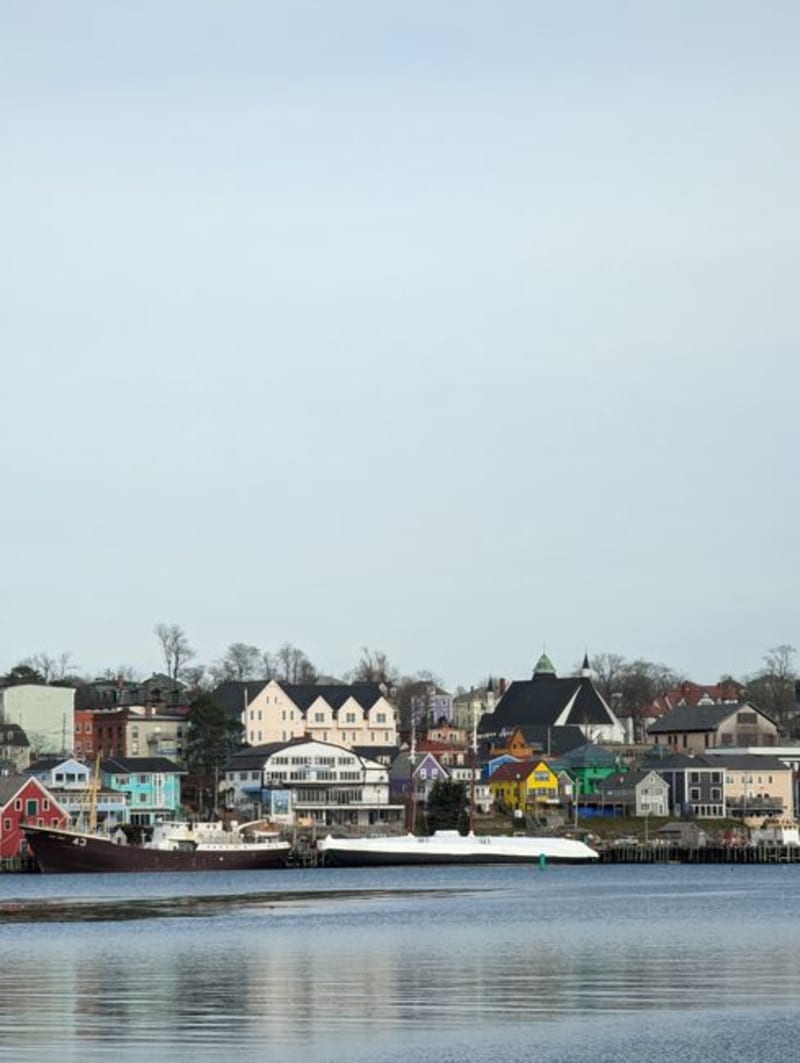 canada
 Lunenburg
A UNESCO-listed harbour town of candy-colored wooden houses, built by German settlers and still home port to the schooner that graces the Canadian dime.
Explore canada
 Magdalen Islands
A wind-scoured archipelago of red sandstone cliffs and Acadian villages, adrift in the Gulf of St. Lawrence, farther from Quebec City than most people are willing to travel.
Explore