Baffin Island
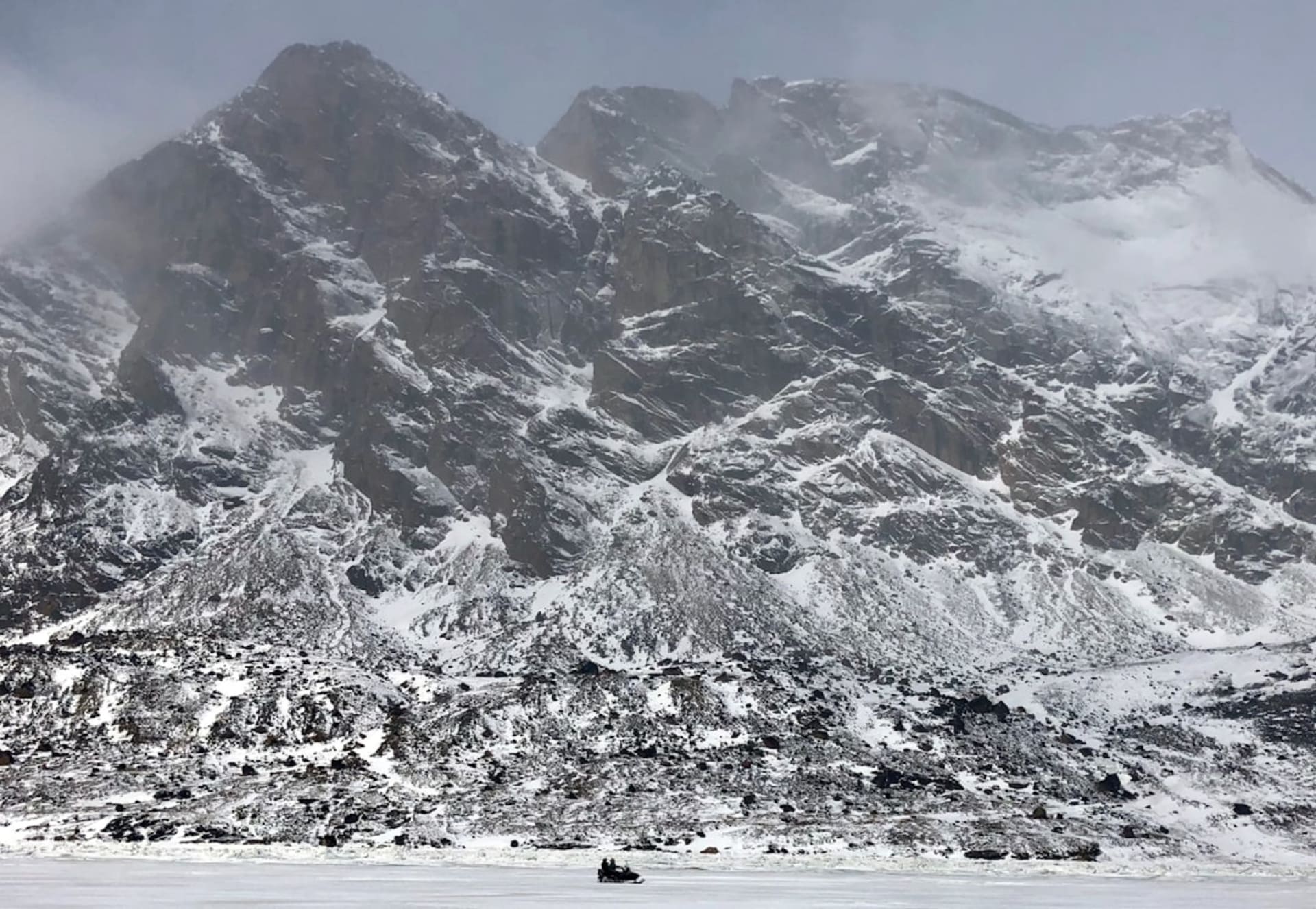
"Auyuittuq means 'the land that never melts,' and after three days hiking its valley I finally understood it as a warning, not a description."
Canada's largest island, a raw Arctic landmass of fjords, glaciers, and Inuit hunting culture, where Auyuittuq's granite peaks and drifting icebergs define the far northeast.

Baffin Island is enormous in a way that’s hard to process from a map — it’s the fifth-largest island on Earth, bigger than California, and almost entirely without roads connecting its scattered communities. I flew into Qikiqtarjuaq, a small Inuit hamlet on the island’s east coast, after a series of increasingly smaller planes from Iqaluit, and from the air the last hour was nothing but ice: pack ice choking the strait, icebergs the size of buildings drifting slowly south from Greenland’s glaciers, calved pieces of a much colder world working their way toward the open Atlantic.
Auyuittuq: The Land That Never Melts
From Qikiqtarjuaq, a boat took our small group across Broughton Island’s ice-choked waters to the mouth of Auyuittuq National Park, one of the most dramatic hiking landscapes I’ve ever walked into — sheer granite walls rising straight from the Akshayuk Pass, a glacial valley that cuts through the Penny Ice Cap, with peaks like Mount Thor, which holds the record for the greatest purely vertical rock drop on the planet, over 1,250 meters of near-vertical granite face. The name Auyuittuq is Inuktitut for “the land that never melts,” and three days into the pass, watching my breath fog in what was technically July, I stopped finding that poetic and started finding it literal. We crossed glacial meltwater streams on a rope line the park maintains each summer, water so cold it took my breath away above the ankle.

Hunting Culture and the Midnight Sun
Qikiqtarjuaq itself — population under six hundred — calls itself the iceberg capital of Nunavut, and the hamlet’s economy and identity are still deeply tied to hunting: narwhal, seal, and polar bear all remain central to subsistence life here, not as tourist theatre but as the actual working basis of how families feed themselves through the winter. I spent an evening with a hunter named Joamie who’d just come back from checking a seal net, and he talked about narwhal hunting each summer with the same unromantic precision a farmer might use describing harvest — respect for the animal, no illusions about how hard the work is. In June, the sun simply doesn’t set here, circling low around the horizon at 2 a.m. with the same flat gold light it had at 2 p.m., and I lost all sense of when I was supposed to be tired.

Back in Qikiqtarjuaq, kids were playing soccer on gravel at what my body insisted was midnight, under a sky the colour of late afternoon, while an elder mended a dog harness on her porch step, entirely unbothered by the light or the cold or the fact that a couple of exhausted southerners were still awake to watch her do it.
When to go: Late June through August for Auyuittuq trekking and open water; try to time a visit around late July for the best chance of iceberg viewing near Qikiqtarjuaq before the summer’s drift thins them out.
Keep exploring
More from Canada
 canada
 Banff
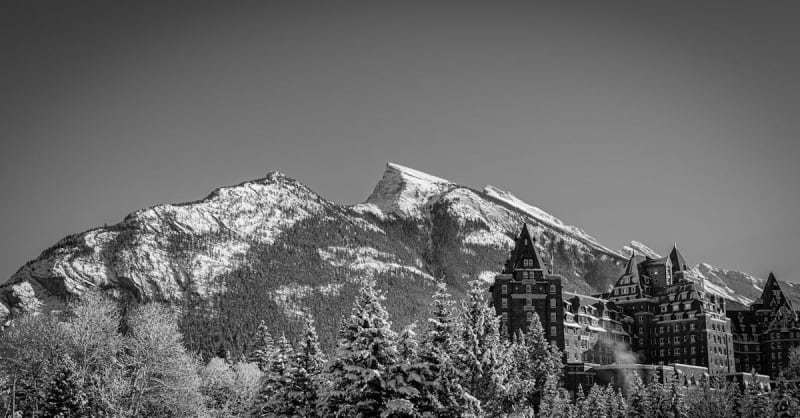
The crown jewel of the Canadian Rockies — turquoise lakes, towering peaks, and alpine wilderness.
Explore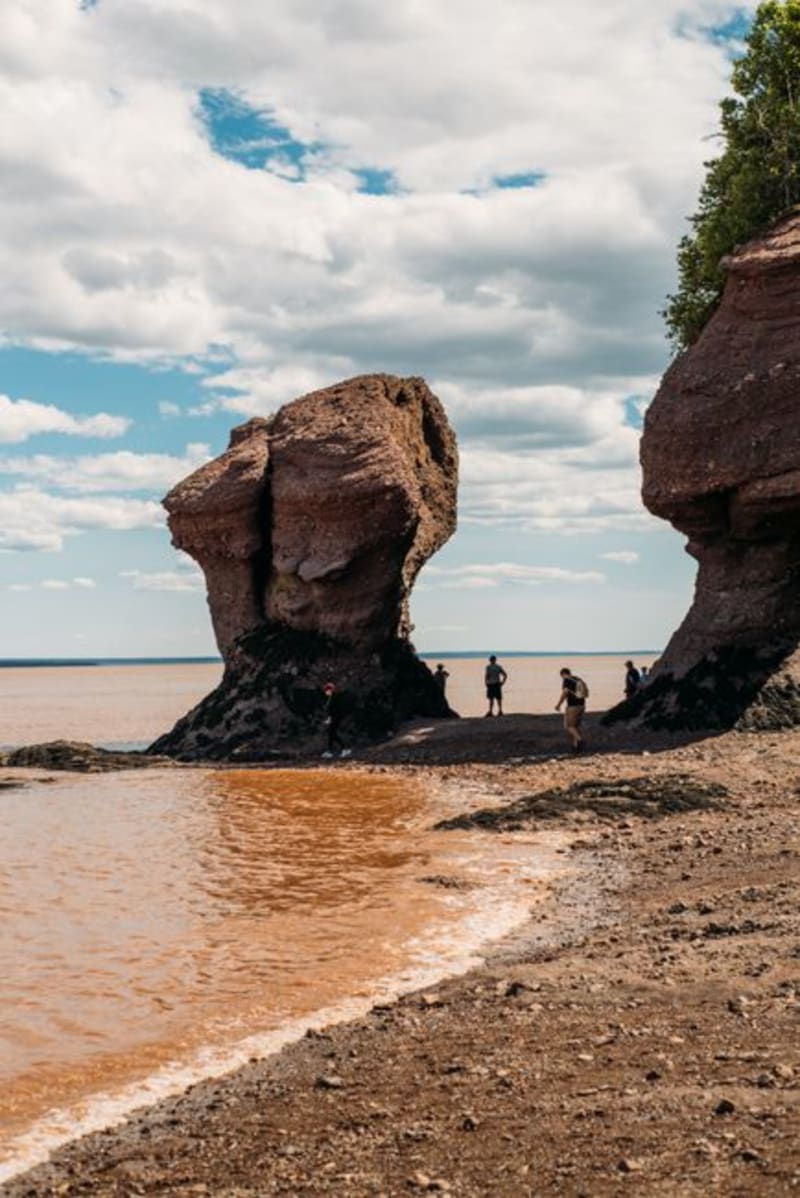 canada
 Bay of Fundy
The bay where the Atlantic breathes twice a day, moving more water than every river on Earth combined and rewriting the coastline every six hours.
Explore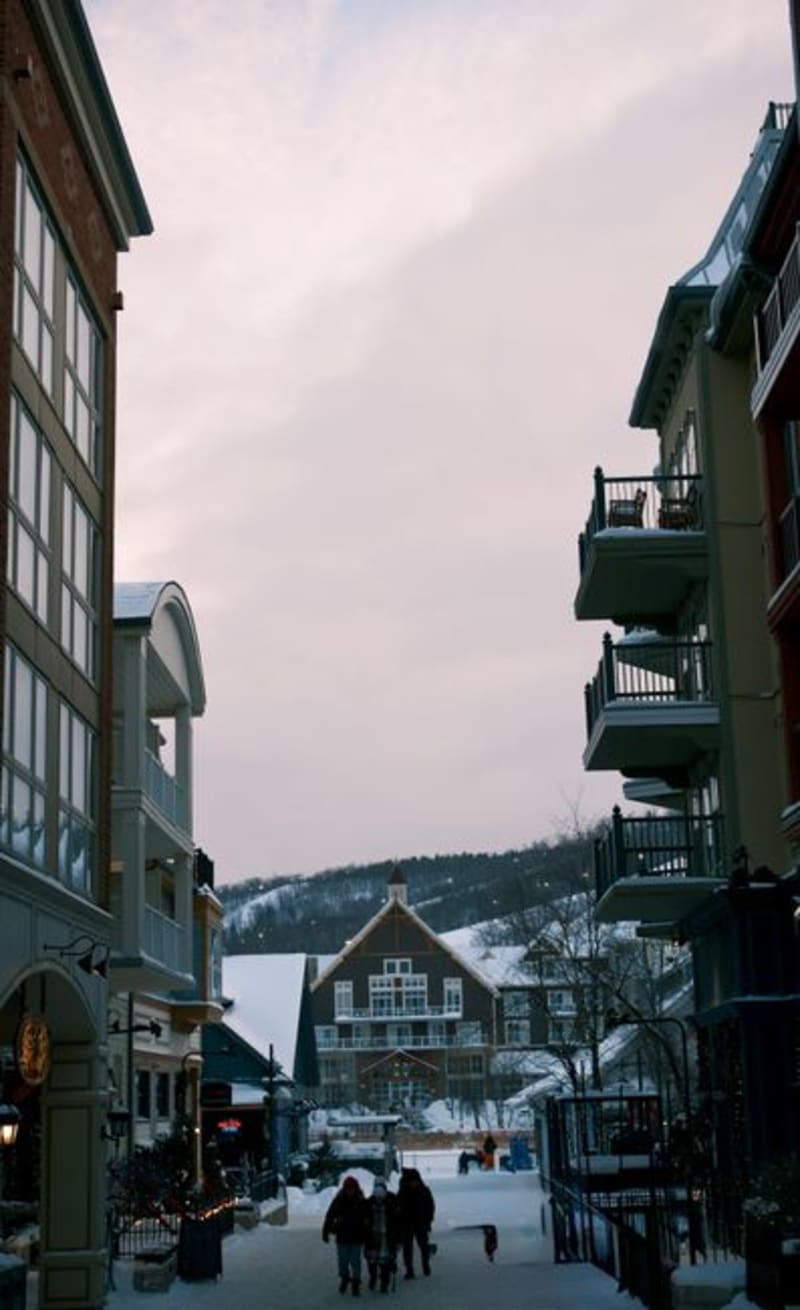 canada
 Blue Mountain
Ontario's biggest ski hill turned four-season resort village on Georgian Bay, where the Scandinave Spa's cold plunges make more sense after a long winter than anything I tried in the actual Alps.
Explore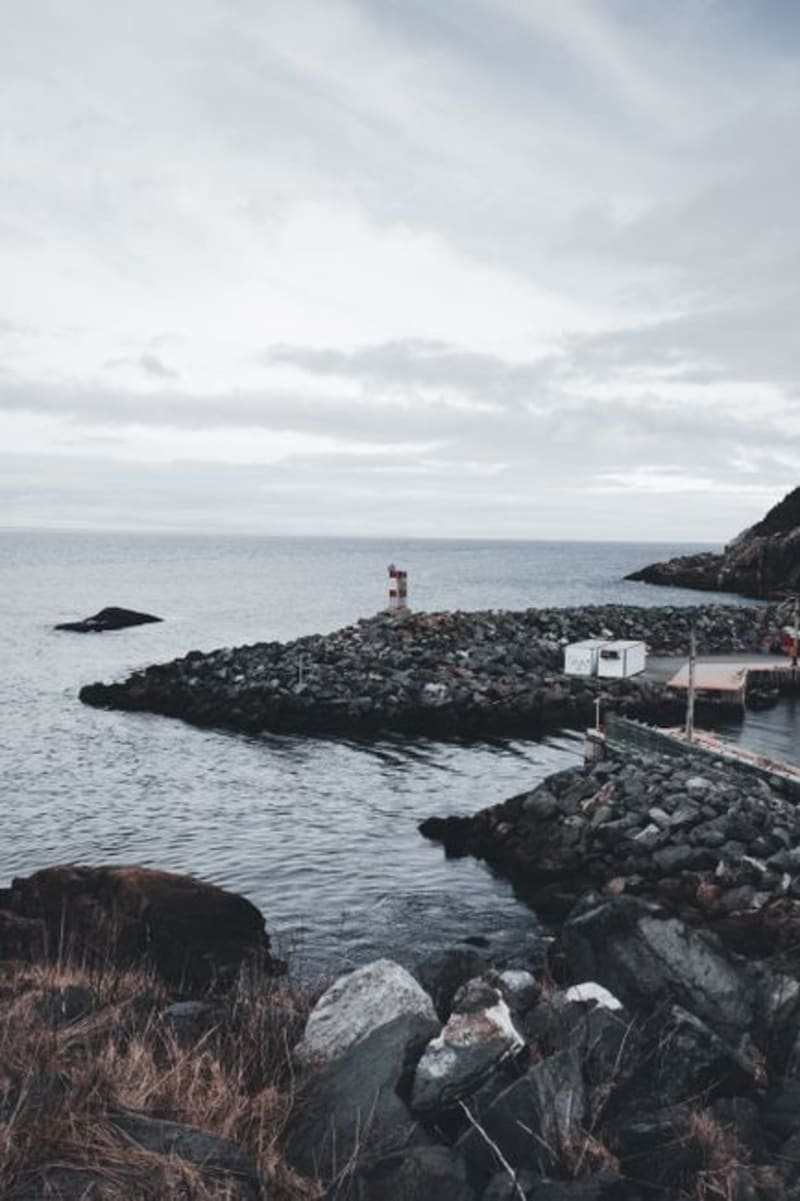 canada
 Bonavista
The rugged cape where John Cabot is said to have first sighted North America in 1497, now home to a working lighthouse, a puffin colony, and outport streets that feel unchanged in a century.
Explore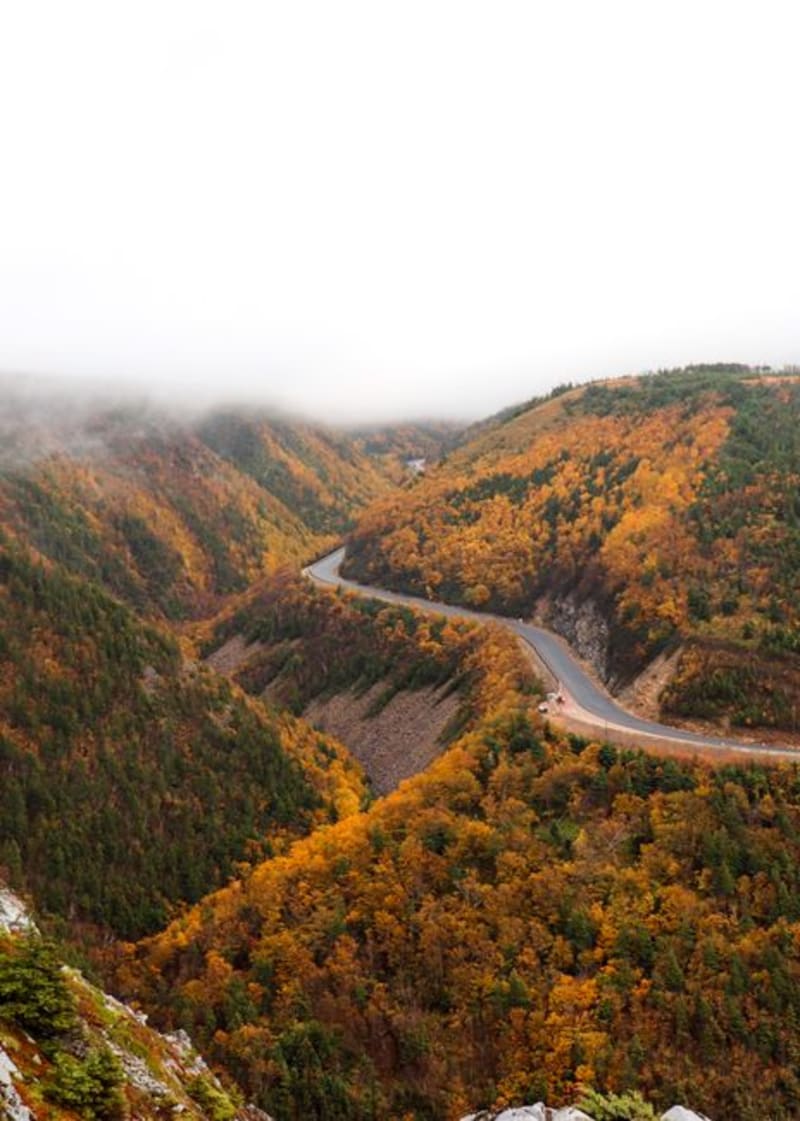 canada
 Cabot Trail
A 298-kilometre highway looping the Cape Breton Highlands where the road hugs cliffs, moose wander the shoulder, and every lookout demands you stop again.
Explore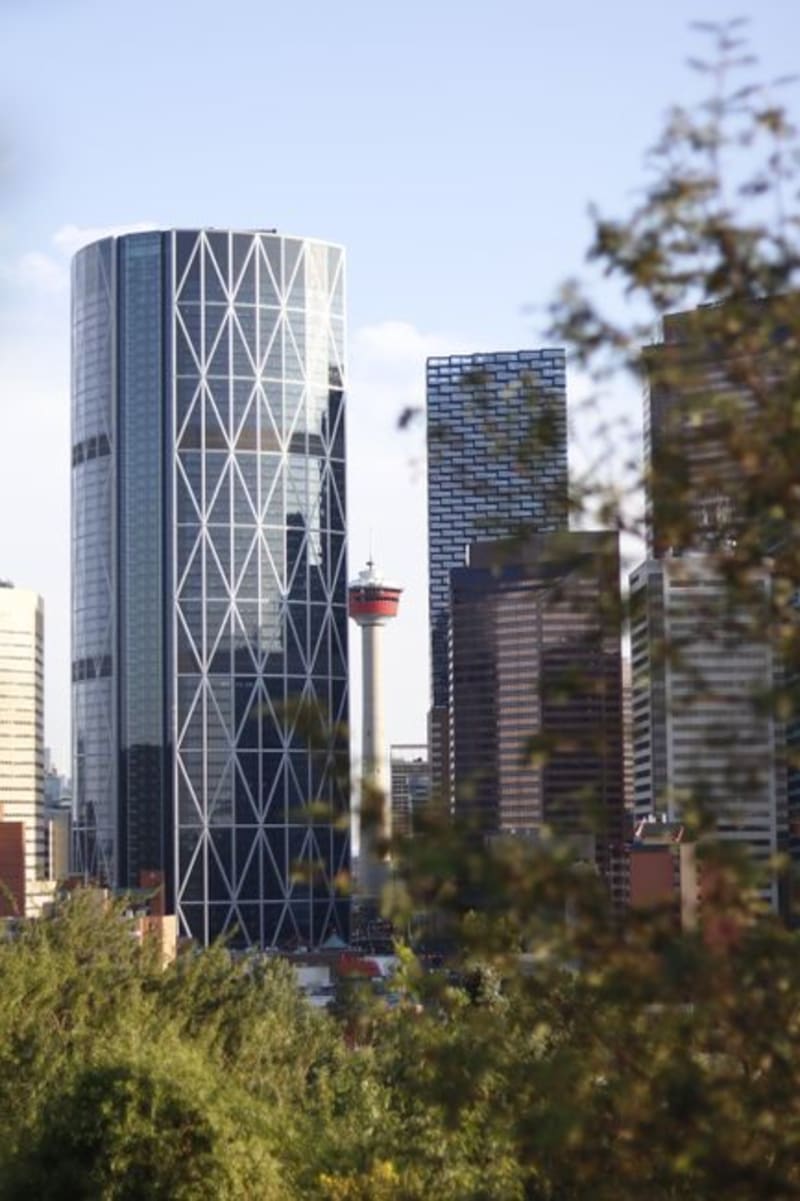 canada
 Calgary
Alberta's oil-boom skyline meets small-town rodeo spirit — a city that spends fifty weeks a year in a suit and one week a year in a cowboy hat.
Explore