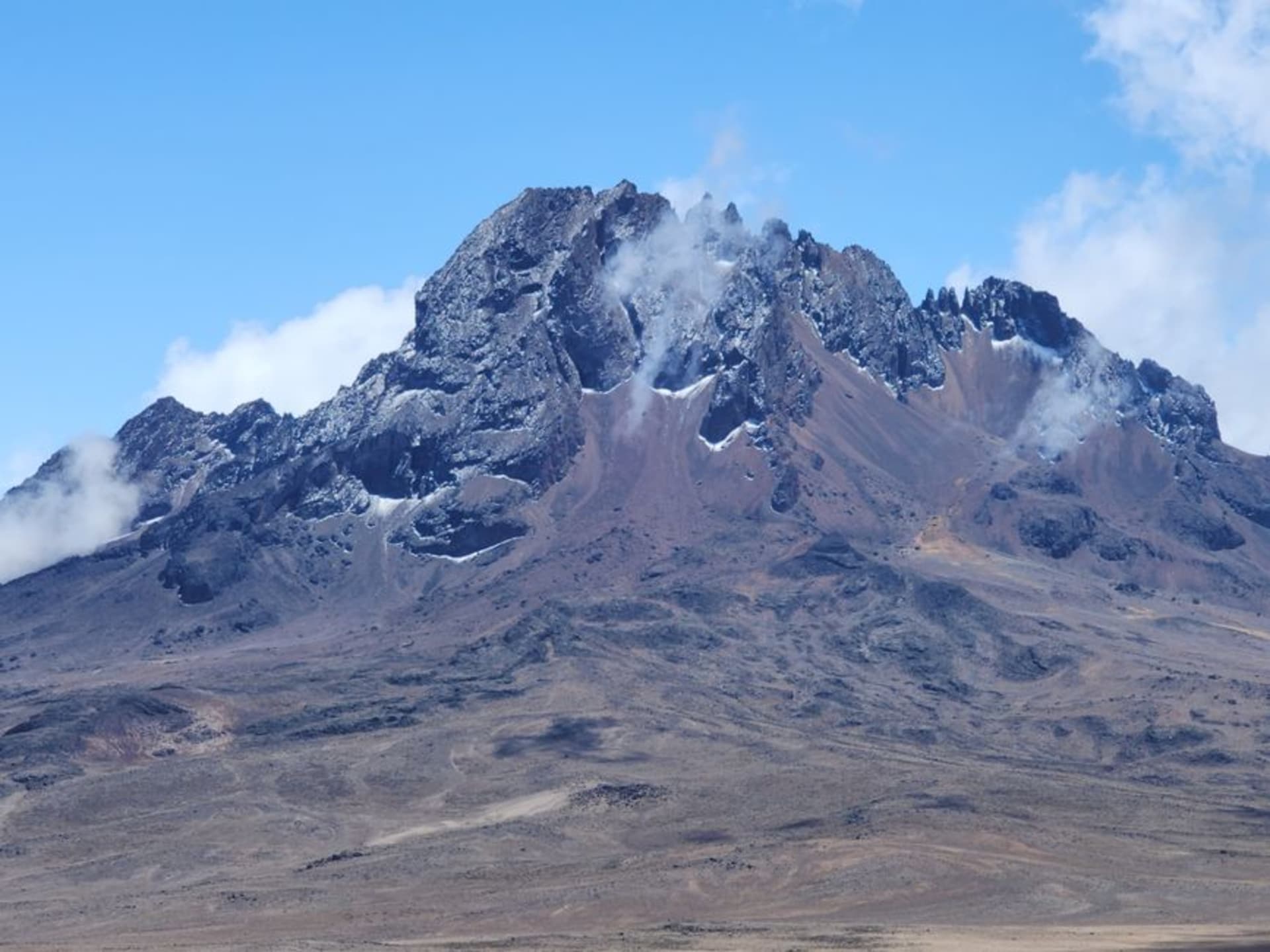
Rhumsiki
"I've never stood somewhere that looked less like Earth and felt more like home."
A village of jagged volcanic spires in Cameroon's Far North, where crab diviners still answer questions older than the rock itself.

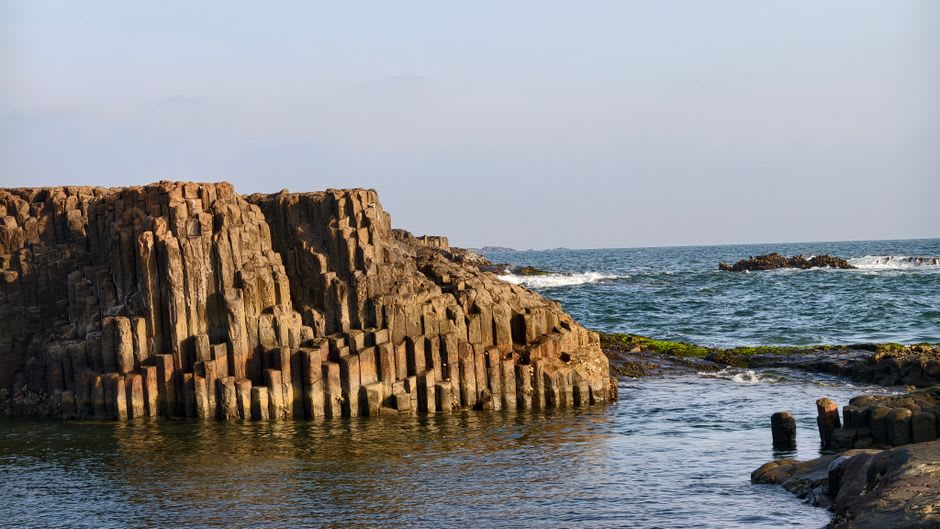
We got to Rhumsiki after a long, dusty ride up from Maroua, and I remember Lia grabbing my arm the moment Kapsiki Peak came into view. It just shoots up out of the plain, this dark volcanic plug with nothing around it to soften the shock of it, and around it dozens of smaller spires do the same thing, like the ground itself cracked open and forgot to stop. I’d seen photos before we came, the ones travel writers use to describe the Mandara Mountains as “lunar,” and I always assumed that was the kind of exaggeration people reach for when they run out of better words. It isn’t. Standing at the edge of the village at sunset, watching the dykes go copper then grey then black, I understood that millions of years of erosion had built something no metaphor really covers.
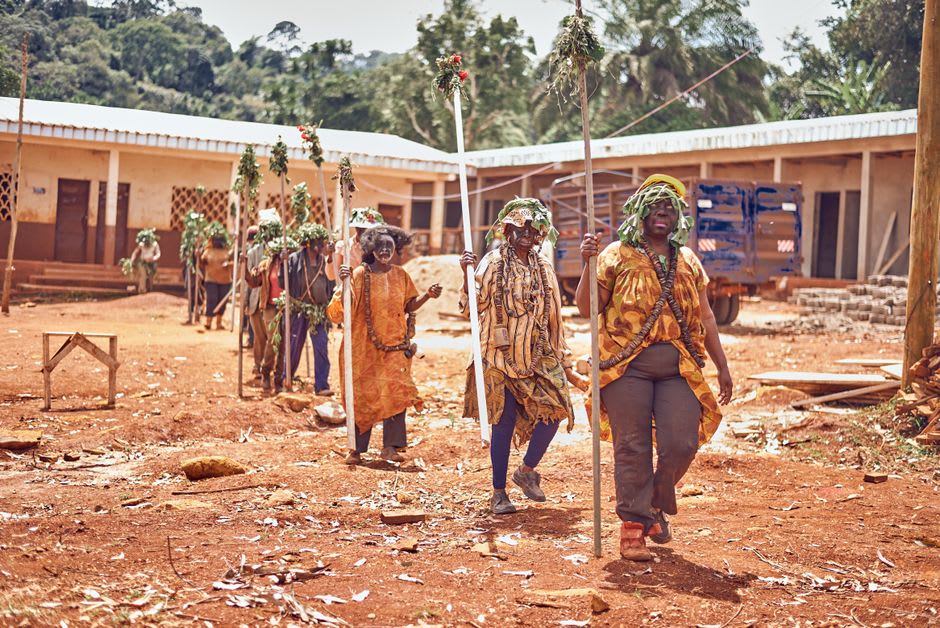
We stayed two nights in a small guesthouse run by a Kapsiki family, and on the second morning our host asked if we wanted to see a diviner before we set off on our trek. I’ll admit I went in half-skeptical, half-nervous, not really knowing what to expect. The diviner set a pot down, placed a crab inside with a scattering of small carved sticks and leaves around the rim, and explained that the crab’s movements among those objects, as it shifts and rearranges them, would answer whatever question we brought. Lia asked something about our trip ahead; I kept mine to myself. Watching this man read the crab’s path with total seriousness, no performance in it at all, made it clear this wasn’t a show staged for us. It’s just how questions get asked here.
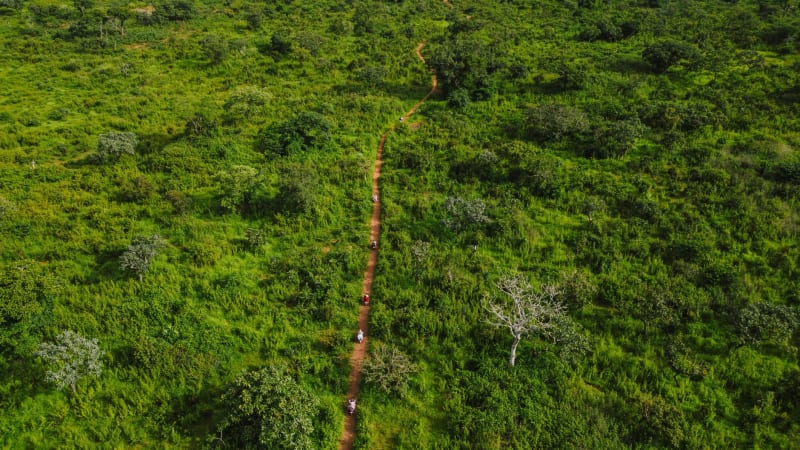
The trek itself is what stays with me most, though. We hired a local guide and spent a full day on foot weaving between the traditional Kapsiki compounds, their round mud-and-thatch huts clustered like small fortresses, then out into the open dyke fields where the trail disappears and you’re just picking your way between spires. Some travelers do it on horseback, and I could see the appeal on the steeper stretches, but walking let us stop constantly, which we did, mostly to just stand there and stare. Lia kept saying it looked like Mars, and I kept agreeing, and neither of us could really explain why that comparison never got old over the course of the day.
By the time we left, I understood why Rhumsiki has functioned as a trekking base for so long. There’s more of the Mandara range beyond it, ridges and villages we didn’t have time for, and I left already plotting a return trip with more days built in.
When to go: Aim for the dry season between November and February. Temperatures stay manageable, the skies clear right up, and the long views across the dykes, the whole reason you come, are at their sharpest.
Keep exploring
More from Cameroon
 cameroon
 Waza National Park
Cameroon's finest savanna park draws elephants, giraffes, and lions to its Sahel waterholes in a landscape that feels like the edge of the known world.
Explore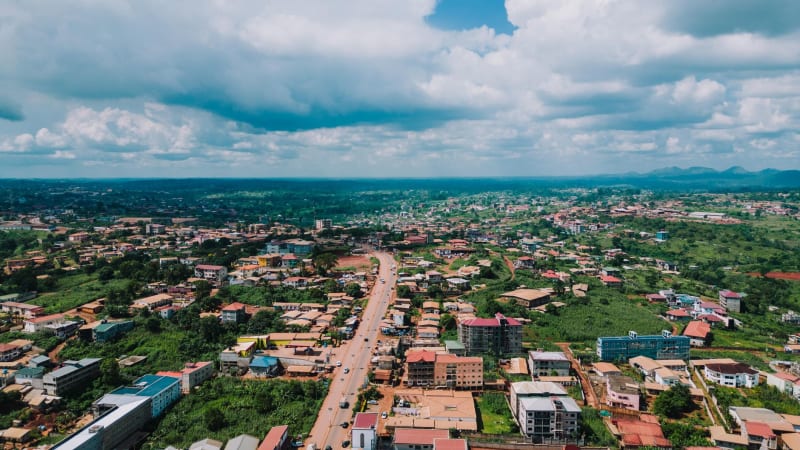 cameroon
 Yaoundé
Cameroon's green, hilly capital moves at half the pace of Douala and holds the country's cultural memory in its quieter corners.
Explore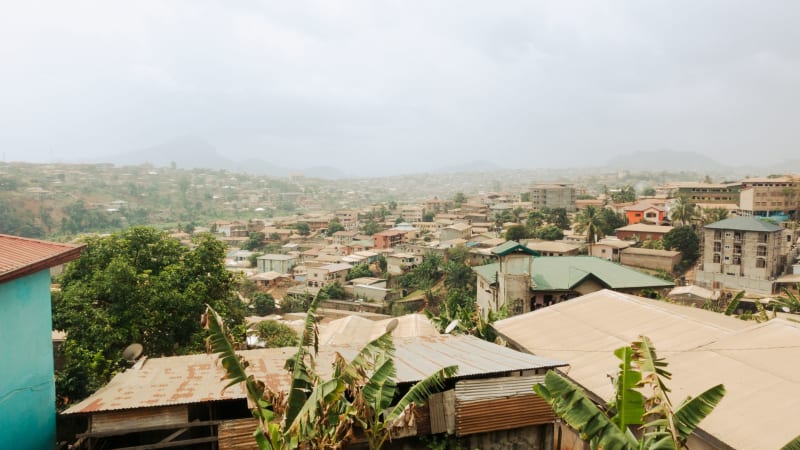 cameroon
 Bafoussam
The Bamiléké highlands capital is the gateway to a ring road of terraced hills, chiefs' palaces, and a craft tradition carved from the mist.
Explore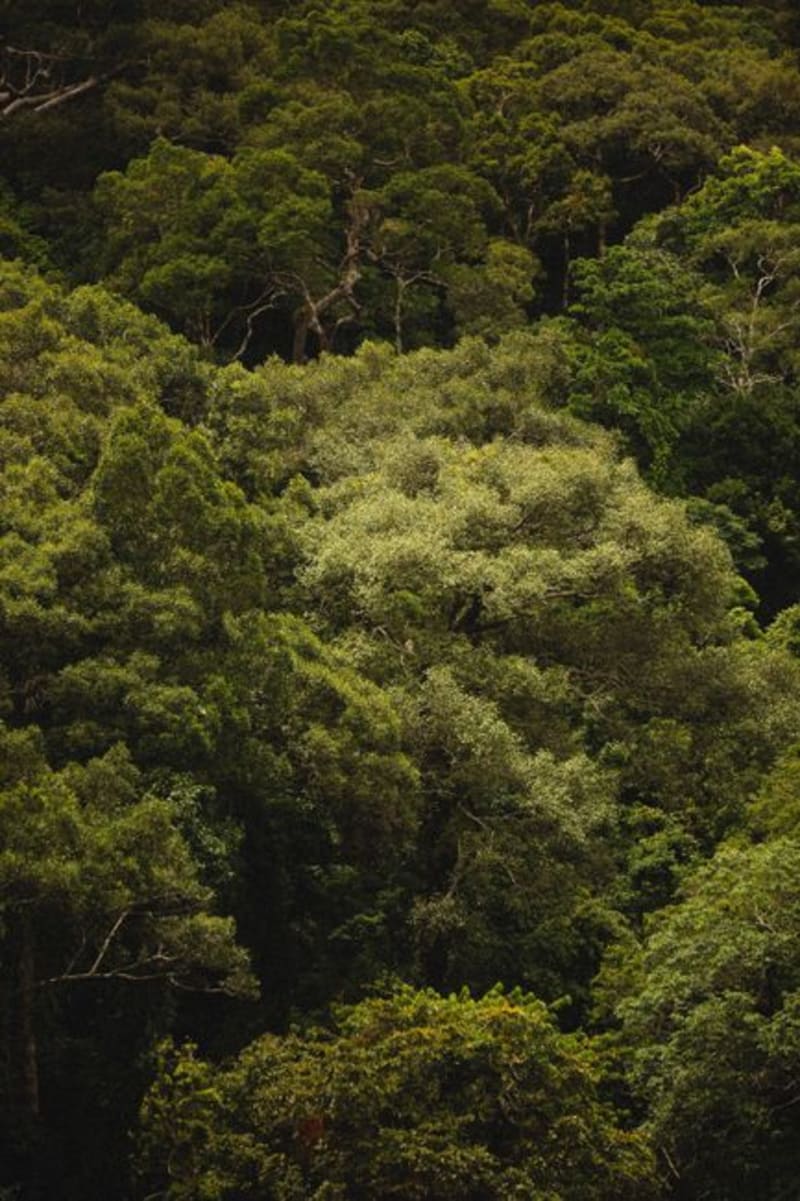 cameroon
 Dja Faunal Reserve
A vast rainforest looped by a river, where gorillas move unseen and the Baka know every trail by heart.
Explore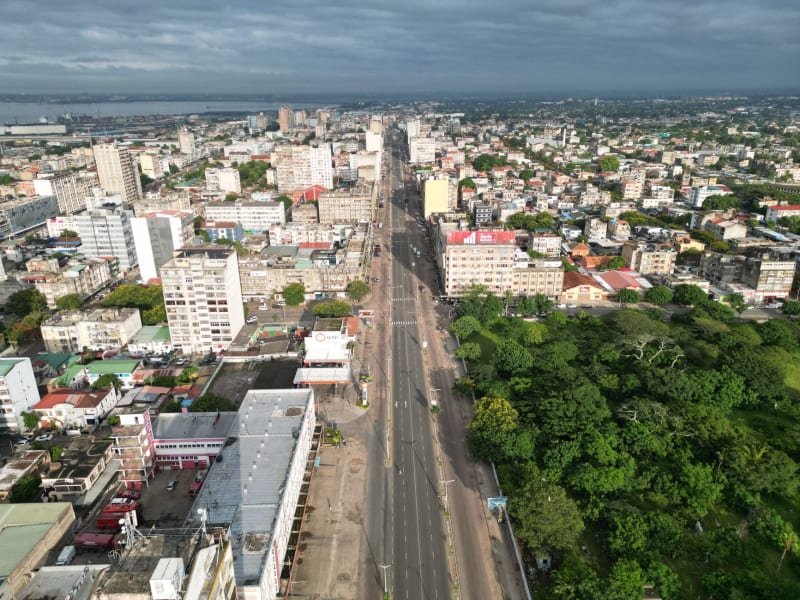 cameroon
 Douala
Cameroon's chaotic port city runs on hustle and street-food smoke, and rewards those patient enough to look past the rust.
Explore cameroon
 Foumban
The ancient Bamoun sultanate capital holds one of Central Africa's most powerful royal palaces and a living craft tradition that has outlasted every colonial disruption.
Explore