Africa
Cameroon
"Africa in miniature — and the miniature is larger than most full-size countries."
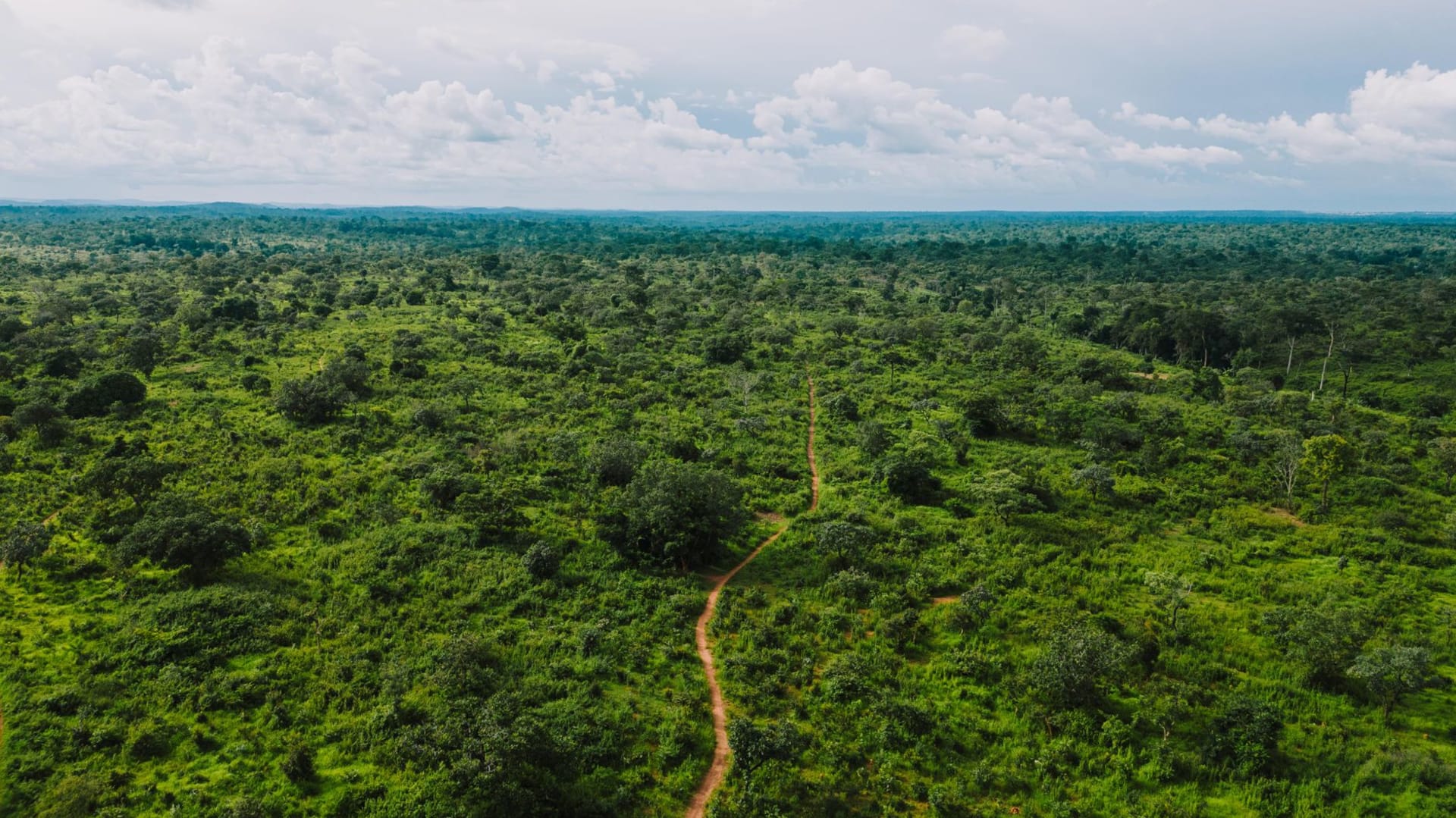
Cameroon packs rainforest, savanna, volcanic highlands, and 400-kilometer Atlantic beaches into a single country — a condensed version of the entire continent that somehow still gets overlooked.

I flew into Douala on a morning when the harmattan was blurring the air brown and the city came into view as a smear of rust-colored rooftops above the Wouri estuary. The taxi driver spoke to me in French, then Cameroonian pidgin, then switched to Fulfulde when he realized I was trying to follow. Cameroon does that — it keeps shifting registers before you can settle into any one version of it. Eight languages official, 280 ethnic groups, and a colonial history split between France and Britain that you can still read in the road signs as you cross certain regional borders.
Douala is not beautiful in any conventional sense but it moves with the particular energy of a city that runs on hustle rather than oil rents. I spent two days eating in the neighbourhood markets — poisson braisé pulled straight off the grill and wrapped in banana leaf, ndolé made with bitter leaf and peanuts in a sauce so layered it took me three bites to understand what was happening. Then I took the train west toward Yaoundé, a journey on aging infrastructure that the other passengers seemed to find perfectly ordinary and that I found quietly spectacular — forest pressing in on both sides of the track, occasional clearings with small farms lit up in afternoon light.
The country’s real drama is in the highlands. The ring road through the Northwest and West regions loops through Bamiléké country, where the hills are terraced and the traditional compound architecture — tiered, thatched, ceremonially complex — is still in active use, not preserved as a museum piece. The chiefs’ palaces in Foumban and Bafoussam carry a political gravity that the tourism pamphlets completely fail to convey. And Mount Cameroon, at 4,095 meters, is one of the only places on earth where you can hike from tropical beach to alpine tundra in a single day, with the Atlantic visible from the summit on a clear morning. I did it in two days and my legs complained for a week. I’d go back for the view from the crater rim at first light.
When to go: November through February is the dry season in the south and highlands — the most practical window for trekking Mount Cameroon and driving the ring road before rains turn laterite tracks to mud. The north (Waza National Park, the Sahel zone) is best visited December through March before extreme heat sets in. Avoid May through September in the coastal south, when rainfall can be genuinely relentless.
What most guides get wrong: They call Cameroon “Africa in miniature” and leave it there, as if the phrase explains something. What it actually means is that Cameroon is too complex and too geographically varied to reduce to a single travel narrative — which is exactly why it’s been undervisited. Most visitors who come want the national parks (Waza for elephants, Lobeke for forest elephants and gorillas) and miss everything in between: the Bamiléké highlands, the coast around Kribi where waterfalls fall directly into the sea, the Muslim north with its lamidos and adobe mosques. The country requires time and flexibility, and most itineraries built around it don’t allow for either.
Explore
Places in Cameroon
 cameroon
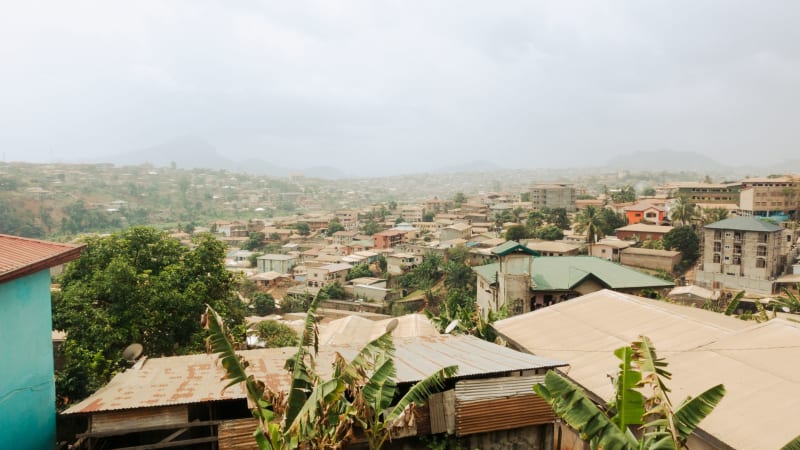
 Bafoussam
The Bamiléké highlands capital is the gateway to a ring road of terraced hills, chiefs' palaces, and a craft tradition carved from the mist.
Explore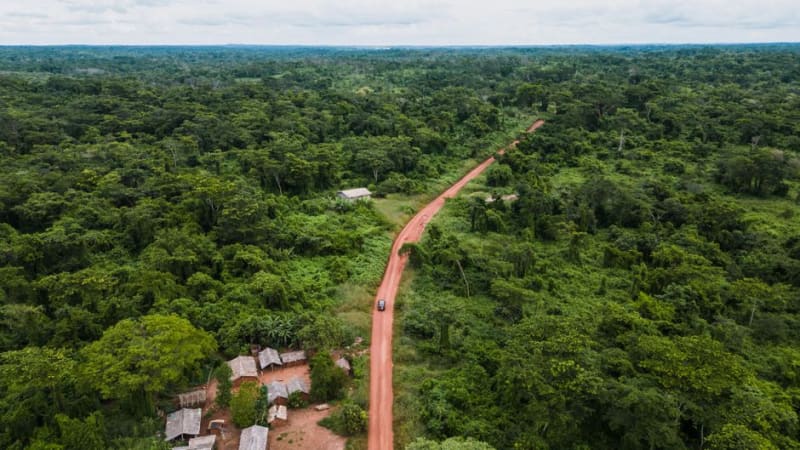 cameroon
 Dja Faunal Reserve
A vast rainforest looped by a river, where gorillas move unseen and the Baka know every trail by heart.
Explore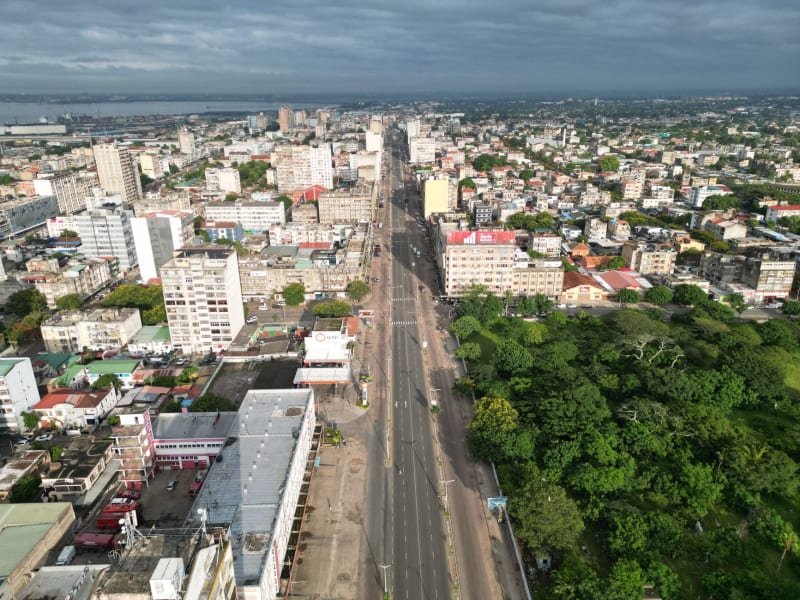 cameroon
 Douala
Cameroon's chaotic port city runs on hustle and street-food smoke, and rewards those patient enough to look past the rust.
Explore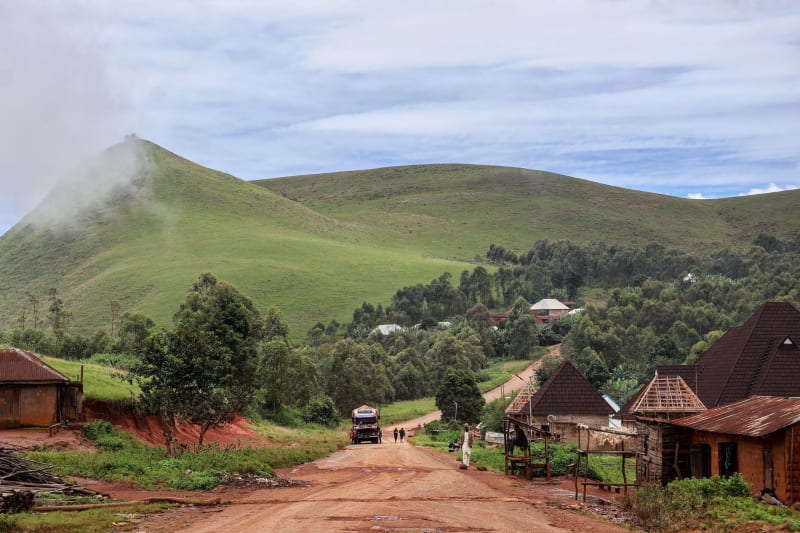 cameroon
 Foumban
The ancient Bamoun sultanate capital holds one of Central Africa's most powerful royal palaces and a living craft tradition that has outlasted every colonial disruption.
Explore cameroon
 Korup National Park
One of Africa's oldest and most biologically dense rainforests, entered across a swaying suspension bridge into a green world that predates the last ice age.
Explore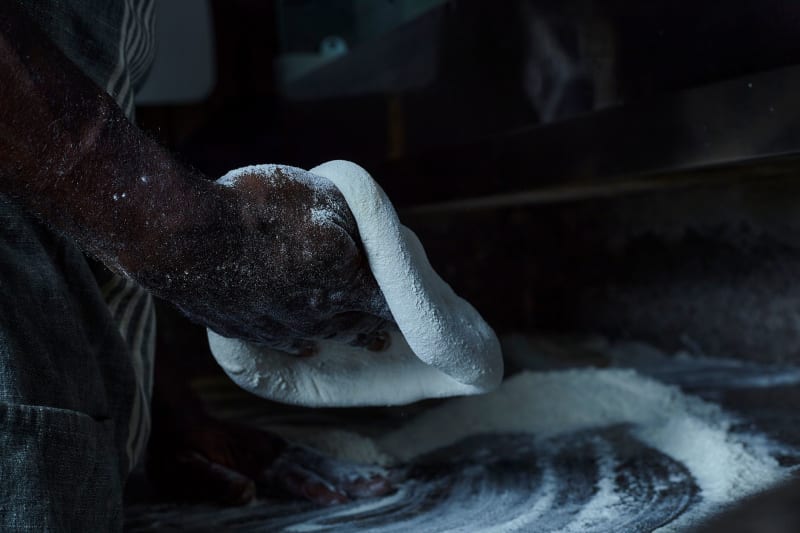 cameroon
 Kribi
A small coastal town where waterfalls pour directly into the Atlantic and the grilled lobster costs less than a beer back home.
Explore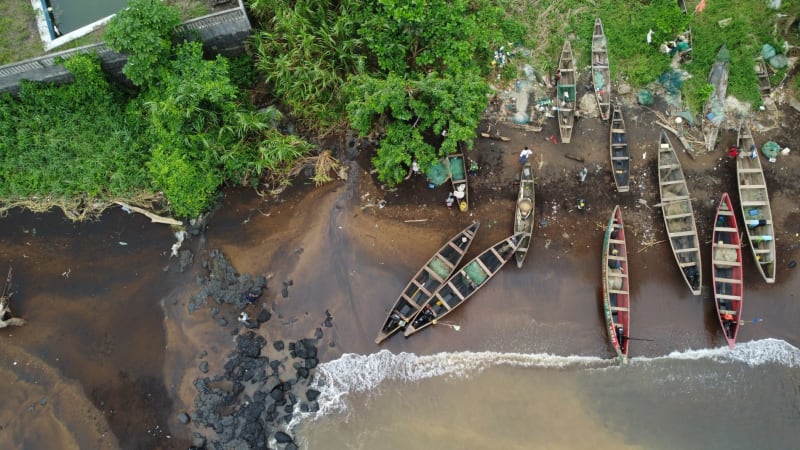 cameroon
 Limbe
A small Anglophone coast town with black volcanic beaches, a 19th-century botanical garden, and more rescued gorillas than it knows what to do with.
Explore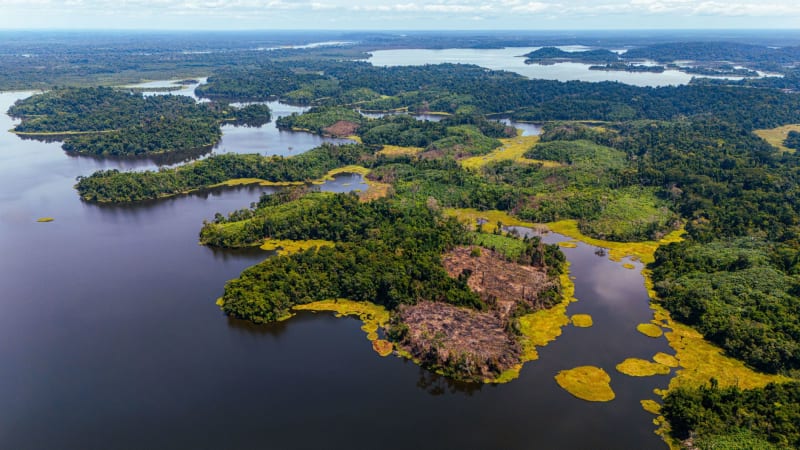 cameroon
 Lobéké National Park
A remote corner of the Congo Basin rainforest sheltering forest elephants, western lowland gorillas, and the Baka people who know every tree in it.
Explore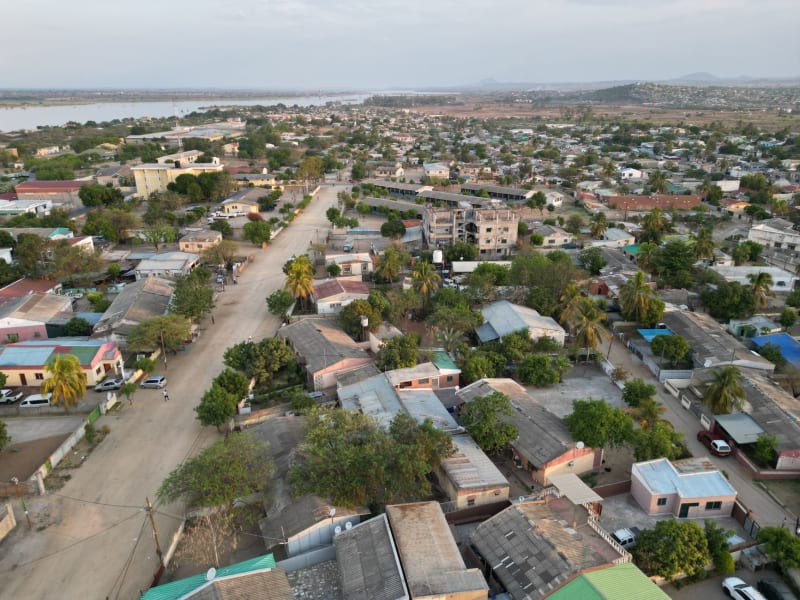 cameroon
 Maroua
The Far North's largest city is a gateway to the Sahel, an adobe-walled craft capital, and a place where the Islamic north of Africa announces its presence quietly but completely.
Explore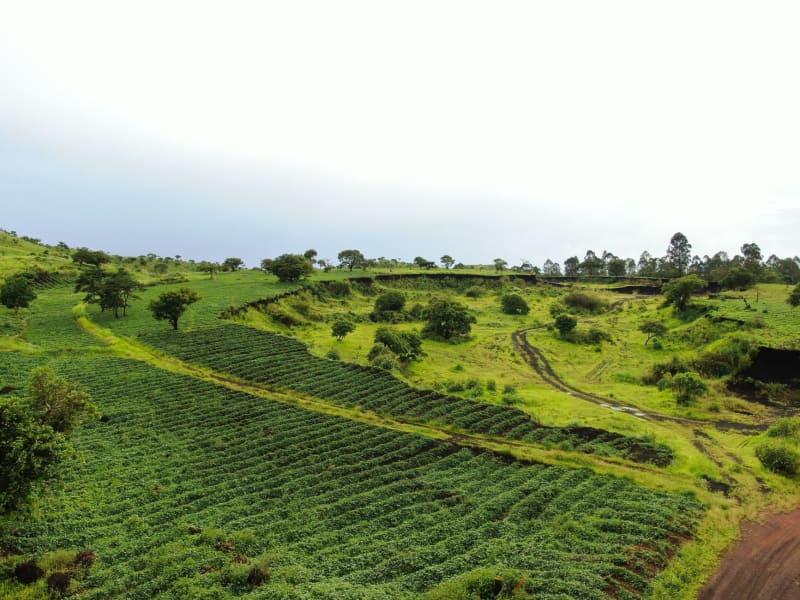 cameroon
 Mount Cameroon
West Africa's highest volcano rises from the Atlantic coast to 4,095 meters, passing through every climate zone in a single day's walking.
Explore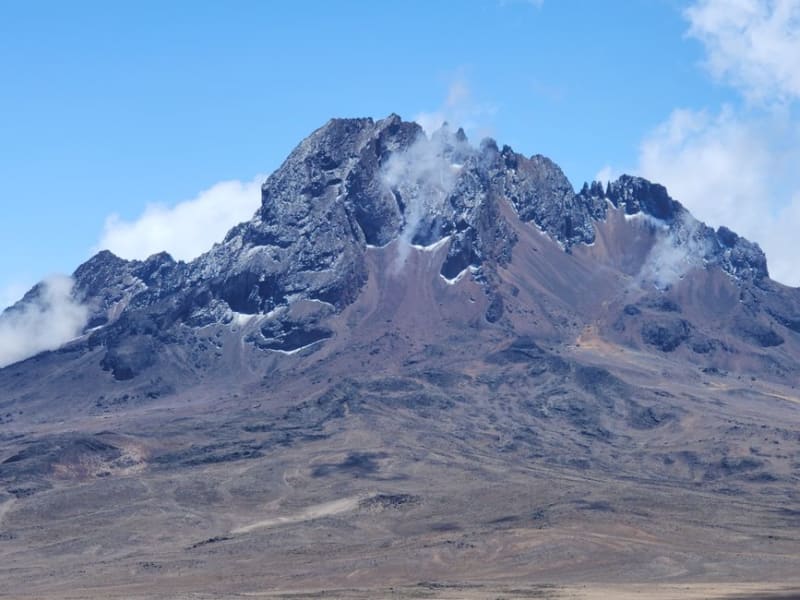 cameroon
 Rhumsiki
A village of jagged volcanic spires in Cameroon's Far North, where crab diviners still answer questions older than the rock itself.
Explore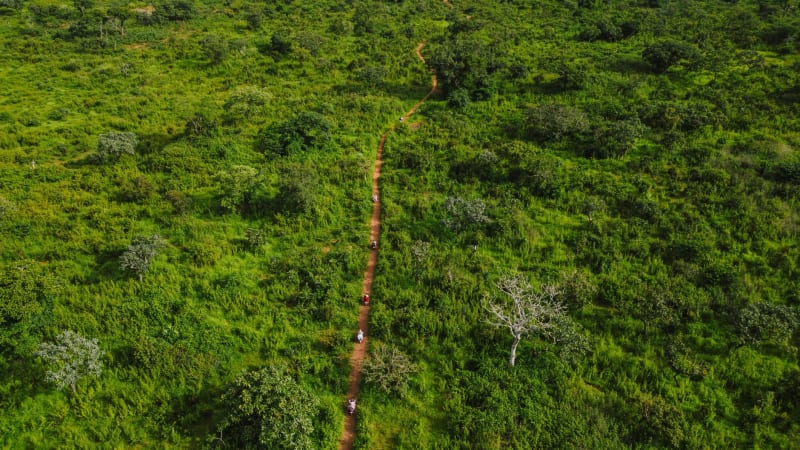 cameroon
 Waza National Park
Cameroon's finest savanna park draws elephants, giraffes, and lions to its Sahel waterholes in a landscape that feels like the edge of the known world.
Explore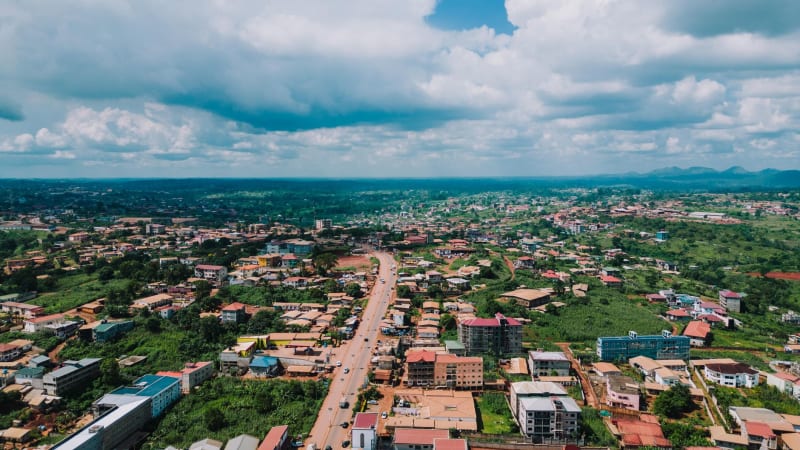 cameroon
 Yaoundé
Cameroon's green, hilly capital moves at half the pace of Douala and holds the country's cultural memory in its quieter corners.
Explore