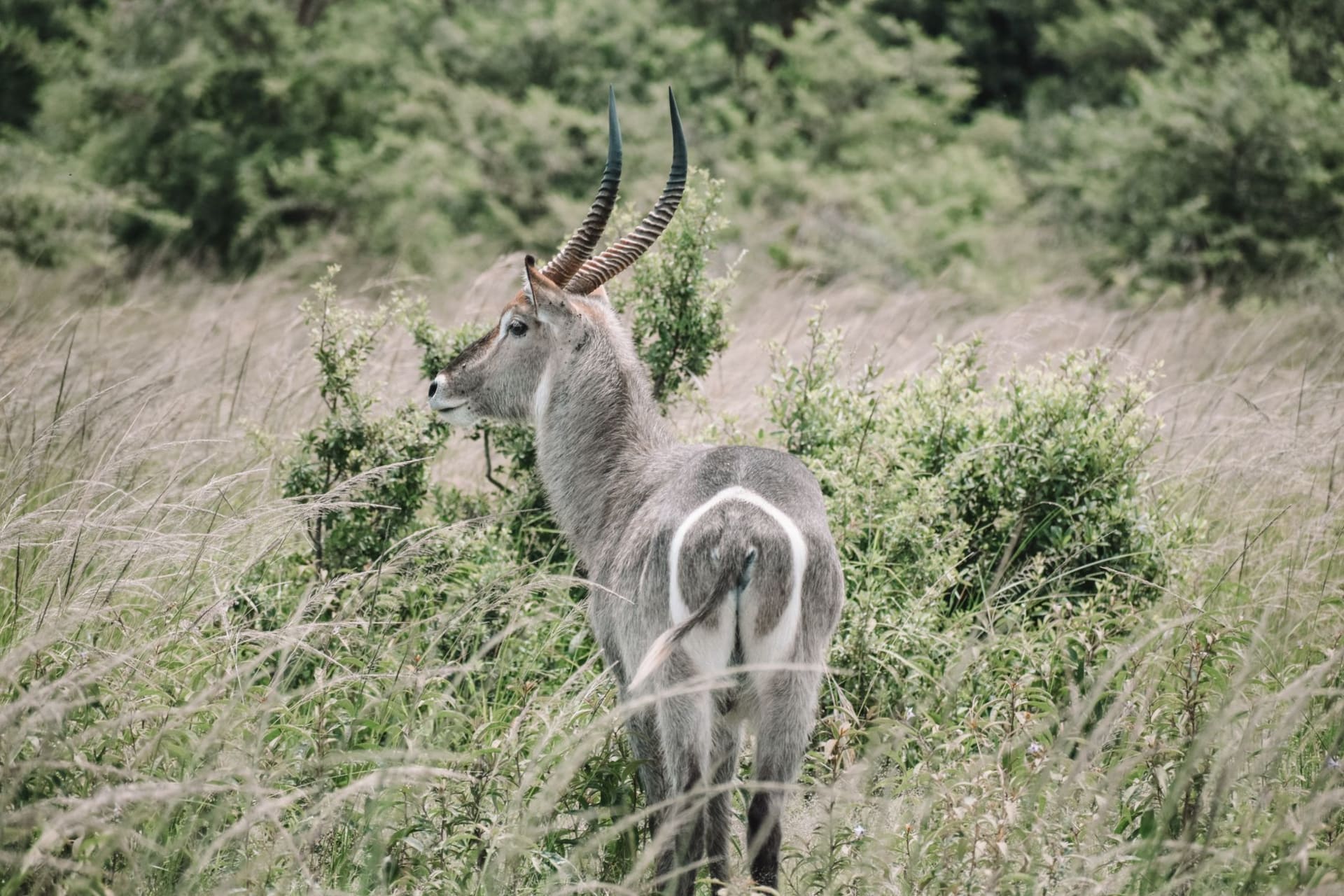
Rusizi National Park
"I heard the hippos long before the boat found them — a wet, guttural sound that has no analogue in anything domesticated."
Where the Rusizi River fans into Lake Tanganyika's northern shore, hippos grunt through papyrus channels and shoebill storks stand motionless in the shallows.

The Rusizi National Park is the kind of wildlife reserve that doesn’t announce itself. From the road north of Bujumbura, it looks like a belt of dense vegetation between the highway and the lake — papyrus and fig trees and the silver glint of water channels threading through the reeds. But you put a wooden pirogue in the water, and within ten minutes the city behind you becomes theoretical, and the delta asserts itself as its own sovereign territory.
I went out at six in the morning with a guide named Désiré who had been working these channels for fifteen years. He pushed the boat with a long pole in the shallow sections, and in the deeper parts used a single paddle with a motion so practiced it barely made a sound. The light was still low and the mist was sitting on the reeds, and the first thing I heard — before I saw anything — was the hippopotamus. Not a single animal but several, their exhalations coming from somewhere in the papyrus to my left: a deep, bubbling grunt, half exhale and half something more primordial. Désiré slowed the boat and we drifted toward the sound.

The hippos came into view around a bend — five adults and what might have been a juvenile, arranged in a pod in a deep pool where two channels met. The big male opened his mouth in what may have been a yawn or a threat display or simply a way of breathing, and the interior was the color of a ripe watermelon and made a sound like a barrel being emptied. Désiré held the boat still with the pole, and we watched for several minutes while they milled in the water. They moved constantly, slowly, like balloons filled with something heavier than air. One surfaced directly beneath where a purple heron had been standing on a root, and the heron lifted away with no urgency whatsoever.
The birdlife is what most ornithologists come for. The delta holds over 500 recorded species, and during the November through January period, migratory birds join the resident population in numbers that make even a modest binoculars worthwhile. Désiré knew them all. He pointed out the malachite kingfisher — smaller than I expected, a jewel with wings — and the African fish eagle that shrieked from a high dead branch in a sound that is Africa’s most recognized audio logo. What I was hoping to see but didn’t was the shoebill: that prehistoric, nearly absurd bird with a bill like a Dutch clog and an expression of absolute prehistoric gravity. Désiré had seen them here this week, he said. They were around.

We stayed on the water for three hours and ate the ugali and fried fish that Désiré’s wife had wrapped in banana leaves before we left. I ate it sitting in the bow of the pirogue, watching a family of warthogs picking their way along the opposite bank in single file, the juveniles’ tails held straight up like small radio antennas. The park is a twenty-minute drive from central Bujumbura. It seems impossible that a city and this exist in such proximity to each other, and then it seems exactly right — that nature in Africa doesn’t always retreat politely to the periphery but simply occupies what it occupies.
When to go: The dry season (June to August) drops the water level in some channels, concentrating wildlife and making hippo encounters more predictable. November through January is the best birding period, with migrants swelling the numbers. The park is accessible year-round; morning trips before 9am offer the best light, the lowest temperatures, and the most animal activity.
Keep exploring
More from Burundi
 burundi
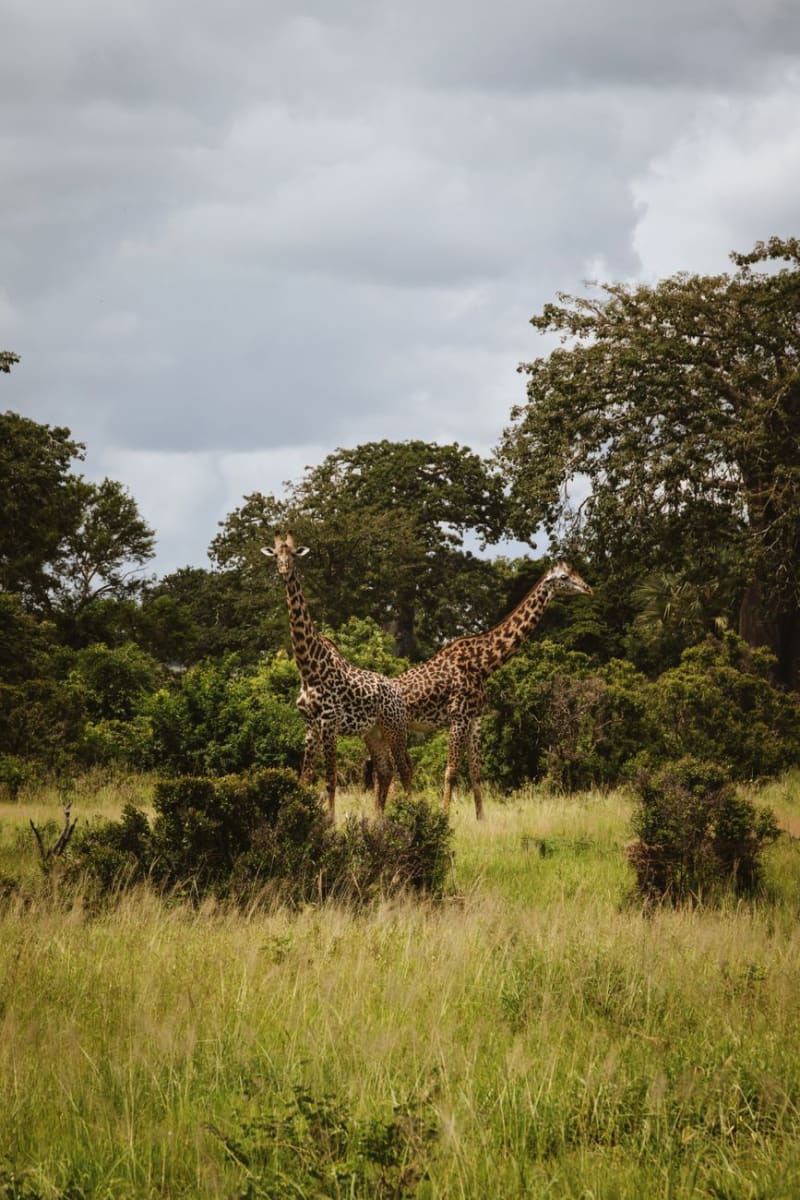
 Ruvubu National Park
Burundi's largest protected wilderness, a green corridor of savanna and gallery forest following the river that some claim is the true source of the Nile.
Explore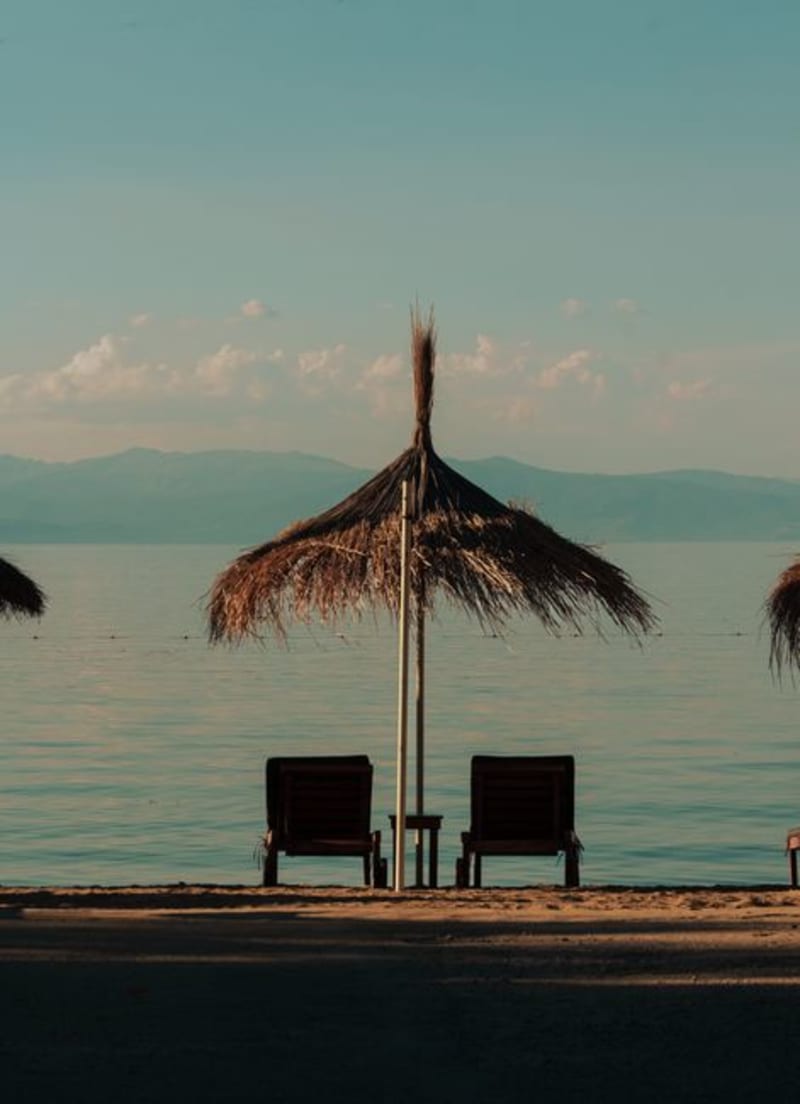 burundi
 Saga Beach
A stretch of warm, calm sand on Lake Tanganyika where Bujumbura comes to unwind, just minutes from the capital's chaos.
Explore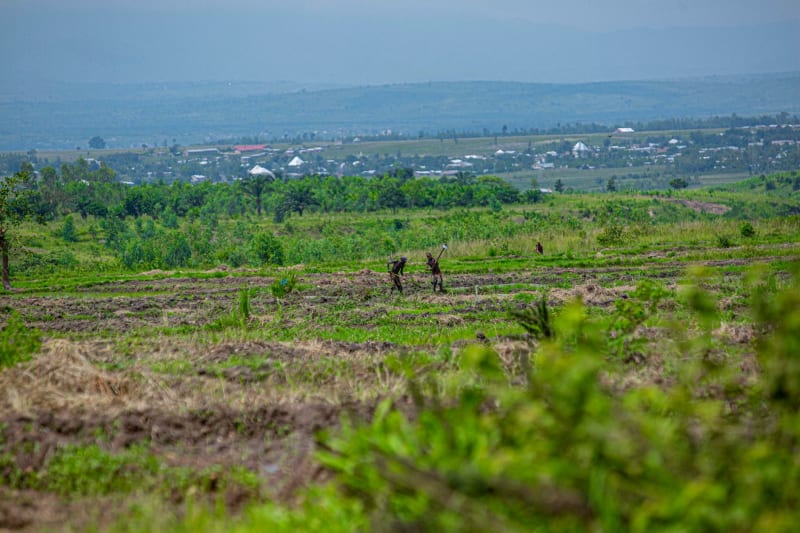 burundi
 Source du Nil
Near the village of Rutovu in Burundi's highlands, a pyramid marks what explorers once claimed as the Nile's southernmost source — and the claim is stranger and more compelling than it sounds.
Explore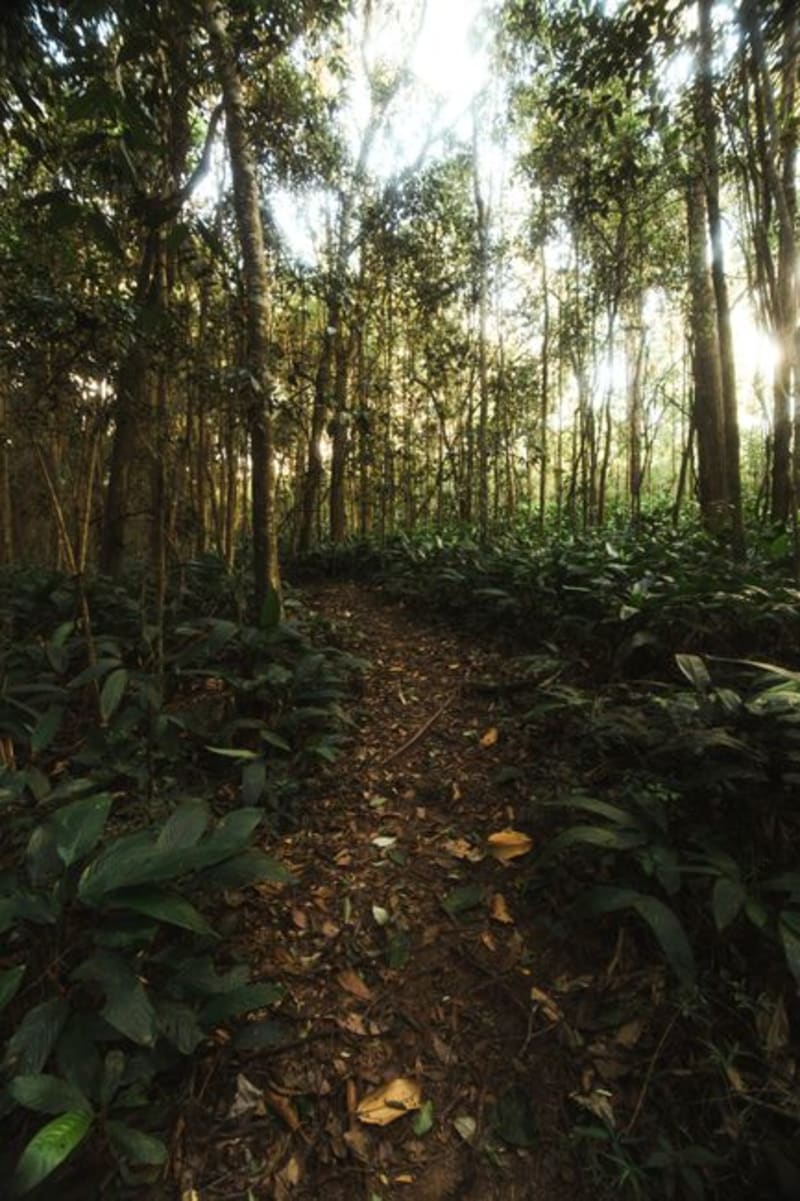 burundi
 Vyanda Nature Reserve
A steep pocket of Albertine Rift forest above Lake Tanganyika, where unhabituated chimpanzees still call from the canopy.
Explore burundi
 Bujumbura
A lakeside capital where cold Primus beer, midnight brochettes, and the impossible blue of Tanganyika make you forget the world's indifference to this place.
Explore burundi
 Gishora Drum Sanctuary
On a sacred hill outside Gitega, Burundi's royal ingoma drums are kept alive by a lineage of drummers who have never confused performance with practice.
Explore