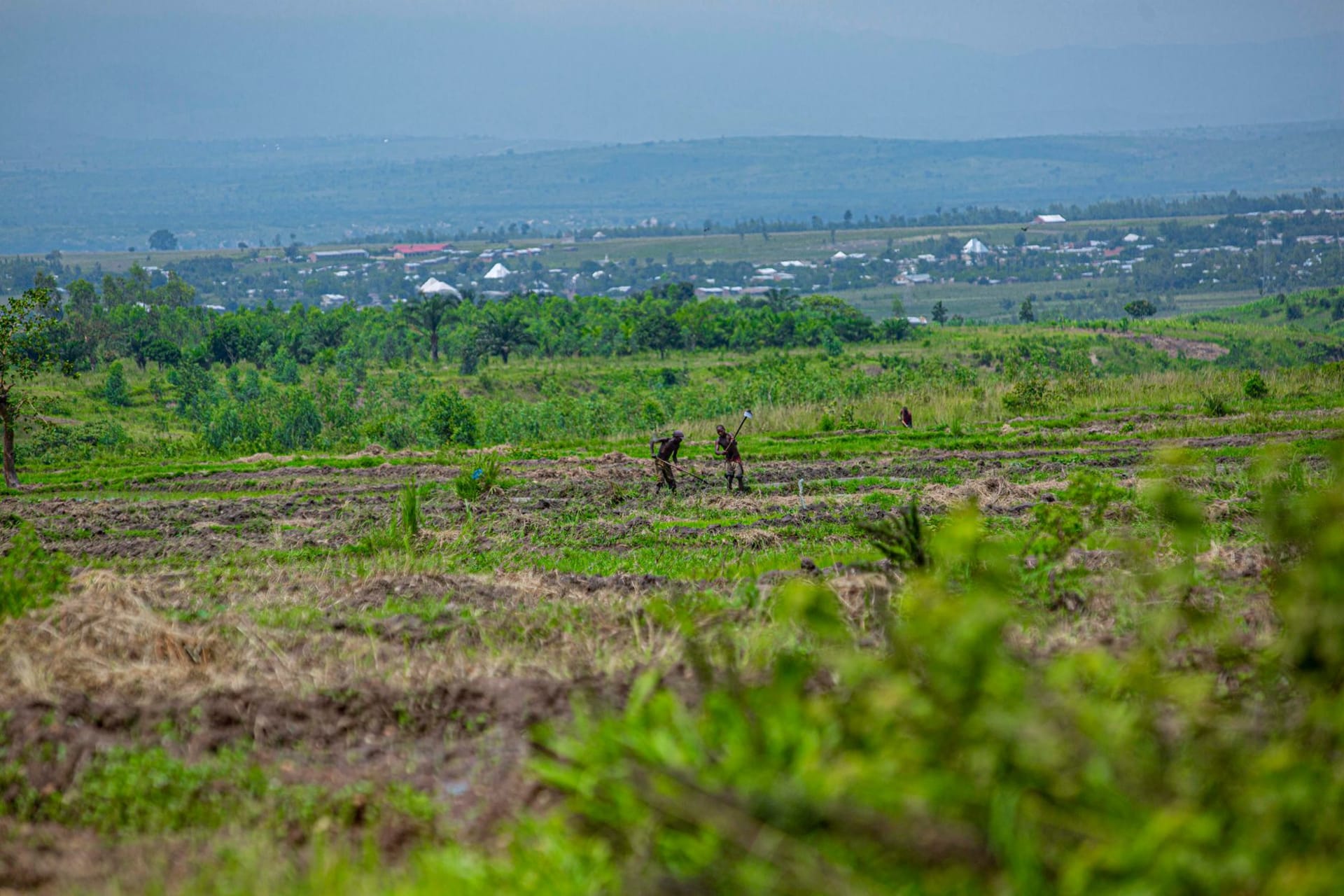
A lakeside capital where cold Primus beer, midnight brochettes, and the impossible blue of Tanganyika make you forget the world's indifference to this place.

I arrived in Bujumbura from Nairobi on a prop plane that banked low over the lake before landing, and even from altitude the color of Tanganyika was wrong — too saturated, too blue, more ocean than any inland body of water has the right to be. By the time I’d cleared the compact terminal and found a taxi, the sun was already cutting low across the water, and the driver took the lakeside road without me asking, as if he knew that’s what any new arrival needed to see first.
The Cercle Nautique is where expats and Bujumbura’s middle class gather at dusk — a low-slung club right on the pebbled shore, with plastic chairs arranged to face the water and a bar serving cold Primus in glass bottles that sweat immediately in the humidity. I ordered one and sat there for a long time doing nothing in particular. A man fished alone from a rocky outcrop fifty meters out. Three children chased each other through the shallows screaming with pleasure. Across the water, the hills of the Democratic Republic of Congo were a dark green mass slowly going purple in the fading light. The scale of what I was looking at — the lake is nearly 700 kilometers long, and you’re always aware of it — felt disproportionate to the small ordinary happiness of sitting there with a beer.

The city itself is compact, low-rise, and unexpectedly leafy. The central market at Buyenzi operates at a pitch that takes a minute to calibrate to — vendors calling, fabric bolts stacked eight feet high, the sharp smell of dried fish and peppers mixing with diesel from the boda-bodas threading through traffic. Nobody’s there to perform anything for anyone. The price I paid for tomatoes was the same price my neighbor in the market paid. A man at a phone repair stall was watching a football match on a small screen propped against a motorcycle battery. A woman sewing alterations looked up, assessed me briefly, and returned to her machine. I’ve been in African markets that have learned how to absorb a foreign gaze; Buyenzi hasn’t needed to.
The food that made me happiest was the simplest: brochettes of goat meat from a roadside grill on Avenue du Large, eaten standing up at eleven at night while a generator hummed somewhere behind the stall. The meat was charred on the outside, yielding in the middle, and served with a chili oil so red it looked like lacquer. I washed it down with a Fanta Citron that had been sitting in a cooler of ice water, and it was so cold and so citric it made my jaw ache. The ndagala — those tiny silver fish from the lake, deep-fried until crispy — showed up at nearly every meal, in soups, piled on rice, eaten as a snack from a folded newspaper cone. I grew unreasonably fond of them.

What stays with me about Bujumbura is not any single monument or attraction — there aren’t many in the conventional sense — but rather the quality of being in a city that hasn’t quite been claimed by the global idea of what a city should feel like. There’s no rooftop cocktail bar designed for Instagram. There’s no heritage trail mapped in English. What there is: a lake of astonishing beauty at the end of every west-running street, grilled meat going at midnight, music drifting from somewhere always just out of reach, and the sense that you are witnessing something alive and unstageable.
When to go: June through August brings the clearest skies and the lowest humidity — evenings at the lakefront become genuinely magical, and the heat is manageable rather than punishing. The shorter dry window of December to January also works well. Avoid April and May when heavy rains flood some roads and the lake turns turbid with runoff.
Keep exploring
More from Burundi
 burundi
 Gishora Drum Sanctuary
On a sacred hill outside Gitega, Burundi's royal ingoma drums are kept alive by a lineage of drummers who have never confused performance with practice.
Explore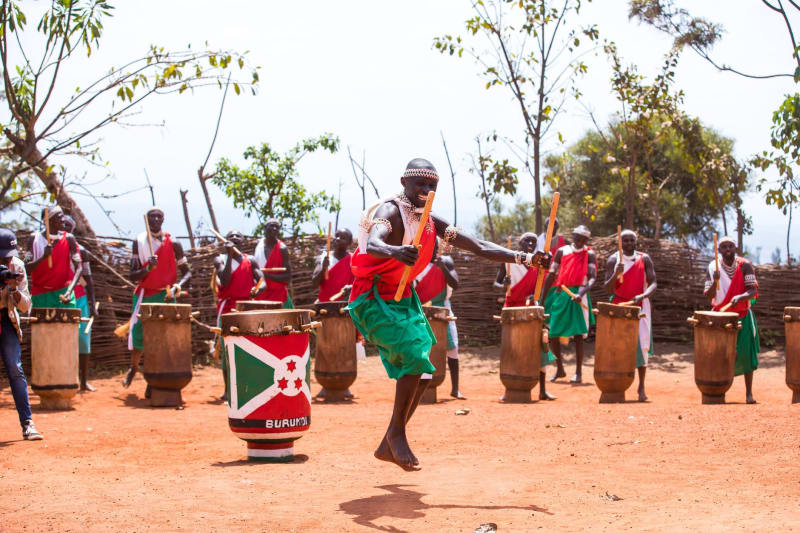 burundi
 Gitega
Burundi's administrative capital sits among highland hills where the national museum holds royal drums that still carry the weight of a kingdom.
Explore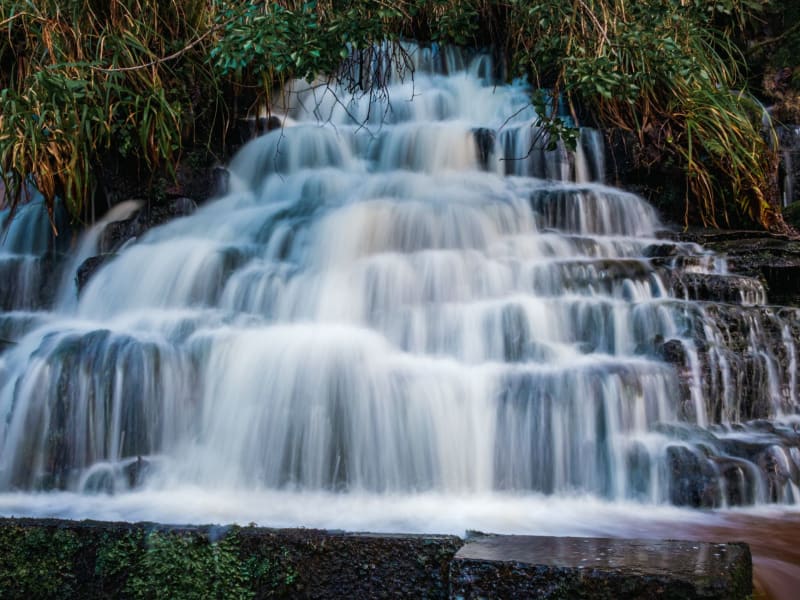 burundi
 Karera Waterfalls
Deep in Burundi's southeastern highlands, four falls of extraordinary force crash through black rock into a canyon that the rainforest barely lets light into.
Explore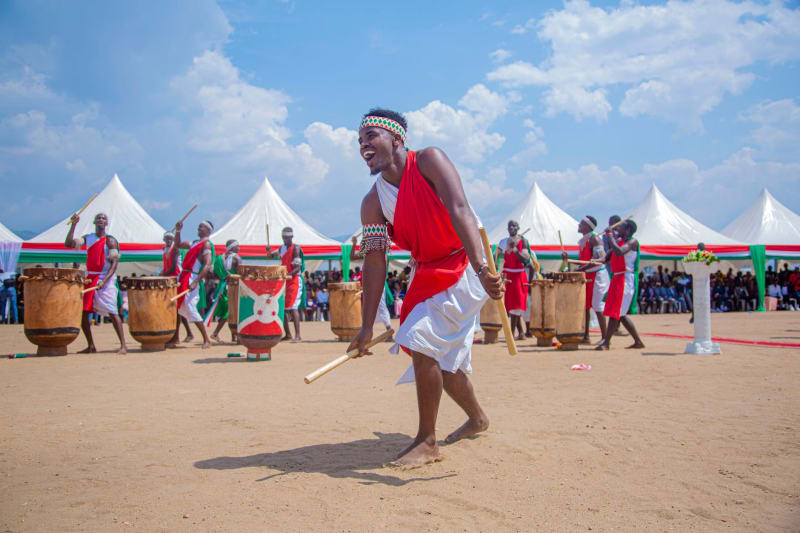 burundi
 Kayanza
Burundi's cool coffee highlands where red-berried trees terraced up steep hillsides produce some of East Africa's most underrated beans, and the air smells like it.
Explore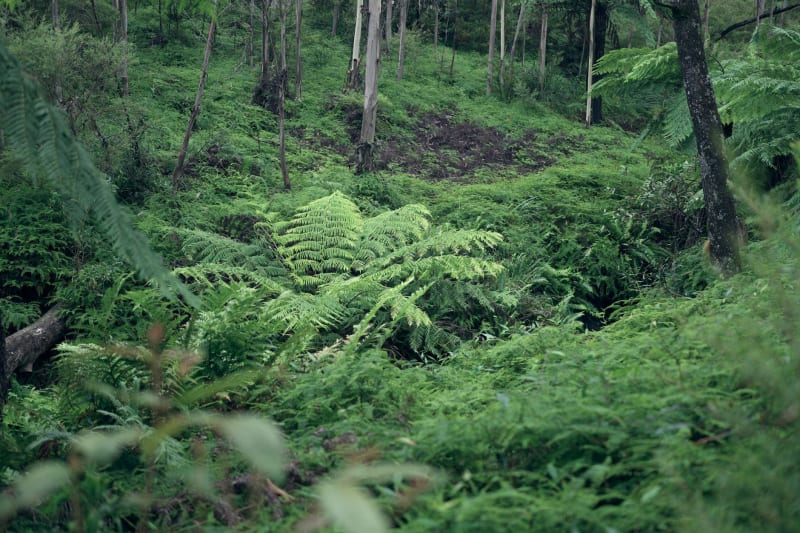 burundi
 Kibira National Park
Central Africa's largest montane rainforest drapes Burundi's northwest ridgeline in permanent mist, chimpanzees, and a silence so thick it feels structural.
Explore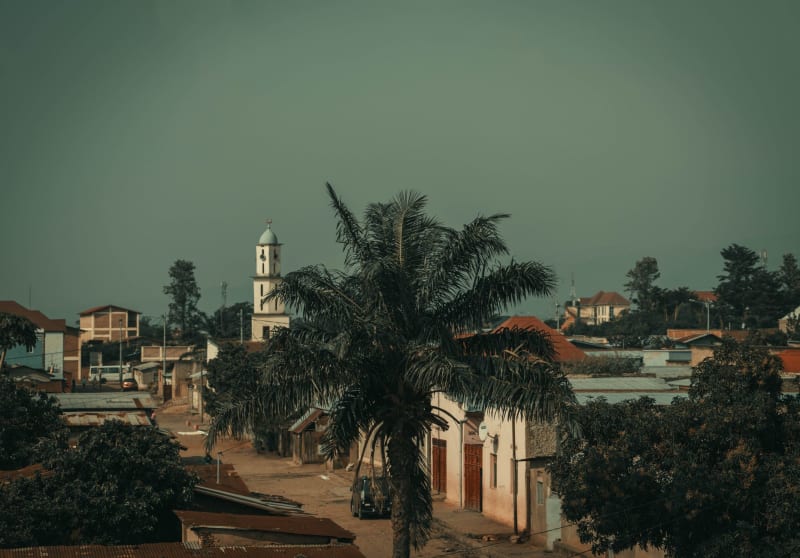 burundi
 Makamba
Burundi's southernmost province capital sits on a high plateau where trade routes from Tanzania and Congo converge and almost nobody from outside the region passes through.
Explore