Makamba
"At the edge of Burundi, the country thins out into something quieter, and the border feels like a rumor."
Burundi's southernmost province capital sits on a high plateau where trade routes from Tanzania and Congo converge and almost nobody from outside the region passes through.

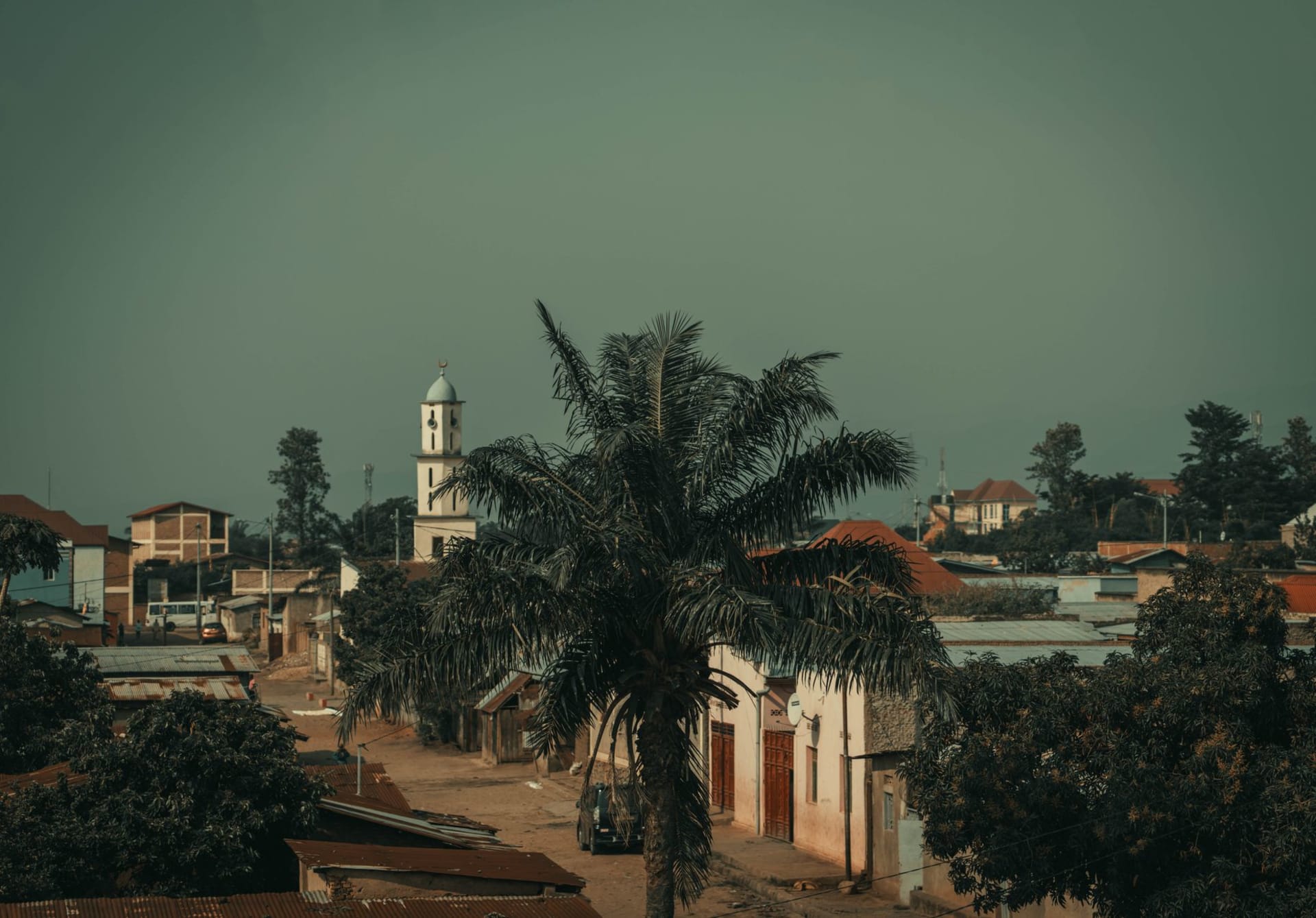
Makamba is the kind of place travel writing ignores because it doesn’t have a single obvious thing — no waterfall, no wildlife reserve immediately adjacent, no colonial monument, no UNESCO listing. What it has is a position: the principal town of Burundi’s southernmost province, sitting on a plateau at around 1,300 meters where the country approaches Tanzania, and a quality of life that is entirely, authentically its own. I went there on a hunch and a bus ticket and ended up staying longer than I planned.
The bus from Nyanza-Lac to Makamba takes the escarpment road, which climbs dramatically from the lakeshore into highlands that quickly shed the banana-tree density of the littoral zone and open into a drier, more horizontal landscape. The plateau around Makamba has a different quality of light from the rest of Burundi I’d seen — cleaner, more angular, the shadows sharper. The market town itself is compact, organized around a central bus station that doubles as a social hub in the hours when transport is running, and three or four main streets of shops selling the same mixture of goods that all Burundian market towns sell, except here with some additional items that come across from Tanzania — spices, fabrics, small electronics with Tanzanian packaging.
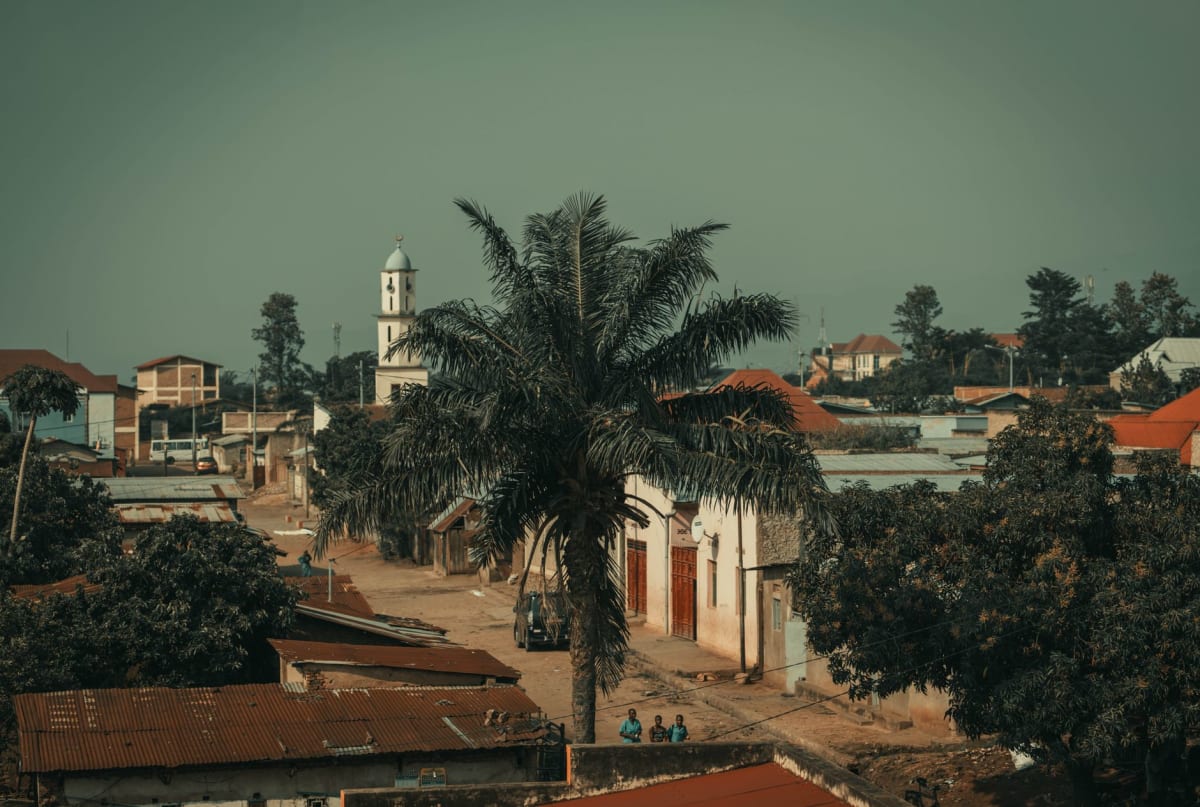
What interested me about Makamba was the cross-border feel of the place. Swahili was more present here than anywhere else in Burundi I’d been — not replacing Kirundi, but coexisting with it, especially among the traders. A Tanzanian truck driver at a guesthouse explained the route to me over a shared plate of beans: goods came up from Tanzania, went through Makamba, dispersed north through Burundi toward Gitega and Bujumbura. The flow moved in the other direction too — Burundian coffee, some agricultural produce, labor. The border, about forty kilometers southeast, wasn’t a wall. It was a gradient.
I spent an afternoon at the livestock market that operates on the southern edge of town on certain days of the week — cattle and goats brought in from the surrounding countryside, buyers and sellers conducting their negotiations in the particular shorthand of men who have been buying and selling from each other for years. The animals were well-fed and calm; the buyers walked among them with an assessing look that I recognized as the same look farmers wear everywhere. A goat was sold while I watched: price established by three minutes of conversation, money passed, animal led away. The whole transaction had the efficiency of something done ten thousand times before.
In the evenings Makamba quietened quickly — earlier than Bujumbura, earlier even than Gitega. By eight PM the main street had a handful of tea shops open, men sitting outside on plastic chairs under the light of single bulbs, and a couple of bars with music that came out of small Bluetooth speakers balanced on tables. The lack of any tourist infrastructure meant there was no translated menu, no wifi promised on a sign, no English to retreat into. I ordered by pointing and drank whatever beer was cold and felt, for a few evenings, like a person in a place rather than a traveler with a program.
When to go: Makamba is accessible year-round; the plateau climate is drier and more consistent than Bujumbura. June through August offers the clearest conditions. It works best as a stop on a circular route through southern Burundi — Nyanza-Lac to Makamba to Rutana (for the Karera waterfalls) and back north to Gitega covers the region’s highlights without retracing the same road.
Keep exploring
More from Burundi
 burundi
 Nyanza-Lac
A drowsy southern lakeside town where the fishing pirogues go out before dawn and life is organized around Tanganyika's rhythms rather than any capital's timetable.
Explore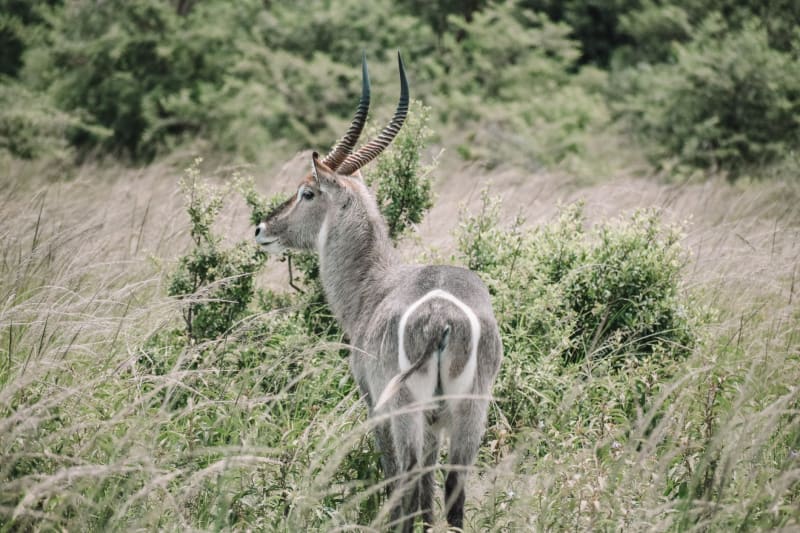 burundi
 Rusizi National Park
Where the Rusizi River fans into Lake Tanganyika's northern shore, hippos grunt through papyrus channels and shoebill storks stand motionless in the shallows.
Explore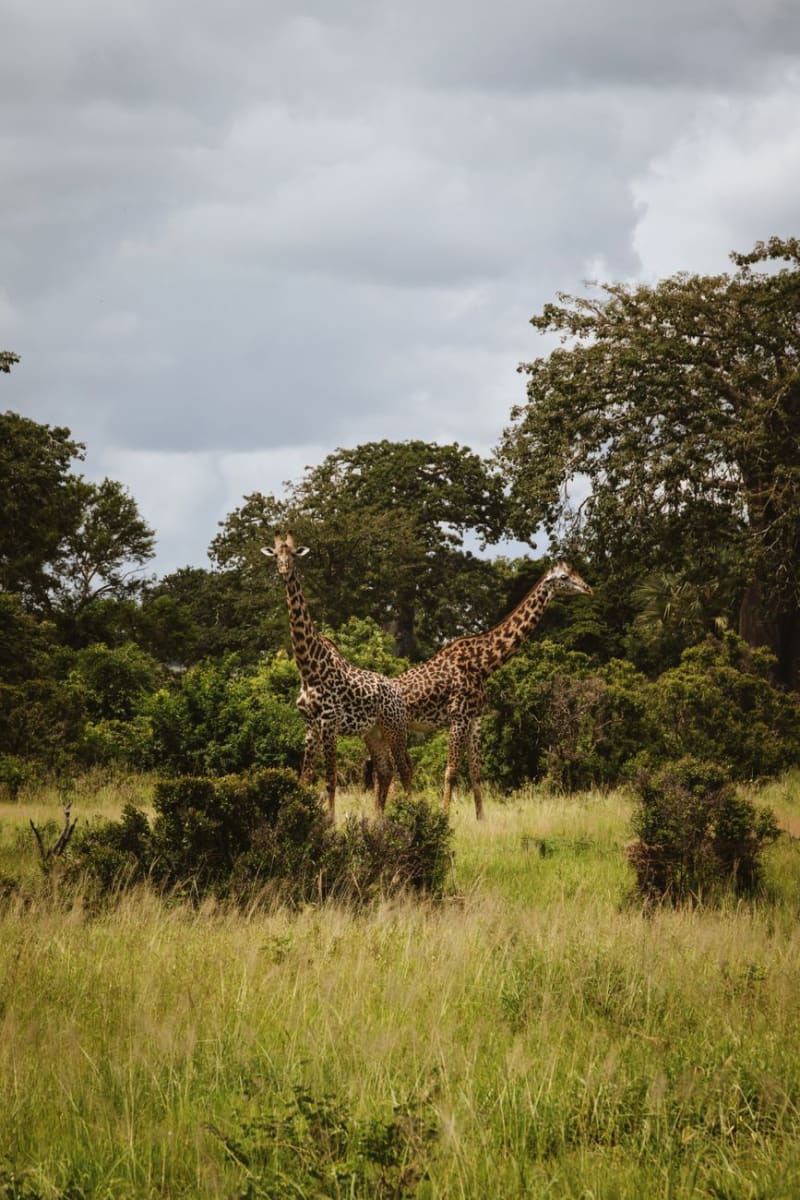 burundi
 Ruvubu National Park
Burundi's largest protected wilderness, a green corridor of savanna and gallery forest following the river that some claim is the true source of the Nile.
Explore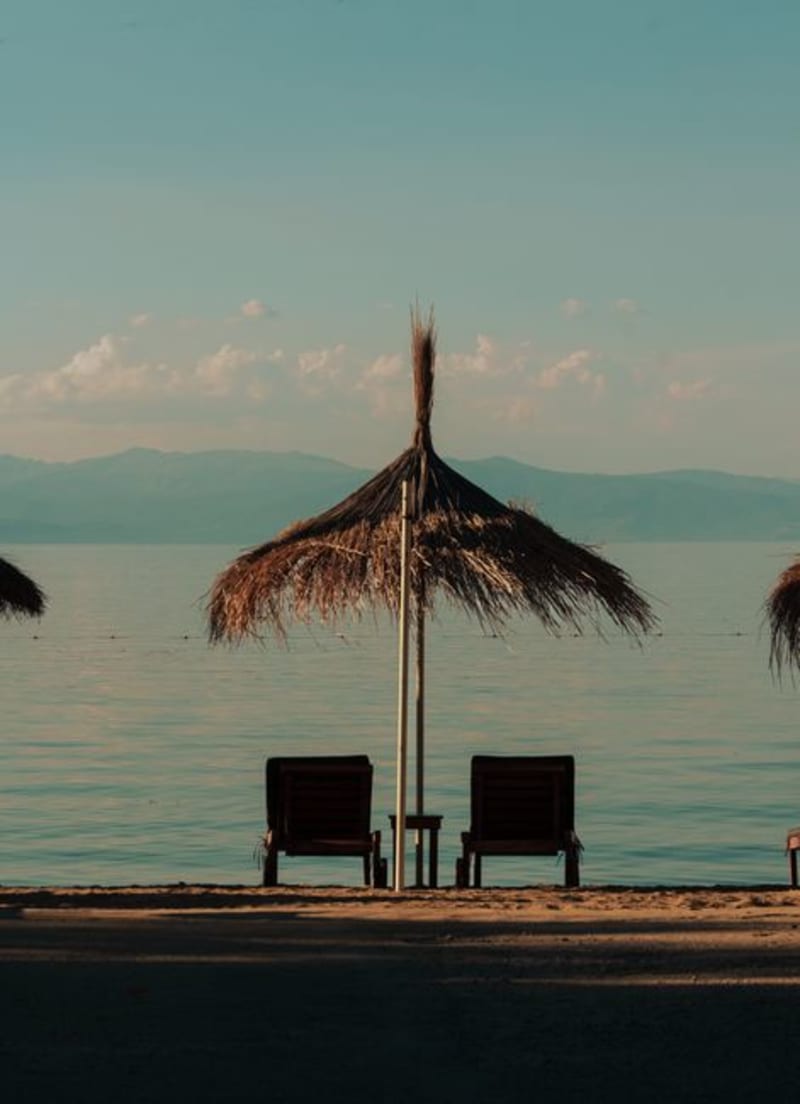 burundi
 Saga Beach
A stretch of warm, calm sand on Lake Tanganyika where Bujumbura comes to unwind, just minutes from the capital's chaos.
Explore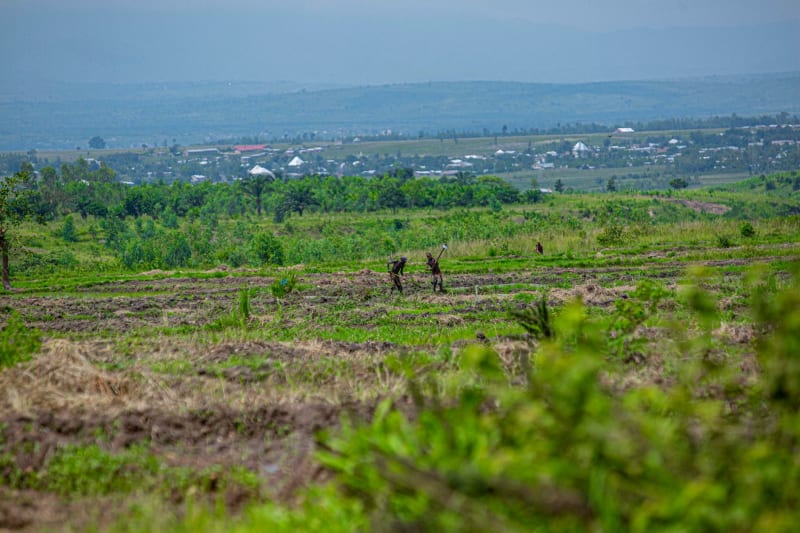 burundi
 Source du Nil
Near the village of Rutovu in Burundi's highlands, a pyramid marks what explorers once claimed as the Nile's southernmost source — and the claim is stranger and more compelling than it sounds.
Explore burundi
 Vyanda Nature Reserve
A steep pocket of Albertine Rift forest above Lake Tanganyika, where unhabituated chimpanzees still call from the canopy.
Explore