
Nuits-Saint-Georges
"Nuits-Saint-Georges was never the glamorous one. It just kept being good, year after year, and now everyone comes around eventually."
The D974 runs straight through Nuits-Saint-Georges, which gives the town a slightly blunt character — it is a working-road town, not a tourist-cobblestone one. Trucks pass. Tractors during harvest. The town does not arrange itself prettily for photographs. This is one of the things I like about it. The Côte d’Or is full of places performing their own charm, and Nuits-Saint-Georges — larger than most of the wine villages, a proper market town with a butcher and a pharmacy and a brasserie where workers eat lunch — is refreshingly indifferent to the performance.
The wines of Nuits-Saint-Georges have had an odd trajectory. In the nineteenth century they were the most fashionable pinot noirs in Burgundy — exported to Britain and Russia in enormous quantities, the preferred red of the Russian tsars, famously recommended by Louis XIV’s physician as a health cure. Then Gevrey-Chambertin and Vosne-Romanée attracted the critics, the collectors, the stratospheric prices. Nuits-Saint-Georges never got a grand cru — a matter of long-running dispute — but its premiers crus are numerous and the best of them, the Les Saint-Georges parcel in particular, are as compelling as almost anything made on the slope. The wines are robust and a little animal, with more tannin than the silky Vosne wines to the north. They take longer to open. They reward patience rather than display.
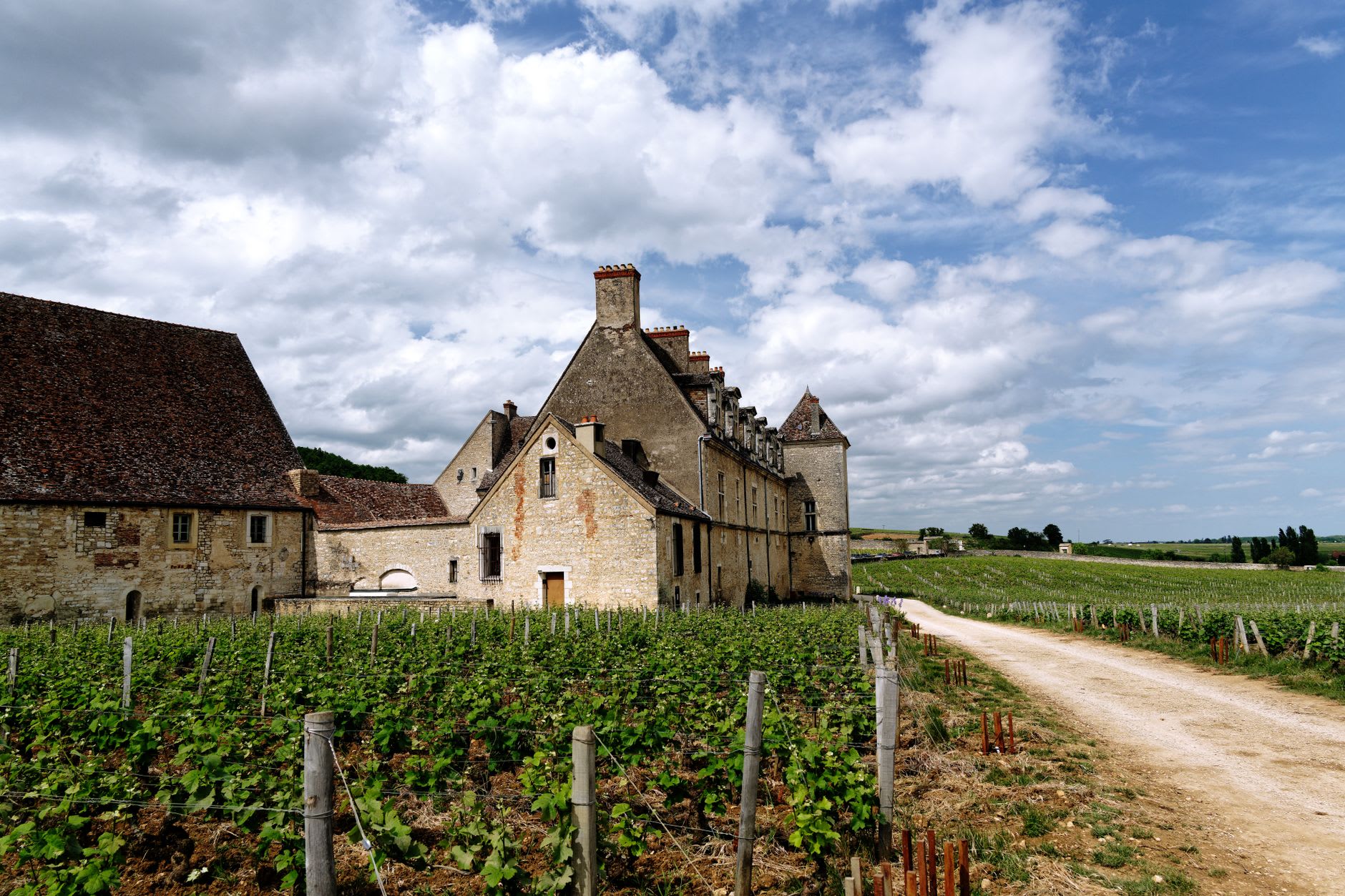
I spent two nights at a small chambre d’hôte run by a vigneron family — one of those arrangements where breakfast is bread and jam and coffee and also sometimes a glass of whatever they opened the night before, because it is that kind of house. The vigneron himself, a compact man in his fifties with extremely calloused hands and a dry sense of humor, took me into the cellar after dinner on the second evening. He pulled barrels open with a wine thief, letting me nose the juice at different stages of fermentation. The 2022 in the barrel smelled of ripe cherry and something darker beneath — he said he thought it would take eight years. He was matter-of-fact about this, the way farmers are matter-of-fact about everything that takes time.
The archaeological museum in the town centre is an undervisited pleasure — excavations here found a Roman settlement of some significance, and the objects on display (bronze figurines, surgical instruments, a carved stone representing a Gallo-Roman goddess) sit in quiet cases and remind you that people have been farming this valley in serious ways for a very long time. The Romans brought wine. The monks refined it. The vignerons inherited it. There is a continuity here that the wine itself somehow expresses, which is either the most romantic or the most pretentious thing I could say about a bottle, and I choose to believe it anyway.

For dinner I went to a restaurant on the main road — a place that has existed, with various owners, for decades. The menu was short: jambon persillé, oeuf en meurette, a choice of two main courses. I had the oeuf en meurette — poached eggs in a reduction of red Burgundy with lardons and mushrooms and croutons — and it tasted exactly like the place and the season.
When to go: September harvest is vivid and energetic. The town’s Saturday market is worth building a weekend around. The winter months are quiet but not lifeless — the cellars are busy with the new wine, and the producers are more available and less harried than during harvest season.