Europe
Burgundy
"The place that finally made me understand what all the fuss about wine was."
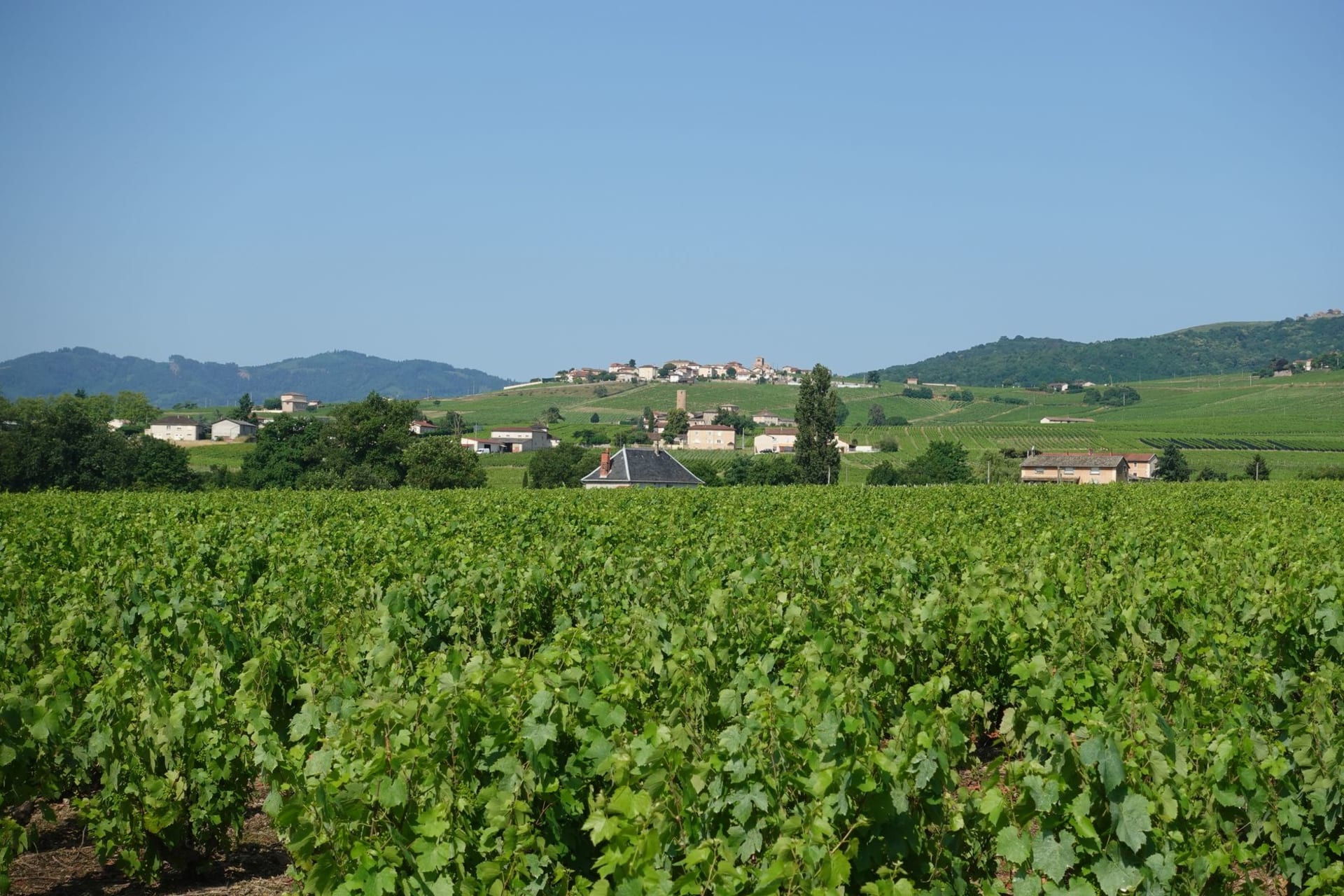
I first drove into Burgundy on a September morning, the Côte d’Or just beginning to turn — vines going amber at the edges, the light low and thick over the hillsides, and the smell of harvest already in the air. I had come expecting a wine region. What I found was a landscape so deliberately tended over so many centuries that it felt less like nature and more like an argument — a long, patient argument that place matters, that a few hundred meters of slope and soil and sun exposure can produce wines that taste categorically different from those made just across the road. Burgundy makes that argument convincingly.
The route down the Côte d’Or is one of the great slow drives in France. Nuits-Saint-Georges, Gevrey-Chambertin, Pommard, Meursault — the villages unremarkable in themselves, tucked tight along the D974, but each name carrying enormous weight for anyone who has spent time with the wines. The vineyards press right up to the road. In many cases, you can reach out the window and touch the vines that produce bottles costing several hundred euros. I pulled over repeatedly. I walked rows. I tried to understand what I was looking at. Mostly I failed, but it was instructive failing. In Beaune, I ate poulet à la crème at a restaurant without a single word of English on the menu, and the wine list was longer than the food menu, as it should be. The époisses cheese that arrived at the end smelled catastrophically strong and tasted of the countryside itself.
The lesser-known Côte Chalonnaise and Mâconnais to the south offer the same rhythms at a fraction of the price and tourist density. The abbey at Cluny sits improbably in the middle of agricultural Burgundy — the ruins of what was once the largest church in Christendom now bookended by a small town that seems mildly embarrassed by the scale of its own history. I spent an afternoon there and had the place nearly to myself.
When to go: September and October, without question. The vendange — the grape harvest — brings activity to every village. The vines are at their most spectacular. The air has turned. Everything smells of fermentation in the best possible way. May and June work well too, when the vines are budding and the summer crowds haven’t arrived.
What most guides get wrong: They treat Burgundy purely as a wine tourism destination, which makes it feel transactional. The vignerons who open their caves for tastings are farmers first — serious, often taciturn, deeply attached to specific parcels of land their families have worked for generations. Come as a curious guest, not a consumer. Ask about the weather that year, about the soil, about how the plots differ. The conversation that opens up is the real reason to come.