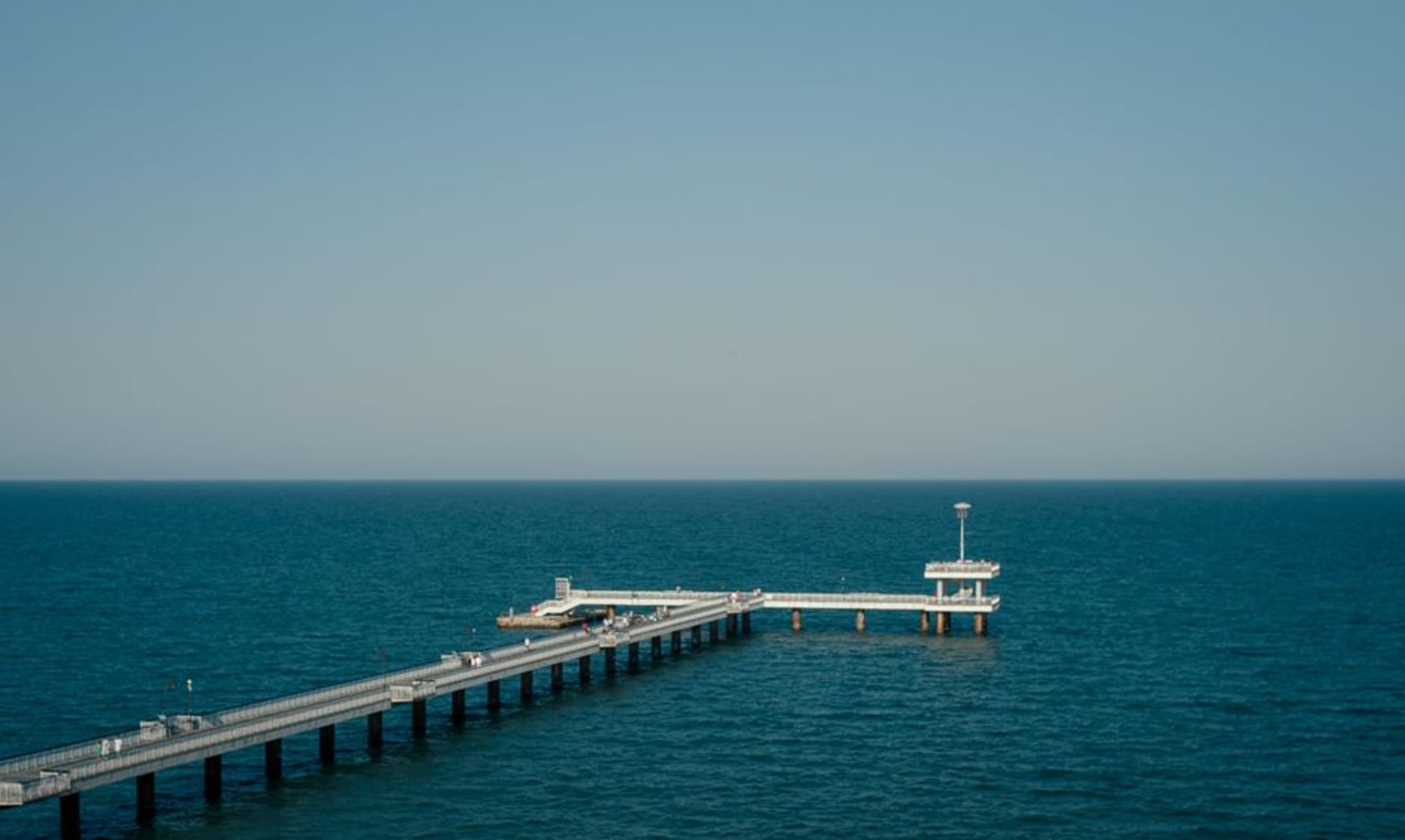
Burgas
"I came to Burgas for the sea and left obsessed with a swamp full of pink flamingos."
A Black Sea port city where salt lakes crowd right up against the boulevards, and pelicans outnumber tourists most mornings.

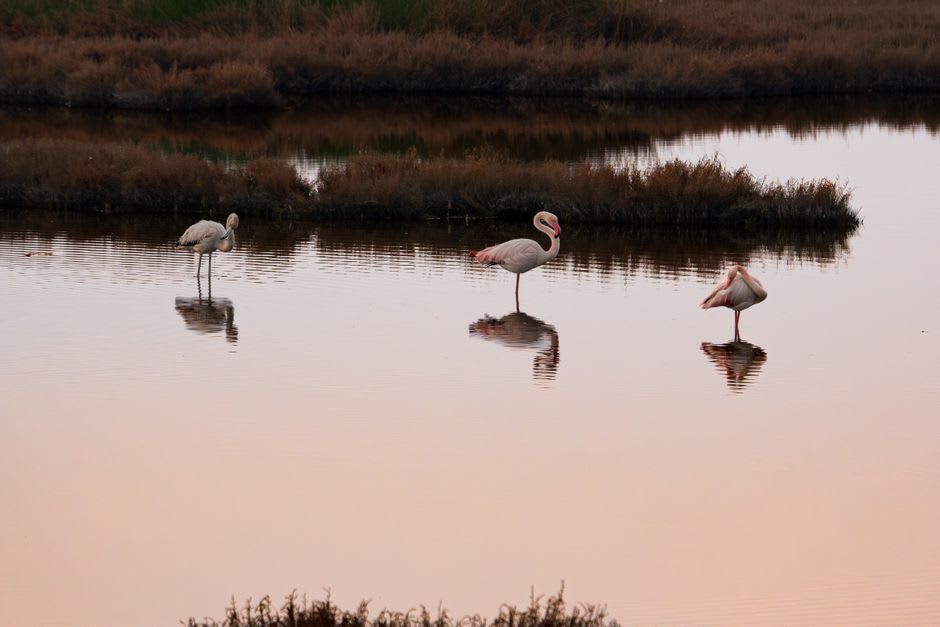
I’ll be honest, I didn’t expect much from Burgas. On the map it looked like a working port town you pass through on the way to the nicer beaches south, and for the first hour that’s exactly what it felt like — container cranes, a slightly tired bus station, the smell of diesel. Then Lia dragged me out to Lake Atanasovsko, one of the wetland lakes that ring the city, and the whole trip flipped. We stood on a boardwalk with binoculars we’d borrowed from our guesthouse, and the water was streaked pink with brine shrimp and, further out, actual flamingos. I hadn’t even known Bulgaria had flamingos. Neither had Lia, and she grew up two hours from here.
Burgas sits on a spit between the sea and three separate lake systems — Atanasovsko, Vaya, and Mandra — which together make it one of the best birdwatching corridors in Europe, right on the Via Pontica migration route. We didn’t plan the trip around birds at all, but once you’re there it’s hard to avoid them; herons stand around like they own the marinas, and in autumn the sky over Poda reserve genuinely fills with soaring raptors heading south. I’m not a birder. I still spent forty-five minutes photographing a spoonbill.
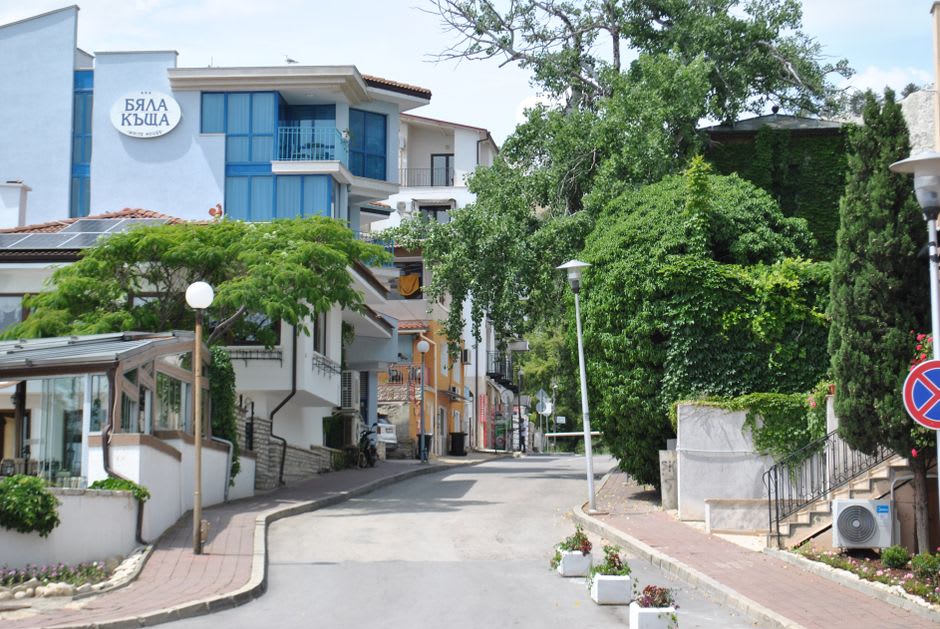
The town itself grew on me slower but just as surely. Burgas has this pedestrianized main drag, Alexandrovska, lined with plane trees and Belle Epoque buildings that have clearly seen better decades but still have real bones — wrought iron balconies, faded pastel façades. We ate at a place near the Sea Garden park where the waiter brought us grilled sprat and a jug of house wine without really asking, and it turned out to be one of the best cheap meals of the whole Bulgaria trip. The Sea Garden park itself, running along the clifftop above the beach, has this slightly overgrown, unfussy charm — old men playing chess under the trees, teenagers on scooters, nobody performing for anyone.
What I keep coming back to, though, is how strange it is that a functioning industrial port shares a postcode with a Ramsar-protected wetland. You can watch container ships on the horizon and Dalmatian pelicans in the foreground in the same panning shot. Lia said it reminded her of certain corners of the Gulf coast back home — that same collision of heavy industry and improbable wildlife nobody quite explains to you until you’re standing in it.
When to go: Visit in April-May or September for peak bird migration and mild weather; July-August brings the best beach weather but the lakes get less interesting as water levels drop.
Keep exploring
More from Bulgaria
 bulgaria
Koprivshtitsa
A mountain town of painted timber houses where Bulgaria's 1876 uprising began with a single shot fired off a stone bridge.
Explore bulgaria
Melnik
Bulgaria's smallest town sits at the bottom of a valley carved through sandstone pyramids near the Greek border, producing a local wine that's been exported since the medieval period and a silence so complete it's almost audible.
Explore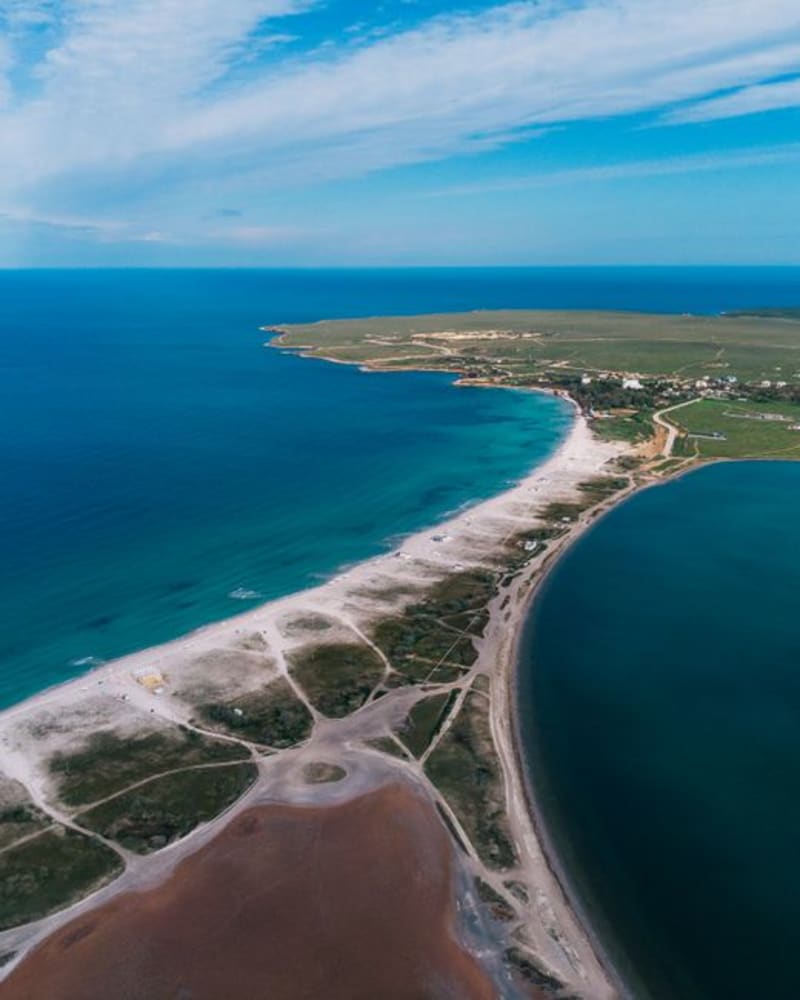 bulgaria
Nessebar
A UNESCO-listed peninsula town of Ottoman wooden houses and ruined Byzantine churches on Bulgaria's Black Sea coast.
Explore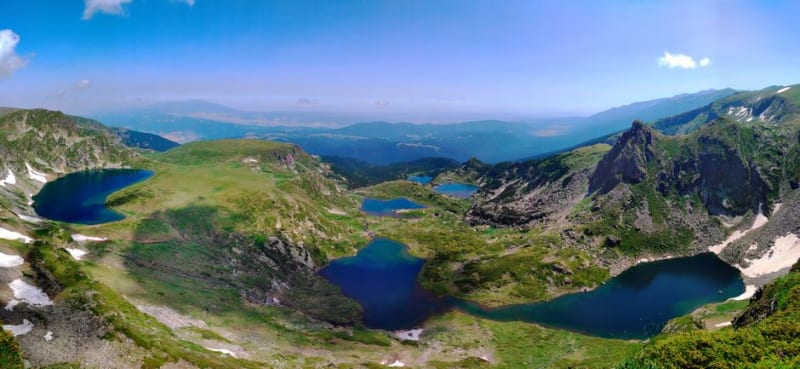 bulgaria
Pirin National Park
Granite peaks and glacial lakes rising sharply above Melnik's vineyards, quieter and rawer than Bulgaria's better-known Rila range.
Explore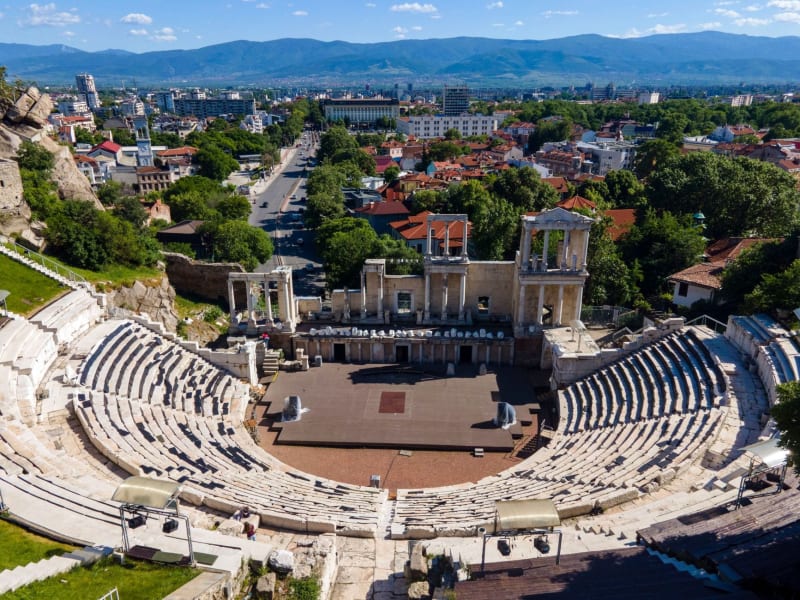 bulgaria
Plovdiv
Built across seven hills and settled since the Neolithic era, Bulgaria's second city is a canvas of Roman theatres and colorful revival houses.
Explore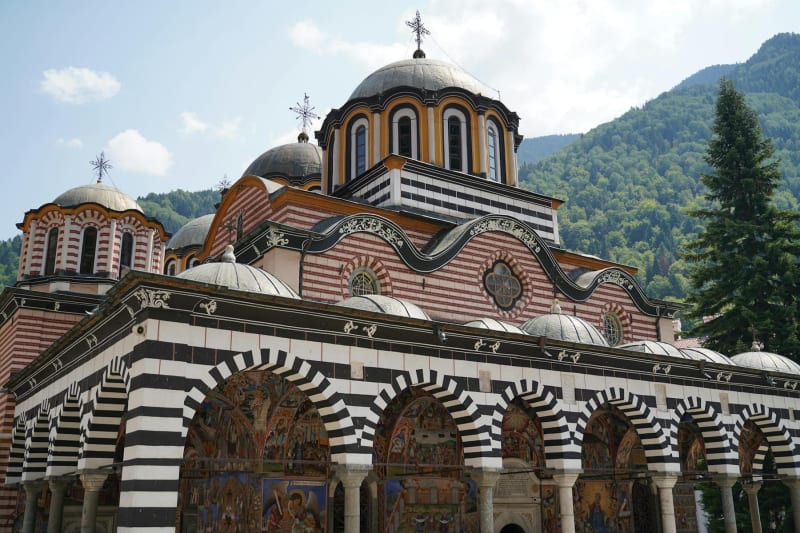 bulgaria
Rila Monastery
Nestled in forested mountain gorges, Bulgaria's spiritual heart blazes with striped arches and frescoes that stun even the most secular visitor.
Explore