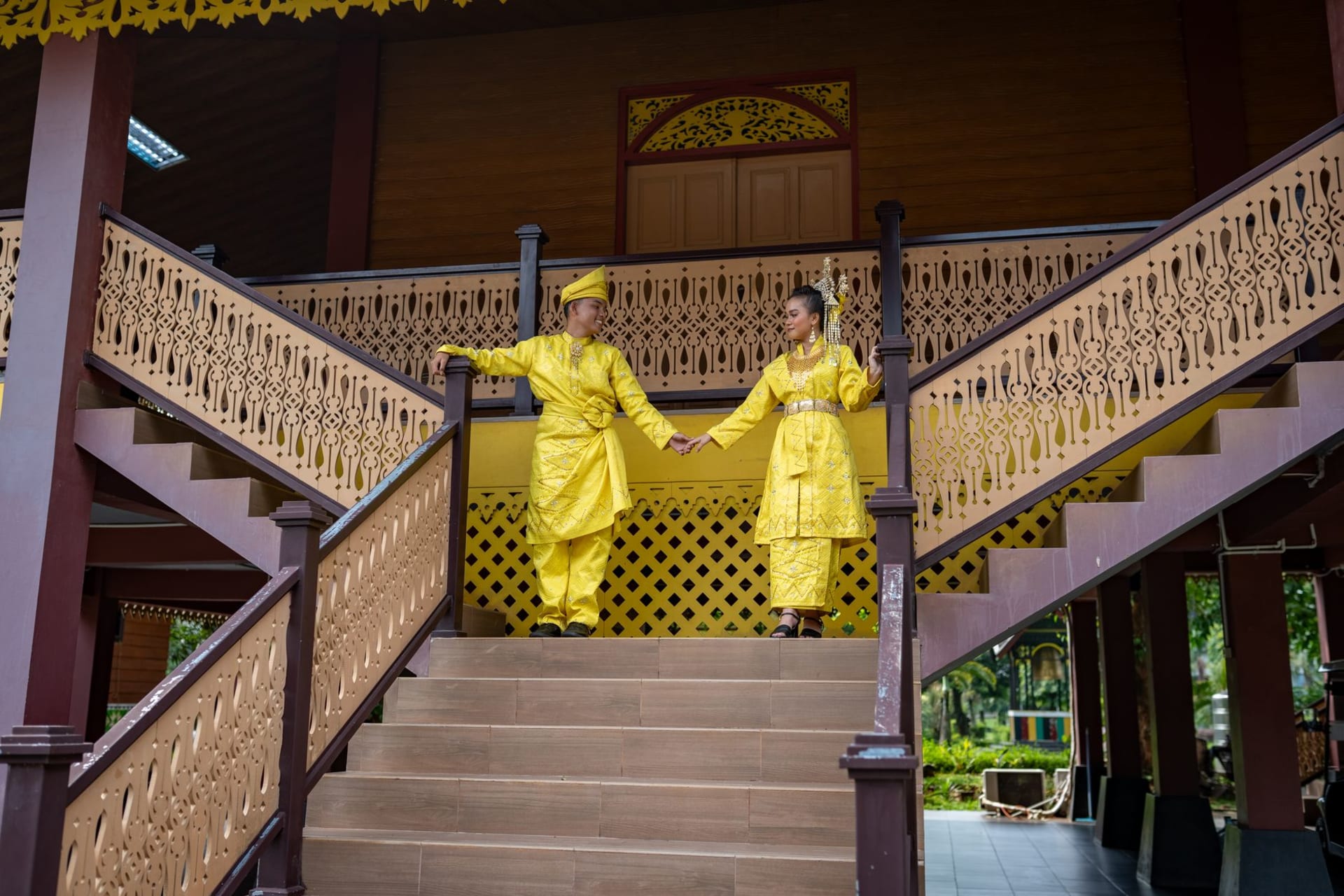
Seria
"The smell of crude oil at sunset, and the strange beauty of a place that traded its beach for a fortune."
The oil town that built a sultanate — where nodding donkey pumps still work the fields and a company town's ghost coexists with quiet local life.

I arrived in Seria on a local bus from the capital and the oil fields started before the town did. First one nodding donkey pump, then ten, then a field of them — the slow, mechanical bow of each unit rising and falling in a rhythm that, once you notice it, you cannot stop noticing. The landscape between BSB and Seria is the coastal strip of Brunei’s Belait district, and it is punctuated by these pumps the way other countries’ roadsides are punctuated by billboards. They are the wealth made visible, the thing that explains the hospital and the roads and the absence of income tax.
Seria itself has the particular quality of a company town that has survived its most intense purpose. BSP — Brunei Shell Petroleum — built much of this place in the mid-twentieth century: the grid streets, the sports clubs, the colonial-era bungalows still occupied by management families. The oil museum near the waterfront charts the history from the discovery of the Seria field in 1929, and the exhibits include the original drill bits and the correspondence between the drillers and London, written in a tone of barely suppressed excitement that you can feel across a century.

The beach at Seria is one of those places that tourist guides tend to skip — not dramatic enough, they apparently conclude, not photogenic in the expected ways. But I found it compelling precisely because of that: a long brown-sand beach where the pumps operate at the waterline, where the South China Sea runs dark and the horizon is flat and enormous, and where on weekday afternoons there is essentially no one. A few fishermen. A man walking a dog. The sound of the machinery and the sound of the surf, both of them constant, neither drowning out the other.
The food stalls in the town centre open in the evening and serve laksa and nasi lemak and grilled fish with sambal that carries a heat surprising for a country known for its mildness. I ate at a plastic table while a group of young oil workers at the next table played cards and drank Milo and debated something in a mix of Malay and English that I couldn’t follow but enjoyed listening to. It is a town that works, that has always worked, and that doesn’t particularly require outside observers to validate that purpose.
When to go: Seria is accessible year-round and best visited as a half-day or day trip from BSB combined with Kuala Belait further south. The oil museum is worth an hour. The beach is best in the afternoon light when the pumps cast long shadows across the sand.
Keep exploring
More from Brunei
 brunei
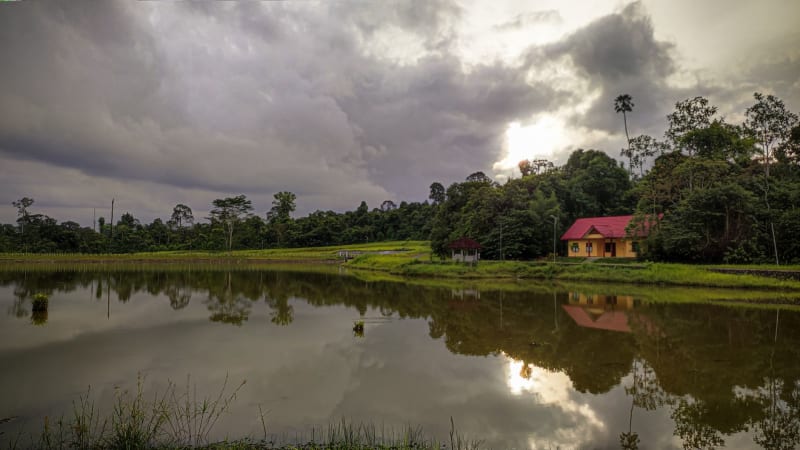
 Tasek Lama
A forested recreational park at the edge of BSB where primary jungle begins five minutes from the capital's government buildings.
Explore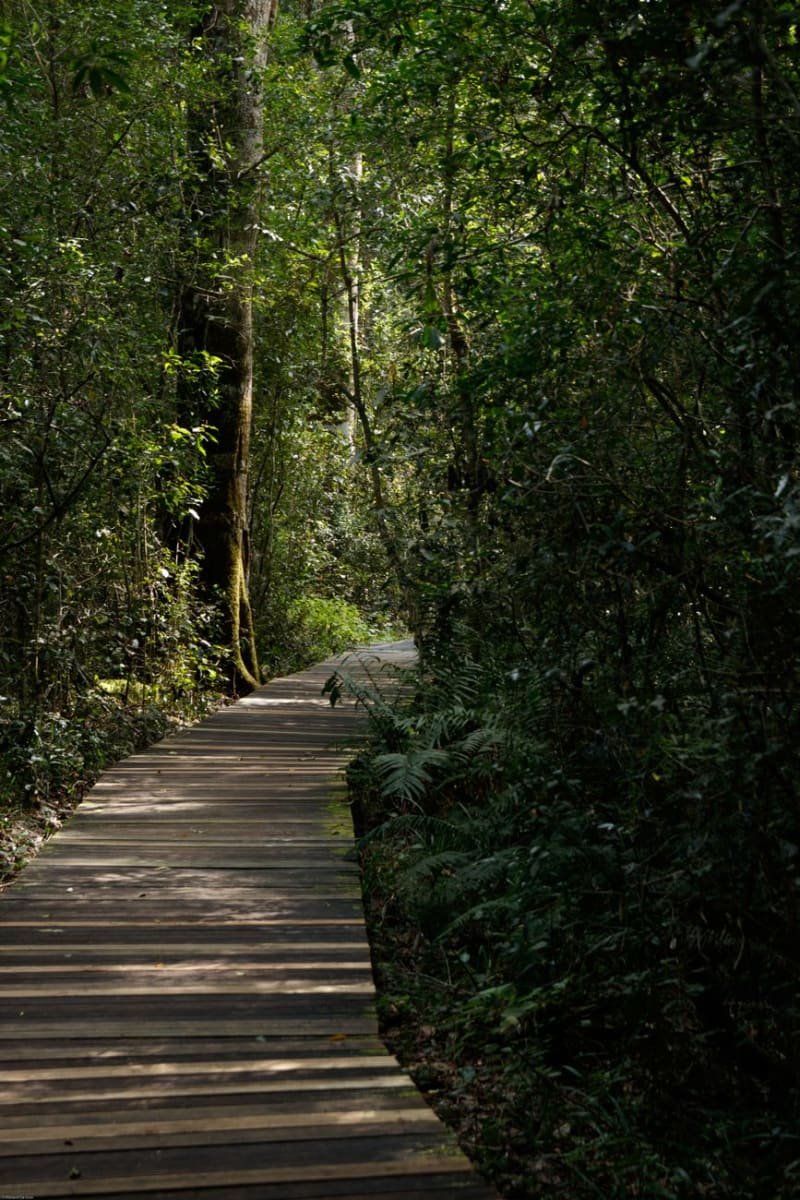 brunei
 Tasek Merimbun
Brunei's largest natural lake, an S-shaped sheet of black water in the Tutong interior, ringed by peat swamp forest and reached by a crooked red boardwalk to a tiny island.
Explore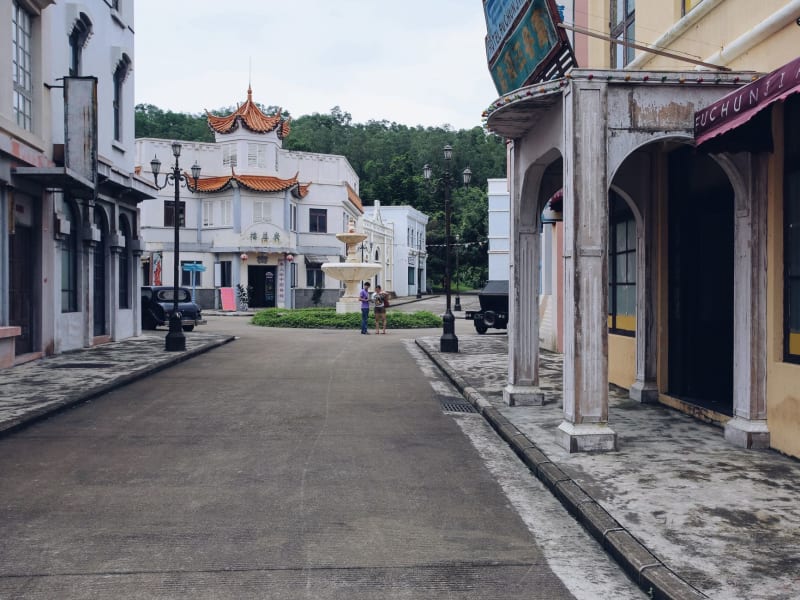 brunei
 Tutong
Brunei's agricultural heartland where the Tutong River bends through rice paddies and the black-water lake of Tasek Merimbun sits dark and still under the jungle.
Explore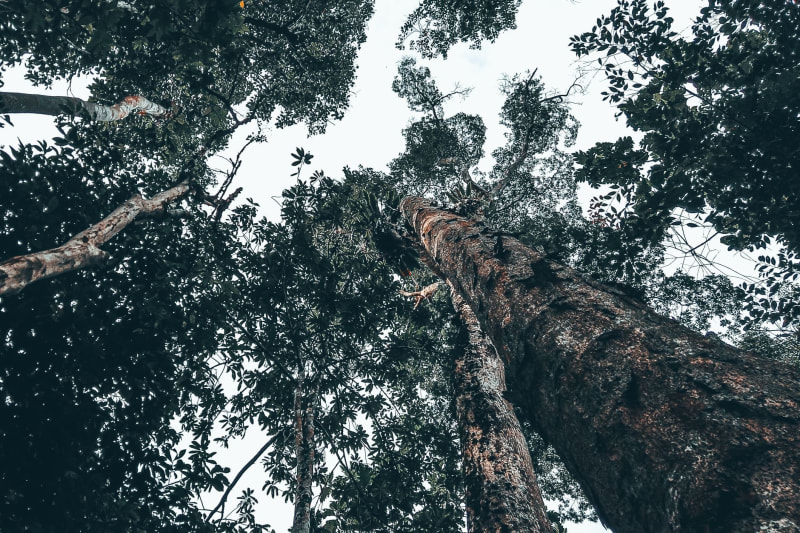 brunei
 Ulu Temburong National Park
One of Borneo's last untouched primary rainforests, reached by longboat through mangrove channels and earned by a trembling canopy walkway.
Explore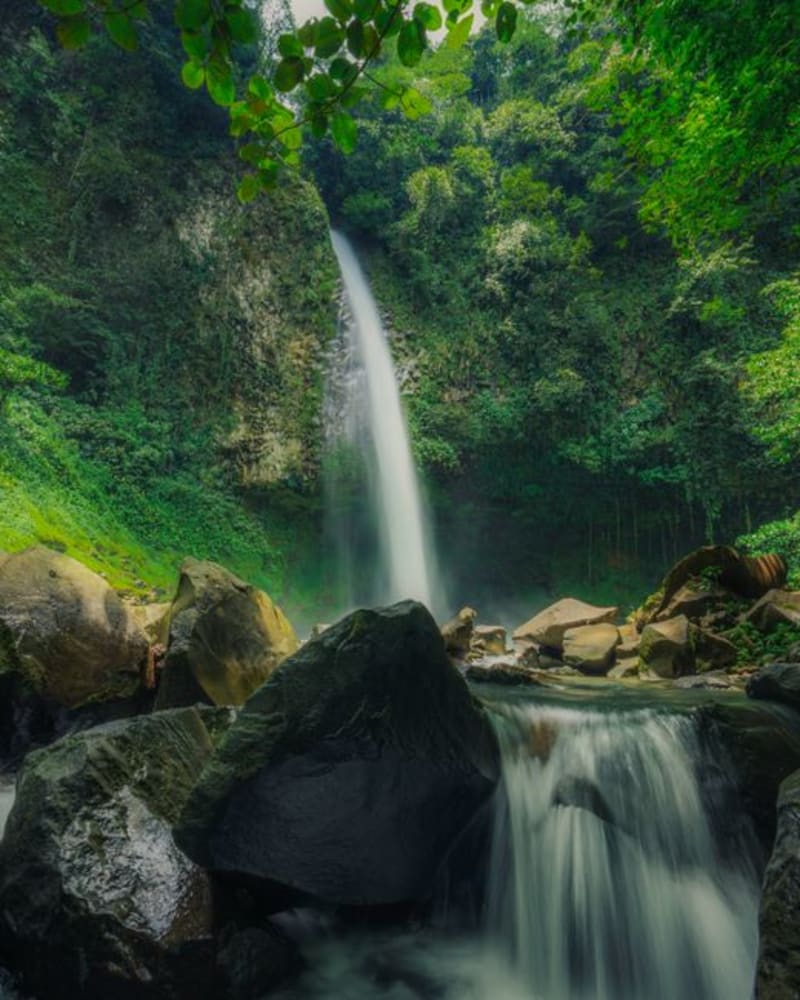 brunei
 Wasai Teraja (Teraja Waterfall)
A rainforest trek from an Iban longhouse deep in Brunei's Labi hills ends at one of the country's few publicly accessible waterfalls.
Explore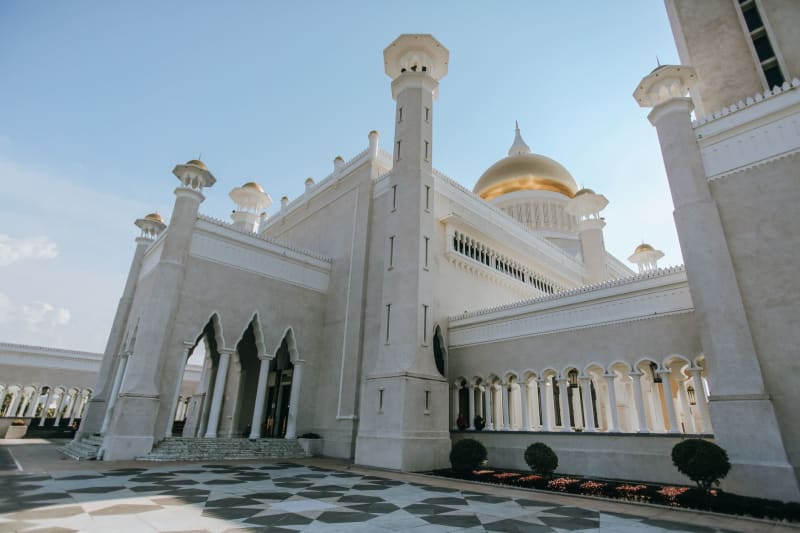 brunei
 Bandar Seri Begawan
A capital city so deliberately unhurried it feels like Southeast Asia before the tourist trade arrived.
Explore