Asia
Brunei
"The quietest country in Southeast Asia — and maybe the most surprising."
A tiny oil-rich sultanate on Borneo where the world's largest inhabited palace coexists with one of Southeast Asia's last untouched rainforests.

I arrived at Bandar Seri Begawan airport on a Tuesday morning and the first thing I noticed was the silence. Not the silence of emptiness — the capital has half a million people — but the particular silence of a city that has never been overrun by tourism. No tuk-tuks competing for my attention, no postcard sellers, no hostels advertising happy hours. The immigration officer stamped my passport with a precision that felt almost ceremonial. Welcome to Brunei.
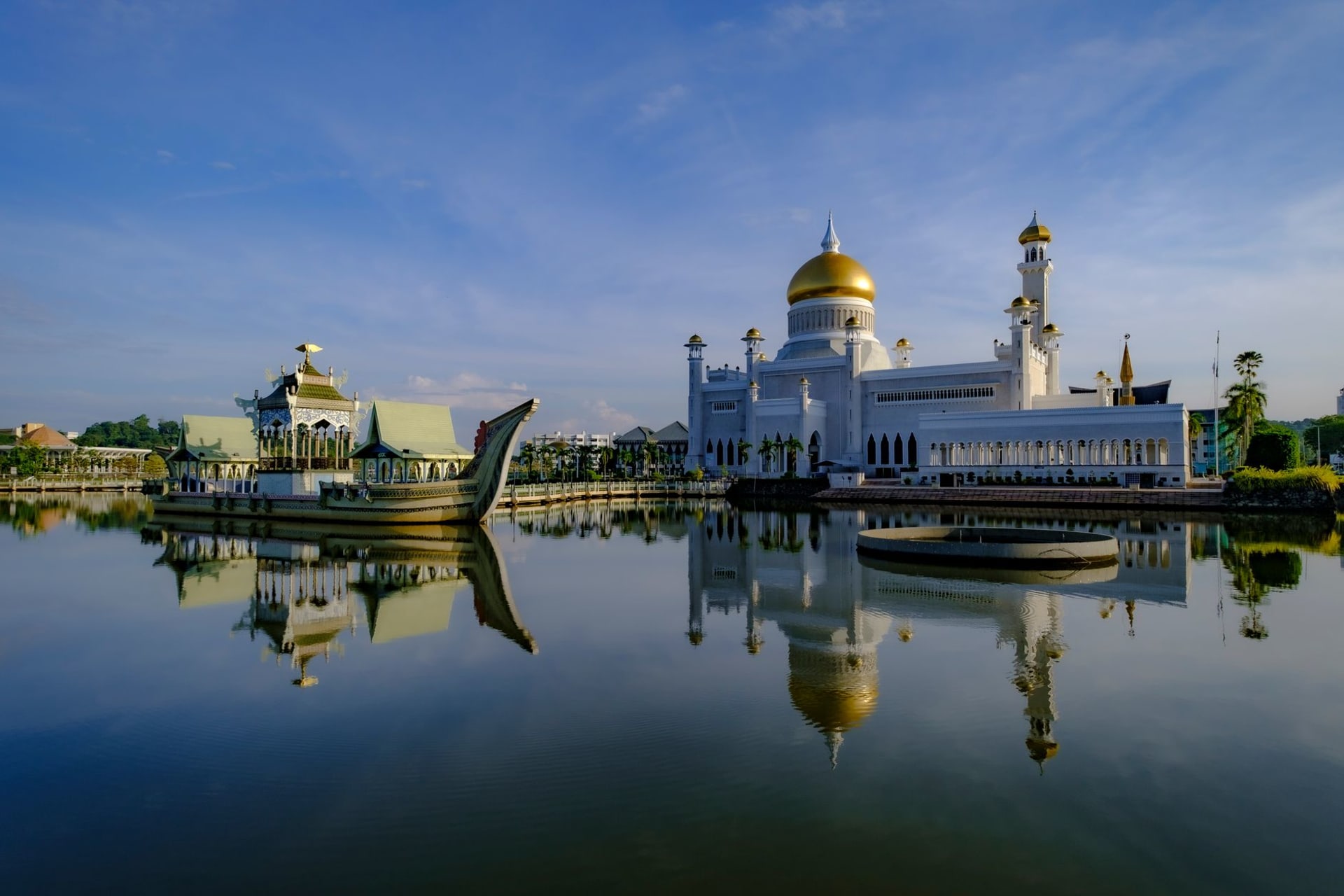
The Omar Ali Saifuddien Mosque is the kind of landmark that actually earns the word iconic. I’d seen photographs, but photographs don’t prepare you for the scale of it — the marble dome rising above the Kampong Ayer water village, its reflection stretching across the artificial lagoon in the early light. The water village itself is something else entirely: 39,000 people living on stilts over the Brunei River, connected by wooden boardwalks and water taxis, with mosques and schools and clinics all suspended above the same brown water. It has existed for six centuries. I walked through it for two hours and nobody tried to sell me anything.
Then there is the rainforest. Ulu Temburong National Park, accessible only by longboat through a maze of mangrove channels, contains one of Borneo’s last truly pristine primary rainforests. I spent an afternoon on the canopy walkway — swaying, slightly terrifying, utterly silent except for hornbills and the distant percussion of unseen waterfalls below. Brunei’s oil wealth and small population have meant almost no logging, almost no agricultural conversion. What remains is some 70 percent of the country still covered by jungle. In 2024, that feels like a miracle.
The food is where expectations quietly rearrange themselves. Ambuyat — a stiff, gluey paste made from sago starch, eaten by twirling it onto a bamboo fork and dipping it into various sauces — is the national dish and bewilders most visitors on first contact. Give it time. The laksa in the morning markets near the waterfront is exceptional: richer and spicier than its Sarawakian cousin, served in bowls that cost less than a dollar and taste like they took years to perfect.
When to go: March through October offers the driest conditions for Ulu Temburong. The monsoon season runs roughly November to January, when the longboat trips into the national park can be disrupted. Ramadan brings shorter restaurant hours in the capital but also the extraordinary Ramadan night markets along the waterfront — worth timing a visit around.
What most guides get wrong: They present Brunei as a novelty — the smallest country in Southeast Asia, the one that bans alcohol, the one where everything closes early. That framing misses the point entirely. Brunei is what much of Borneo used to look like before the palm oil industry arrived. Come for the rainforest. The mosque is magnificent, the water village is genuine, but the jungle in Temburong is irreplaceable — and it still exists because this small, quiet, overlooked country decided to keep it that way.
Explore
Places in Brunei
 brunei
 Bandar Seri Begawan
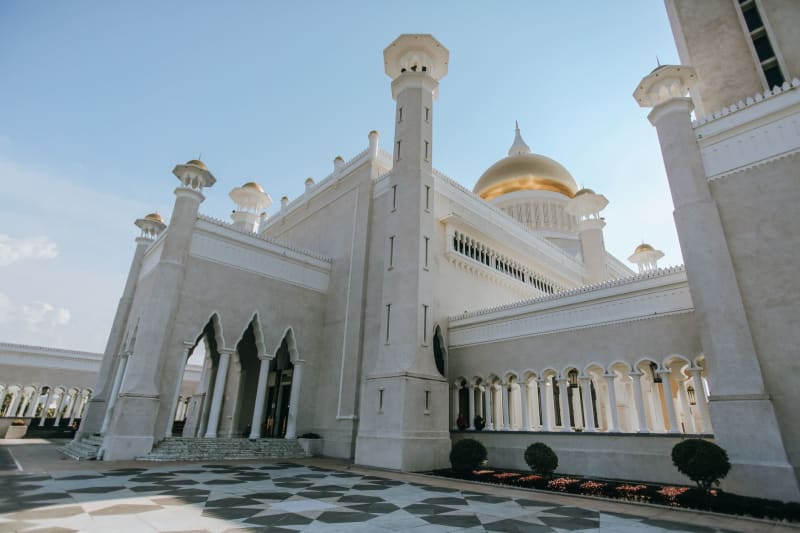
A capital city so deliberately unhurried it feels like Southeast Asia before the tourist trade arrived.
Explore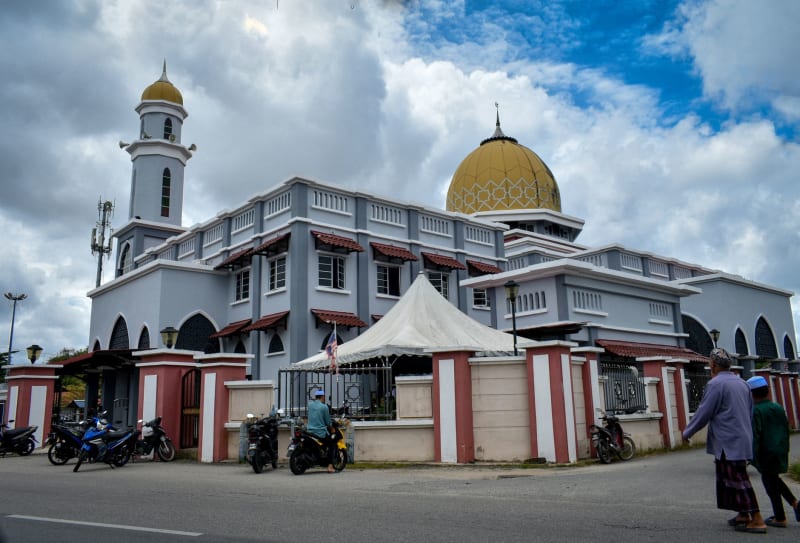 brunei
 Bangar
The gateway town to Temburong — a riverside settlement of coffee shops and longboat piers where the jungle begins the moment the road ends.
Explore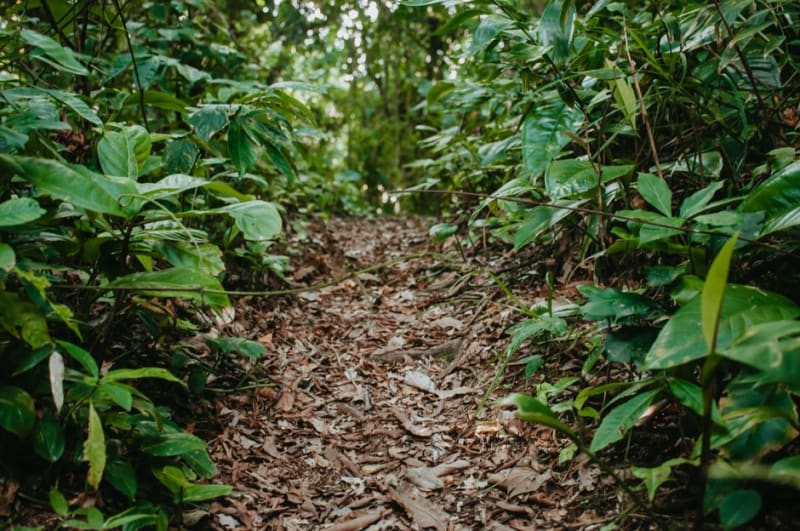 brunei
 Bukit Patoi
A 3.5km rainforest climb in Temburong that trades sweat and mud for hornbill calls and a view all the way to Sarawak.
Explore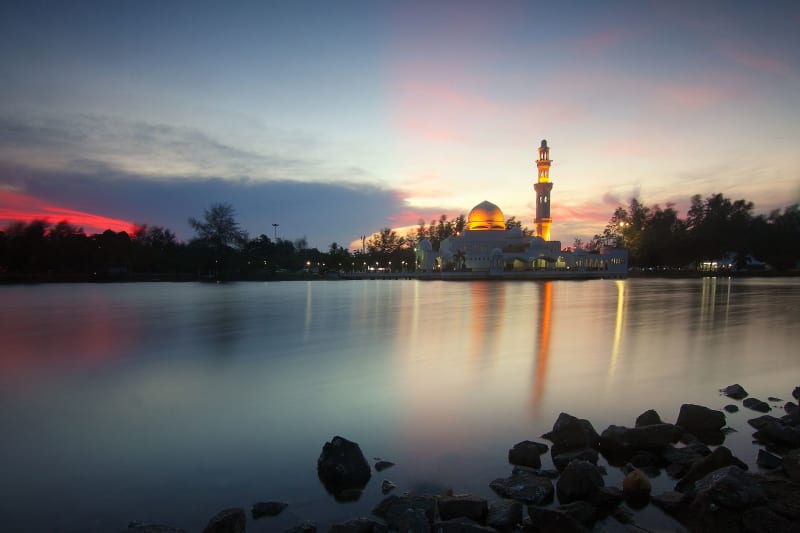 brunei
 Jerudong
An elite suburb hiding a ghost theme park and a beach where the afternoon light turns the South China Sea the colour of hammered copper.
Explore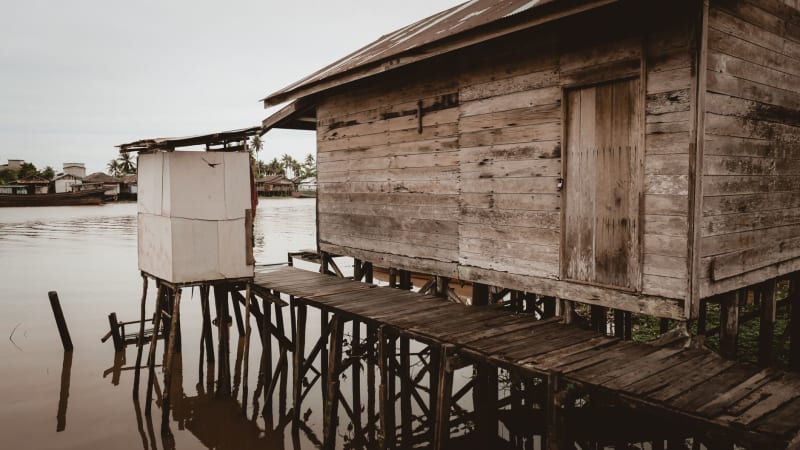 brunei
 Kampong Ayer
The world's largest water village — 39,000 people living on stilts over the Brunei River, unchanged in its bones for six centuries.
Explore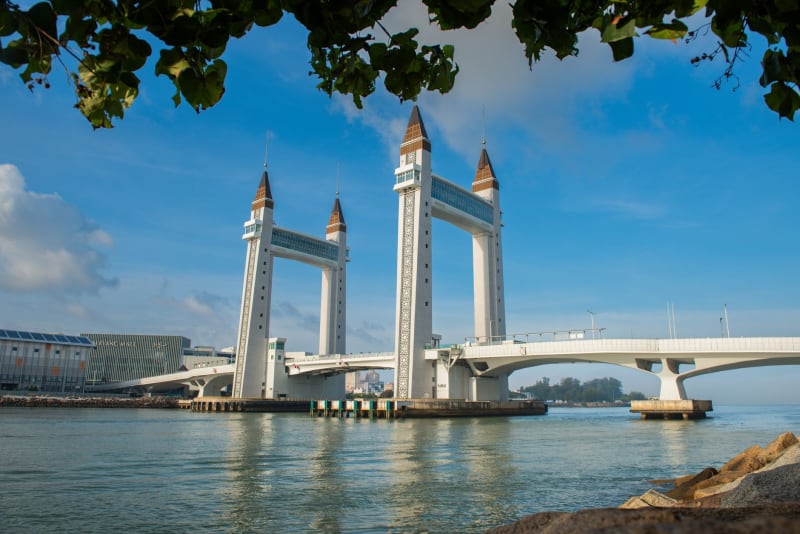 brunei
 Kuala Belait
Brunei's southern frontier town where the Belait River meets the sea, fishing boats work the estuary, and the border with Sarawak is a short ferry ride away.
Explore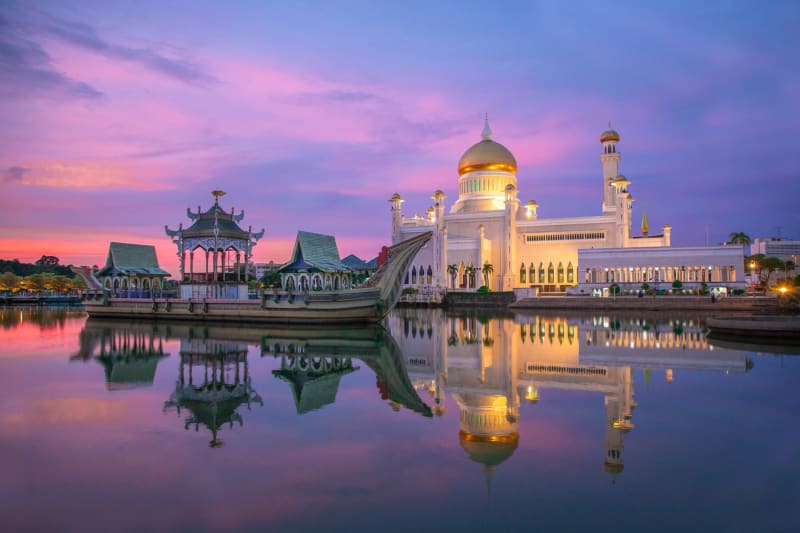 brunei
 Muara
Brunei's port town and its quietest beach escape — casuarina trees, weekend picnickers, and the ferry crossing to Labuan just offshore.
Explore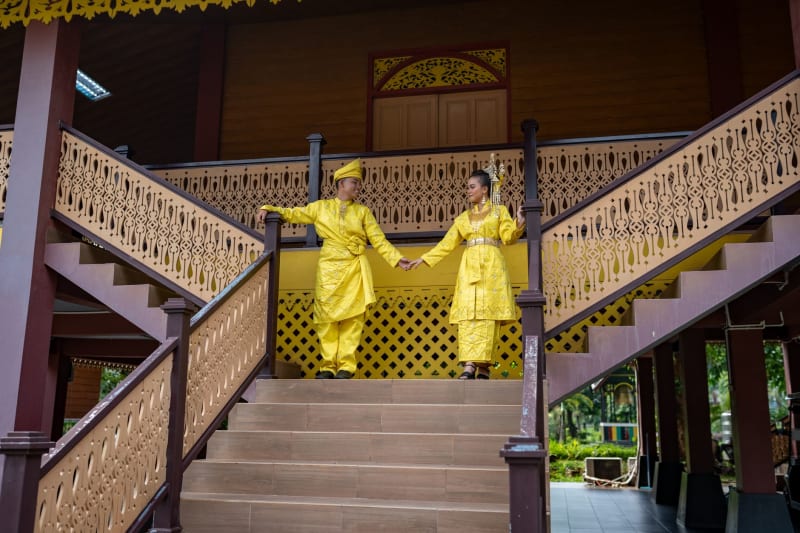 brunei
 Seria
The oil town that built a sultanate — where nodding donkey pumps still work the fields and a company town's ghost coexists with quiet local life.
Explore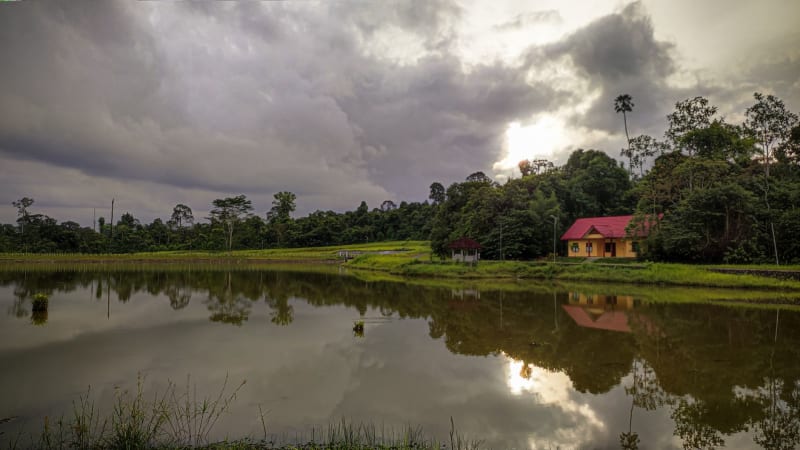 brunei
 Tasek Lama
A forested recreational park at the edge of BSB where primary jungle begins five minutes from the capital's government buildings.
Explore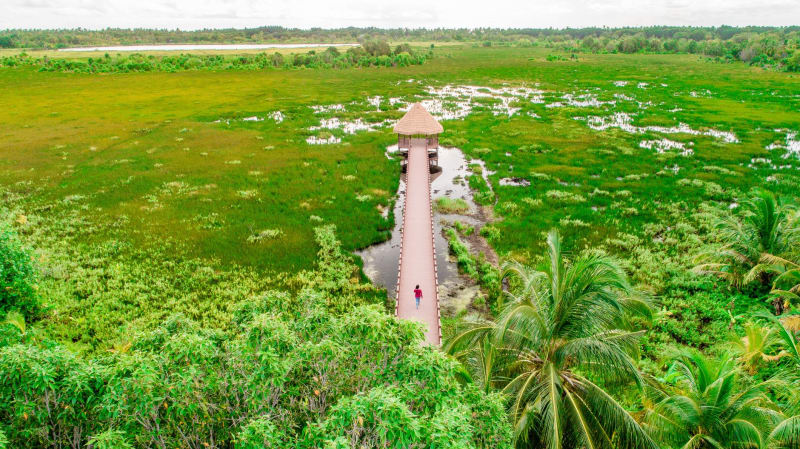 brunei
 Tasek Merimbun
Brunei's largest natural lake, an S-shaped sheet of black water in the Tutong interior, ringed by peat swamp forest and reached by a crooked red boardwalk to a tiny island.
Explore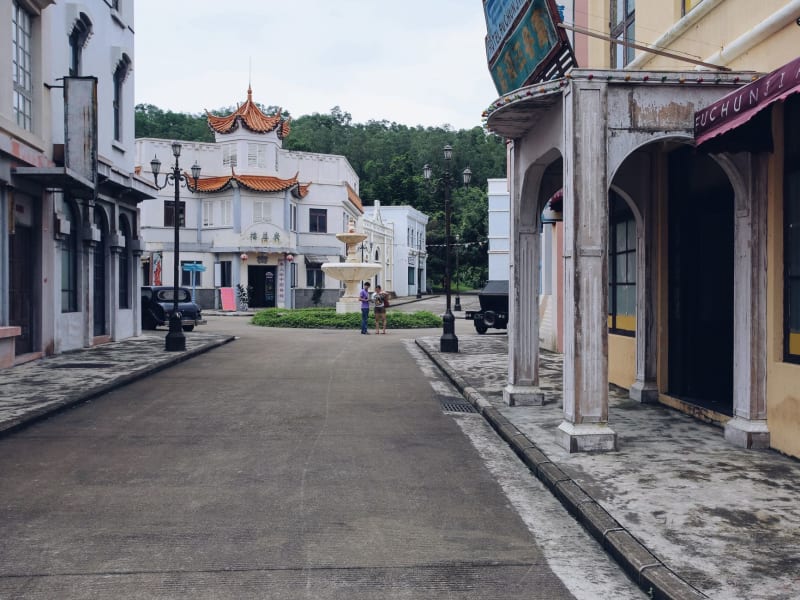 brunei
 Tutong
Brunei's agricultural heartland where the Tutong River bends through rice paddies and the black-water lake of Tasek Merimbun sits dark and still under the jungle.
Explore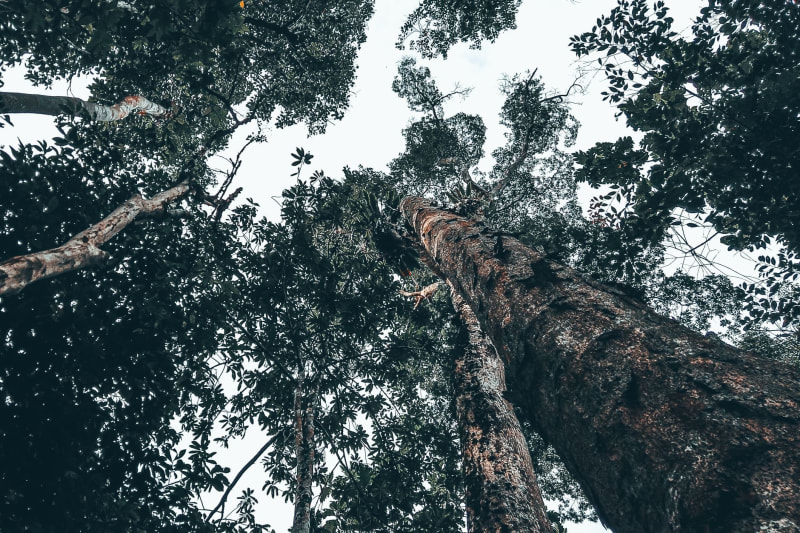 brunei
 Ulu Temburong National Park
One of Borneo's last untouched primary rainforests, reached by longboat through mangrove channels and earned by a trembling canopy walkway.
Explore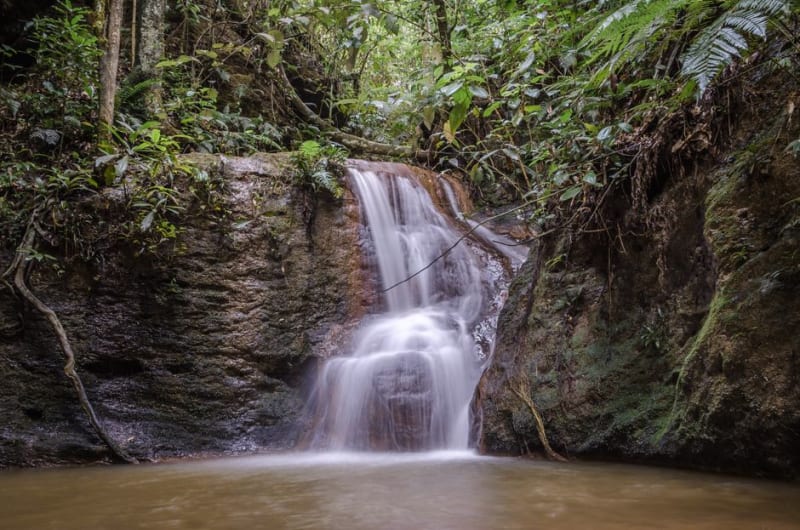 brunei
 Wasai Teraja (Teraja Waterfall)
A rainforest trek from an Iban longhouse deep in Brunei's Labi hills ends at one of the country's few publicly accessible waterfalls.
Explore