João Pessoa
"Standing at the easternmost point of two continents, watching the sun come up before anyone else in the Americas, is a strange thing to do before breakfast."
Paraíba's green, unhurried capital, home to the easternmost point in the Americas and a rainforest that runs right up to the beach.
João Pessoa doesn’t get mentioned in the same breath as Natal or Recife, its more famous neighbors on either side, and I think that’s a mistake most itineraries make without examining it. The capital of Paraíba is greener than both — locals claim it as the second-greenest city in the world by park area per capita, a statistic I can’t verify but didn’t doubt while walking under the canopy of the Mata do Buraquinho, an urban Atlantic rainforest reserve sitting inside the city limits — and it has a slower, more residential rhythm that I found came as a relief after the tourist density further along the coast.
Ponta do Seixas, a short drive from the center, is the reason João Pessoa shows up on any “easternmost” list: a lighthouse-topped headland that marks the most easterly point of both South America and the entire Americas landmass. I went at dawn, on the recommendation of a hostel owner who insisted it was the only correct time to do it, and stood on the cliff with a handful of other early risers watching the sun rise over an ocean that, at that exact latitude and longitude, is the first Atlantic sunrise the Americas see each day. It is a slightly ridiculous thing to feel moved by. I felt moved by it anyway.
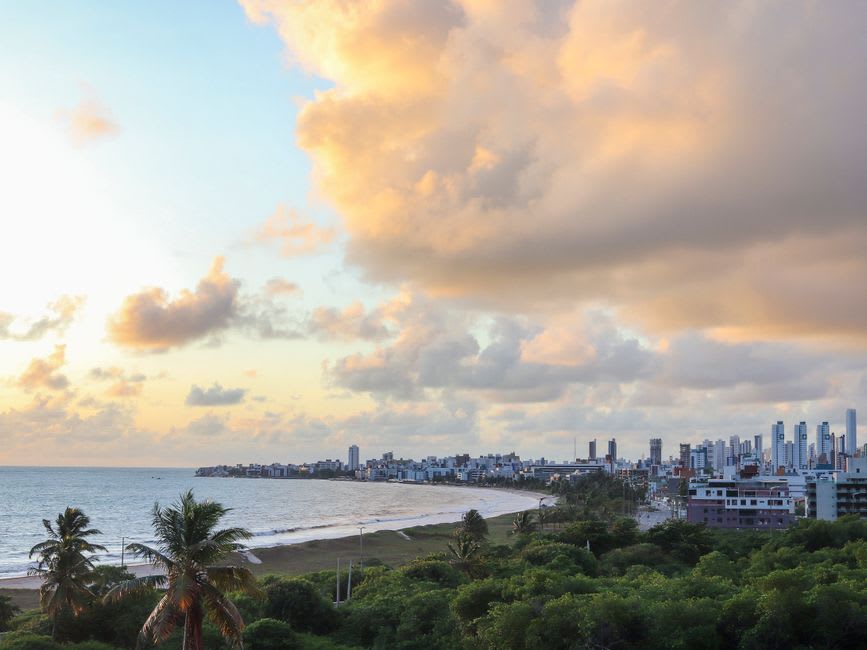
The city’s beaches run along a long urban waterfront — Tambaú and Cabo Branco are the main ones, wide and easy and lined with the kind of beach-bar kiosks that make an afternoon disappear on plastic chairs with a round of cold Skol and a plate of tapioca. Cabo Branco in particular sits below red sandstone cliffs that glow at sunset, and the promenade running along the top of them makes for one of the better evening walks on this stretch of coast.
Inland, the historic center around the Praça São Frei Ibiapina holds some of the oldest colonial architecture in Brazil — the Igreja e Convento de São Francisco, with its gilded Baroque interior and adjoining museum of sacred art, rivals anything in Salvador for craftsmanship and gets a fraction of the visitors. I had the cloister nearly to myself on a weekday morning, which felt, again, like the defining experience of this city: genuinely significant places without the crowd that usually comes attached.
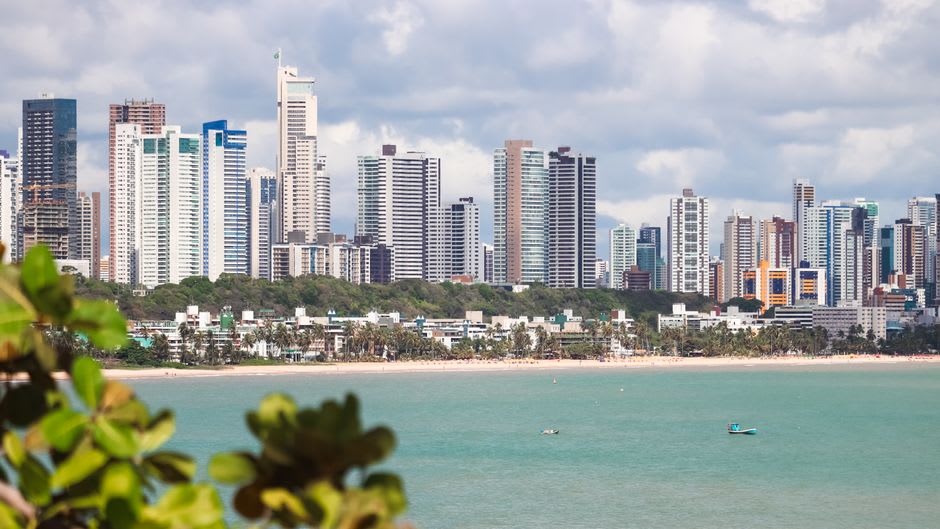
An hour north, the beach town of Coqueirinho and the surrounding cliffs offer a quieter, less developed version of the coastline for anyone with an extra day and a rental car, and it’s worth the detour if you have the time João Pessoa itself doesn’t quite demand.
When to go: September through January for the driest, sunniest weather. The city is pleasant nearly year-round given its more moderate, tree-shaded microclimate compared to more exposed coastal towns nearby. Go to Ponta do Seixas at sunrise regardless of season — it’s the one thing worth setting an alarm for.
Keep exploring
More from Brazil
 brazil
 Lençóis
A former 19th-century diamond-mining town of pastel colonial houses, the classic gateway into Chapada Diamantina's waterfalls, canyons, and cave systems.
Explore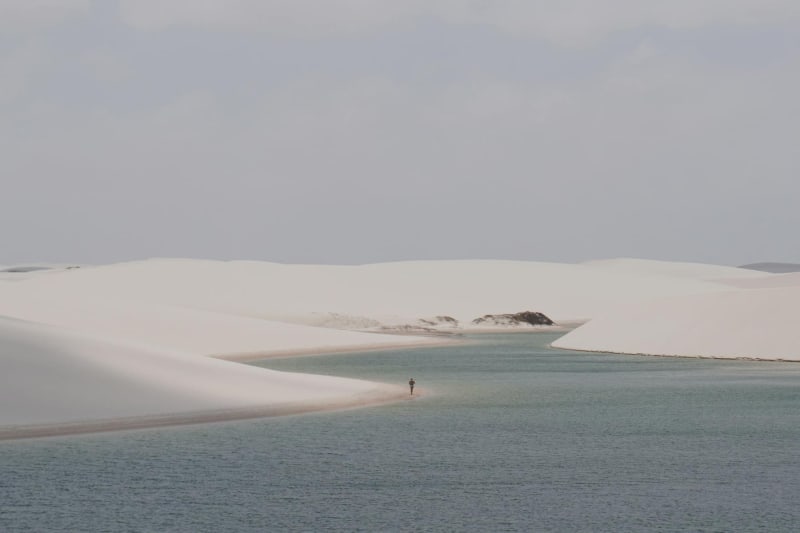 brazil
 Lençóis Maranhenses
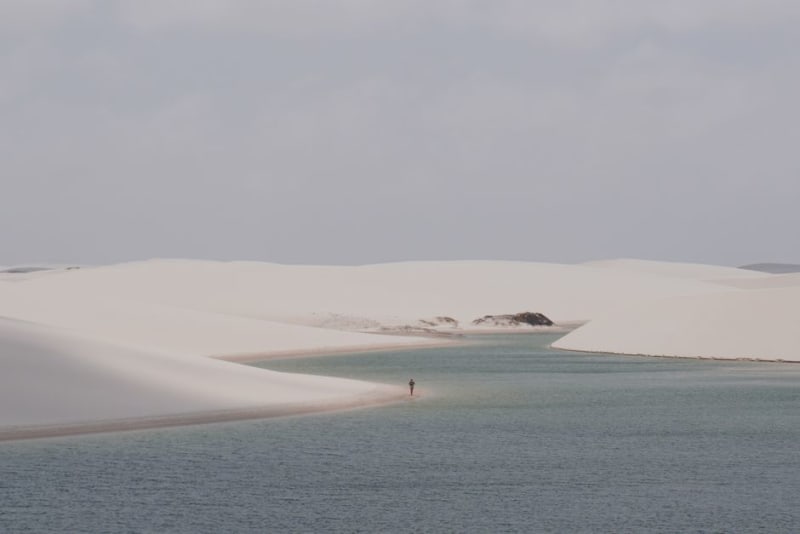
Endless white dunes filled with turquoise lagoons after the rains — a landscape that should not exist but does.
Explore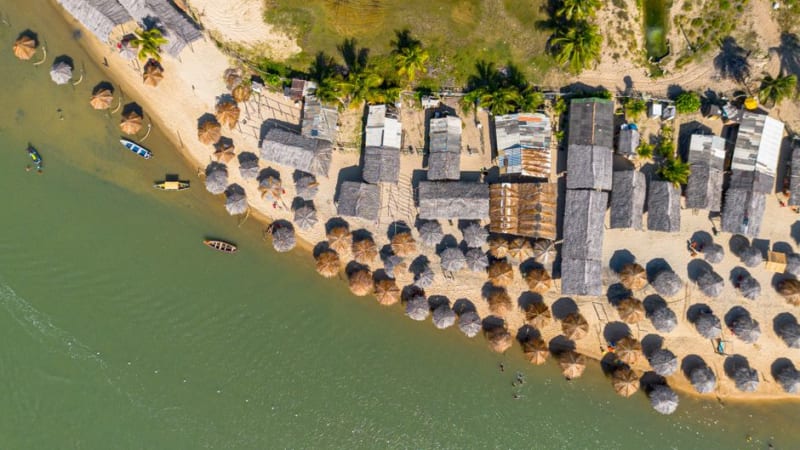 brazil
 Macapá
The only state capital in the world built directly on the Equator, standing with one foot in each hemisphere.
Explore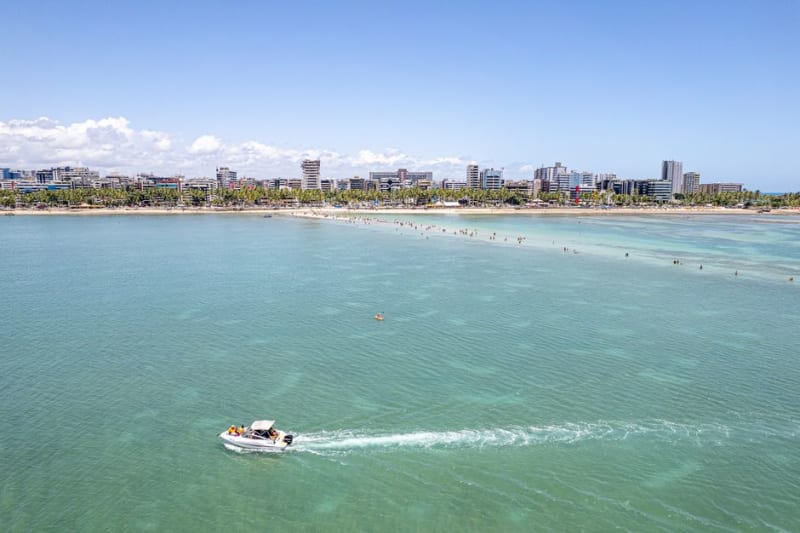 brazil
 Maceio
Alagoas' capital, a city of turquoise reef pools and palm-lined city beaches that earned its nickname, the Caribbean of Brazil.
Explore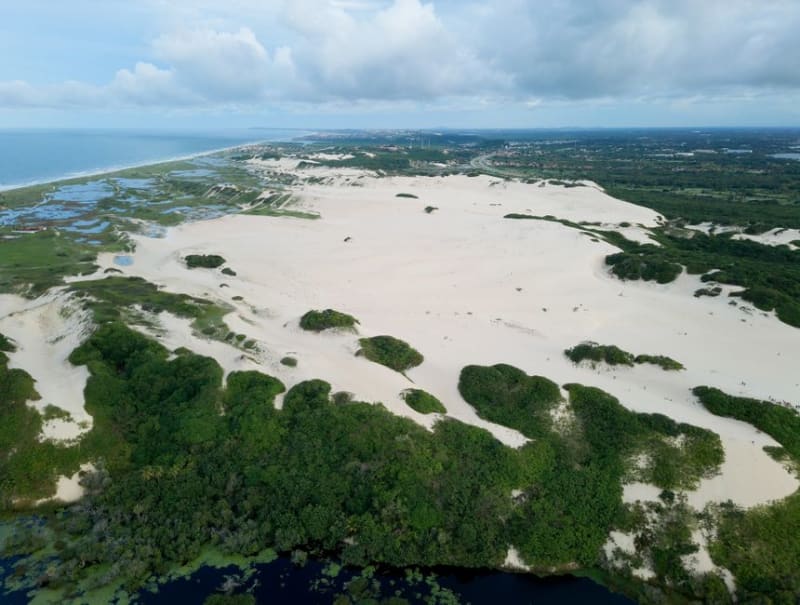 brazil
 Mamirauá Reserve
A flooded forest sanctuary where pink river dolphins surface beside your canoe and conservation actually seems to be working.
Explore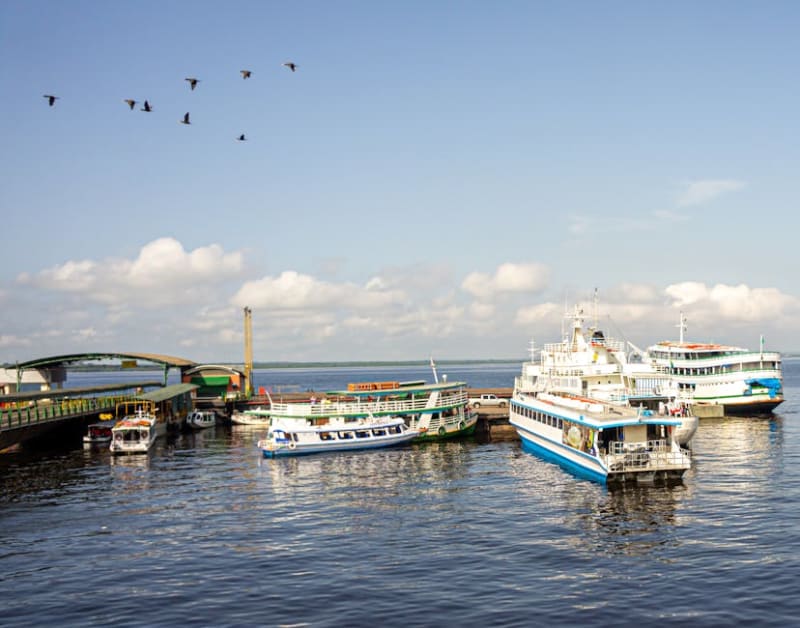 brazil
 Manaus
The gateway to the Amazon — a rubber-boom opera house in the jungle and a river system that dwarfs everything you imagined.
Explore